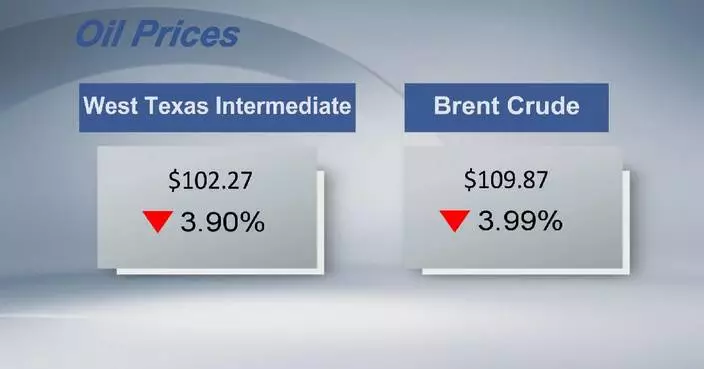
The world is facing "arguably the most severe energy crisis ever", EU Energy Commissioner Dan Jorgensen warned Tuesday, as the ongoing Middle East conflict and the blockade of the Strait of Hormuz drive up energy costs and impose additional fossil fuel import expenses on EU member states.
According to Jorgensen, the surge in energy prices triggered by regional instability is placing unprecedented pressure on the EU economy. EU member states have collectively spent over 30 billion euros more on fossil fuel imports since the escalation of regional tensions without securing any corresponding increase in supply volumes.
He described the current situation as "arguably the most severe energy crisis ever", emphasizing that it is testing the resilience of the EU's economy, social cohesion, and strategic partnerships.
The disruption extends far beyond immediate price volatility, according to the EU energy chief. Critical energy infrastructure in several Gulf states has come under attack, and the damage inflicted could have long-lasting repercussions. Natural gas production in the region may take years to return to pre-conflict levels, he said.
Jorgensen's remarks were echoed by Wopke Hoekstra, European Commissioner for Climate, Net Zero and Clean Growth, who underscored Tuesday the persistent challenges ahead regardless of near-term diplomatic developments.
Even if the conflict in the Middle East were to cease immediately, the EU would still face considerable energy and economic headwinds in the coming months. Therefore the EU must seriously prepare for scenarios where the situation persists, or even deteriorates further, Hoekstra said.
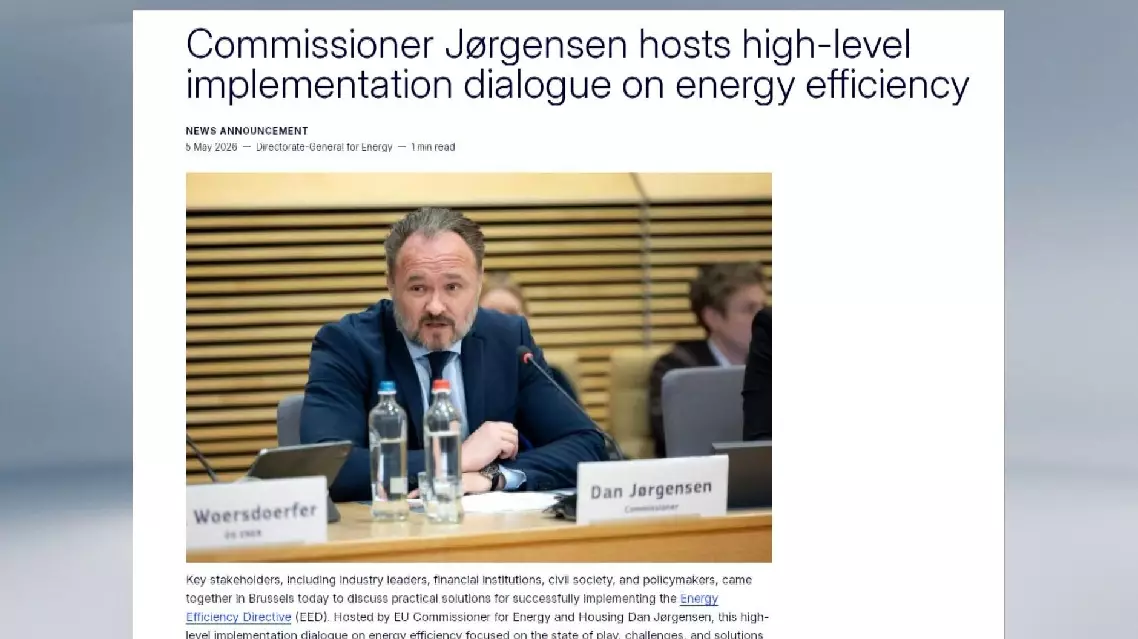
EU energy chief warns of "most severe energy crisis ever"