DH clamps down on illegal online sale of unregistered anti-obesity medicine
The Department of Health (DH) has long strived to combat the illegal online sale of unregistered medicine and has continuously monitored the sale of controlled anti-obesity medicine in the market. The DH carried out an enforcement operation with the Police today (May 6) in Tin Shui Wai district, arresting a 43-year-old woman suspected of illegally selling Part 1 poisons and unregistered pharmaceutical products on the Internet.
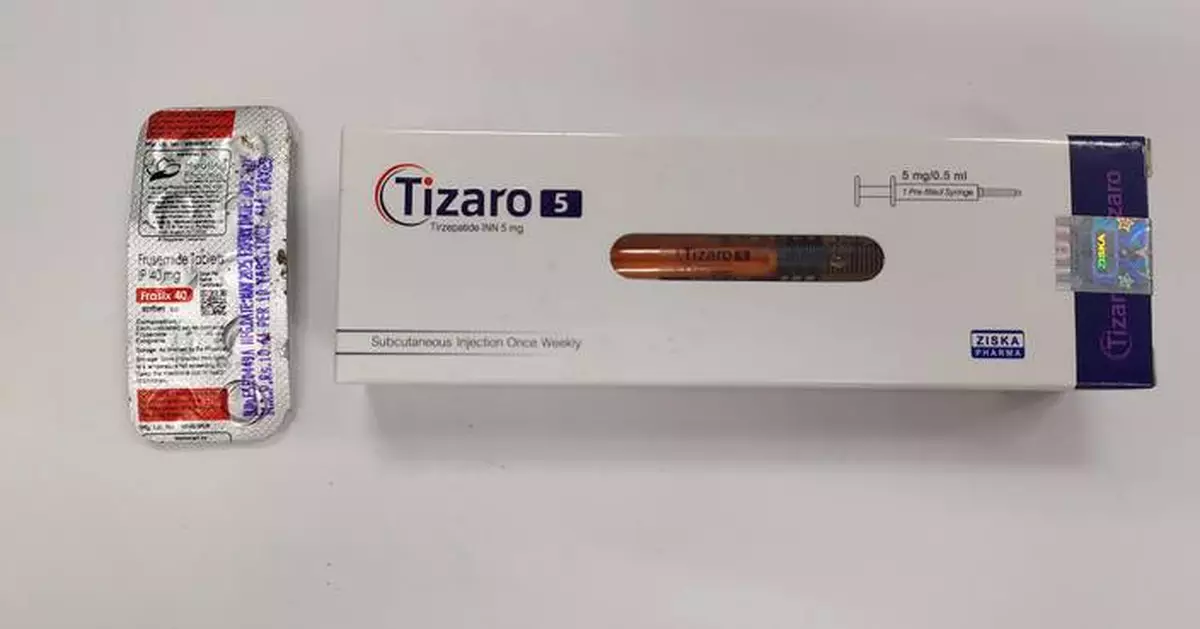
Following up on a complaint, the DH purchased, via an instant messaging application, controlled medicines which included a box of anti-obesity injections labelled as containing tirzepatide, and 10 tablets labelled as containing frusemide, used for the treatment of heart disease. Tirzepatide and frusemide are Part 1 poisons under the Pharmacy and Poisons Ordinance (Cap. 138) (PPO). The products are suspected to be unregistered pharmaceutical products in Hong Kong. The DH will continue to investigate the incident.
Tirzepatide is used for the treatment of obesity, and its side effects include hair loss, nausea and diarrhoea. Frusemide is used for the treatment of heart diseases, and its side effects include low blood pressure and electrolyte imbalance. Medicines containing tirzepatide and frusemide should be used under a doctor's direction and must be supplied on the premises of an Authorized Seller of Poisons (commonly known as a pharmacy) under the supervision of a registered pharmacist upon a doctor's prescription.
The DH strongly urges members of the public not to self-purchase or consume products of doubtful composition or from unknown sources. Purchasing controlled medicines (including slimming drugs) online poses health risks. Besides the lack of a doctor's assessment of an individual's health condition, it is difficult to ascertain the legitimate source of the drugs. It is also impossible to know whether the drugs were properly stored during transportation (especially for drugs requiring cold-chain storage). This leaves their safety, quality and efficacy unguaranteed.
The DH also reminds the public that selling medicines controlled under the PPO illegally, regardless of the sales channel (including online sales platforms, instant messaging applications or social media), carries criminal liability. Do not risk breaking the law.
According to the PPO, all pharmaceutical products must be registered with the Pharmacy and Poisons Board of Hong Kong before they can be legally sold in the market. Additionally, pharmaceutical products containing Part 1 poisons can only be sold at the registered premises of a pharmacy under the supervision of a registered pharmacist. The DH emphasised that it has an established mechanism to monitor the sale of pharmaceutical products in the market (including the Internet). If any contravention of the law is suspected, the DH will promptly investigate, and, if necessary, refer the case to other law enforcement agencies to follow up, or conduct joint operations with other law enforcement agencies. Any irregularities so found will be dealt with in accordance with the law. Illegal sale or possession of unregistered pharmaceutical products or Part 1 poisons are criminal offences. The maximum penalty for each offence is a fine of $100,000 and two years' imprisonment.
The DH reminds the public that all registered pharmaceutical products should carry a Hong Kong registration number on the package in the format of "HK-XXXXX". The safety, quality and efficacy of unregistered pharmaceutical products are not guaranteed.
Weight control should be achieved through a balanced diet and appropriate exercise. The public should consult healthcare professionals before consuming any medication for weight control. They may visit the website of the Drug Office of the DH for "Health message on overweight problem and slimming products" for information.
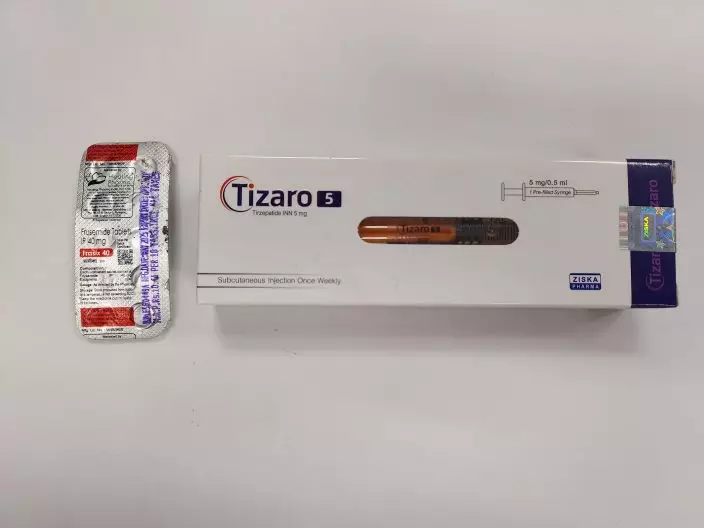
The Department of Health (DH) has long strived to combat the illegal online sale of unregistered medicine and has continuously monitored the sale of controlled anti-obesity medicine in the market. The DH carried out an enforcement operation with the Police today (May 6) in Tin Shui Wai district, arresting a 43-year-old woman suspected of illegally selling Part 1 poisons and unregistered pharmaceutical products on the Internet. Photo shows a box of anti-obesity injections labelled as containing tirzepatide, and 10 tablets labelled as containing frusemide, used for the treatment of heart disease. Source: HKSAR Government Press Releases