China's railway network handled a total of 158 million passenger trips during the eight-day May Day holiday travel rush, according to the China State Railway Group on Wednesday.
The travel rush period started on April 29, two days before the start of the five-day May Day holiday.
This year's May Day holiday coincided with spring break at primary and secondary schools across the country. This led to high demand for travel for tourism, visiting relatives, and leisure activities, which kept rail passenger traffic at high levels.
Long-distance travel dominated at the beginning and end of the holiday, while short-distance travel was the mainstay during the middle of the period.
On April 30, the day before the holiday, rail passenger traffic had already climbed to 19.79 million trips.
On May 1, the national rail network transported 24.844 million passengers, setting a new single-day passenger record. The Yangtze River Delta rail network transported 4.738 million passengers on the day, accounting for one-fifth of the national total.
The Guangzhou Railway Bureau transported 3.758 million passengers on the first day of the holiday, while Beijing remained the top destination for holiday rail travel for several consecutive days.
During the travel rush, China's railway system operated an average of more than 12,000 passenger trains per day.
From the evenings of April 29, 30, May 1, 4, and 5 through the early hours of the following days, high-speed rail trunk lines such as the Beijing-Shanghai, Beijing-Guangzhou, and Beijing-Harbin routes operated an average of 700 overnight high-speed trains each day. Key stations along these routes also implemented 24-hour operations to facilitate convenient and efficient travel for passengers.
The number of themed tourism trains has increased significantly during the travel rush, with a total of 68 operating in different parts of China from April 29 to May 5.
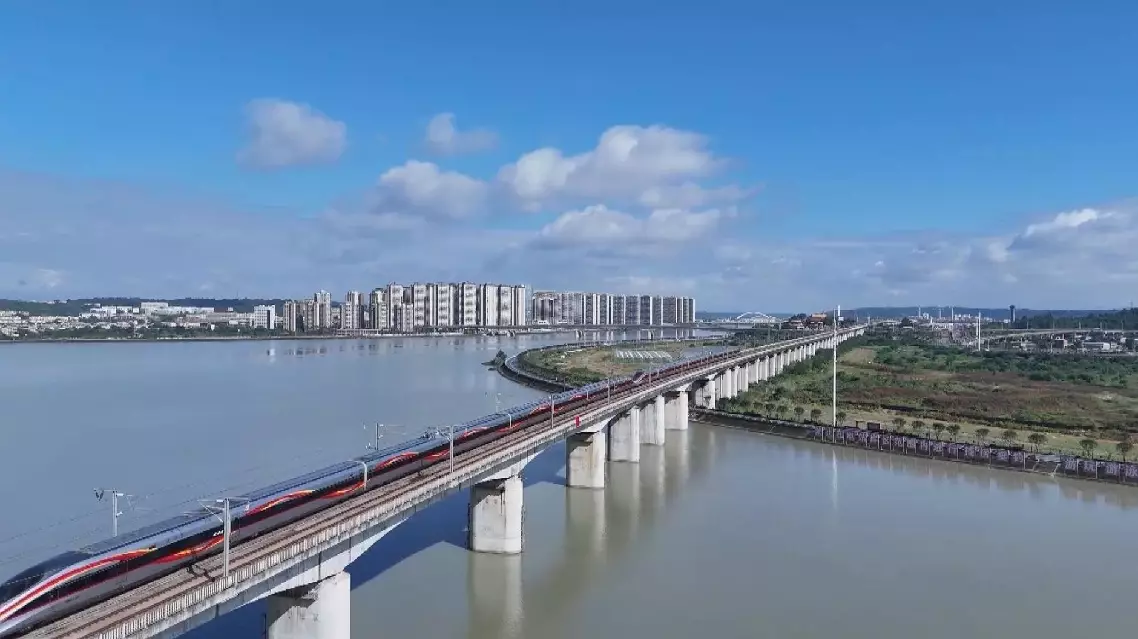
China's railway system handles 158 million passenger trips during May Day holiday travel rush