China's robotics sector accelerated its expansion in overseas markets in the first quarter of 2026, with export standing at 11.32 billion yuan (about 1.66 billion U.S. dollars).
The products are sold to 148 countries and regions around the world. In breakdown, the export value of cleaning robots in the first three months reached 7.75 billion yuan (about 1.14 billion U.S. dollars), accounting for 68.5 percent of the total.
During the January-March period, China's industrial robot exports reached 3.16 billion yuan (about 463.9 million U.S. dollars), up 42 percent year on year. China has become a net exporter of industrial robots.
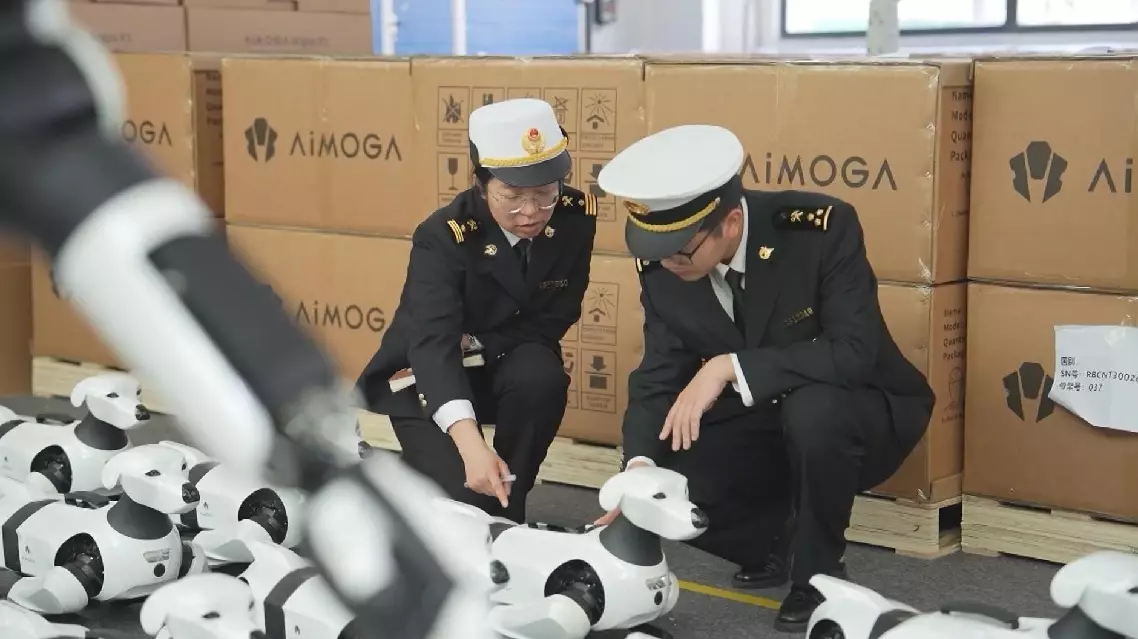
China's robot export off to good start in January-March
The China-proposed Belt and Road Initiative (BRI) helps to set a solid foundation for developing countries without complete infrastructure networks to pursue development independently, said Guinean Prime Minister Amadou Oury Bah in an interview on Wednesday.
Bah visited China and attended the World Economic Forum (WEF)'s 17th Annual Meeting of the New Champions, which concluded on Thursday in the northeastern city of Dalian.
Speaking to the China Global Television Network (CGTN) on the sideline of the meeting, Bah said "The BRI helps Guinea pursue great development. My visit to China aims to further deepen bilateral ties and to fully seize new development opportunities so that Guinea will achieve greater progress and connect more closely with the rest of the world, especially in terms of the construction of logistics and transport corridors, which will help Guinea and some regions in Africa to pursue true economic transformation."
Bah said at a sub-forum of the event held on Tuesday that he was looking forward to closer cooperation with China to help Guinea and other countries in Africa to pursue greater development.
He further explained the point in Wednesday's interview that he believes by working with China within the framework of BRI, some developing countries will pursue independent development by building a complete infrastructure network.
"We are all sovereign states. The BRI offers a solution to a key issue that the international community has been debating extensively over the past two decades -- how to eradicate poverty in some countries, African countries in particular. The solution offered by the BRI is practical and viable, because it meets the real needs of the developing countries. It helps countries without a complete infrastructure network to build logistics hubs, highways, ports and other facilities, thus laying a solid foundation for them to pursue independent development. These infrastructure networks constitute an essential prerequisite for development and only with these facilities can a country fully unleash the potential of its mineral and agricultural resources as well as its capacity to trade with all countries across the world," said Bah.
The prime minister also stressed the urgent need for African countries to foster their internal growth drivers in pursuing greater economic development.
"It has become an urgent task for African countries to achieve deep processing of resources domestically, because we need to foster internal growth drivers, pursue greater development and achieve more equitable distribution of wealth," said Bah.
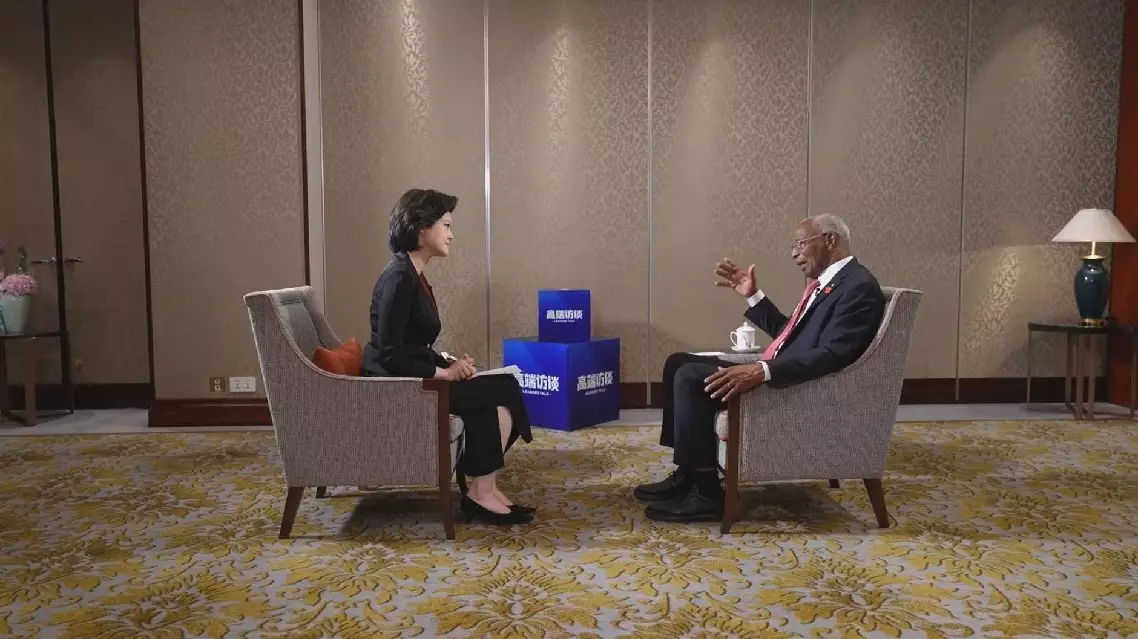
BRI helps countries without complete infrastructure networks pursue independent development: Guinean PM