The United Nations will continue to support all diplomatic efforts aimed at easing tensions between the United States and Iran, restoring freedom of navigation in the Strait of Hormuz, and seeking a comprehensive, lasting solution to the Middle East conflict, a UN spokesperson said Wednesday.
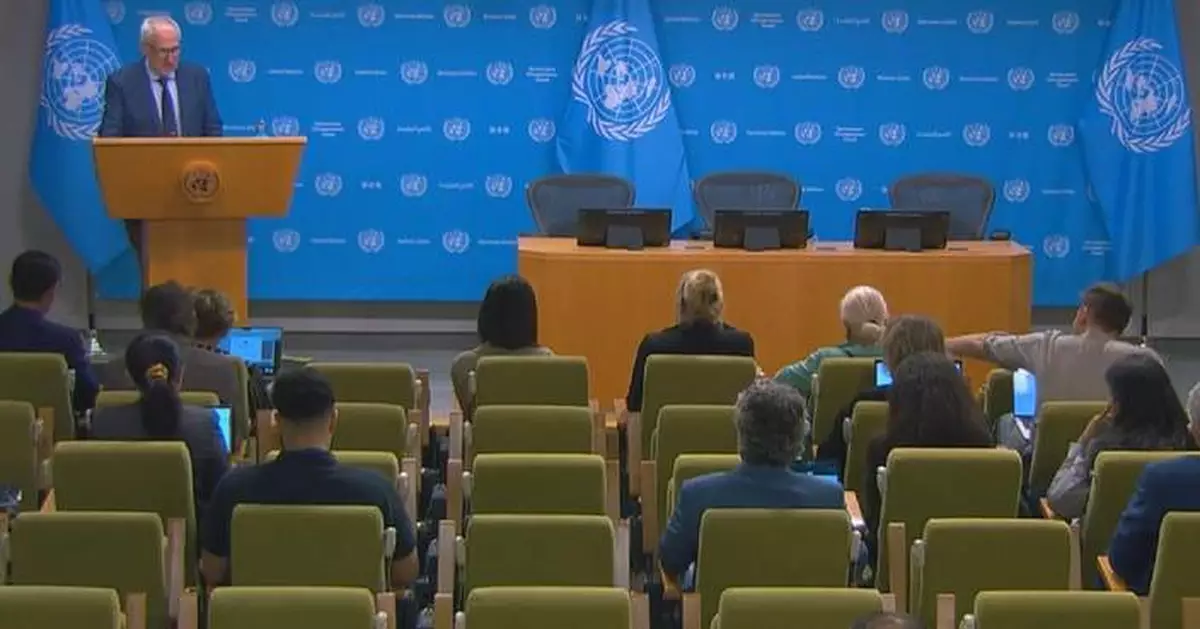
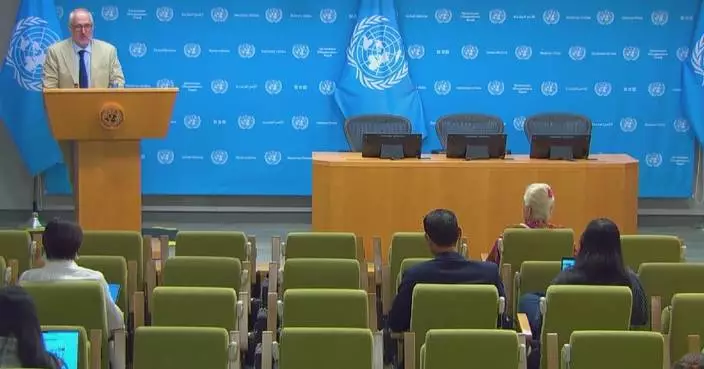
Speaking at a daily briefing, Stephane Dujarric, spokesperson for the UN secretary-general, said the current priority is to help establish sustainable arrangements that ensure safe passage in the vital waterway.
"The Secretary-General's Personal Envoy for the Middle East Conflict and its Consequences Jean Arnault is continuing his diplomatic consultations in the region. We remain committed to supporting all efforts aimed at a comprehensive and durable solution to this conflict," said Dujarric.
The UN is closely following the situation in the Strait of Hormuz, Dujarric underscored. While the U.S. has claimed that hostilities with Iran are over, the spokesman noted that further clarity is still needed, though Wednesday saw no new military developments, something he called a positive sign.
"I think there's still a lot of clarity that needs to happen. Obviously, there are a lot of diplomatic activity ongoing. We saw the kinetic activity happened earlier this week, we didn't see anything today, which is a good sign, and again, our focus really is to ensure something that is sustainable, then that includes the freedom of navigation in the Strait," Dujarric said.
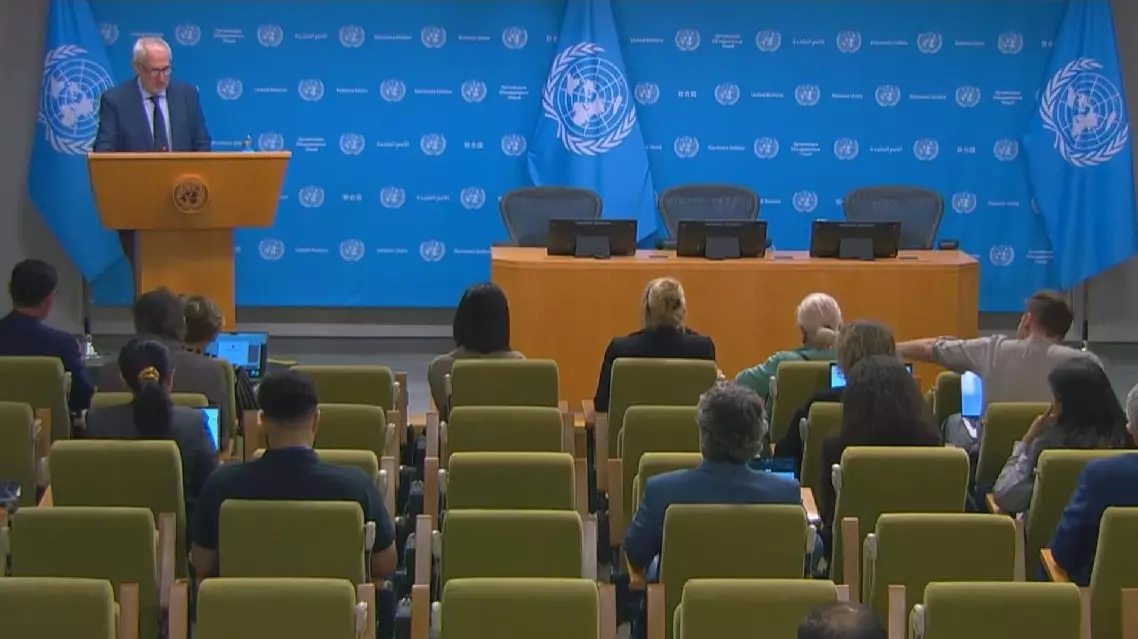
UN calls for sustained diplomacy, free passage in Strait of Hormuz: spokesman
Chinese Premier Li Qiang emphasized advancing agricultural modernization and ensuring food security when making investigation in northeast China's Heilongjiang and Jilin provinces from Monday to Wednesday.
In Heilongjiang Province, Li, also a member of the Standing Committee of the Political Bureau of the Communist Party of China Central Committee, visited a state farm and observed the growth of soybean, corn, and rice crops. He stressed that autumn grain accounts for the bulk of annual output, calling for stepped-up farmland management and policy support to ensure grain harvest.
Visiting an agricultural science park and a rice research institute, Li asked about seed breeding innovation and black soil conservation, highlighting the importance of science and technology in pursuing higher yields and calling for further efforts in seed breeding, advanced machinery, and smart farming.
At a major water conservancy project, Li reviewed construction progress, urging faster completion to improve flood control, irrigation, and ecological benefits while supporting stable, high-yield harvests.
In Jilin Province, Li visited an agricultural cooperative and learned about its operations. He called for developing diverse forms of appropriately scaled agricultural operations and improving services for agriculture to help smallholders connect with modern agriculture.
At a grain processing plant, Li inspected a corn oil production line and called for boosting intensive processing of agricultural products to extend industrial chains and raise value.
Li also visited the Chagan Lake and learned about the ecological fisheries. He called for actively developing modern eco-aquaculture, promoting integrated development of the farming, forestry, livestock, and fishing industries as well as the development of eco-tourism.
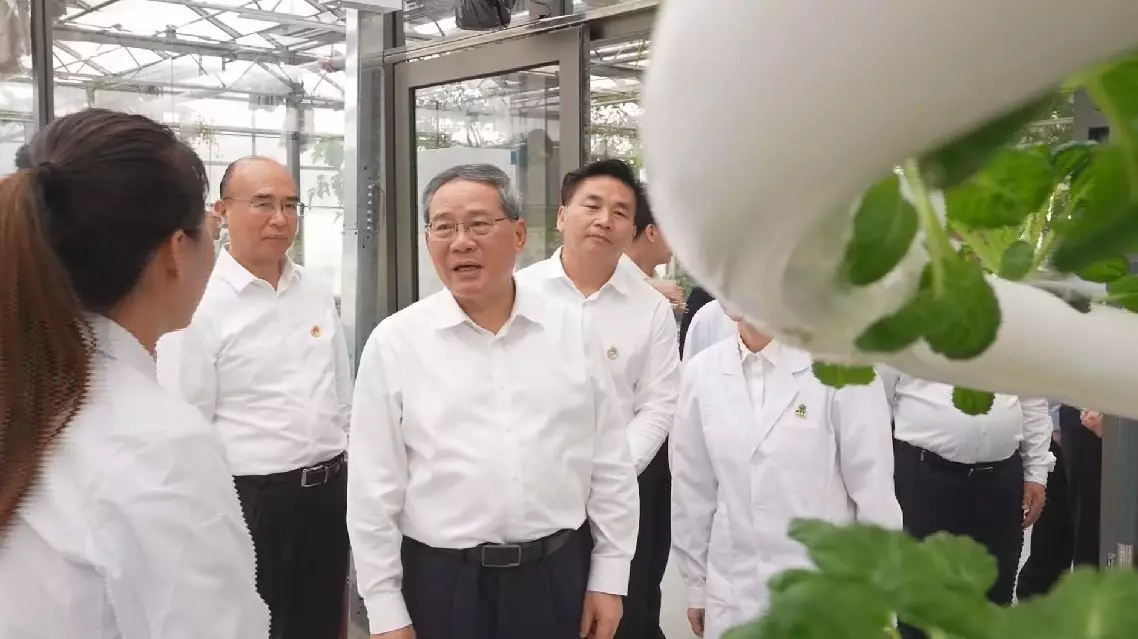
Chinese premier stresses agricultural modernization, food security