DENVER--(BUSINESS WIRE)--May 7, 2026--
Millions of car owners are caught in a double bind. Many didn’t get a good deal when they first bought their car. Nearly half (44%) felt pressured during the original financing process. Now, those same borrowers are absorbing the full force of inflation, high gas prices, and rising everyday costs with a loan that was never revisited. Caribou’s 2026 Car Loan Sentiment Survey* captures the scope of this squeeze—and finds that most borrowers have never even checked whether they could be paying less.
This press release features multimedia. View the full release here: https://www.businesswire.com/news/home/20260507451178/en/
Key findings from Caribou’s survey of 2,000 consumers with car loans reveals how Americans view their car payments and the role it plays in their household budgets:
The financing process left many borrowers uneasy
A car often represents the second-largest monthly expense behind housing, yet the buying experience often leaves drivers feeling rushed or uncertain. The survey finds that a significant share of drivers walked away from the dealership doubting the terms they accepted.
Affordability is a growing problem
The sticker shock didn’t end at the dealership. Today, Americans juggle affordability challenges that have turned car payments into one of the most difficult line items in household budgets.
Monthly savings would be a lifeline, not a luxury
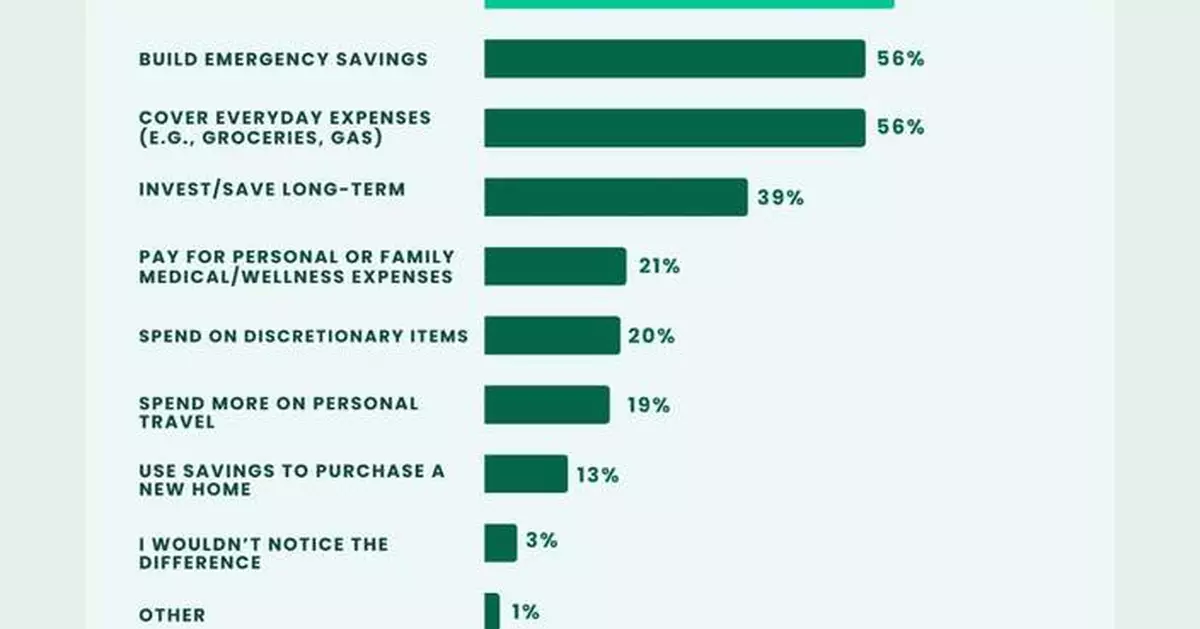
When asked what lower monthly payments would actually mean for their households, borrowers weren’t describing vacations or splurges. For most people, financial breathing room would go straight toward stability and survival.
Refinancing is an overlooked option most drivers haven’t tried
Despite widespread financial strain, most borrowers have never shopped for a better rate on their existing loan.
"Most car owners we surveyed are carrying real financial stress, and many of them are sitting on a loan they've never questioned,” says Simon Goodall, CEO of Caribou. “That's understandable. Life gets busy, and revisiting a loan you already closed doesn't feel urgent. But the math often makes a compelling case. Checking your rate takes minutes, doesn't affect your credit score, and in this environment, that five-minute check could be worth thousands of dollars a year.”
Drivers can estimate their savings in seconds with Caribou's auto refinance calculator, and get pre-qualified in just minutes. Full survey findings are available on Caribou.com.
About Caribou
Caribou helps drivers take control of their car loan with real savings, trusted lending partners, and expert help every step of the way. With its advanced technology and friendly loan advisors, Caribou makes the auto refinancing process quick, easy, and transparent. Caribou shares the latest auto refinance trends each quarter, and current refinance rates each day, to provide the most in-depth, real-time insights about the auto refinance market. Customers save up to $162 per month by refinancing through Caribou.** The company is backed by QED Investors, Goldman Sachs, and other leading investors. Learn more at www.caribou.com.
*Caribou's 2026 Car Loan Sentiment Survey was conducted from March 27 to April 1, 2026 among 2,000 U.S. respondents to learn about how consumers financed their car loans, their attitudes regarding auto refinancing, and how their car payments impact their everyday lives. All respondents currently have a car loan on their primary vehicle.
**This information is estimated based on consumers whose auto refinance loan funded through Caribou between 1/1/2026 and 3/31/2026, had an existing auto loan on their credit report, and selected a loan offer to reduce their monthly payment.
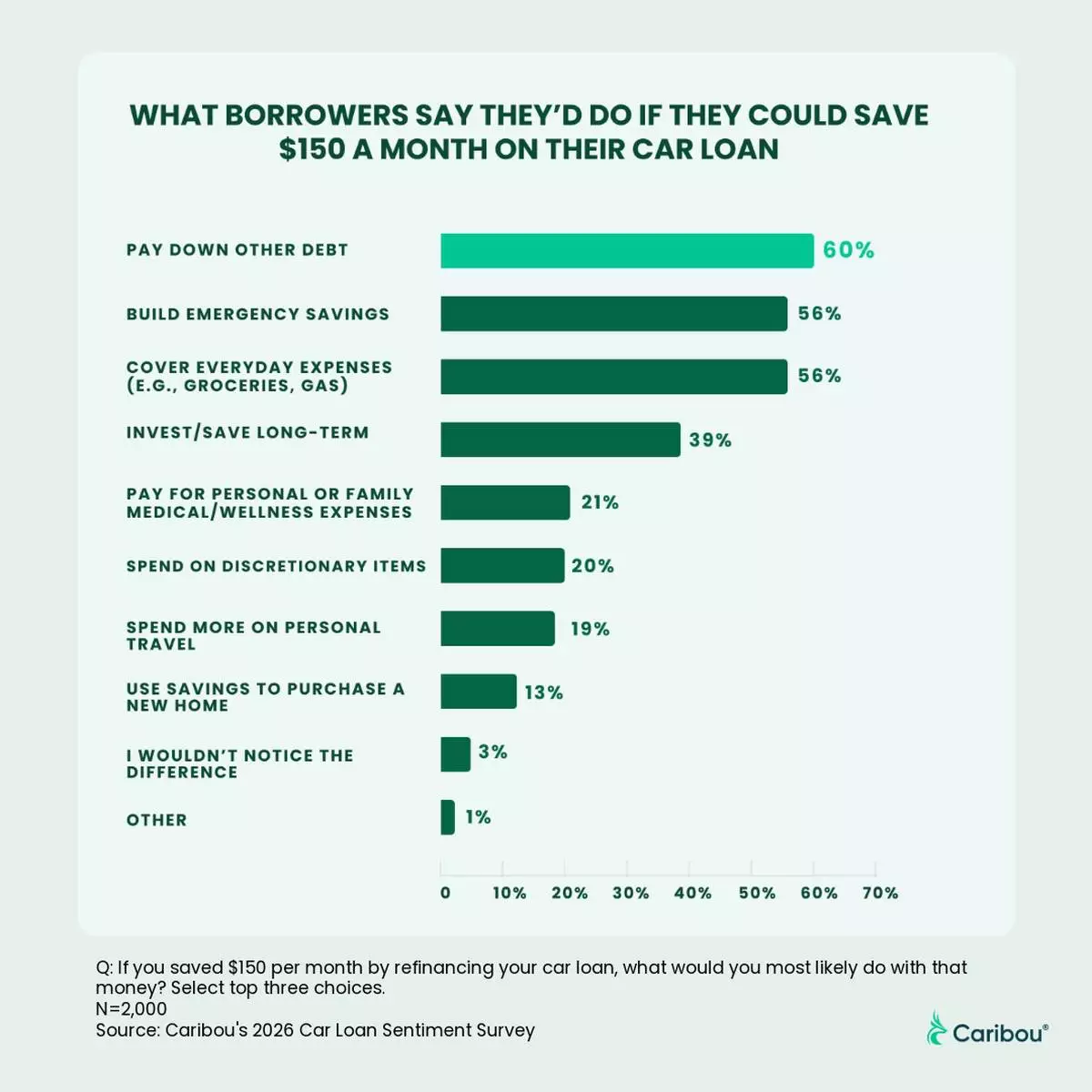
For most car owners, monthly savings on their auto loan would be a lifeline, not a luxury. Financial breathing room would go straight toward stability and survival.
BANGKOK (AP) — Thailand 's government approved emergency funds Tuesday for flood victims amounting to $122 million following a deluge that had battered the country since mid-September, affecting more than 2.6 million people and killing at least 19.
The country's capital, Bangkok, was recovering after days of torrential rains and widespread flooding, but some disruptions remained. Thailand's main airport, which had been struck with flight cancellations, was struggling with a major baggage backlog.
According to government spokesperson Ekkapob Pianpises, the approved funds of 4.1 billion baht would be disseminated by the Interior Ministry to compensate people impacted by the floods nationwide.
Rain has largely stopped in Bangkok, but some neighborhoods, particularly in the east, are still inundated. The city's governor, Chadchart Sittipunt, said traffic should return to normal on most main roads within two days, although in some low-lying areas it could take up to seven days for roads to dry out.
While Bangkok was expected to stay dry, heavy rain was forecast elsewhere in Thailand for Tuesday, the Thailand Meteorological Department said.
Industry Minister Varawut Silpa-archa said the flooding had caused an estimated 22 million baht (about $655,000) in damage to businesses nationwide. Residents in 29 out of Thailand's 76 provinces remained impacted by the floods on Tuesday, officials said. Of the 19 deaths, four took place in Bangkok.
Thai Airways, one of the main airlines handling baggage at Bangkok’s Suvarnabhumi Airport, apologized to affected passengers for a massive luggage backlog, which the airline attributed in part to staff shortages caused by the flooding.
Hundreds of suitcases were seen lining up at the arrivals area on Tuesday. The Thai Air Force said it had sent personnel to the airport to assist with the luggage problem.
“I sincerely apologize to all passengers for the inconvenience caused. Thai Airways is making every effort to ensure that passengers are reunited with their baggage as soon as possible,” said Chai Eamsiri, the airline's CEO.
The airline also canceled more than 10 of its domestic and international flights on Tuesday and Wednesday.
In Bang Kapi, one of Bangkok's hardest hit neighborhoods, residents waded through floodwater, and some used small boats to get around.
A makeshift market was set up on a raised walkway just outside a mall shortly after the flooding, and vendors from a nearby market, where the water remained knee-high, had moved there, selling meat, vegetables and herbs. Music blared from loudspeakers and vendors called out to customers who waded through floodwater or walked through the mall to get to them.
Lon Cheng, a Cambodian vendor who has lived in Thailand for over 20 years, cheerfully called to customers and danced along with the music behind his vegetable stall.
He said he had suffered huge losses in the floods.
“The first day ... I spent about 70,000 baht (about $2,100) and I could sell for only 20,000 baht (about $600),” he said. “It was a big loss, but with losses I still need to sell.”
Neighboring countries have also been battered by the floods. In Myanmar, at least 10 people were killed and dozens were missing after heavy rain triggered widespread flooding and landslides in the southern coastal region of Tanintharyi, local media reported.
Flash floods also struck at least 10 provinces in Cambodia, affecting 44,889 families and forcing nearly 4,000 people to evacuate, according to disaster management officials. At the centuries-old Angkor temple complex, workers were opening water gates and diversion systems to reduce the risk of flooding at the archeological site.
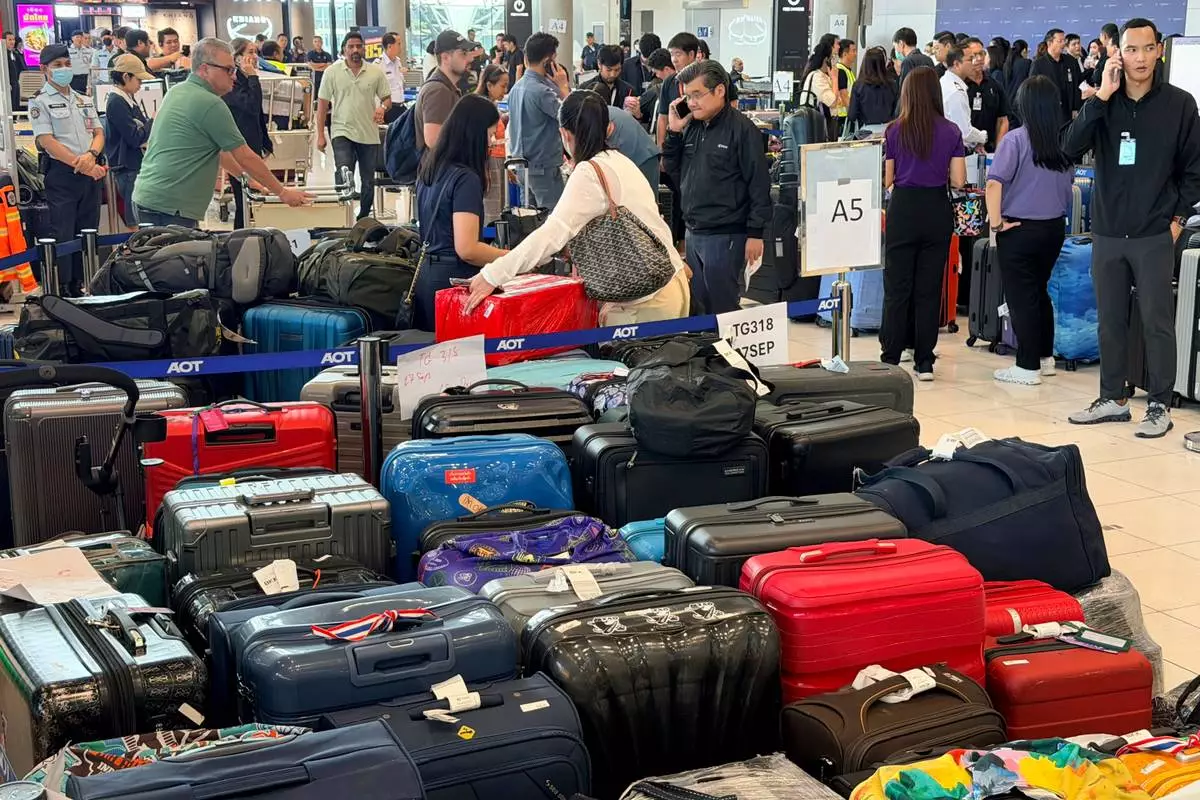
In this photo made from smartphone, rows of undelivered luggage are placed in the arrivals hall at Suvarnabhumi International Airport in Bangkok, Thailand, Tuesday, Sept. 29, 2026, after flooding affected operations. (AP Photo/Celine Rosario)
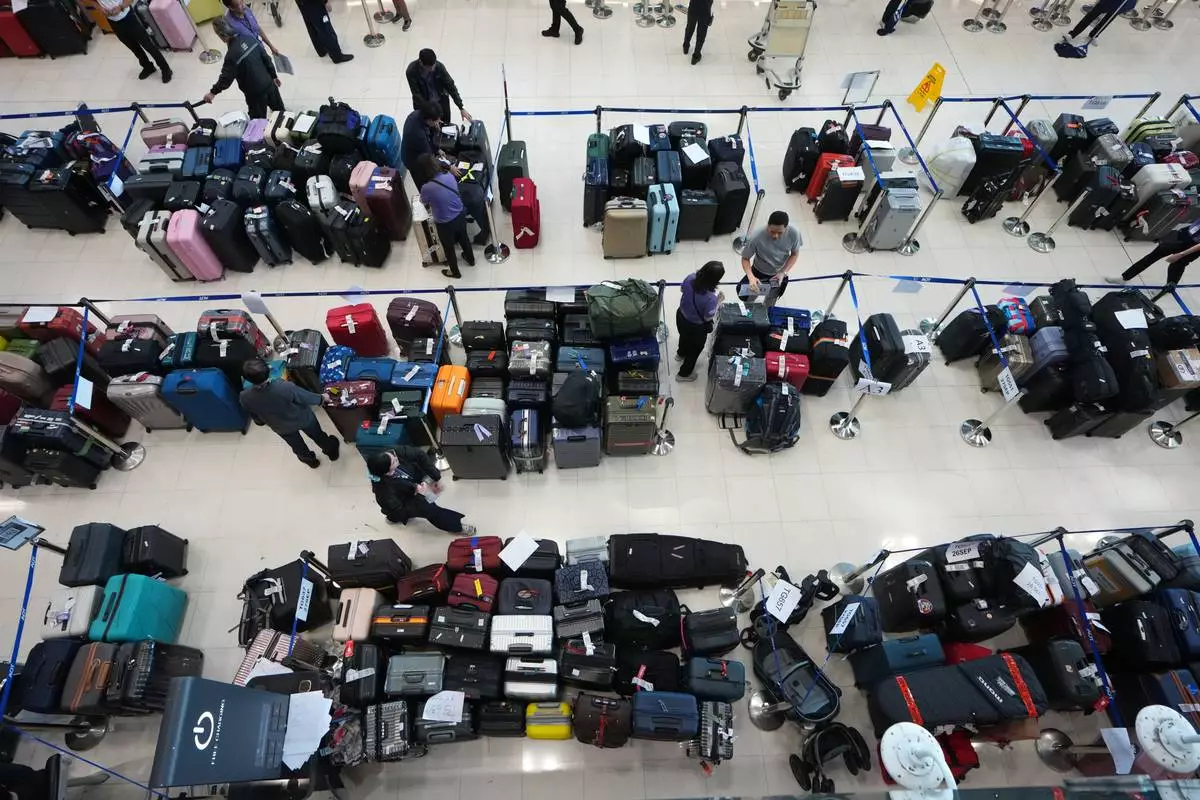
Rows of undelivered luggage are placed in the arrivals hall at Suvarnabhumi International Airport in Samut Prakan, Thailand, Tuesday, Sept. 29, 2026, after heavy rain and floods in Bangkok prevent airport workers from getting to work. (AP Photo/Sakchai Lalit)
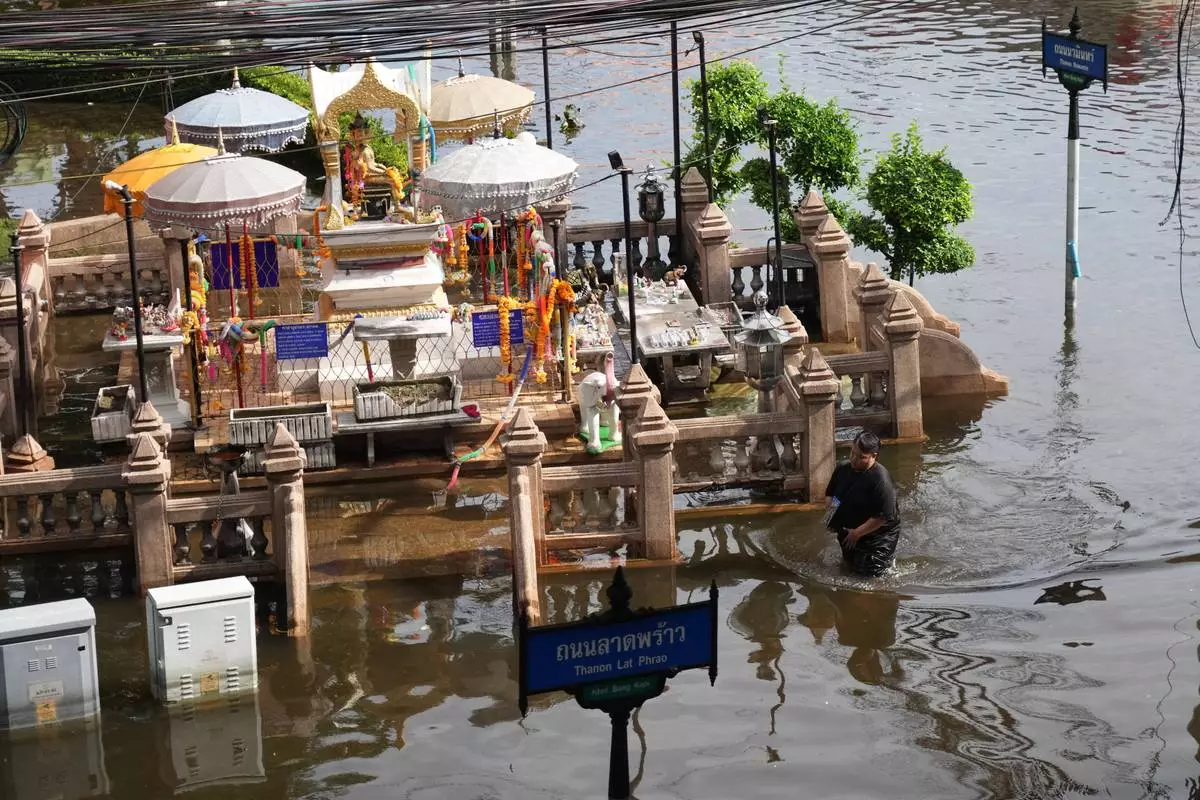
A man wades through floodwaters after heavy rain in Bangkok, Thailand, Tuesday, Sept. 29, 2026. (AP Photo/Sakchai Lalit)
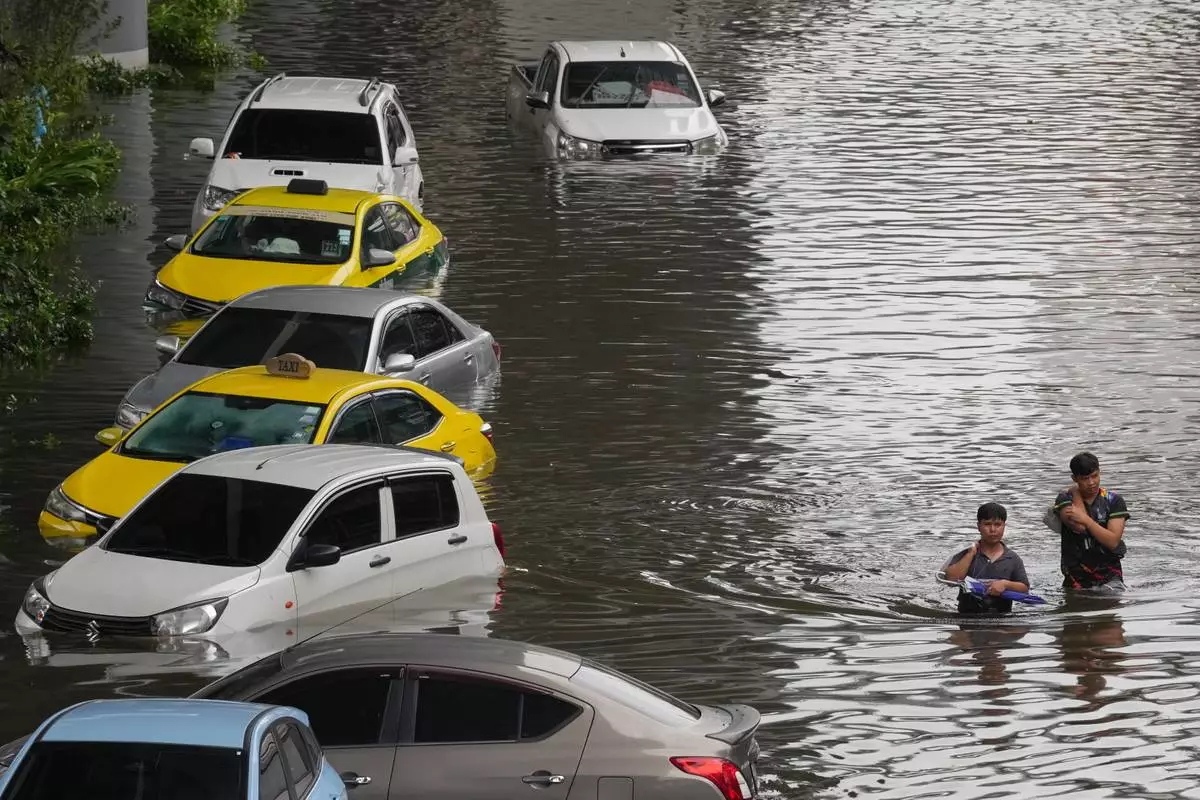
People wade through a flooded street after heavy rain in Bangkok, Thailand, Sunday, Sept. 27, 2026. (AP Photo/Sakchai Lalit)

A man paddles a rubber raft through a flooded street after heavy rain in Bangkok, Thailand, Tuesday, Sept. 29, 2026. (AP Photo/Sakchai Lalit)
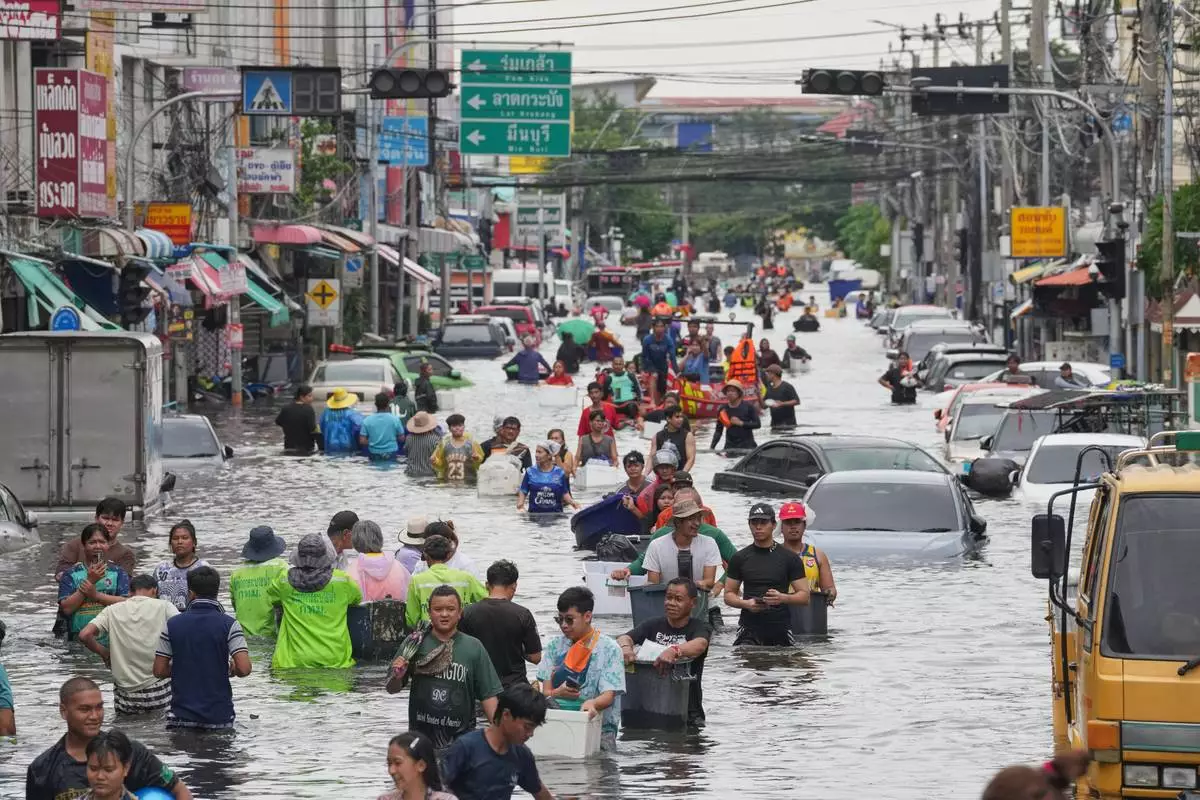
People wade through a flooded street after heavy rain in Bangkok, Thailand, Monday, Sept. 28, 2026. (AP Photo/Sakchai Lalit)
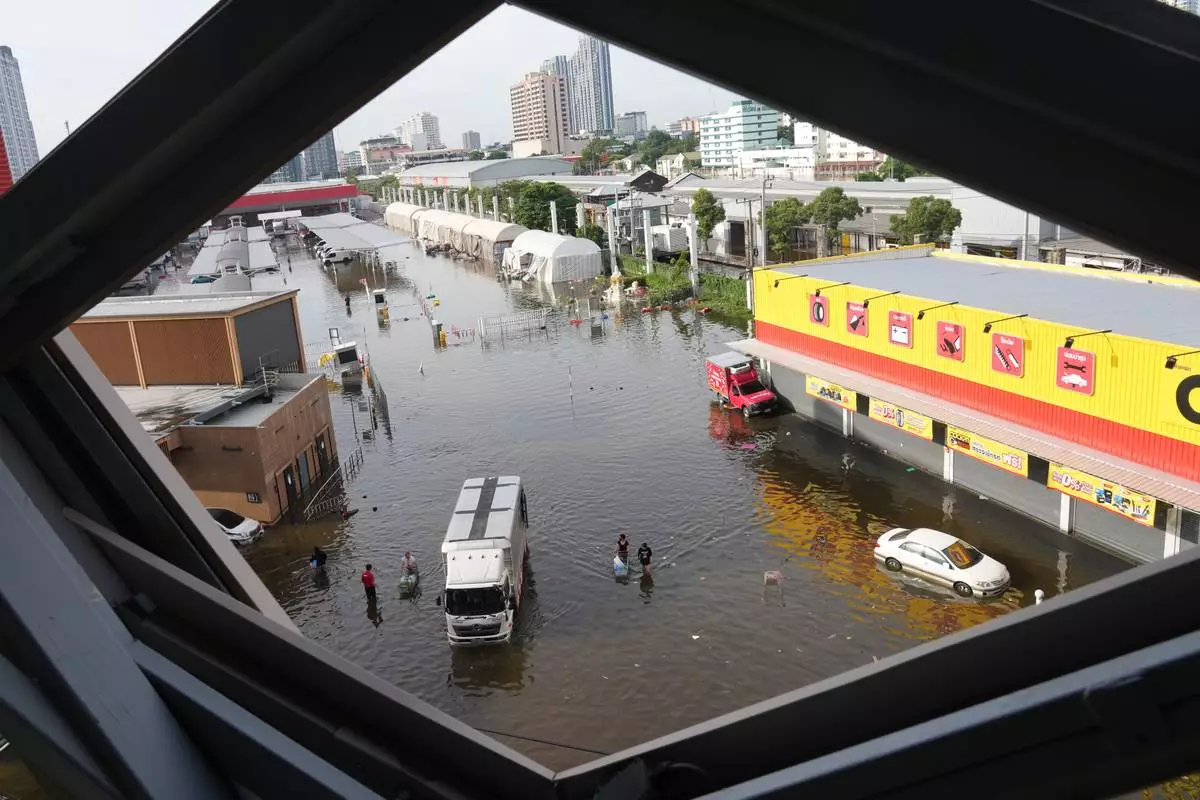
Streets are flooded after heavy rain in Bangkok, Thailand, Tuesday, Sept. 29, 2026. (AP Photo/Sakchai Lalit)