Skip to Content Facebook Feature Image

US lifts hold on immigration applications for doctors, but leaves others waiting

News

US lifts hold on immigration applications for doctors, but leaves others waiting
News

News

US lifts hold on immigration applications for doctors, but leaves others waiting

2026-05-08 12:04 Last Updated At:12:26

Libyan Dr. Faysal Alghoula must renew his green card to continue caring for roughly 1,000 patients in southwestern Indiana, but hasn't been able to since the Trump administration stopped reviewing applications for people from several dozen countries it deemed high-risk.

Alghoula's current visa will expire in September if his application is denied.

More Images
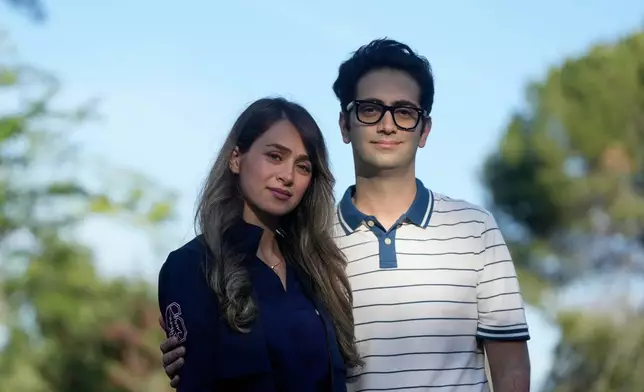
Dr. Zahra Shokri Varniab, left, and her husband, Ashkan Pourabhari Langroudi, pose for a photo Friday, May 1, 2026, in Palo Alto, Calif. (AP Photo/Jeff Chiu)
Dr. Zahra Shokri Varniab, left, and her husband, Ashkan Pourabhari Langroudi, pose for a photo Friday, May 1, 2026, in Palo Alto, Calif. (AP Photo/Jeff Chiu)

Dr. Zahra Shokri Varniab, left, and her husband, Ashkan Pourabhari Langroudi, pose for a photo Friday, May 1, 2026, in Palo Alto, Calif. (AP Photo/Jeff Chiu)

Dr. Zahra Shokri Varniab, left, and her husband, Ashkan Pourabhari Langroudi, pose for a photo Friday, May 1, 2026, in Palo Alto, Calif. (AP Photo/Jeff Chiu)

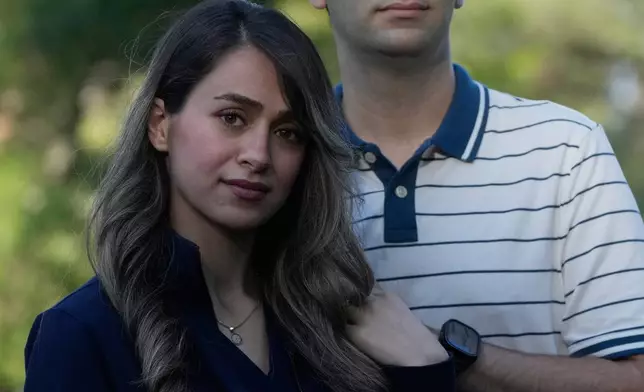
Dr. Zahra Shokri Varniab poses for a photo Friday, May 1, 2026, in Palo Alto, Calif. (AP Photo/Jeff Chiu)
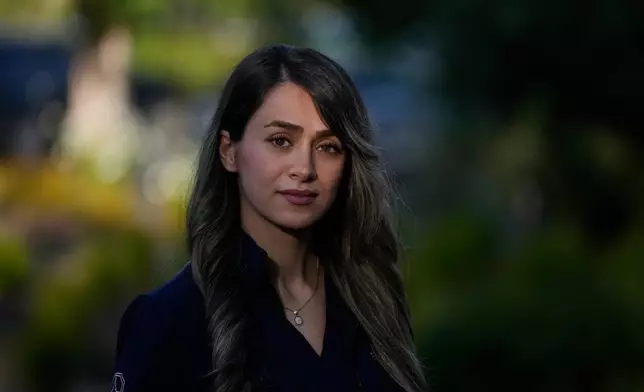
Dr. Zahra Shokri Varniab poses for a photo Friday, May 1, 2026, in Palo Alto, Calif. (AP Photo/Jeff Chiu)

Dr. Zahra Shokri Varniab poses for a photo Friday, May 1, 2026, in Palo Alto, Calif. (AP Photo/Jeff Chiu)

Dr. Zahra Shokri Varniab poses for a photo Friday, May 1, 2026, in Palo Alto, Calif. (AP Photo/Jeff Chiu)

But last week, the administration quietly made an exemption for medical doctors with pending visa or green card applications, possibly allowing Alghoula's case to move forward. It's a move physicians organizations and immigration attorneys had sought for months, citing widespread shortages and a high proportion of foreign-trained doctors, who disproportionately work in underserved areas, according to the National Library of Medicine.

The lack of doctors is top of mind for Alghoula, a pulmonologist and Intensive Care Unit doctor who serves a mostly rural population spanning parts of Indiana, Illinois and Kentucky.

“It is about four to five months wait to get the pulmonologist here,” he said.

Still, applicants and immigration attorneys say its unclear how big a difference the exemption will make. The change means doctors can have their cases reviewed, but it doesn't guarantee their green cards or visas will be renewed. It is also unclear whether U.S. Citizenship and Immigration Services will be able to process those applications in time to meet immigration deadlines like Alghoula's.

Alghoula said he doesn't trust the administration will approve him due to numerous stories about immigrants being detained at appointments to renew their paperwork like the one he has next month.

“I’m still scared to go to my interview,” said Alghoula, who has lived in the U.S. since 2016.

Meanwhile, the pause remains in affect for thousands of others including researchers and entrepreneurs from 39 countries including Iran, Afghanistan and Venezuela. While they’re on hold, many can’t legally work, get health insurance or a driver’s license. If they leave the U.S., they won't be let back in.

The Trump administration decided last year to stop reviewing green card and visa applications for people from a list of countries deemed high-risk and this year stopped reviewing visa applications for citizens of more than 75 countries over concerns they would seek public assistance. The moves came amid the U.S. government's broader crackdown on immigrants.

The pause followed the shooting of two National Guard troops by an Afghan citizen, which the administration said highlighted “what a lack of screening, vetting, and prioritizing expedient adjudications can do to the American people.”

The Department of Homeland Security, which oversees immigration officials, didn’t answer questions about the pause or recent changes to exempt physicians but said in an email it wants to ensure applicants are properly screened after determining the prior administration failed to do so.

“There are lots of bans and lots of pauses that are happening right now,” said Greg Siskind, an immigration attorney based in Memphis, Tennessee. “It is all about making life miserable for people who are here legally so they will choose other countries.”

It isn’t clear how many doctors have been affected by the pause, according to a spokesperson for the American Academy of Family Physicians, who said several doctors have reached out to the organization asking for help.

Before the exemption, many immigrants filed federal lawsuits demanding the government issue decisions on their cases.

One of them was Iranian Dr. Zahra Shokri Varniab, who came to the United States three years ago to conduct radiology research. She was waiting for a green card to attend a residency program but her application got stuck in the pause. She filed a lawsuit demanding an answer to her application and a federal judge ordered immigration officials to review her case.

They did — and denied her. The 33-year-old doctor said she believes it was in retaliation for her lawsuit.

“I feel completely confused,” Shokri Varniab said.

In court filings, U.S. government lawyers wrote that Shokri Varniab's application contained inconsistencies about whether she plans to become a practicing doctor or researcher. She said she plans to do both.

She said the exemption doesn't appear to apply to her since her case was decided but is seeking relief in court.

Immigrants who hold prestigious jobs in science and technology said they currently can't work due to the pause because they're waiting on employment authorization documents. Some said they are running out of money for rent and groceries and worry their careers could be thwarted if they're forced to leave the country.

Those from Iran are especially worried about returning home during the ongoing war with U.S. and Israeli forces. They said they can't regularly reach family due to the Iranian government's Internet blackout or count on them for financial support.

Kaveh Javanshirjavid came to the United States from Iran seven years ago to study for his doctorate in agriculture. He was supposed to start a lab job in January but needs employment authorization and his application is on hold.

The 41-year-old said he’s borrowing from friends to pay rent and relying on his wife’s doctorate stipend for basic necessities. But he doesn’t know how long that will last because she’s also Iranian and will need work authorization to get a job after graduating this summer.

“The whole of my life is on hold,” he said.
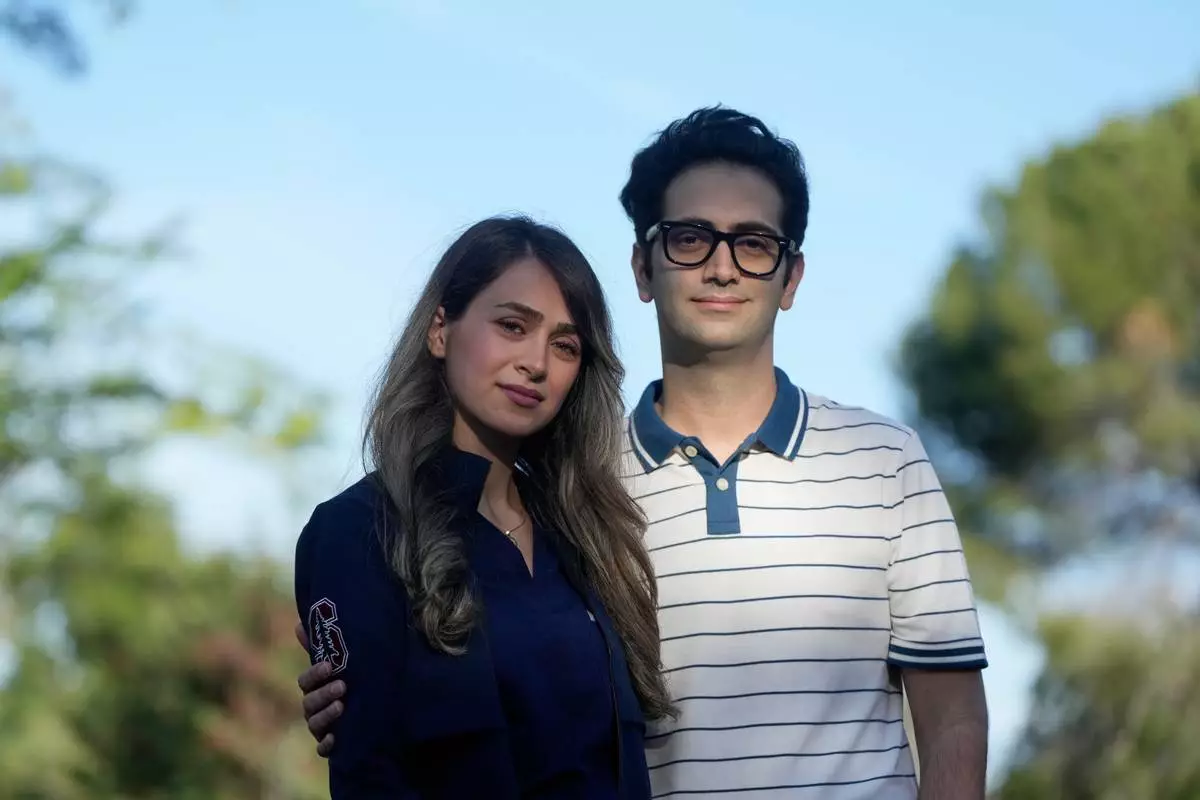
Dr. Zahra Shokri Varniab, left, and her husband, Ashkan Pourabhari Langroudi, pose for a photo Friday, May 1, 2026, in Palo Alto, Calif. (AP Photo/Jeff Chiu)
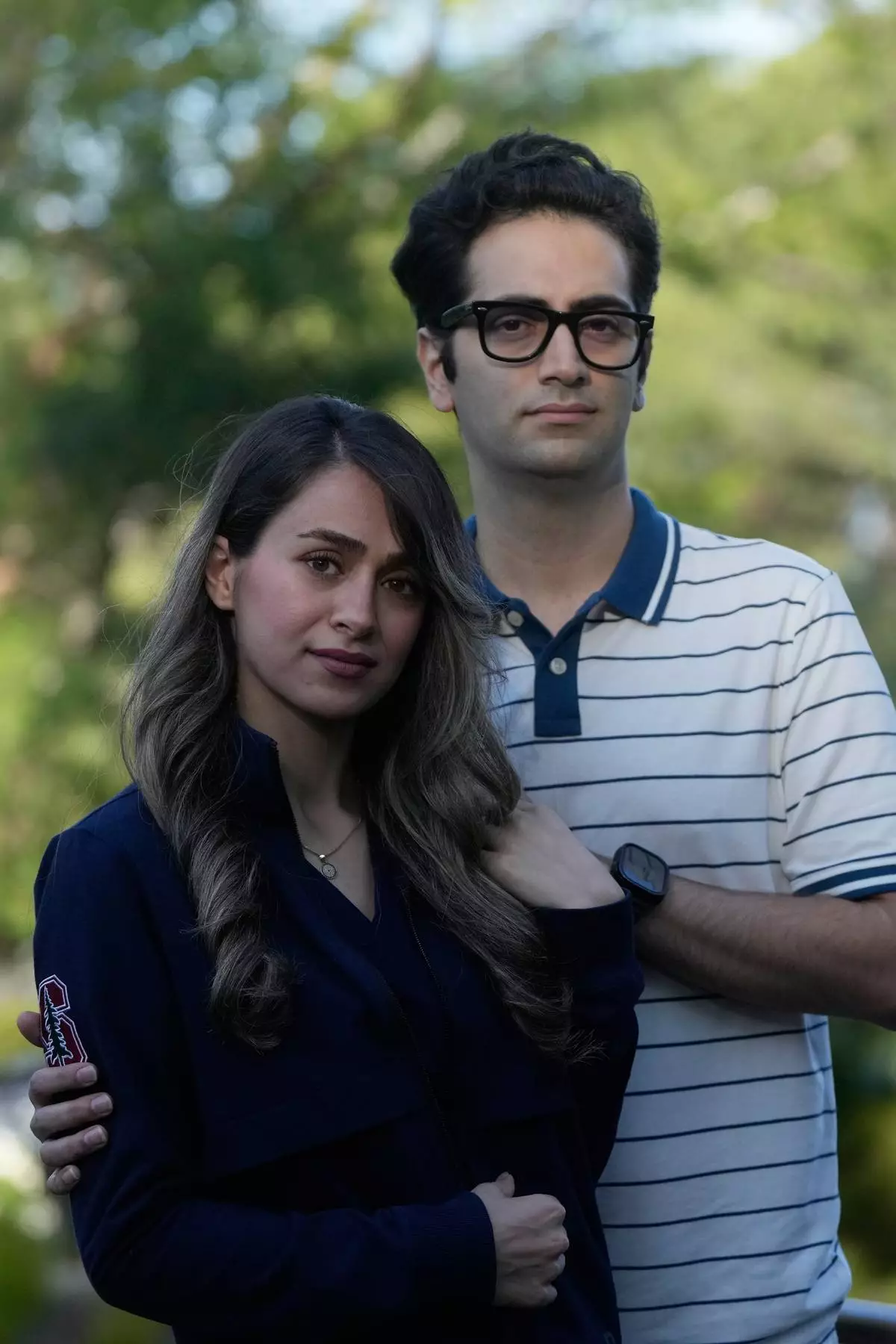
Dr. Zahra Shokri Varniab, left, and her husband, Ashkan Pourabhari Langroudi, pose for a photo Friday, May 1, 2026, in Palo Alto, Calif. (AP Photo/Jeff Chiu)
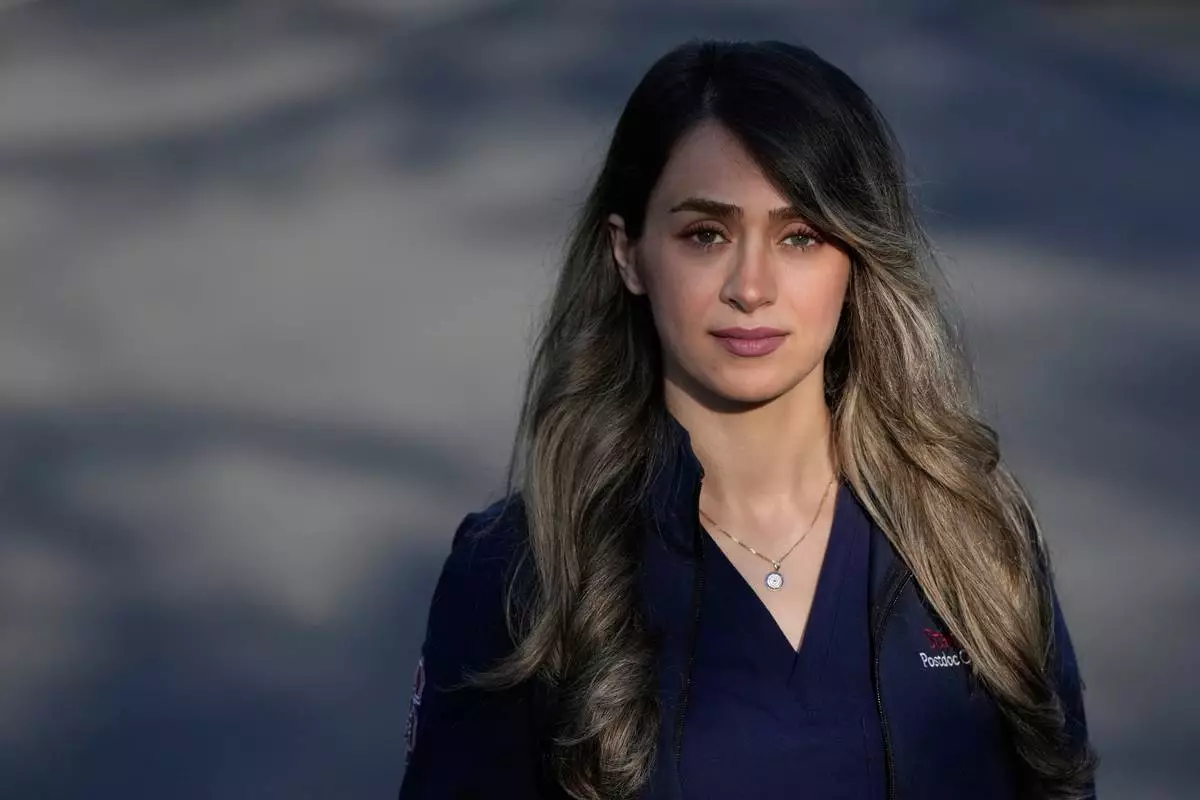
Dr. Zahra Shokri Varniab, left, and her husband, Ashkan Pourabhari Langroudi, pose for a photo Friday, May 1, 2026, in Palo Alto, Calif. (AP Photo/Jeff Chiu)

Dr. Zahra Shokri Varniab, left, and her husband, Ashkan Pourabhari Langroudi, pose for a photo Friday, May 1, 2026, in Palo Alto, Calif. (AP Photo/Jeff Chiu)

Dr. Zahra Shokri Varniab poses for a photo Friday, May 1, 2026, in Palo Alto, Calif. (AP Photo/Jeff Chiu)
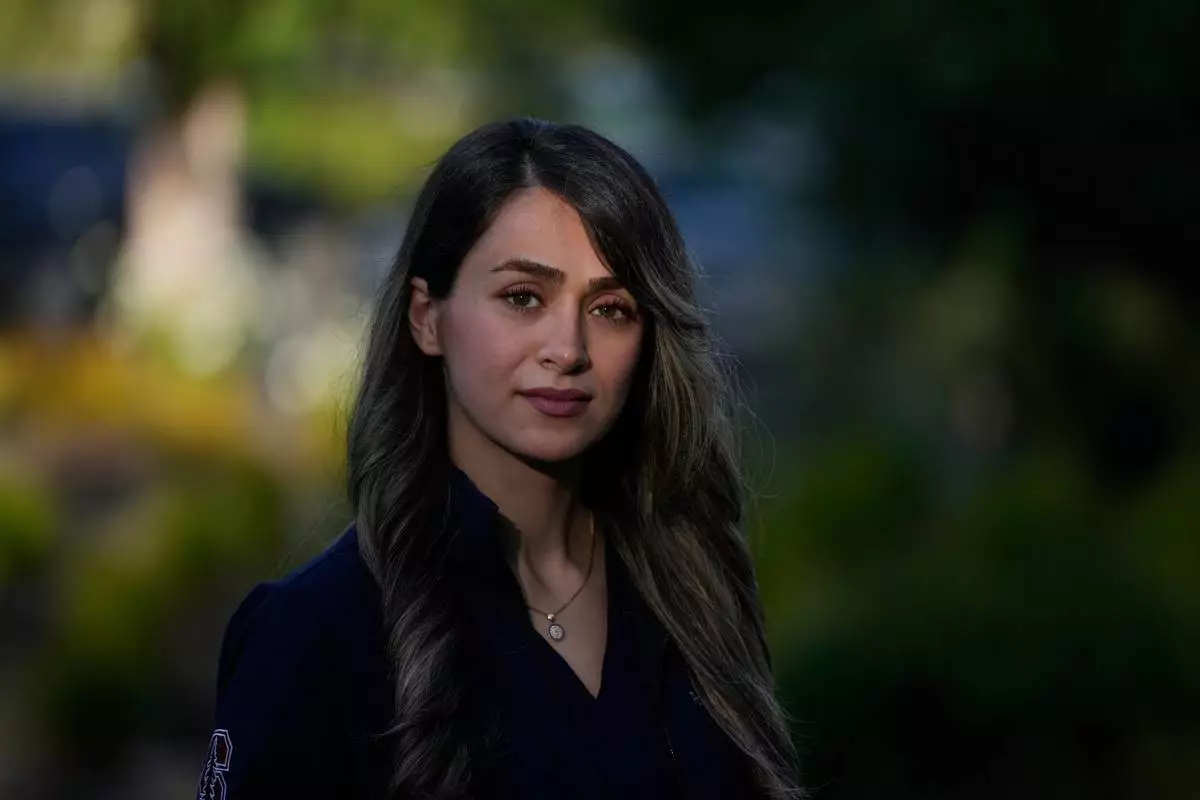
Dr. Zahra Shokri Varniab poses for a photo Friday, May 1, 2026, in Palo Alto, Calif. (AP Photo/Jeff Chiu)

Dr. Zahra Shokri Varniab poses for a photo Friday, May 1, 2026, in Palo Alto, Calif. (AP Photo/Jeff Chiu)

Dr. Zahra Shokri Varniab poses for a photo Friday, May 1, 2026, in Palo Alto, Calif. (AP Photo/Jeff Chiu)

TÓQUIO--(BUSINESS WIRE)--mai 8, 2026--

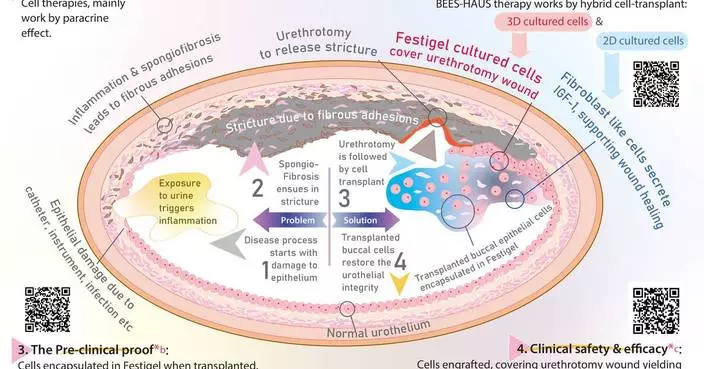
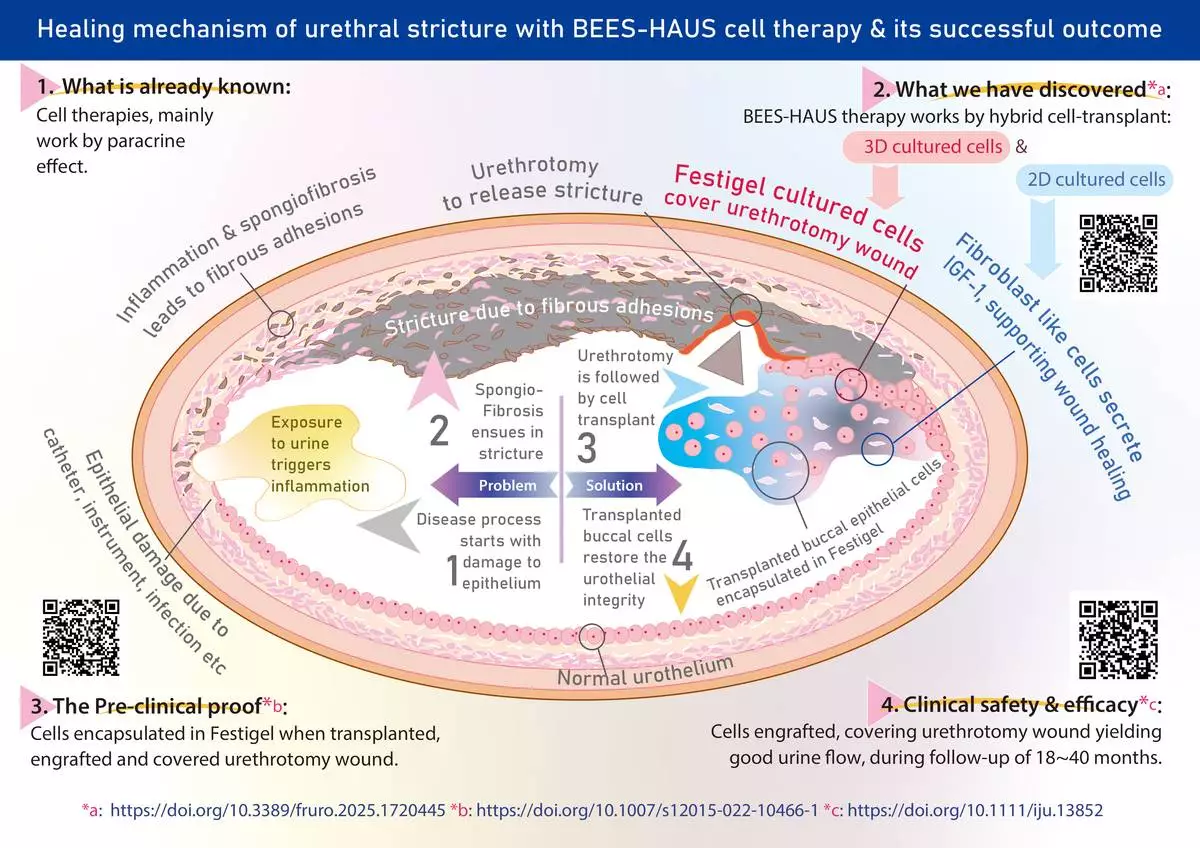
Médicos-cientistas indianos e japoneses relataram uma descoberta científica inovadora: o mecanismo de cicatrização bem-sucedida da estenose uretral com a terapia celular BEES-HAUS. Essa conquista marcante na medicina regenerativa proporciona segurança e eficácia clínicas e é a primeira do gênero a utilizar uma abordagem híbrida que mistura dois grupos de células epiteliais bucais autólogas:um cultivado em 2D e outro em 3D em arcabouço Festigel. No tratamento da estenose uretral, o efeito parácrino do fator de crescimento insulínico tipo 1 (IGF-1) produzido pelas células cultivadas em 2D e o enxerto das células cultivadas em 3D no Festigel, que cobrem a ferida da uretrotomia e, em conjunto, reparam o defeito urotelial, foram publicados na revista Frontiers in Urology. Essa conquista, embora modesta, é uma novidade mundial tanto em termos de engenharia de tecidos in vitro quanto de benefícios clínicos por meio da cicatrização in vivo, restaurando a integridade urotelial. Ela representa um grande avanço por seu potencial de proporcionar qualidade de vida sem a recorrência da estenose a pacientes com problemas de micção, segundo os pesquisadores.

Este comunicado de imprensa inclui multimédia. Veja o comunicado completo aqui: https://www.businesswire.com/news/home/20260506198409/pt/

Já foram relatadas tecnologias de engenharia de tecidos para a criação de órgãos em laboratório, como a uretra. Entretanto, uma solução a longo prazo que evite a recorrência da estenose uretral masculina continua sendo um desafio. A dilatação com balão ou a uretrotomia DVIU expõe o tecido suburotelial à urina, o que desencadeia inflamação, causando esponjofibrose e recorrência da estenose. A cobertura da ferida da uretrotomia, para restaurar a integridade urotelial da uretra afetada pela estenose, atualmente realizada por plastia BMG com uma folha de tecido bucal autólogo, no procedimento BEES-HAUS é feita por meio de transplante celular para estenoses de segmento curto. O procedimento de transplante celular de etapa única ainda mais simplificado, o ‘ BHES-HAUS’, que não requer cultura celular em laboratório e apresenta resultados encorajadores, foi aceito para uma apresentação interativa na reunião da Associação Americana de Urologia, AUA 2026.

Reação inflamatória da uretra provocada por cateterização, instrumentação ou infeção varia entre indivíduos e alguns desenvolvem estenose uretral. Para prever os riscos e desenvolver melhores estratégias de gestão, as seguintes pesquisas futuristas foram iniciadas:

O BEES-HAUS, tendo sido aprovado no Japão de acordo com a Lei sobre Segurança da Medicina Regenerativa, aGN Corporation e a Global Niche Corp., dos EUA, estão abertas a acordos de sublicenciamento e transferência de tecnologia do BHES-HAUS para aplicação clínica após a obtenção de aprovações em todas as partes do mundo.

O texto no idioma original deste anúncio é a versão oficial autorizada. As traduções são fornecidas apenas como uma facilidade e devem se referir ao texto no idioma original, que é a única versão do texto que tem efeito legal.

Ver a versão original em businesswire.com:https://www.businesswire.com/news/home/20260506198409/pt/

CONTACT: Samuel JK Abraham

info@gncorporation.com

KEYWORD: DISTRICT OF COLUMBIA NORTH AMERICA UNITED STATES ASIA PACIFIC INDIA JAPAN

INDUSTRY KEYWORD: HEALTH SURGERY HEALTH TECHNOLOGY RESEARCH SCIENCE BIOTECHNOLOGY

SOURCE: GN Corporation Co Ltd

Copyright Business Wire 2026.

PUB: 05/08/2026 03:16 AM/DISC: 05/08/2026 03:16 AM

http://www.businesswire.com/news/home/20260506198409/pt

Urethral stricture starts with narrowing of a short segment of urethral lumen. At early stages, it is managed by balloon dilatation or DVIU Urethrotomy. The open urethrotomy wound after dilatation or DVIU has to heal from the edges of the wound, which may take a longer time. In BEES-HAUS cell therapy, the cell transplant having proven successful engraftment, covering the urethrotomy wound, yielding clinical safety and efficacy may be considered be included in the treatment guidelines after validation. Its simplified version, the BHES-HAUS (Buccal epithelium Hashed and Encapsulated in Scaffold—Hybrid Approach to Urethral Stricture) accomplished in one-go without need for cell culture in a lab, works on similar principles. After long term follow-up, BHES-HAUS minimally invasive approach may be worth combining with DVIU and balloon dilatation, as it may be able to provide longer duration of recurrence-free, good quality of life without need for intermittent self-catheterization.

Urethral stricture starts with narrowing of a short segment of urethral lumen. At early stages, it is managed by balloon dilatation or DVIU Urethrotomy. The open urethrotomy wound after dilatation or DVIU has to heal from the edges of the wound, which may take a longer time. In BEES-HAUS cell therapy, the cell transplant having proven successful engraftment, covering the urethrotomy wound, yielding clinical safety and efficacy may be considered be included in the treatment guidelines after validation. Its simplified version, the BHES-HAUS (Buccal epithelium Hashed and Encapsulated in Scaffold—Hybrid Approach to Urethral Stricture) accomplished in one-go without need for cell culture in a lab, works on similar principles. After long term follow-up, BHES-HAUS minimally invasive approach may be worth combining with DVIU and balloon dilatation, as it may be able to provide longer duration of recurrence-free, good quality of life without need for intermittent self-catheterization.

Recommended Articles