As world renowned museums are seeking external connections in recent years, Staatliche Kunstsammlungen Dresden has cooperated with WestHK Cultural District, Museums Victoria also signs a cooperation agreement with the Hong Kong Palace Museum at the Hong Kong International Cultural Summit.
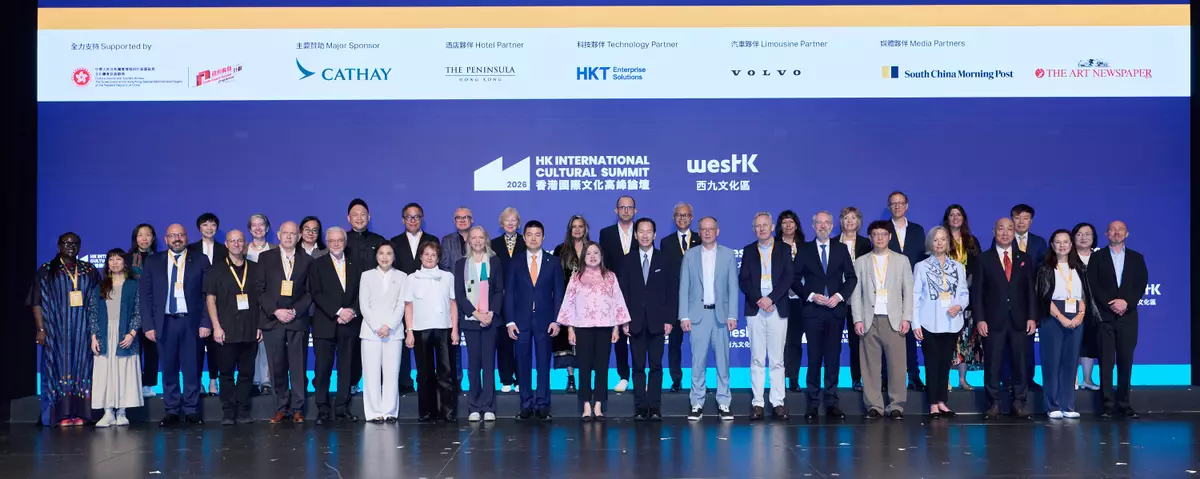
Guest speakers from arts and cultural institutions both in China and abroad, representatives signing letters of intent, and representatives from the West Kowloon Cultural District Authority gathered at the Xiqu Centre to attend the "Hong Kong International Cultural Summit Forum 2026". (Photo provided by the organizers)
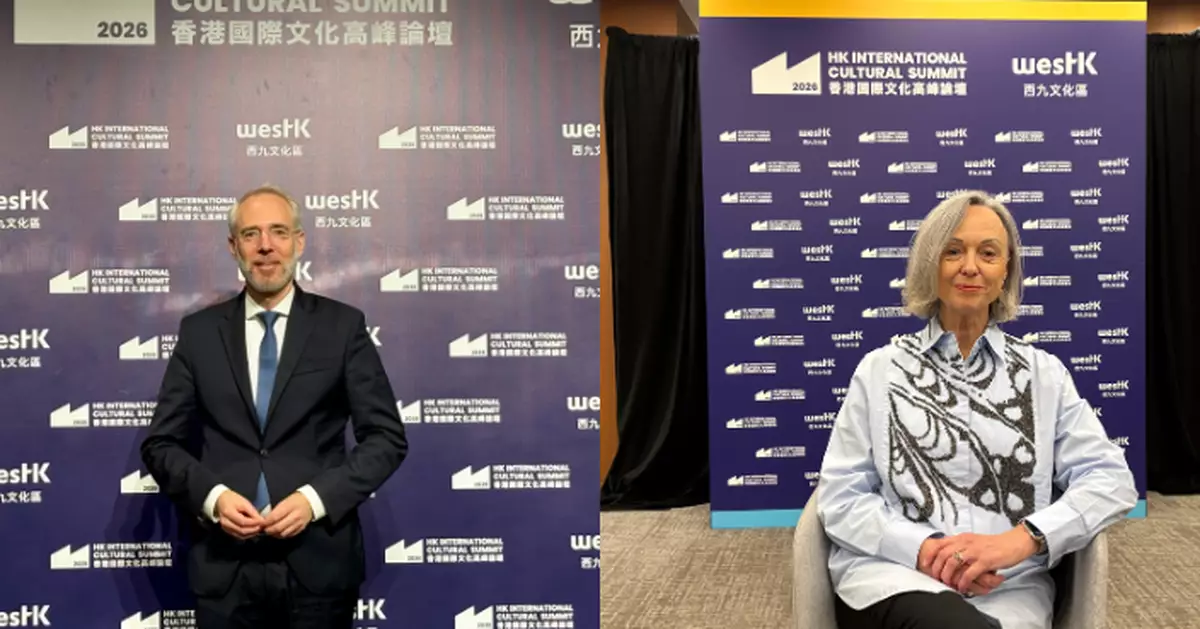
In interviews with Bastillepost, Dr. Bernd Ebert, General Director of Staatliche Kunstsammlungen Dresden in Germany, and Lynley Crosswell, Chief Executive Officer and Director of Museums Victoria in Australia, both point out that museums must be community-based and seize opportunities for innovation and entrepreneurship.
Click to Gallery
Guest speakers from arts and cultural institutions both in China and abroad, representatives signing letters of intent, and representatives from the West Kowloon Cultural District Authority gathered at the Xiqu Centre to attend the "Hong Kong International Cultural Summit Forum 2026". (Photo provided by the organizers)
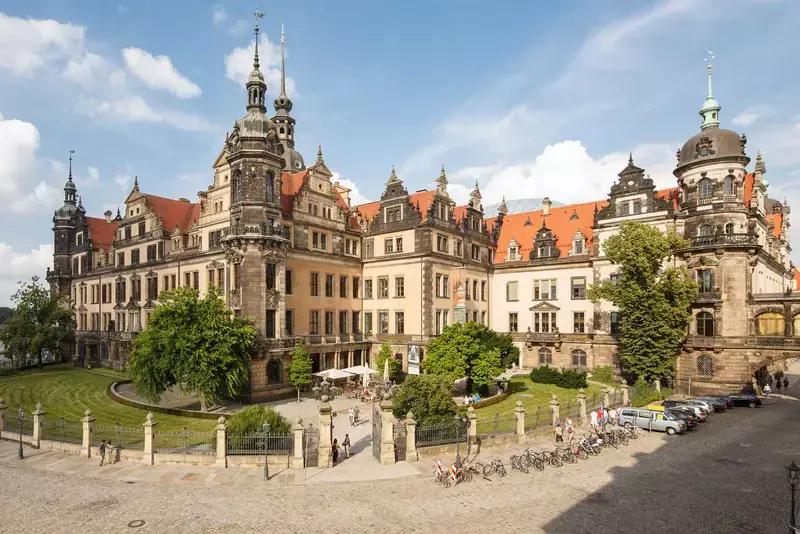
The Dresden Royal Palace, located within Staatliche Kunstsammlungen Dresden in Germany. (Image source: Staatliche Kunstsammlungen Dresden website)
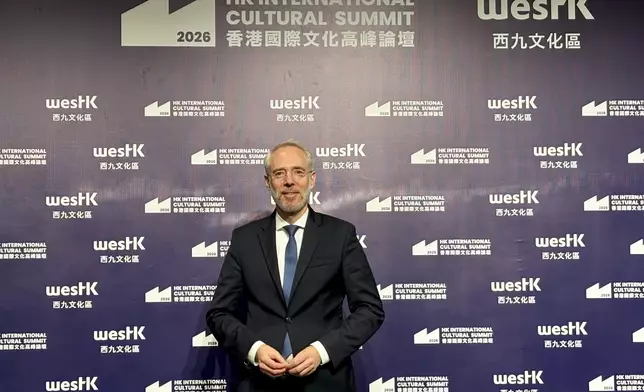
Dr. Bernd Ebert, General Director of Staatliche Kunstsammlungen Dresden. Photo by Bastillepost
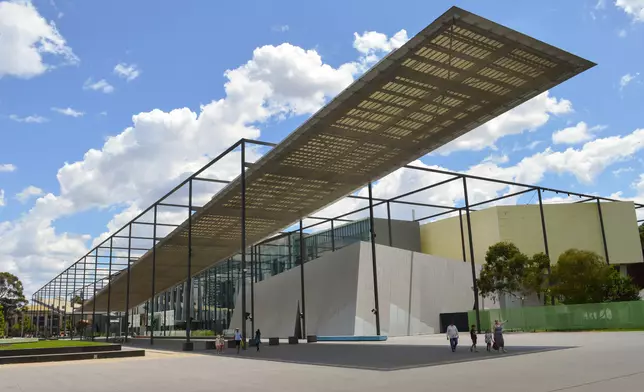
Museums Victoria in Australia, comprises the Melbourne Museum, the Science Exhibition Centre, the Immigration Museum, the Royal Exhibition Building (a UNESCO World Heritage Site), and an IMAX cinema within the Melbourne Museum. It is Australia's largest public museum. (Image source: Museums Victoria website)
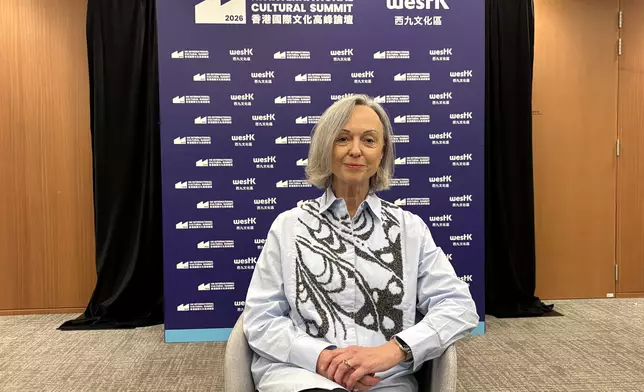
Lynley Crosswell, Chief Executive Officer and Director of Museums Victoria. Photo by Bastillepost
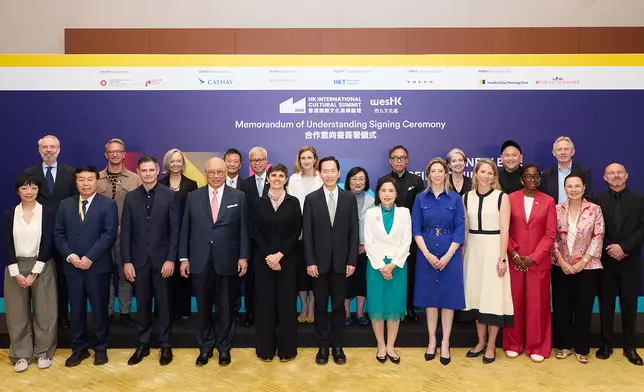
The "Hong Kong International Cultural Summit 2026" is launched with a signing ceremony for a letter of intent for cooperation and a welcome dinner held at the Hong Kong Palace Museum. (Photo provided by the organizers)
Staatliche Kunstsammlungen Dresden, one of the world's most renowned and oldest museums and research institutions, originated from the 16th-century court collection of the Electors of Saxony, particularly the art collection rooms established in the Dresden Royal Palace in 1560. In 2010, Staatliche Kunstsammlungen Dresden celebrated its 450th anniversary.
The Dresden Royal Palace, located within Staatliche Kunstsammlungen Dresden in Germany. (Image source: Staatliche Kunstsammlungen Dresden website)
Bernd Ebert, as the General Director of Staatliche Kunstsammlungen Dresden, participates in a panel discussion on "Entrepreneurship and Innovations in Museums." In an interview with Bastillepost, he states that at Staatliche Kunstsammlungen Dresden, their collaborations with commercial companies go beyond financial sponsorship; they also involve the exchange of ideas on various projects, working together to achieve common goals.
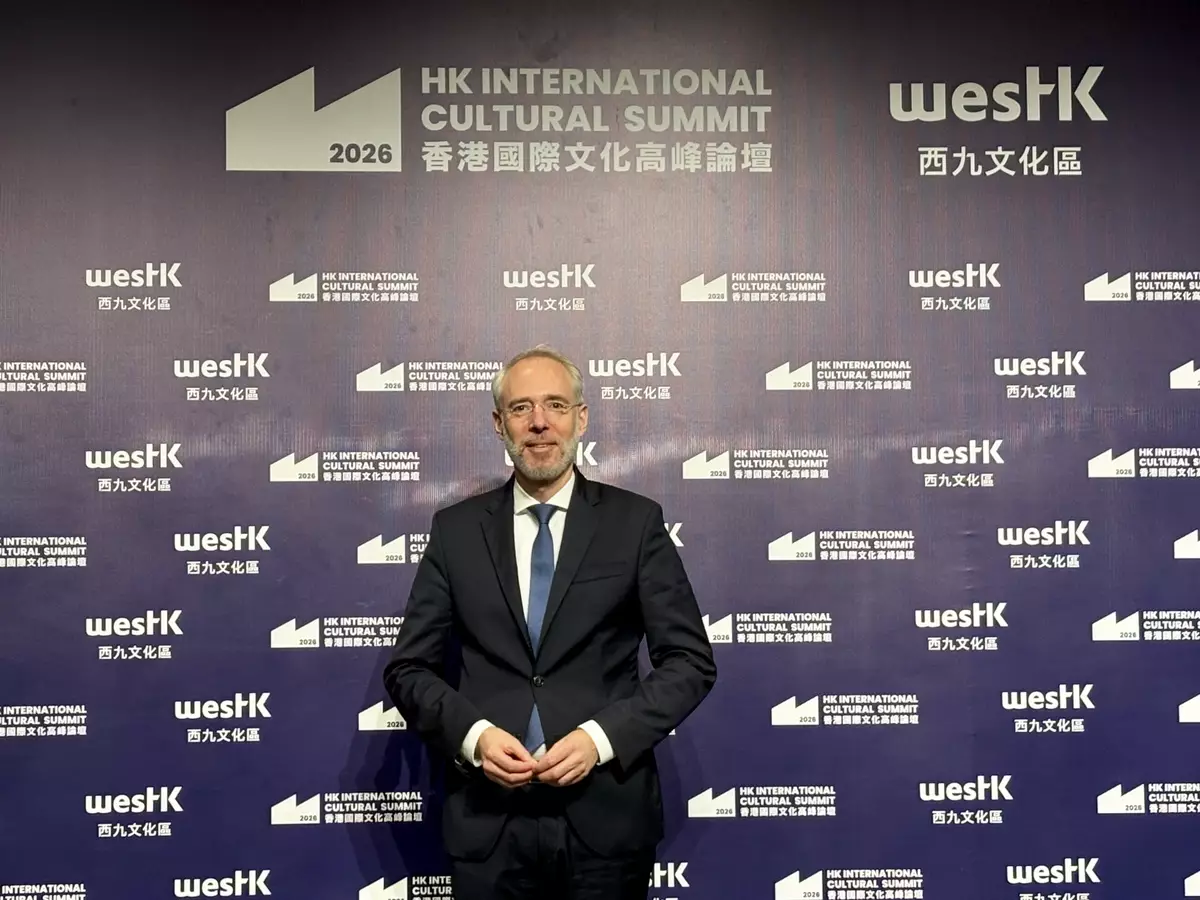
Dr. Bernd Ebert, General Director of Staatliche Kunstsammlungen Dresden. Photo by Bastillepost
Ebert believes that entrepreneurial strategies can bring new opportunities to museums. "For example, we partner with opera houses or universities, which means new customers and clients for museums," Ebert notes. "These people may be interested in music or other specific fields, but this is very effective in attracting new audiences."
According to data jointly released by Chinese and Turkish scholars in June 2025, 14.6% of museum practitioners surveyed believed that artificial intelligence (AI) has many positive impacts, while 87% of participants believed that the use of AI can enhance accessibility and attract different audiences.
To this, Ebert says that his ideal museum would focus more on the exhibits themselves rather than immersive experiences. He explains that most museum exhibits are quite fragile, so AI isn't always necessary to achieve the desired display effect. However, AI can be used in certain cases. For example, the museum has collaborated with universities specializing in science and technology to bring exhibits to life through mechanical and AI technologies. "For instance, we use these technologies in the puppetry collection," Ebert notes.
Museums must protect their collections while also engaging with the public, Ebert emphasizes the crucial importance of maintaining close contact with the public and promoting the collection during the preservation and collection process. He adds that keeping in touch with the public throughout the project is also one of the museum's goals.
Ebert's museum career began in 2005. From 2007 to 2013, as Academic Advisor to the Director General and the Senior Officer for International Relations, coordinating research and scholarship initiatives and leading international cooperation across the collections, he facilitated EU-led collaborative projects involving national museums from China, Japan, the UAE, the US, Brazil, and Georgia.
Ebert believes that collaborations between museums from different countries can yield diverse inspirations, especially with younger cultural institutions like the West Kowloon Cultural District, where experiences can be shared. He points out, "Staatliche Kunstsammlungen Dresden and the West Kowloon Cultural District have a long-standing collaboration, jointly researching collections and sharing cultural knowledge."
Museums Victoria in Australia recently signed a cooperation agreement with the Hong Kong Palace Museum at the Hong Kong International Cultural Summit. The Museum of Victoria, comprising the Melbourne Museum, Science Exhibition Centre, Immigration Museum, the Royal Exhibition Building (a UNESCO World Heritage Site), and the IMAX cinema within the Melbourne Museum, is Australia's largest public museum, attracting over 3 million visitors annually.
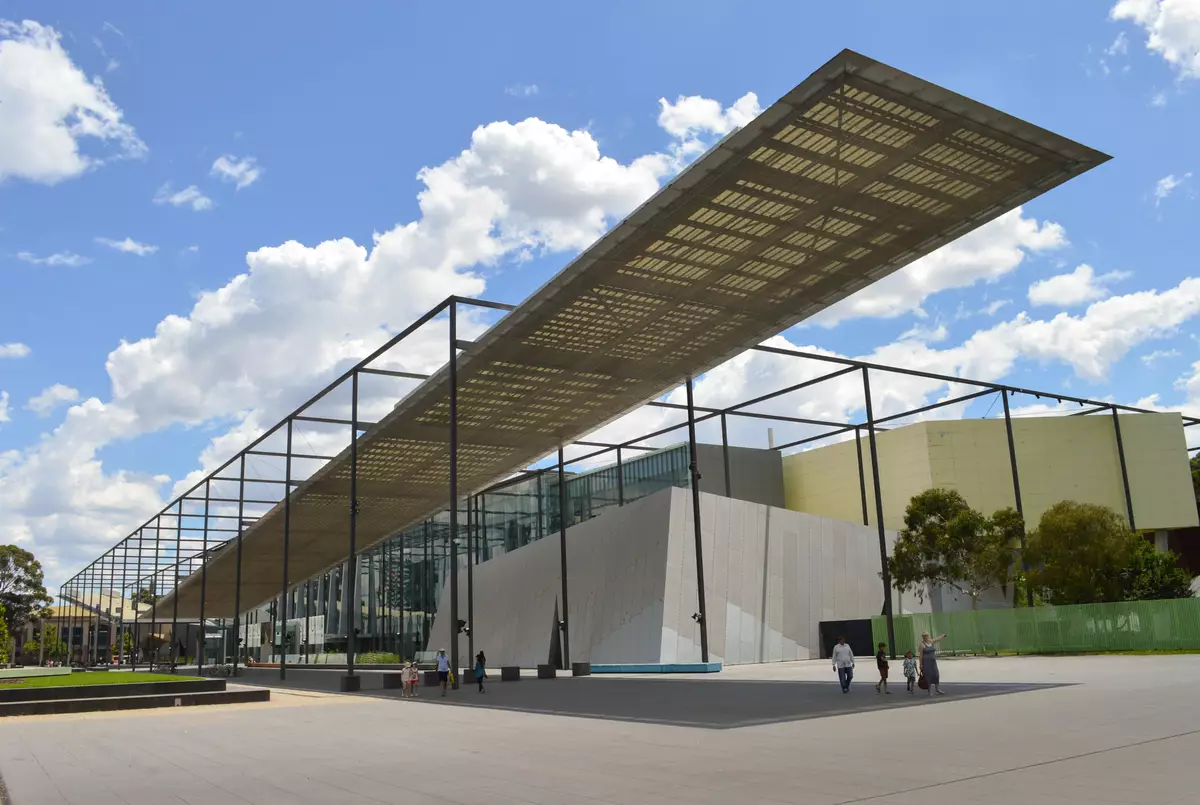
Museums Victoria in Australia, comprises the Melbourne Museum, the Science Exhibition Centre, the Immigration Museum, the Royal Exhibition Building (a UNESCO World Heritage Site), and an IMAX cinema within the Melbourne Museum. It is Australia's largest public museum. (Image source: Museums Victoria website)
"We are very excited to collaborate with the Hong Kong team on future exhibits and exhibitions," says Lynley Crosswell, CEO of Museums Victoria, in an interview. "We hope to co-organize an exhibition in Melbourne within the next 18 months."
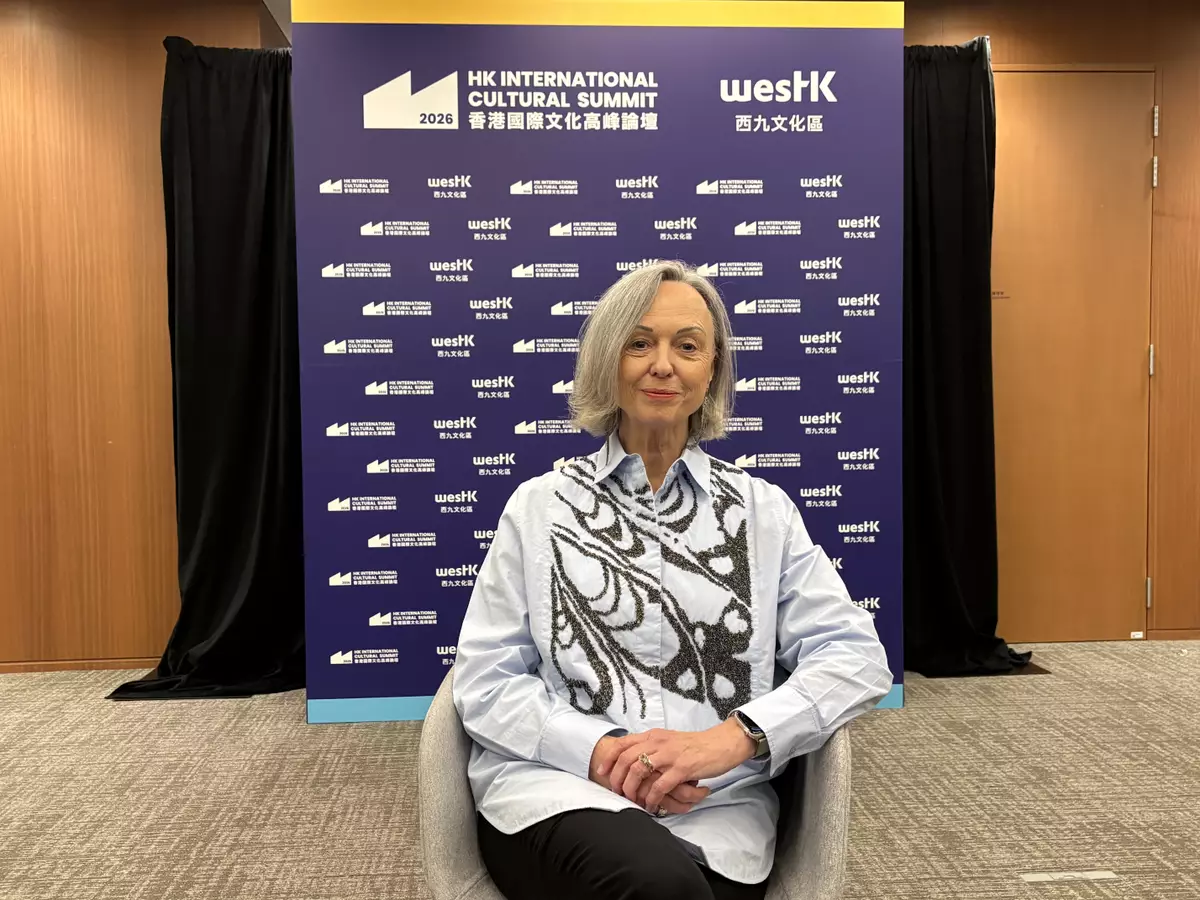
Lynley Crosswell, Chief Executive Officer and Director of Museums Victoria. Photo by Bastillepost
Crosswell believes that the core of a "community-based" museum is to make members of different communities feel a sense of belonging and become part of the museum's exhibits.
Therefore, Museums Victoria collaborated with the Aboriginal communities of Victoria to create the permanent exhibition "First Peoples" at the Bunjilaka Aboriginal Cultural Centre within the Melbourne Museum, an exhibition that has won several awards. Crosswell states that at the outset of the exhibition, they consulted with Aboriginal communities about how they would like their culture to be presented and interpreted. "Understanding the needs and interests of different communities is really important; we use this to determine the content and approach of our presentation," Crosswell says.
To more accurately and comprehensively showcase the various communities within the museum, Crosswell invited members from different communities to share their stories and express their perspectives on relevant issues. "On topics that resonate with all of humanity, such as 'happiness,' we invited seven artists from diverse backgrounds to interpret the theme," Crosswell explaines. "This approach was also used at the Immigration Museum, and it worked very well."
Crosswell notes, "In this ever-changing world, building trustworthy relationships with members of different communities allows us to stand out in a world filled with unrealistic, AI-generated content."
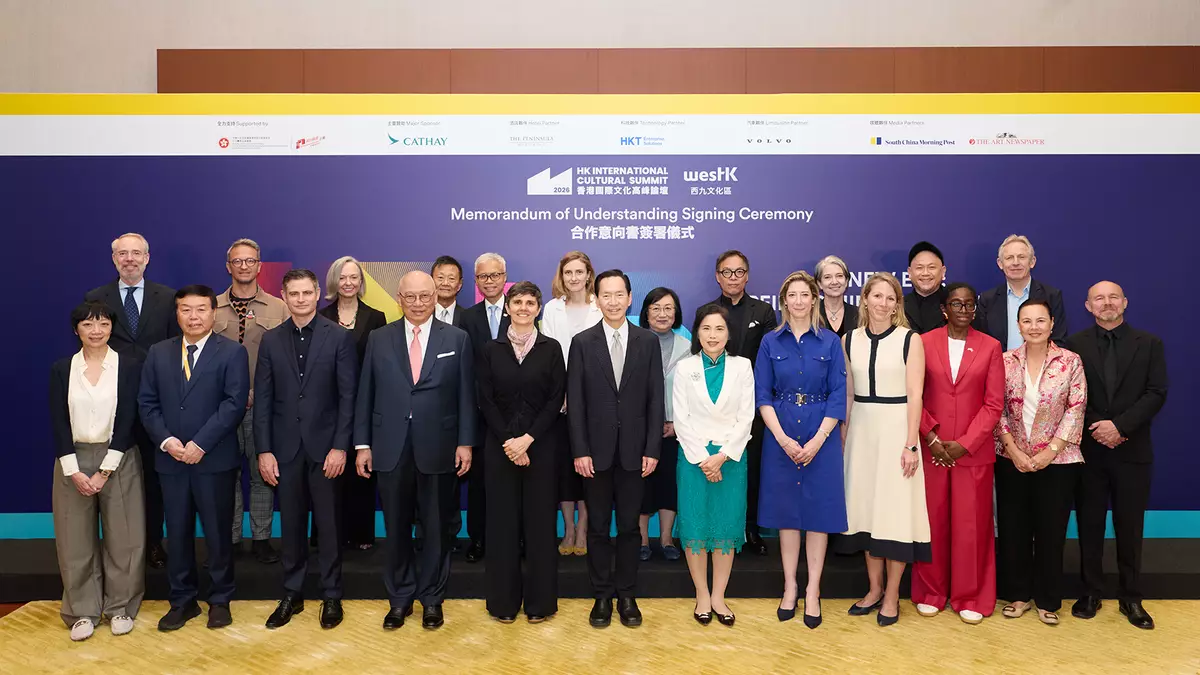
The "Hong Kong International Cultural Summit 2026" is launched with a signing ceremony for a letter of intent for cooperation and a welcome dinner held at the Hong Kong Palace Museum. (Photo provided by the organizers)

DH launches Preparedness and Response Plan for Dengue Fever and Chikungunya Fever and announces latest update on mosquito-borne diseases
The Centre for Health Protection (CHP) of the Department of Health today (May 8) launched the Preparedness and Response Plan for Dengue Fever (DF) and Chikungunya Fever (CF) (the Plan for DF and CF), which outlines the command structure and corresponding control measures for each response level when either of these two mosquito-borne diseases poses a significant threat to public health in Hong Kong. The Plan provides guidance and a basis for the response efforts of various government departments and stakeholders, enabling early risk prevention, the continuous optimisation of response arrangements, and the effective safeguarding of public health. The CHP also announced the latest situation regarding DF and CF.
Preparedness and Response Plan for DF and CF
----------------------------------------------------------
"The Hong Kong Special Administrative Region Government launched the Preparedness and Response Plan for DF (the Plan for DF) in 2019, which outlines contingency arrangements to be implemented should DF pose a significant threat to public health in Hong Kong. The Plan also details follow-up actions to be taken by various government departments and organisations to mitigate the threat to public health. Over the years, relevant departments and organisations have continuously strengthened interdepartmental collaboration in accordance with the Plan for DF, mobilising all sectors to implement various prevention and control measures. This has effectively prevented and managed the risk of DF transmission in Hong Kong. Last year, when the first local case of CF was recorded in Hong Kong, the CHP immediately took comprehensive response actions based on the Plan, successfully preventing a large-scale outbreak. Given that both DF and CF are primarily transmitted by female Aedes mosquitoes, and have similar prevention and control strategies, the CHP has conducted a comprehensive review of the original plan. After consulting with relevant departments, the CHP has updated and revised into the Plan for DF and CF. The updated Plan for DF and CF has been uploaded to the CHP website and distributed to relevant departments and organisations," the Controller of the CHP, Dr Edwin Tsui, said.
"The Plan for DF and CF provides the Government with the core capabilities to swiftly, efficiently and coordinately prevent, detect, control and respond to outbreaks of these two mosquito-borne diseases, thereby safeguarding public health and the health of citizens. The Plan for DF and CF continues to envisage a three-tiered Emergency Response Level (Alert, Serious and Emergency). Based on the latest scientific evidence and the impact of the diseases on the community, the Government will assess risks to determine whether to activate or deactivate the relevant levels and implement corresponding prevention and control measures. Relevant organisations should also refer to this Plan for DF and CF when formulating their own contingency plans," he added.
Dengue fever
----------------
From May 1 to yesterday (May 7), no new cases of DF had been recorded.
Hong Kong has recorded 17 DF cases so far this year, including 16 imported cases and one local case. A total of 59 DF cases were recorded last year (2025), all of which were imported cases. In 2024, 161 DF cases were recorded, including 156 imported cases and five local cases.
According to the World Health Organization (WHO), the global incidence of DF has markedly increased over the past two decades, posing a substantial public health challenge. In 2024, the WHO recorded over 14 million cases, which was a record number. From January to July 2025, over 4 million cases and over 3 000 DF-related deaths were reported in 97 countries/territories.
DF is prevalent in many neighbouring tourist destinations. In 2025, Indonesia, India and Vietnam each recorded over 120 000 cases; Malaysia and Thailand each recorded over 50 000 cases; and Singapore recorded over 4 000 cases. Meanwhile, as of May 3, the Guangdong Provincial Center for Disease Control and Prevention recorded 86 cases in Guangdong Province this year, including six locally infected cases. Guangdong Province recorded over 3 500 locally infected cases in 2025.
Detailed information on the latest DF situation in Hong Kong, as well as neighbouring and overseas countries and areas, has been uploaded to the CHP's website.
Chikungunya fever
-----------------------
From May 1 to yesterday, no new cases of CF had been recorded. Hong Kong has recorded two confirmed CF cases so far this year, both of which were imported cases. Hong Kong recorded a total of 82 confirmed CF cases last year. Among them, 11 were local cases, and the rest were imported cases.
In 2025, a total of 502 264 CF cases and 186 CF-related deaths have been reported in 41 countries/territories. Cases have been reported in the Americas, Africa, Asia, and Europe. Meanwhile, as of May 3, the Guangdong Provincial Center for Disease Control and Prevention recorded four cases in Guangdong Province this year, including one locally infected case.
Preventive measures to be taken by the public
----------------------------------------------------
According to the latest surveillance data from the Food and Environmental Hygiene Department (FEHD), the mosquito infestations in Hong Kong worsened in April. In addition, the average temperature and rainfall in April this year were higher than those of the same period last year, creating favourable conditions for mosquito growth and breeding. Therefore, the CHP reminded members of the public to maintain good environmental hygiene, and to take appropriate measures to prevent mosquito bites and mosquito breeding, both in Hong Kong and when travelling to areas affected by mosquito-borne diseases, in order to prevent mosquito-borne diseases.
Mosquito-borne diseases such as DF and CF are endemic in various countries worldwide. The risk of importation persists. Members of the public should check the situation at their destinations before travelling abroad, especially when travelling to Southeast Asian countries. Additionally, whether travelling or not, members of the public should use DEET-containing insect repellents or other effective active ingredients properly to prevent mosquito bites, but the following precautions should be taken when using them:
- read the label instructions carefully first;
- apply right before entering an area with a risk of mosquito bites;
- apply on exposed skin and clothing;
- use DEET of up to 30 per cent for pregnant women and up to 10 per cent for children (for children who travel to countries or areas where mosquito-borne diseases are endemic or epidemic, and where exposure is likely, those aged 2 months or above can use DEET-containing insect repellents with a DEET concentration of up to 30 per cent);
- apply sunscreen first, then insect repellent;
- reapply only when needed and follow the instructions; and
- in addition to DEET, there are other insect repellents available on the market containing different active ingredients, such as IR3535 and picaridin. When using any insect repellent, the public should follow the usage instructions and precautions on the product label.
The FEHD also appeals to members of the public to continue to stay alert and work together to carry out mosquito prevention and control measures early, including inspecting their homes and surroundings to remove potential breeding grounds, changing water in vases and scrubbing their inner surfaces, removing water in saucers under potted plants at least once a week, and properly disposing of containers such as empty cans and lunch boxes. The FEHD also advises members of the public and property management agencies to keep drains free of blockage and level all defective ground surfaces to prevent the accumulation of water. They should also scrub all drains and surface sewers with an alkaline detergent at least once a week to remove any mosquito eggs.
The public should call 1823 in case of mosquito problems, and may visit the following pages for more information: the CF page of the CHP and the Travel Health Service, the latest Travel Health News,tips for using insect repellents, and the CHP Facebook Page, Instagram Account and YouTube Channel, and also the Mosquito Prevention and Control dedicated page of the FEHD.
The Centre for Health Protection (CHP), Photo source: reference image