BANGKOK (AP) — Ship operators rely on a sludgelike substance known as bunker fuel to keep vessels running. The Iran war 's closure of the Strait of Hormuz has choked off the supply of this fuel that powers the global maritime industry and its largest refueling hub in Asia.
Bunker fuel is a literal bottom of the barrel product: heavier and dirtier than the more expensive kinds of refined crude oil used by other vehicles like cars and airplanes, it sinks to the bottom of storage containers.
Click to Gallery
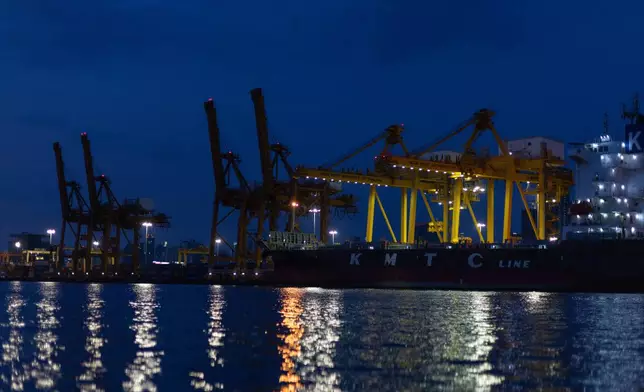
Night lights from Khlong Toei Pier shimmer on the Chao Phraya River in Bangkok, Thailand on Jan. 3, 2026. (AP Photo/Anton L. Delgado)
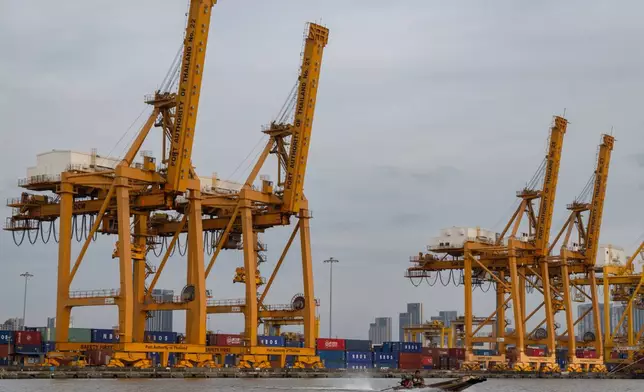
A small boat splashes past a row of ship-to-shore cranes at Khlong Toei Pier in Bangkok, Thailand on Jan 3, 2026. (AP Photo/Anton L. Delgado)
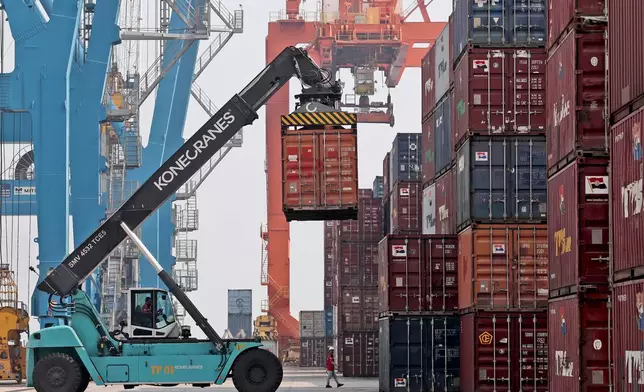
FILE - A stacker organizes containers at the terminal of Indonesia Port Corporations at the container Tanjung Priok Port in Jakarta, Indonesia, on Oct. 8, 2021. (AP Photo/Tatan Syuflana, File)
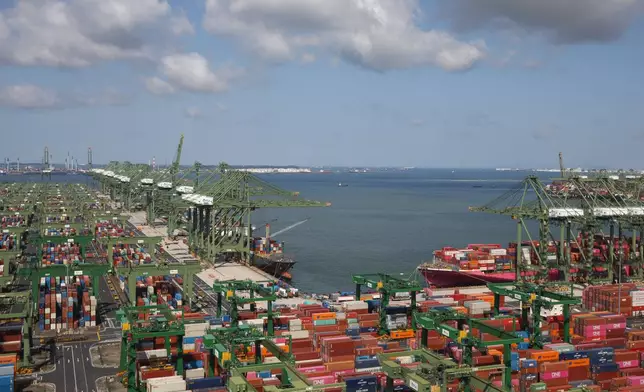
FILE - A view of the Port of Singapore Authority's Pasir Panjang Terminal is pictured on July 25, 2023. (AP Photo/Anton L. Delgado, File)
FILE - Tugboats assist a container ship as it prepares to dock at the Manila International Container Terminal at the Philippine capital April 8, 2025. (AP Photo/Aaron Favila, File)
But it helps move the 80% of globally traded goods that are transported by sea, and experts say that means a shortage of bunker fuel will translate to higher shipping costs, increase consumer prices and hurt the bottom lines of businesses worldwide.
That will be an issue first in Asia, which relies heavily on Middle Eastern oil. In Singapore, the world’s biggest refueling hub for bunker fuel, reserves are dwindling and prices are spiking.
Shipping companies are trying to adapt to the energy shock, reducing vessel speeds and revising schedules to cut costs in the short term while making plans to acquire ships that can run on alternative fuels.
But some companies won’t survive this triage for long, according to Henning Gloystein of the Eurasia Group consultancy firm, who warned that the pain will spread beyond Asia through global supply chains.
Asia, which was hit first and hardest by the energy shock, has adopted various forms of “energy triage " to cope, increasing its use of coal, buying more crude oil from Russia and reviving plans to develop nuclear power.
But Asia is bracing for further impacts as energy reserves dwindle and government subsidies dry up.
More than half of global seaborne trade moved through Asian ports in 2024, according to United Nations data, so what happens there will have global consequences.
For now, Singapore's supplies of bunker fuel have held up even as the price races up.
But the prolonged cutoff from major sources of the heavier crude oil needed for bunker fuel, like Iraq and Kuwait, will cause shortages, said Natalia Katona of the commodity site OilPrice.
“We just see the price in Singapore going up, up, up,” Katona said.
Before the war, bunker fuel in Singapore cost about $500 per metric ton ($450 per U.S. ton). That went up to more than $800 ($725 per U.S. ton) as of early May.
Shipping companies are absorbing the brunt of the costs for now, said June Goh, an oil analyst for market intelligence firm Sparta Commodities, but this may soon "pass on to the customers.”
The daily cost of the Iran war for the global shipping industry is 340 million euros (nearly $400 million), according to the European Federation for Transport and Environment.
“Bunker fuel shortages tend to feed through to shipping costs more quickly than many other cost pressures,” said Oliver Miloschewsky of risk consultancy firm Aon.
Individual product impact may appear incremental but the cumulative effect of higher shipping costs “can ripple across supply chains and ultimately influence consumer prices across a broad range of sectors," he said.
Singaporean consumers are also feeling the pinch in other ways as local ferries increase fares and luxury cruise liners tack on fuel surcharges.
Shippers have limited choices to deal with the situation, Miloschewsky said. They can pay more for fuel or implement fuel-saving measures like slowing shipping or suspending voyages.
The average speed of bulk carriers and container ships has slowed globally by around 2% since the war began on Feb. 28, industry group Clarksons Research reported.
High prices are also driving more interest in green fuels, said Håkan Agnevall of marine and energy technology manufacturer Wartsila.
The good news is the technology to create lower-emitting fuels exists, he said. The bad news is production isn't yet at scale and greener fuels are often more expensive.
Though U.S. President Donald Trump derailed efforts to shift global shipping away from fossil fuels in 2025, Agnevall said the current conflict could prompt strategically minded companies and countries to renew their push toward greener alternatives.
Rising fossil fuel prices are narrowing the cost gap. “That improves the business case for green fuels,” he said.
The Caravel Group owns one of the world’s largest ship management companies, Fleet Management Limited, which oversees more than 120 shipbuilding projects.
About a third of ships that the company is managing the construction of will be “dual fuel capable,” meaning they can run on both conventional bunker fuel and alternatives such as liquefied natural gas, CEO Angad Banga told The Associated Press.
Ship owners are willing to pay a premium to have vessels that can switch between fuels because “in a volatile environment optionality has a measurable economic value,” he said.
Alternative fuels are not yet as flexible as conventional bunker fuel, Banga said. While there are more than 890 LNG-fueled vessels in operation globally, a lack of supporting infrastructure has created bottlenecks for them.
But the industry is catching up and limits on bunker fuel are driving even more interest in LNG-capable ships, he said. “That progress is real."
Chan reported from Hong Kong.
The Associated Press’ climate and environmental coverage receives financial support from multiple private foundations. The AP is solely responsible for all content. Find the AP’s standards for working with philanthropies, a list of supporters and funded coverage areas at AP.org.
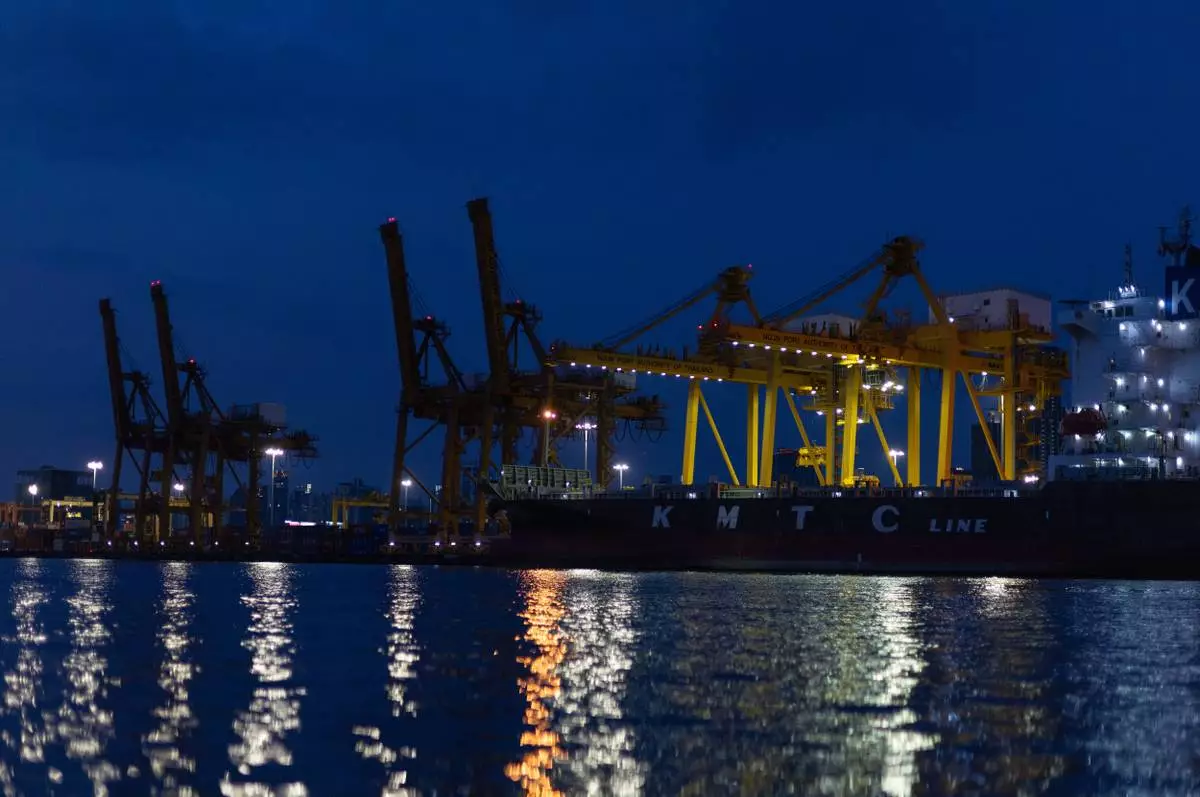
Night lights from Khlong Toei Pier shimmer on the Chao Phraya River in Bangkok, Thailand on Jan. 3, 2026. (AP Photo/Anton L. Delgado)
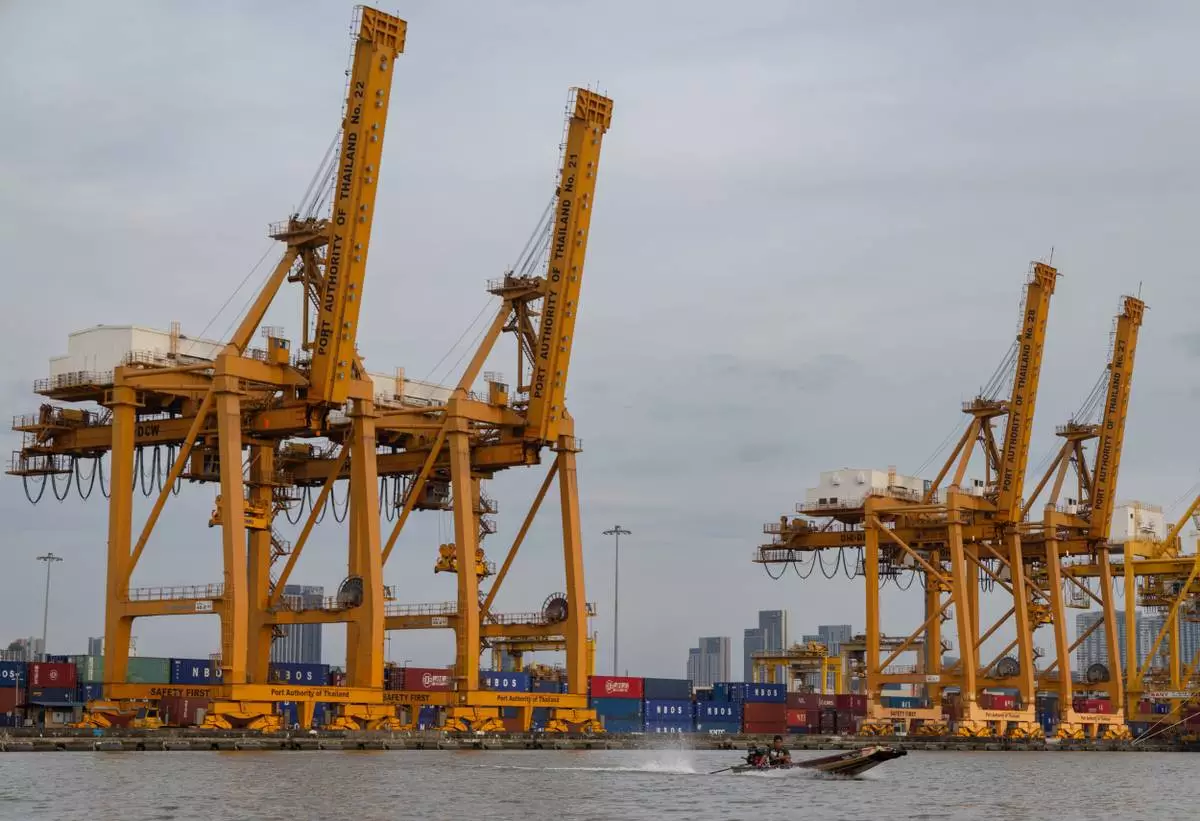
A small boat splashes past a row of ship-to-shore cranes at Khlong Toei Pier in Bangkok, Thailand on Jan 3, 2026. (AP Photo/Anton L. Delgado)
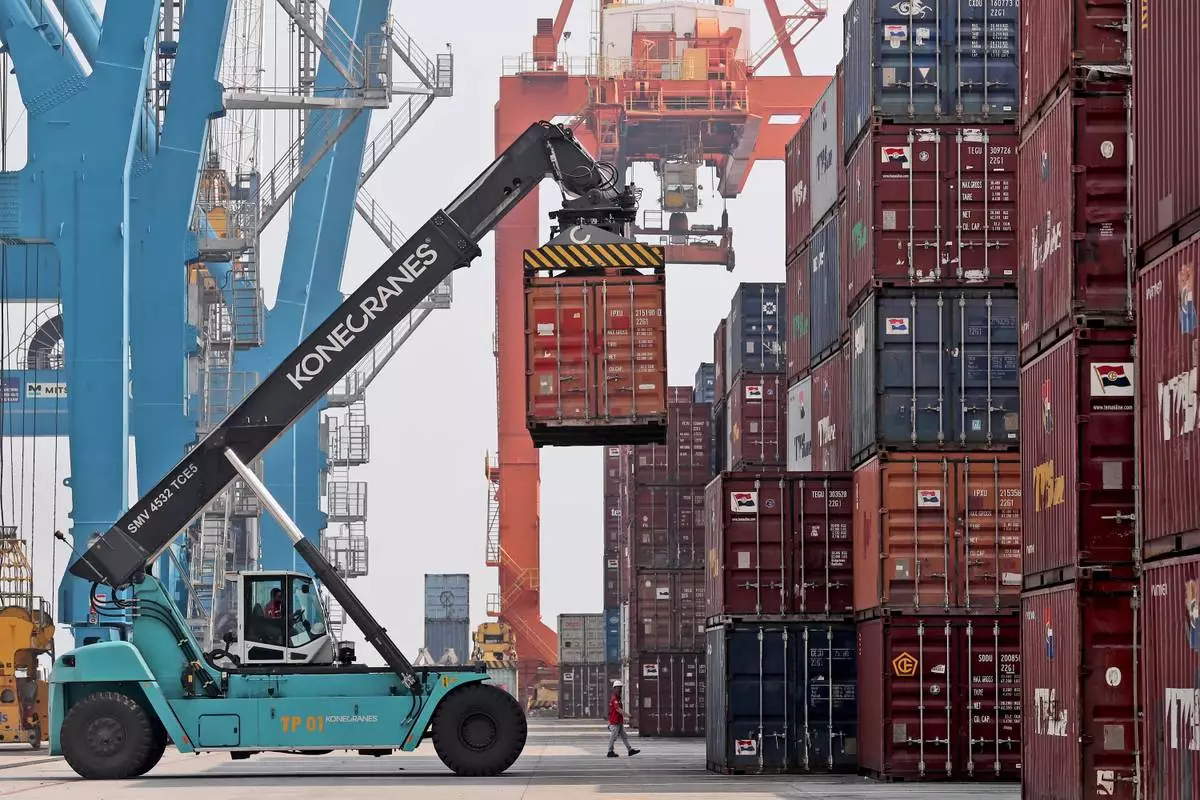
FILE - A stacker organizes containers at the terminal of Indonesia Port Corporations at the container Tanjung Priok Port in Jakarta, Indonesia, on Oct. 8, 2021. (AP Photo/Tatan Syuflana, File)
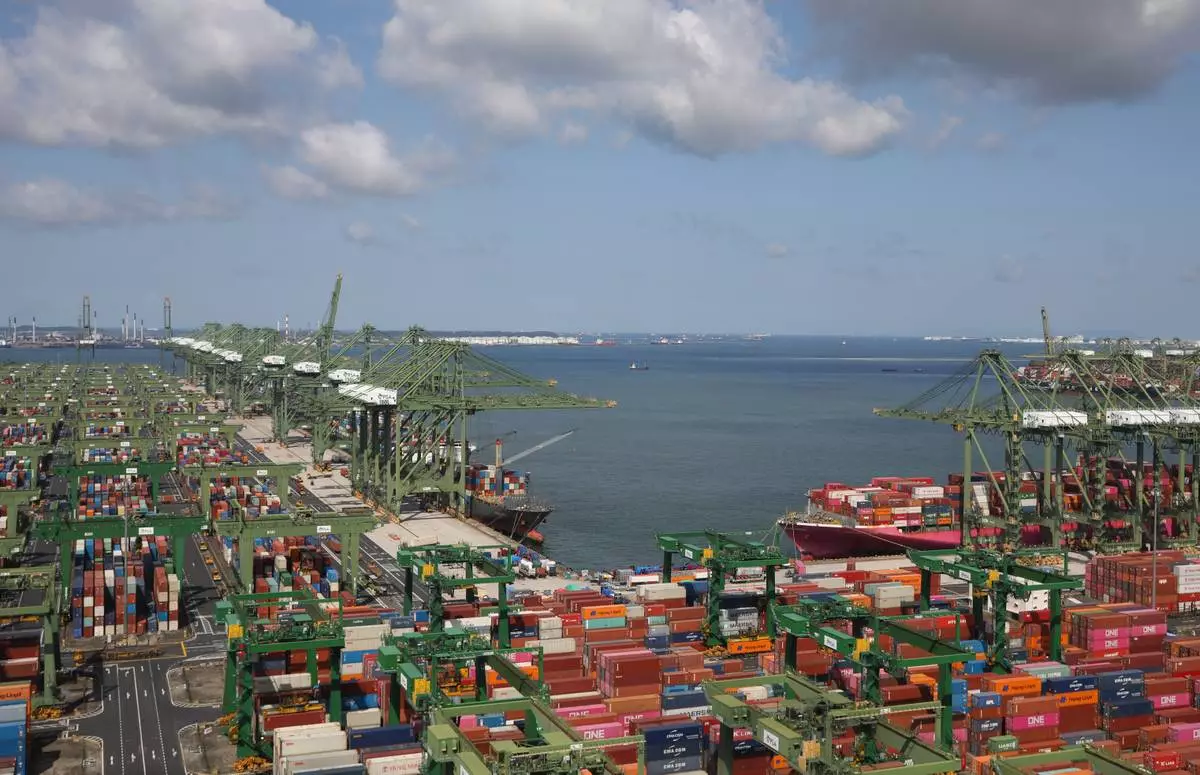
FILE - A view of the Port of Singapore Authority's Pasir Panjang Terminal is pictured on July 25, 2023. (AP Photo/Anton L. Delgado, File)
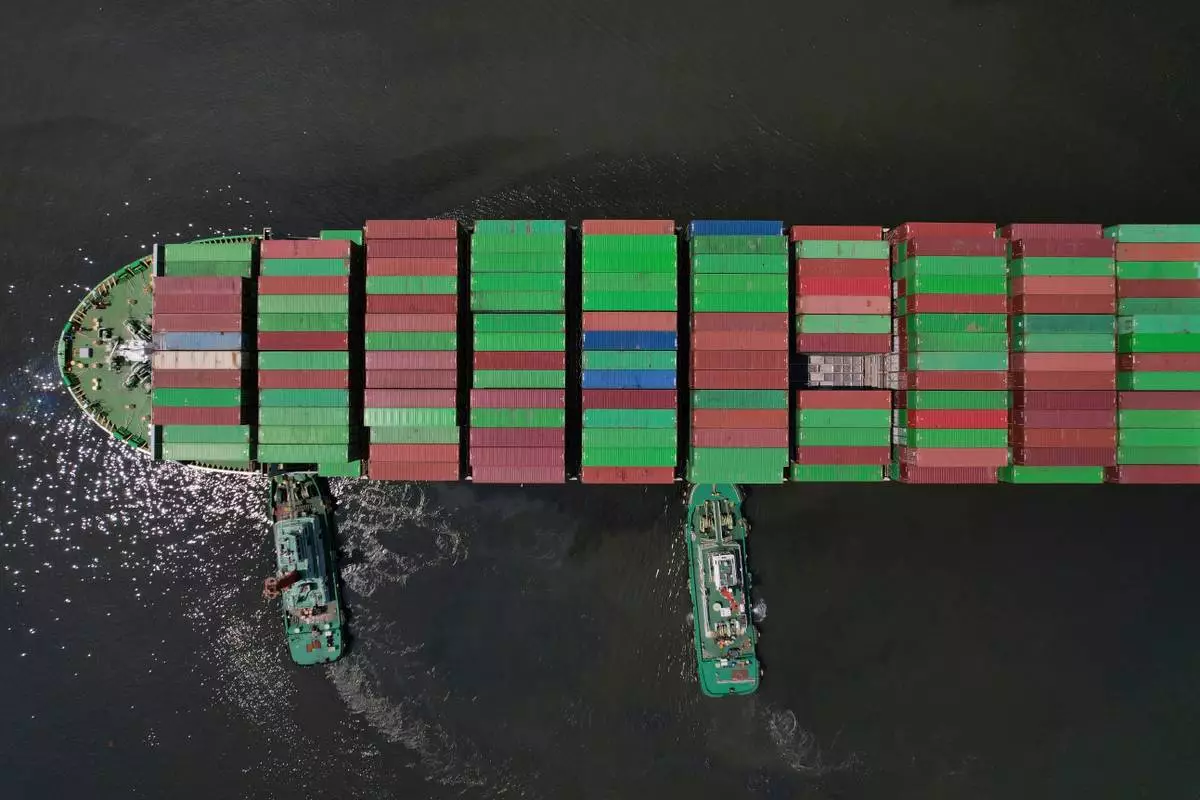
FILE - Tugboats assist a container ship as it prepares to dock at the Manila International Container Terminal at the Philippine capital April 8, 2025. (AP Photo/Aaron Favila, File)
PHILADELPHIA (AP) — The Philadelphia region has welcomed major championships to five of its golf clubs, most notably Merion and this week’s PGA Championship at Aronimink.
Yet the area’s greatest contribution to the game may have come a few miles away in West Philadelphia, where a rebirth is taking place at Cobbs Creek Golf Club.
While Bobby Jones, Ben Hogan and Gary Player were competing for titles and trophies at the venerable Main Line layouts, Cobbs Creek offered something more tangible: inclusion and opportunity.
Opened in 1916, Cobbs Creek welcomed golfers of all backgrounds. Women could play at Cobbs Creek before they were eligible to vote. And, while very few golf courses were open to Blacks, there was no segregation at the course.
Hall of Famer Charlie Sifford took advantage of the course's open-door policy. He claimed it as his home and honed his skills there on the way to breaking golf’s color barrier in 1961 as the first Black member of the PGA and among its first Black winners.
Sifford’s success and connection to the course helped spark a groundswell of support for the Cobbs Creek Foundation and its effort to restore the long-neglected 350-acre parcel that also touches Delaware and Montgomery counties. The effort got a significant boost with backing from Tiger Woods.
The relationship between Woods and Sifford is well-documented. Woods credits Sifford for helping pave the way for his success and referred to him as “the grandfather I never had.” He even named his son, Charlie, after Sifford.
That connection led Woods to get involved with the Cobbs Creek project, opening his foundation’s second TGR Learning Lab there in 2025. The educational facility with golf-related activities for youth in underserved areas is one of the cornerstones of the revitalization efforts and has been an immediate success.
Woods says the renovation is as much about education and giving back to the community as golf.
“Coming here, to a place he (Sifford) played, he grew up, he called home, and for me to have the support of the entire community, to be able to build something,” Woods said. "A home, a safe place, innovation. ... I didn’t start the foundation to produce golfers that hit golf balls. I started the foundation to produce the greatest humans possible.”
The learning lab also has a junior practice putting green, built with a $250,000 donation from the foundation of three-time major champion Jordan Spieth. Also on property is a 68-bay driving range and a short course designed by Woods’ company. All the elements play a role in the bigger project: the championship course restoration.
“There’s a lot of new ways that people are picking up the game now, and you’ll have all of that available here,” Spieth said at the opening of the putting green. “The accessibility for anybody, of any age, to come. Do golf however you want to do golf.”
The grand plan is to restore the course to the original design by Hugh Wilson, the golf course architect responsible for crafting nearby Merion. The rebuild has been made more daunting by near-constant flooding and decades of disrepair that led to the course closing in 2020.
The hope is to eventually host a PGA Tour event at the site. For now, golf is just piece of the puzzle.
“We knew we were going to restore this golf course and it was going to be for the good of the public,” said Cobbs Creek Foundation COO Enrique Hervada.
“Golf is very exclusive in many ways. This is extremely inclusive. Everybody is welcome here. It was always that way, too.”
Philadelphia-owned Cobbs Creek was established to serve those unable to golf at private clubs.
Wilson is credited with the design of Cobbs Creek’s “Olde Course,” with an assist from noted golf course architects George Crump (Pine Valley), A.W. Tillinghast (Winged Foot), George Thomas (Riviera) and William Flynn (Shinnecock Hills).
The layout hosted the USGA’s Amateur Public Links in 1928. A nine-hole layout, the Karakung Course, was established in 1929. In 1947, Cobbs Creek was the site of the Negro National Open, with heavyweight boxing champion Joe Louis as the first-round leader. It became one of only a handful of courses in the National Black Golf Hall of Fame in 2021.
Sifford and Howard “Buth” Wheeler, a pioneer among Black golfers and multi-time United Golf Association national champion, were notable players at Cobbs Creek. Sifford was inducted into the World Golf Hall of Fame in 2004 and was awarded the Presidential Medal of Freedom by President Barack Obama in 2014. He died in 2015.
In the 1950s, the original layout was tweaked to make room for four missile silos and barracks as part of the U.S. air defense system. The original layout was reconfigured and the course continued to deal with flooding. Conditions also deteriorated while under the control of different management companies.
The renovation comes with a $180 million price tag. There have been numerous stops and starts during the rebuild while awaiting permitting and other hurdles. Fundraising is a near-daily endeavor for Hervada.
Golf architects Gil Hanse and Jim Wagner, who led the restoration of Aronimink, are refurbishing the “Olde Course.” The drainage issues have been dealt with and the plan includes restoring three miles of creek and creating more than 20 acres of wetlands.
“The people involved knew it was going to be a herculean effort,” Hervada said. “We’re really close, but we have a long way to go. We’re building this for the next 100 years."
The 30,000-square foot educational facility for grades 1-12 was the first building to open on the Cobbs Creek campus, in April 2025. It is the second TGR lab, after the first in Anaheim, California, opened in 2006. Others are planned for Georgia and California.
The plan is for the profits from the golf operations to help fund the STEAM (science, technology, engineering, arts and math) after-school and weekend programs.
The learning lab got off to a fast start, thanks to Woods’ TGR Foundation.
Meredith Foote, the lab's executive director, said when the facility first opened, schools within a mile and a half radius were the targets. Now, all are welcome, and Foote says that 7,000 students have been served.
“We exist to open up doors and opportunities,” Foote said. “And when the right doors to educational enrichment open, there is no limit for our students. It’s really expose, expose, expose."
Corrine Schultz, 18, of Upper Darby, was excited about joining the learning lab from the moment she saw what was offered. The homeschooled high school senior is on a robotics team at TGR.
“Opportunity,” Schultz said of what was offered. “To be part of a competitive team with the robotics. I had never been a part of a competitive team.”
Schultz will continue her education in the fall at Drexel University and plans to return to the lab.
“I’m a student here,” she said. “But whatever future career I decide, I want to give back to the community, to people in general.”
And that is exactly what Foote wants the learning lab to instill in its participants.
“The legacy of this program is the kids who come in and are trying to find their passion and going on to do amazing things in life because of the opportunities they received here at the TGR Learning Lab,” Foote said. “We’re using golf as a driver to lift up this entire community.”
AP golf: https://apnews.com/hub/golf
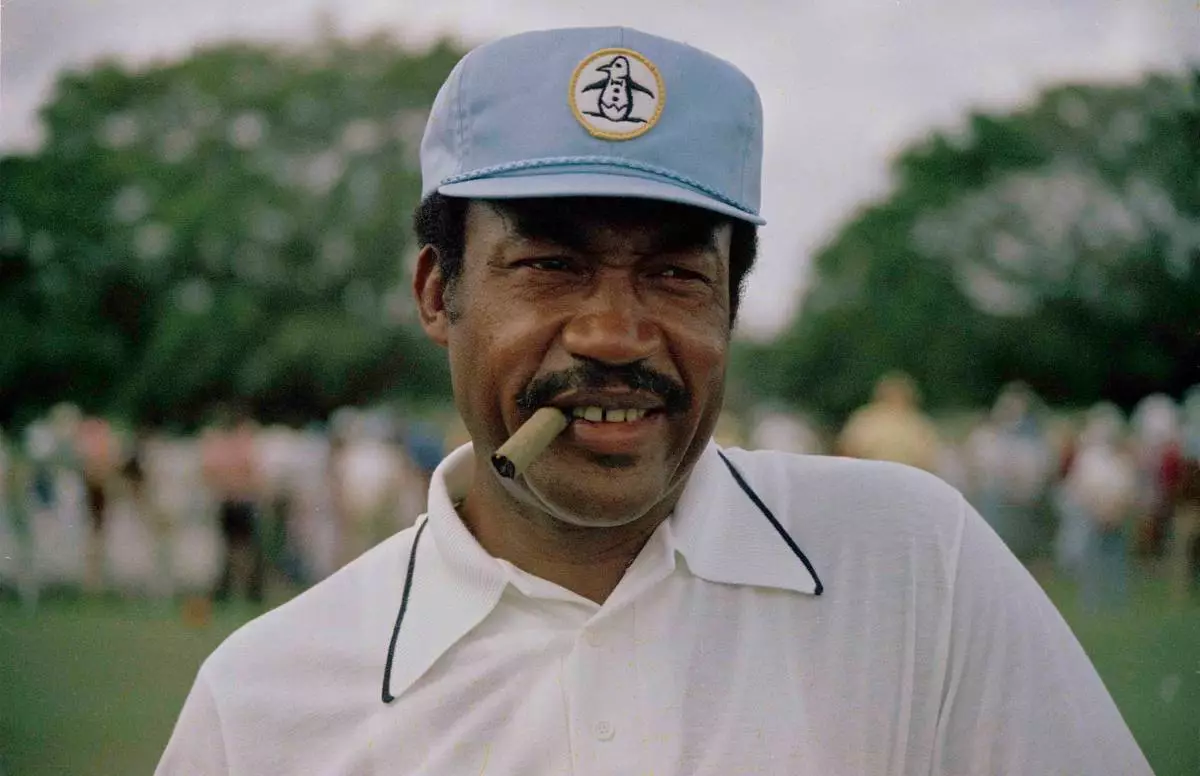
FILE - Pro golfer Charlie Sifford is pictured, Feb. 27, 1968. (AP Photo/Dave Pickoff, file)

Seiji Sako hits at the driving range at the Cobbs Creek Golf Club in Philadelphia, Tuesday, May 12, 2026. (AP Photo/Matt Rourke)
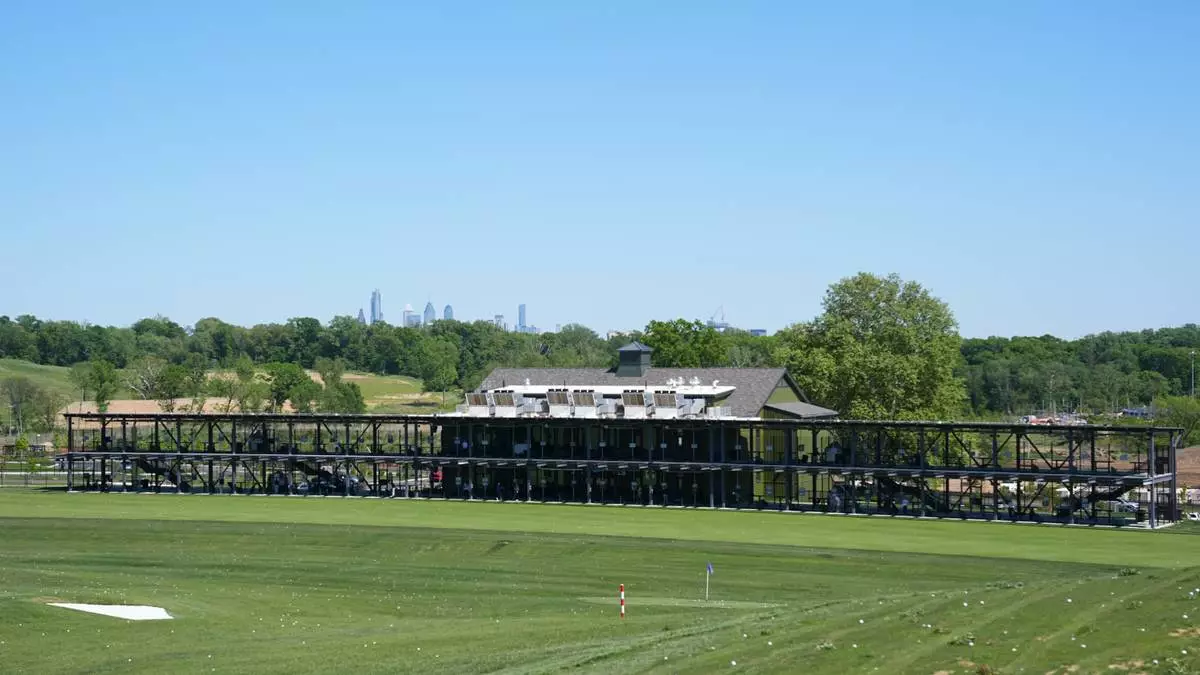
The Philadelphia skyline is seen above the driving range at the Cobbs Creek Golf Club in Philadelphia, Tuesday, May 12, 2026. (AP Photo/Matt Rourke)
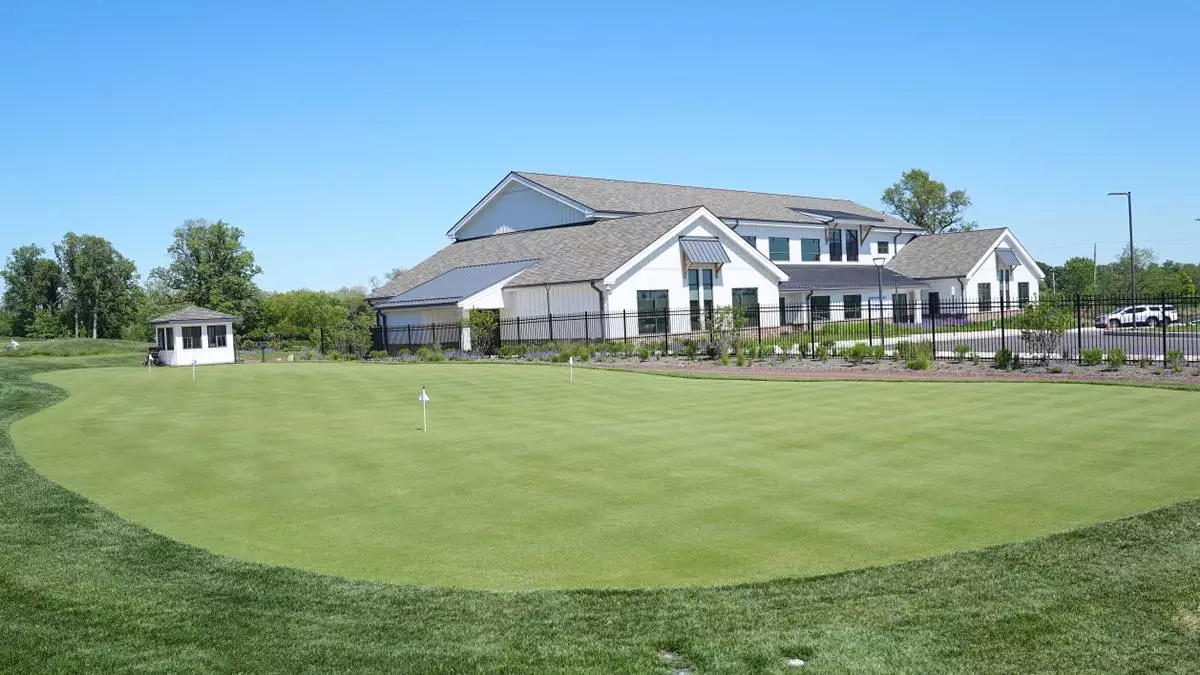
Shown is the TGR Learning Lab and putting green at the Cobbs Creek Golf Club in Philadelphia, Tuesday, May 12, 2026. (AP Photo/Matt Rourke)
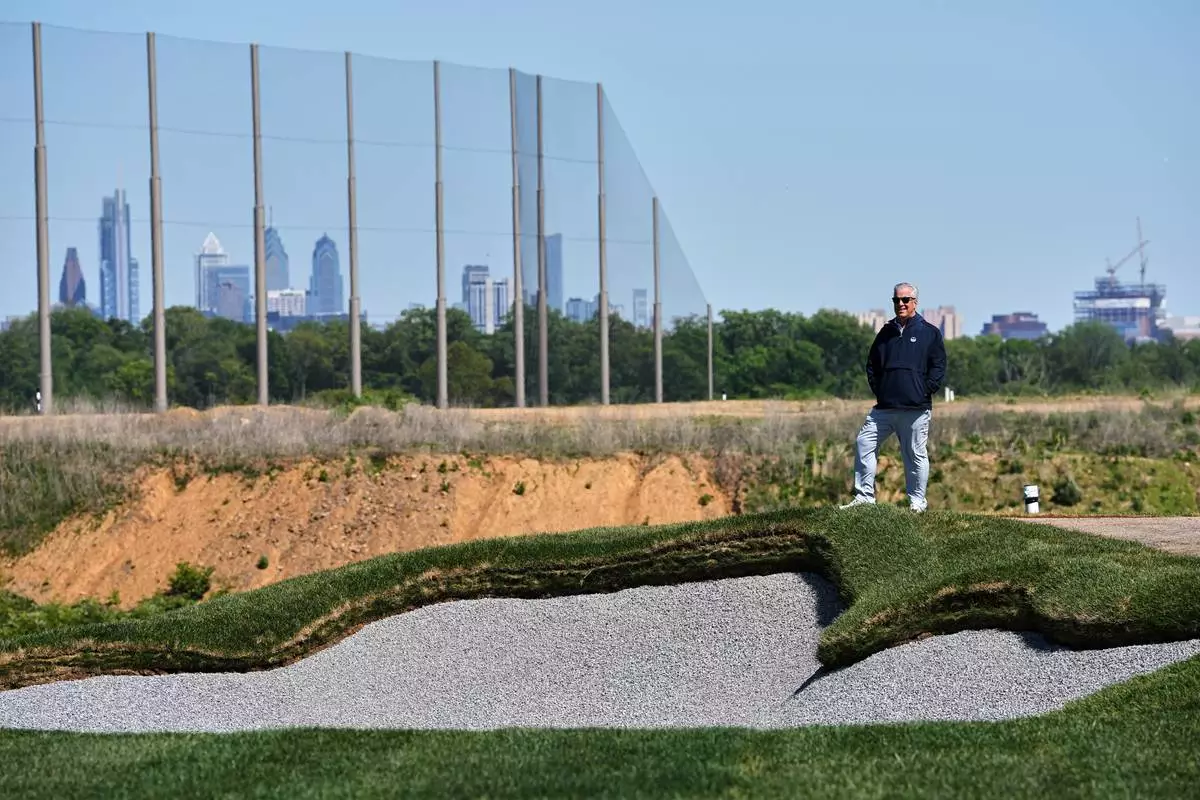
Cobbs Creek Foundation COO Enrique Hervada poses for a photograph at the Cobbs Creek Golf Club during construction in Philadelphia, Tuesday, May 12, 2026. (AP Photo/Matt Rourke)
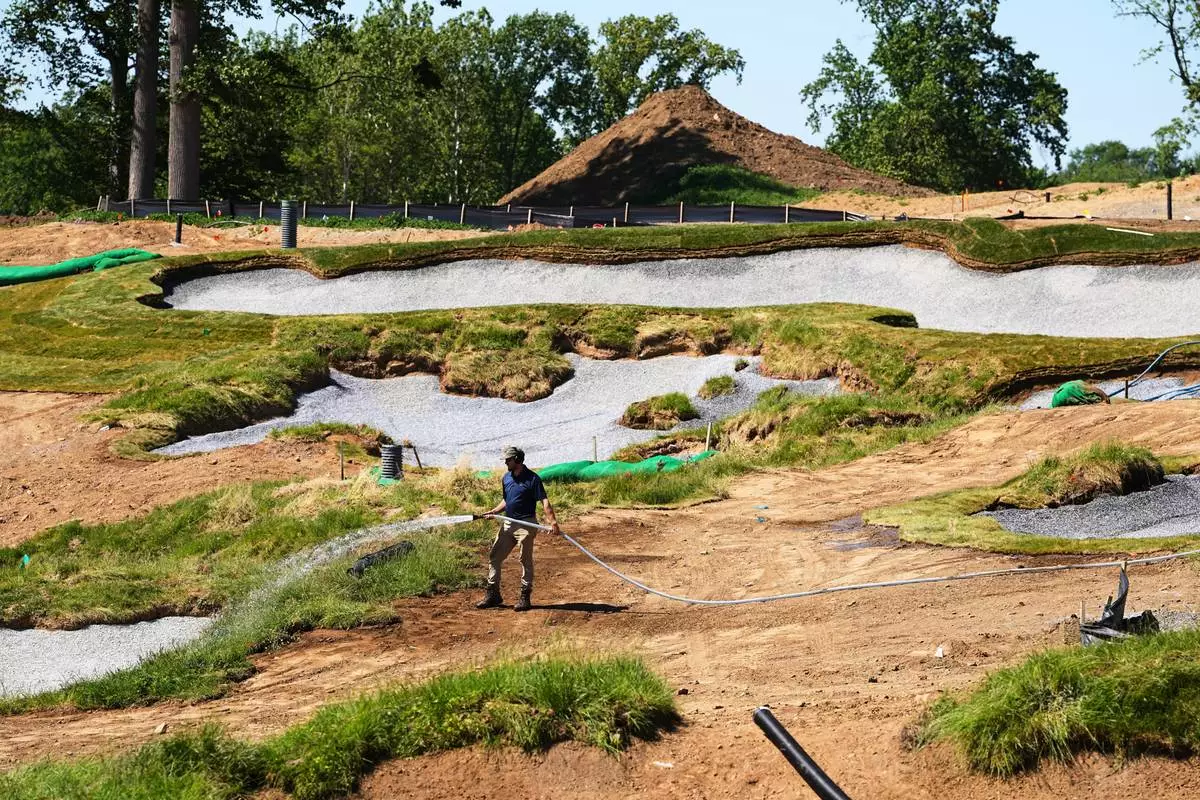
Construction is under way at the Cobbs Creek Golf Club in Philadelphia, Tuesday, May 12, 2026. (AP Photo/Matt Rourke)