WASHINGTON (AP) — U.S. consumer prices climbed sharply again last month as the 10-week war with Iran pushed energy prices higher.
The Labor Department's consumer price index rose 3.8% from April 2025, according to data released Tuesday. On a month-to-month basis, April prices rose 0.6% from March as gasoline prices rose 5.4% during the month; the month-over-month gain was down from 0.9% increase from February to March.
Click to Gallery
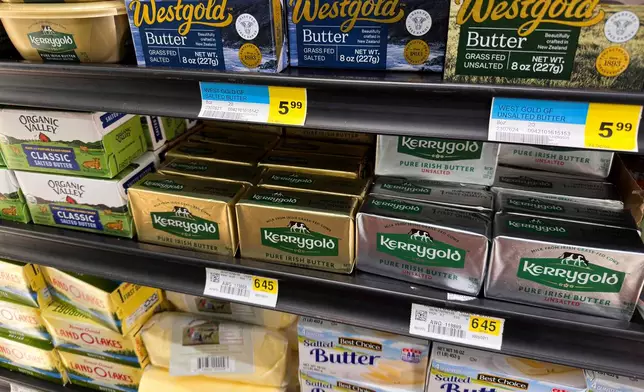
Butter is displayed for sale at a grocery store Wednesday, April 29, 2026, in Chicago. (AP Photo/Erin Hooley)
Beef is displayed for sale at a grocery store Wednesday, April 29, 2026, in Chicago. (AP Photo/Erin Hooley)
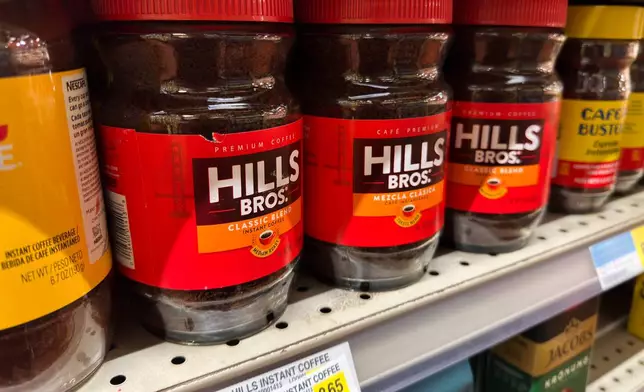
Coffee is displayed for sale at a grocery store Wednesday, April 29, 2026, in Chicago. (AP Photo/Erin Hooley)
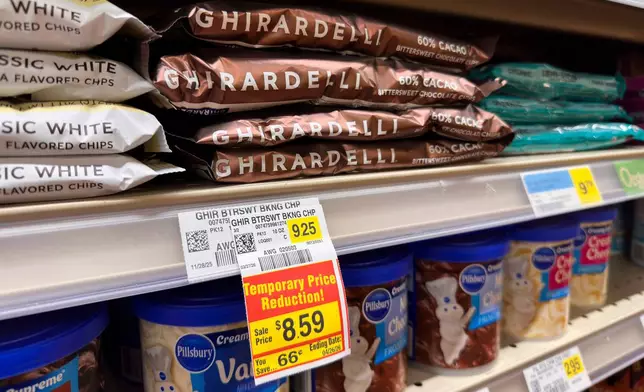
Chocolate is displayed for sale at a grocery store Wednesday, April 29, 2026, in Chicago. (AP Photo/Erin Hooley)
FILE - A motorist pumps fuel at a Shell station Wednesday, July 5, 2023, in Englewood, Colo. (AP Photo/David Zalubowski, File)
FILE - A shopper peruses cheese offerings at a Target store Wednesday, Oct. 4, 2023, in Sheridan, Colo. (AP Photo/David Zalubowski, File)
Labor Department figures showed that gasoline prices are up more than 28% compared with a year ago. However, the AAA motor club listed the average regular gallon of gasoline above $4.50 on Tuesday, about 44% more than it cost last year at this time.
Excluding volatile food and energy costs, so-called consumer core prices rose 0.4% last month from March and 2.8% from April 2025, relatively modest readings that suggest the energy price burst has yet to spill over more broadly into other prices.
Grocery prices rose 0.7% from March to April as meat prices rose. Those prices had retreated slightly the month before.
“Inflation is the key drag on the U.S. economy now,” Heather Long, chief economist at Navy Federal Credit Union wrote. “There is a real financial squeeze underway. For the first time in three years, inflation is eating up all wage gains. This is a setback for middle-class and lower-income households and they know it. They are having to cut back on spending and stretch every dollar.”
In April, average hourly wages fell 0.3% from a year earlier after accounting for inflation – the first year-over-year drop in three years.
Inflation had been dropping more or less steadily since peaking with a 9.1% year-over-year spike in prices in June 2022, a surge caused by supply chain bottlenecks at the end of COVID-19 lockdowns and an energy price shock following the Russian invasion of Ukraine. But inflation remained above the Federal Reserve’s 2% target.
Then, the United States and Israel attacked Iran on Feb. 28, and Tehran responded by shutting off access to the Gulf of Hormuz, through which a fifth of the world’s oil and liquefied natural gas passes. Energy prices rocketed in response.
The Fed, which had been expected to cut its benchmark interest rates in 2026, has turned cautious as it waits to see how long conflict lasts and whether higher energy prices spill over into other products and cause a broader inflationary outbreak.
President Donald Trump has lambasted the Fed and its outgoing chair, Jerome Powell, for refusing to slash rates to boost the economy. Kevin Warsh, the president’s hand-picked choice to succeed Powell, is expected to be confirmed by the Senate this week; but it’s unclear whether Warsh would pursue lower rates given the uncertainties arising from the war — or whether he could persuade his colleagues on the Fed’s rate-setting committee to go along if he tried.
Some companies are also starting to feel the pain. For example, Whirlpool, which makes KitchenAid and Maytag appliances, reported last week that revenue dropped nearly 10% in its most recent quarter and said that the war has caused a “recession-level industry decline″ that has undermined consumer confidence.
Grace King, 31 of Ames, Iowa, said that higher prices in the food aisle and at the pump are making her cut back on spending for things like clothing. The administrative assistant used to spend $200 per month on clothing, mostly on Amazon, but not anymore.
"There’s pressure basically everywhere from the groceries that I buy to the gas to fill up the tank,” she said.” I’ve severely cut back on my frill spending.”
For example, King noted that while it’s only a five minute drive to work, she makes the trip twice a day. And if she needs to do any big shopping, that’s a 40-minute drive to malls in Des Moines, Iowa.
AP Retail Writer Anne D'Innocenzio in New York contributed to this story.
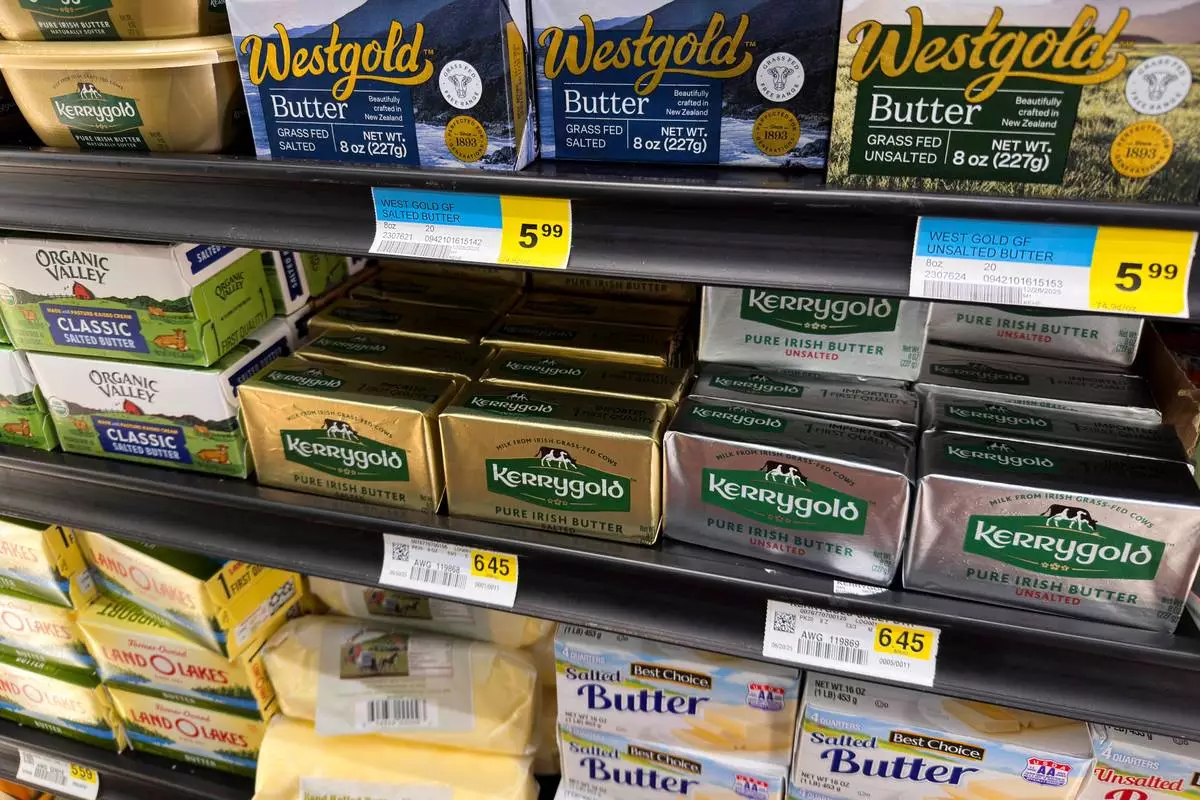
Butter is displayed for sale at a grocery store Wednesday, April 29, 2026, in Chicago. (AP Photo/Erin Hooley)

Beef is displayed for sale at a grocery store Wednesday, April 29, 2026, in Chicago. (AP Photo/Erin Hooley)
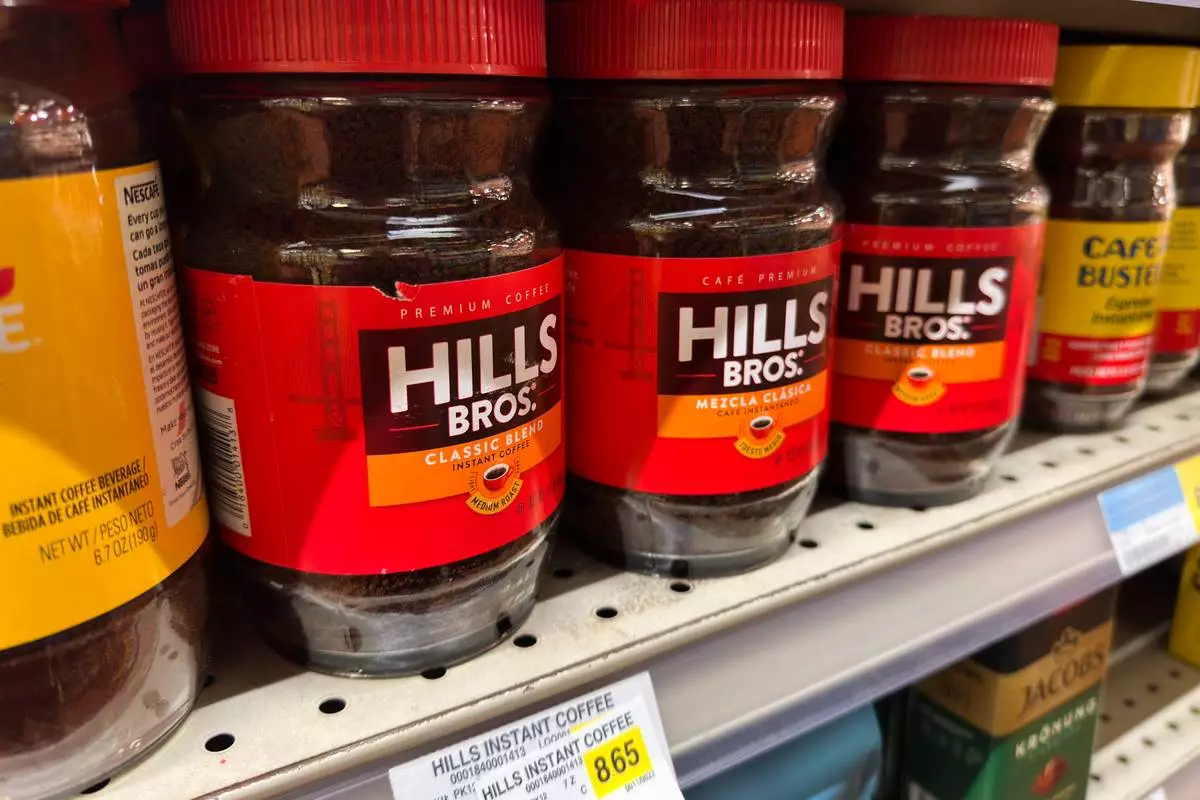
Coffee is displayed for sale at a grocery store Wednesday, April 29, 2026, in Chicago. (AP Photo/Erin Hooley)
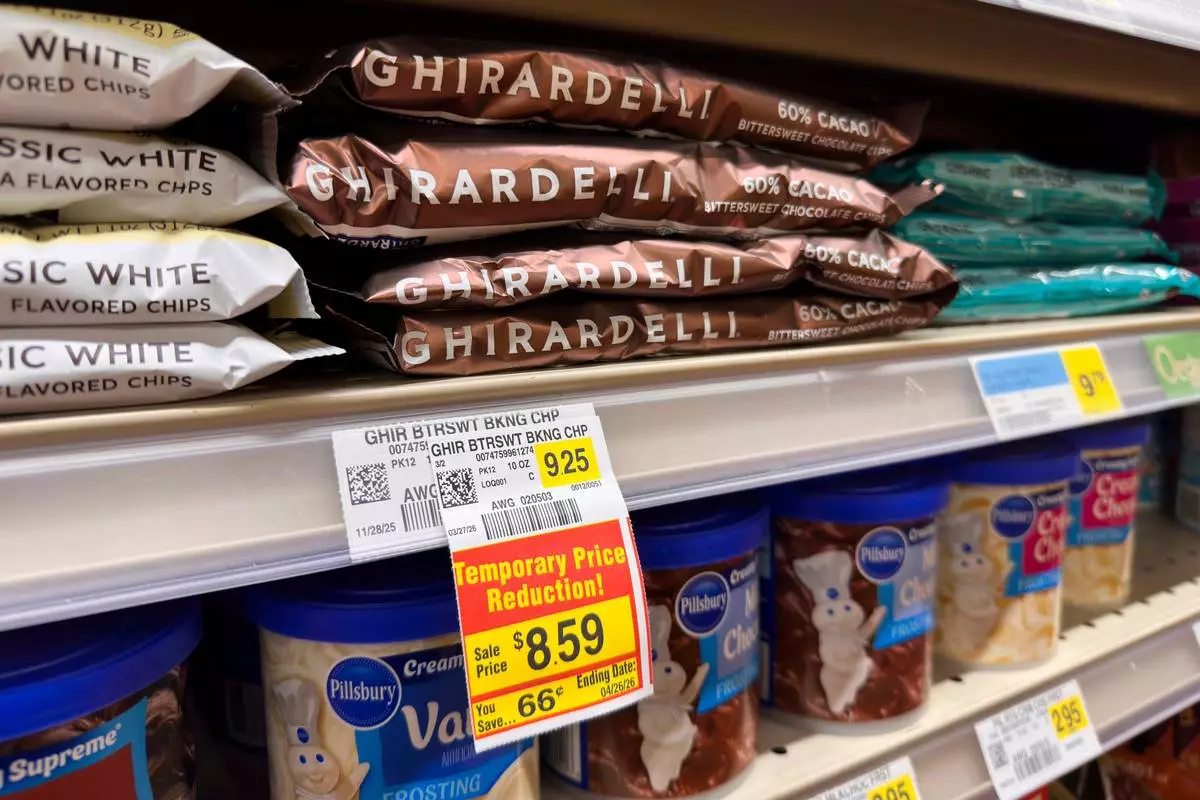
Chocolate is displayed for sale at a grocery store Wednesday, April 29, 2026, in Chicago. (AP Photo/Erin Hooley)
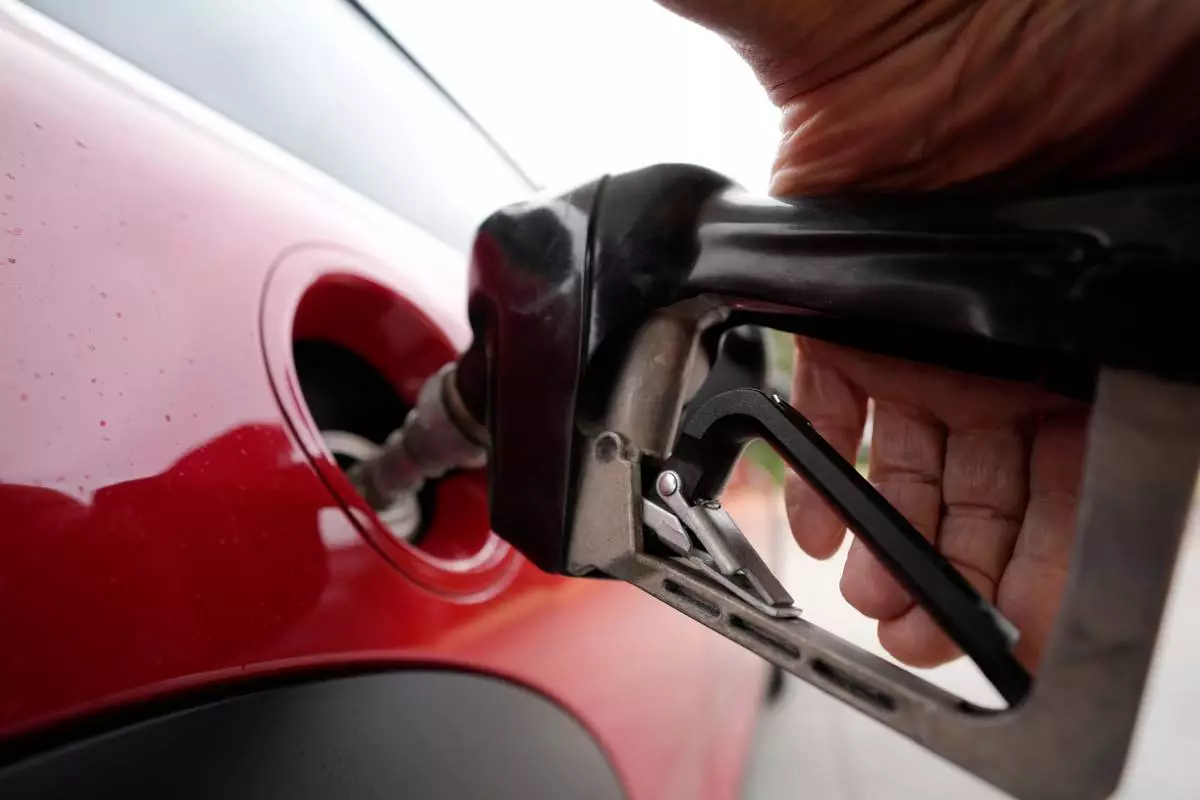
FILE - A motorist pumps fuel at a Shell station Wednesday, July 5, 2023, in Englewood, Colo. (AP Photo/David Zalubowski, File)

FILE - A shopper peruses cheese offerings at a Target store Wednesday, Oct. 4, 2023, in Sheridan, Colo. (AP Photo/David Zalubowski, File)
WASHINGTON (AP) — Defense Secretary Pete Hegseth faced tough questions from Republican and Democratic lawmakers in Congress on Tuesday about the Trump administration's end game for the Iran war, the conflict’s costs and its impact on diminishing weapons stockpiles.
For this part, the Pentagon chief softened his tone from previous hearings on Capitol Hill in his opening remarks, which notably lacked criticism of lawmakers and outlined the Trump administration’s efforts to expand the military’s industrial base.
The powerful House and Senate subcommittees that oversee defense spending are holding back-to-back hearings to review the Trump administration’s 2027 military budget proposal, which calls for a historic allocation of $1.5 trillion. The discussions in the House quickly veered into the handling of a war that appears locked in a stalemate as higher fuel prices pose political problems for Republicans in the midterm congressional elections.
Rosa DeLauro, the ranking Democrat on the House Appropriations Committee, told Hegseth that the "question must be answered at the end of this crisis: What have we accomplished and at what cost?”
“This administration has not presented Congress with any kind of clear or coherent strategy week to week, day to day, hour to hour," DeLauro said. "The rationale shifts, the objectives change. The end game is ill defined when it is defined at all.”
California Republican Rep. Ken Calvert, the House subcommittee's chair, also asked about the impact of the Iran war on funding as well as the U.S. military's weapons stockpiles.
“Questions persist about whether we are building the depth and reliance required for a high end conflict,” Calvert said.
“The world has grown more dangerous, more complex, and more interconnected in its risks," Calvert said. "China is modernizing its military at a pace and scale that is alarming. Russia continues to wage a brutal war of aggression. And while Iran and their proxies have been dealt a severe blow, they remain a threat.”
Minnesota Rep. Betty McCollum, the subcommittee's ranking Democrat, asked for a breakdown of funding needs for the Iran war.
“We’ve asked several times for a complete update on munitions levels, and it has not been provided,” she said.
McCollum also pressed Hegseth on whether the U.S. military has a plan to draw down troops if Congress passes a war powers resolution to end the conflict.
Hegseth said the military has a plan to pull out, but also to escalate or shift assets if necessary.
“But certainly in this setting, we wouldn’t reveal what the next step may be, considering the gravity of of the mission that the president is undertaking to ensure that Iran never has a nuclear bomb,” Hegseth said.
The defense secretary also said that concerns over the military's weapons stockpiles, drawn down from the Iran war, have been “unhelpfully overstated.”
“We know exactly what we have. We have plenty of what we need,” Hegseth told lawmakers.
He said the defense industry has been told to "build more and build faster,” while blaming the military industrial base's inadequate capacity on previous administrations and U.S. aid to Ukraine in its war with Russia.
“We are rebuilding a military that the American people can be proud of, one that instills nothing less than the unrelenting fear in our adversaries and confidence in our allies,” Hegseth said.
President Donald Trump is facing increasing pressure from the economic shocks of Iran effectively closing the Strait of Hormuz, a vital shipping corridor where 20% of the world's oil normally flows. The U.S. military in turn has blockaded Iranian ports and the two sides have traded fire, with American forces thwarting attacks on their warships and disabling Tehran-linked oil tankers.
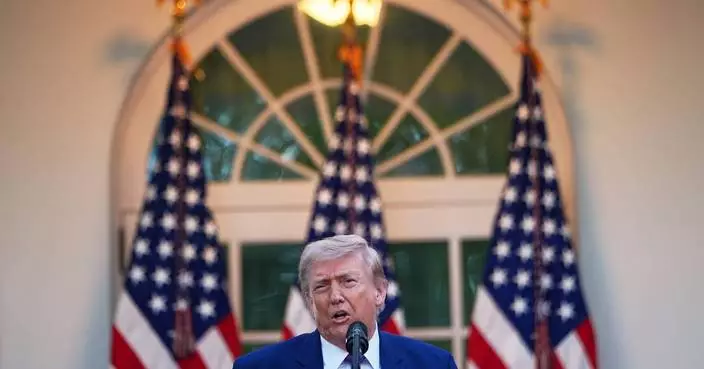
Trump said Monday that the ceasefire is on “massive life support” and criticized Iran for its latest proposal, pointing to his demands that Iran significantly limit its nuclear program.
“I would call it the weakest right now after reading that piece of garbage they sent us,” Trump said.
The Republican president also said he wanted to suspend the federal gas tax to help Americans shoulder surging fuel prices. He has previously said higher costs are worth it to prevent Iran from getting a nuclear weapon.
Tuesday's hearings will give a mostly new group of lawmakers the chance to grill or applaud Hegseth and Gen. Dan Caine, chair of the Joint Chiefs of Staff, on the planning and execution of the war.
That includes Sen. Susan Collins of Maine, a Republican whose reelection this year is far from guaranteed. She voted with Democrats on an effort to halt the conflict late last month, saying she wants to see a defined strategy for bringing the war to a close.
Alaska Sen. Lisa Murkowski, another Republican on the Senate Appropriations defense subcommittee, has voted against the string of unsuccessful war powers resolutions but spoken of the need for congressional authorization so Americans will know the war’s limits and objectives.
Hegseth and Caine had faced marathon hearings two weeks ago before the House and Senate Armed Services committees, which mostly traced the well-worn positions of both parties.
In the previous hearings, Hegseth notably said the ceasefire paused a 60-day deadline for congressional approval of the war, which is required under the 1973 War Powers Act. The U.S. and Israel launched the war on Feb. 28, while the fragile truce began April 8.
Hegseth's reasoning faced pushback from Democrats and will likely encounter similar criticism Tuesday. But he will face plenty of friendly Republicans, including the Senate subcommittee's chair, Sen. Mitch McConnell of Kentucky, and perhaps the Iran war's biggest booster in Congress, Sen. Lindsey Graham of South Carolina.
Hegseth and Caine are expected to outline the proposed defense budget and stress the need for more drones, warships and missile defense systems whose stocks have been drawn down during the conflict.
——
Barrow reported from Atlanta.
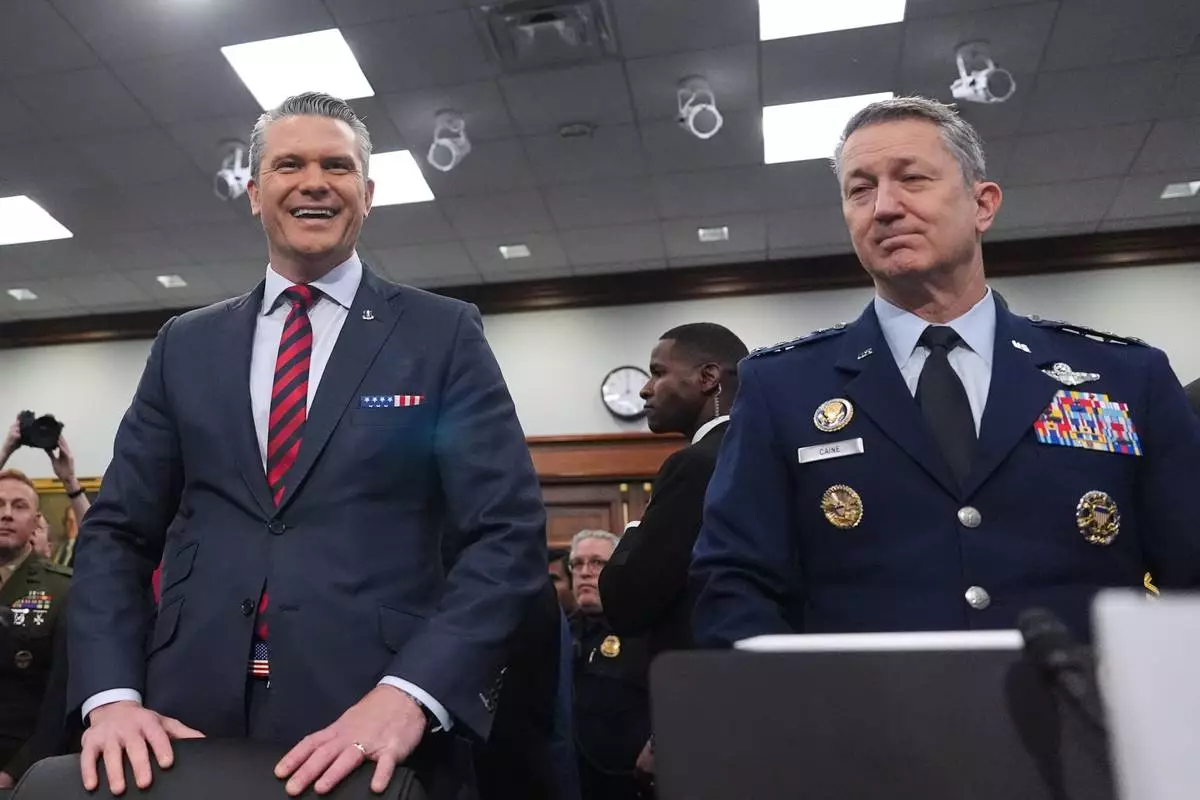
Defense Secretary Pete Hegseth and Chairman of the Joint Chiefs of Staff Gen. Dan Caine arrive to testify at a House Appropriations subcommittee budget hearing for the Department of Defense, Tuesday, May 12, 2026, in Washington. (AP Photo/Alex Brandon)
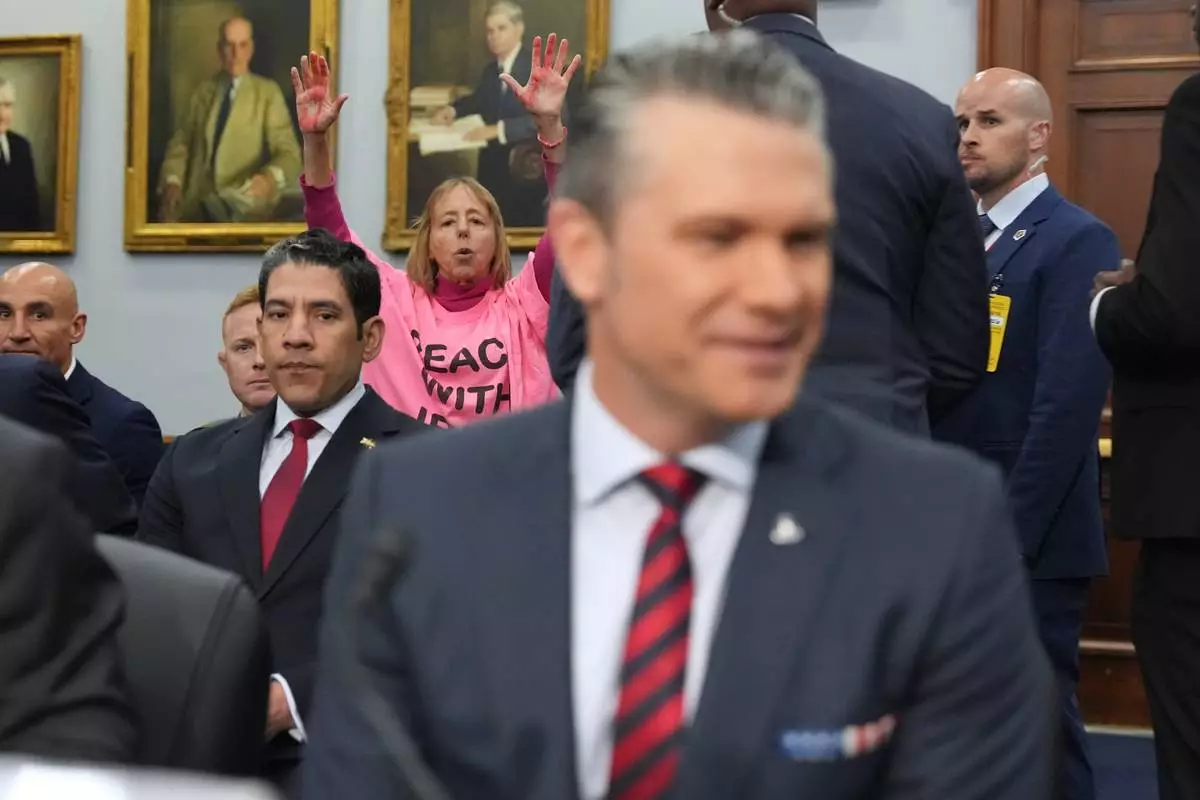
A protester interrupts as Defense Secretary Pete Hegseth arrives to testify at a House Appropriations subcommittee budget hearing for the Department of Defense, Tuesday, May 12, 2026, in Washington. (AP Photo/Alex Brandon)
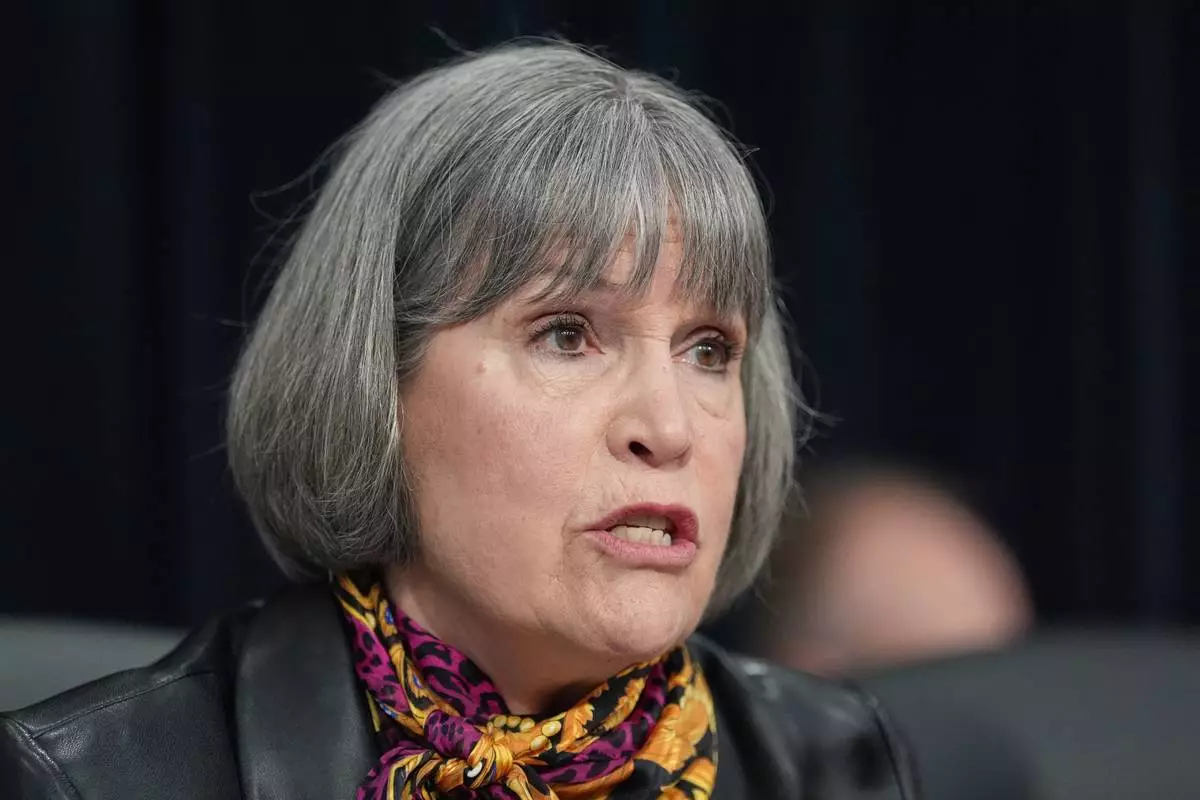
Rep. Betty McCollum, D-Minn., speaks at a House Appropriations subcommittee budget hearing for the Department of Defense with Defense Secretary Pete Hegseth, Defense Secretary Pete Hegseth and acting Under Secretary of Defense and Comptroller Jules Hurst III, Tuesday, May 12, 2026, in Washington. (AP Photo/Alex Brandon)
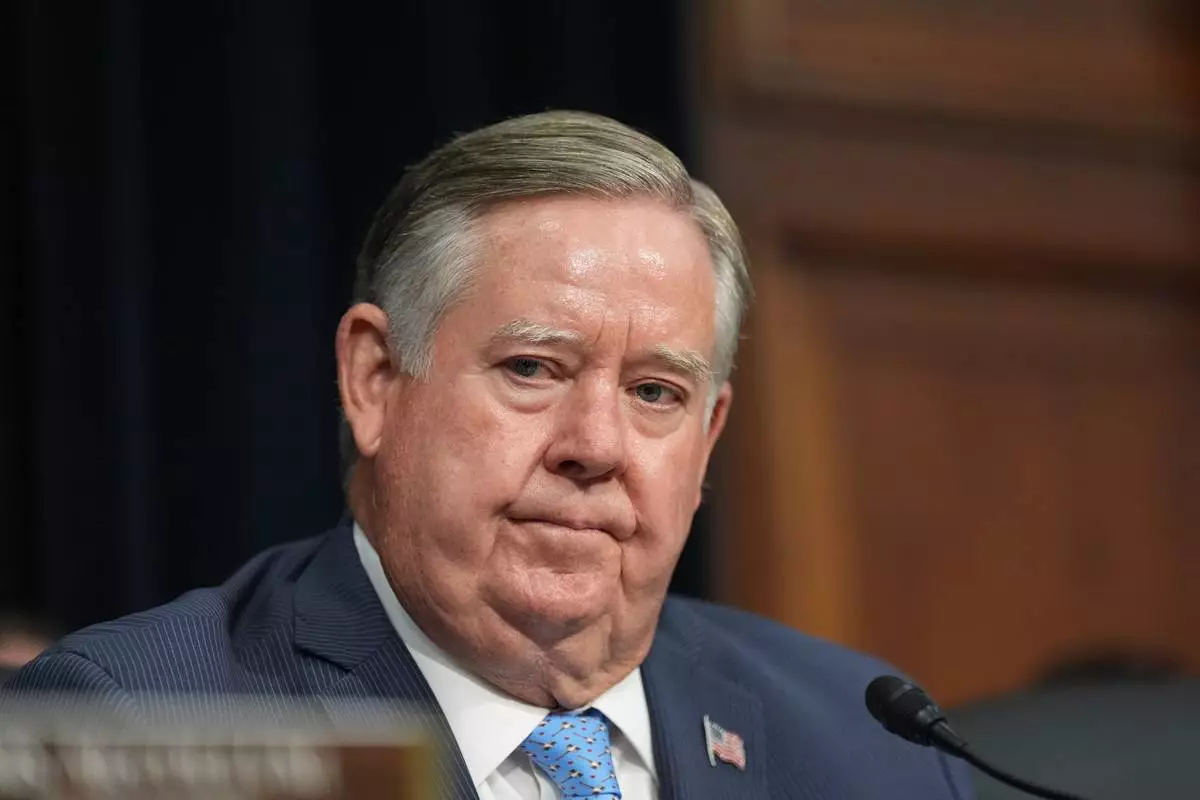
Rep. Ken Calvert, R-Calif., listens at a House Appropriations subcommittee budget hearing for the Department of Defense with Defense Secretary Pete Hegseth, Chairman of the Joint Chiefs of Staff Gen. Dan Caine and acting Under Secretary of Defense and Comptroller Jules Hurst III, Tuesday, May 12, 2026, in Washington. (AP Photo/Alex Brandon)
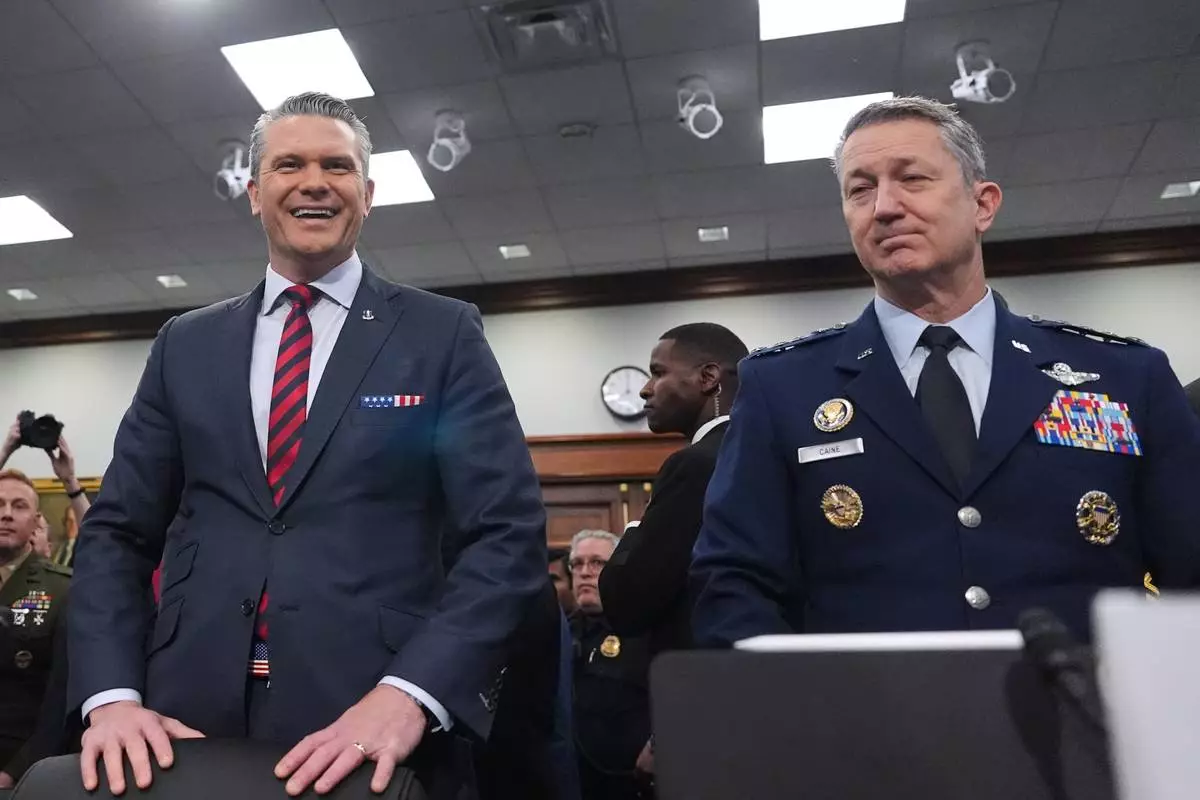
Defense Secretary Pete Hegseth and Chairman of the Joint Chiefs of Staff Gen. Dan Caine arrive to testify at a House Appropriations subcommittee budget hearing for the Department of Defense, Tuesday, May 12, 2026, in Washington. (AP Photo/Alex Brandon)

Defense Secretary Pete Hegseth testifies at a House Appropriations subcommittee budget hearing for the Department of Defense, Tuesday, May 12, 2026, in Washington. (AP Photo/Alex Brandon)

Defense Secretary Pete Hegseth meets with South Korea's Defense Minister Ahn Gyu-back, during at the Pentagon on Monday, May 11, 2026, in Washington. (AP Photo/Manuel Balce Ceneta)

Defense Secretary Pete Hegseth listens as President Donald Trump speaks before signing a proclamation in the Oval Office at the White House, Tuesday, May 5, 2026, in Washington. (AP Photo/Jacquelyn Martin)