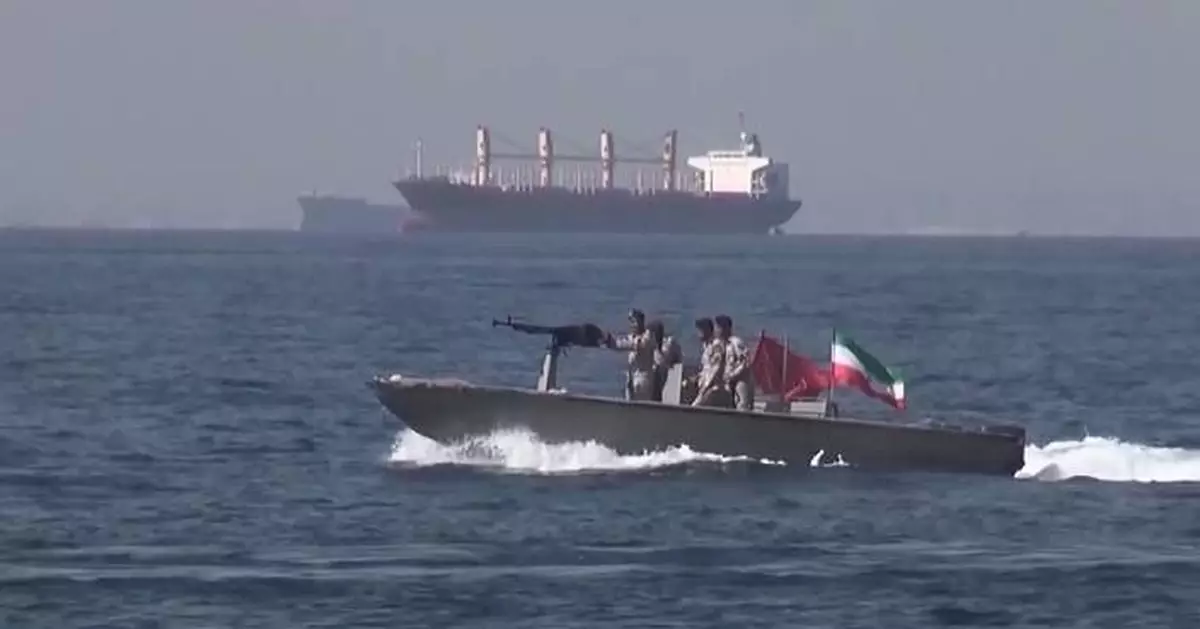
Peace talks between the United States and Iran remain deadlocked with both sides drawing their own red lines and adopting tough stances as key disputes persist, but a month-long fragile ceasefire between them still holds.
Iran's response to a U.S. peace proposal for ending the war was sent on Sunday, with President Donald Trump slamming it as "totally unacceptable."
Trump said on Monday the core of the U.S. proposal is that Iran must never possess nuclear weapons, but Iran did not make such a commitment in its response. He said that the current ceasefire agreement between the U.S. and Iran remains in effect, but is extremely fragile.
On Tuesday, Iran's Parliament Speaker Mohammad Baqer Qalibaf said that the United States has no other alternative but to accept the Iranian people's rights.
He made the remarks in a post on social media X, after Trump on Monday dismissed Iran's response to the latest U.S. proposal and warned that the ceasefire between the two countries is "on massive life support." Qalibaf said, "There is no alternative but to accept the rights of the Iranian people as laid out in the (Iran-proposed) 14-point proposal," warning that "any other approach will be completely inconclusive; nothing but one failure after another."
"The longer they drag their feet, the more American taxpayers will pay for it," he added.
A senior Iranian lawmaker said on Tuesday that Tehran could consider enriching uranium to 90 percent purity if the country comes under attack again.
Ebrahim Rezaei, spokesman for the Iranian parliament's National Security and Foreign Policy Committee, made the remarks after U.S. President Donald Trump warned that the ceasefire between Washington and Tehran is "on massive life support."
"One of Iran's options in the event of another attack could be 90 percent (uranium) enrichment. We will review it in the parliament," Rezaei wrote on social media X.
Meanwhile, Mohammad Eslami, head of the Atomic Energy Organization of Iran, said on Monday that the country's nuclear technology and uranium enrichment are non-negotiable, the official news agency IRNA reported.
Iranian Foreign Ministry spokesman Esmaeil Baghaei said Tuesday ending hostilities and lifting a blockade of the Strait of Hormuz are prerequisites for any negotiations with the United States.
Baghaei also said that the United States is demanding Iran's "complete surrender," not genuine dialogue. He further pointed out that the responsibility for blocking the Strait of Hormuz lies with the United States, and that a maritime blockade constitutes an act of war under international law.
Iran, the United States and Israel reached a ceasefire on April 8 after 40 days of fighting that started with U.S.-Israeli joint attacks on Tehran and other Iranian cities on Feb. 28.
Following the truce, Iranian and U.S. delegations held one round of peace talks in Pakistan's capital of Islamabad on April 11 and 12, which failed to yield an agreement.
Over the past weeks, the two sides have reportedly exchanged several proposed plans outlining conditions for ending the conflict through Pakistan.
There are currently two sets of 14-point proposals between the United States and Iran. Iran's 14-point proposal is divided into three phases, including a transition from a temporary ceasefire to a full-scale cessation of hostilities within 30 days, and the establishment of a new management mechanism in the Strait of Hormuz.
The U.S. 14-point proposal is a one-page memorandum of understanding, including two core elements: first, Iran opens the Strait of Hormuz in exchange for the U.S. gradually lifting its maritime blockade; second, Iran limits its nuclear program in exchange for the partial removal of U.S. sanctions.
Shipping traffic through the Strait of Hormuz, a major maritime choke point for world energy trade, has been largely blocked by Iran since the United States and Israel launched an air war against Iran. After the Islamabad talks failed to produce an agreement, the United States imposed its own blockade on the strait.
On Tuesday, Trump said there is no need to rush to resolve the conflict with Iran. In an interview, Trump said that Iran is facing a situation where its sources of income are being cut off. He also expressed confidence that he could prevent Iran from developing nuclear weapons, saying, "It's just a question of time."
On the same day, U.S. Defense Secretary Pete Hegseth said that they had plans for all scenarios regarding Iran. If necessary, they had plans to escalate operations, withdraw or redeploy forces, and mobilize resources. Currently, they could not disclose specific action plans for the next steps.
The Pentagon is discussing the possibility of renaming the U.S. military operation against Iran in the event of a final collapse of the ceasefire regime under a new name Operation Sledgehammer, according to NBC News sources on Tuesday.
Sources say the White House believes the renaming of the operations will reset the 60-day countdown in Congress, after which the president would need legislative approval to resume military action.
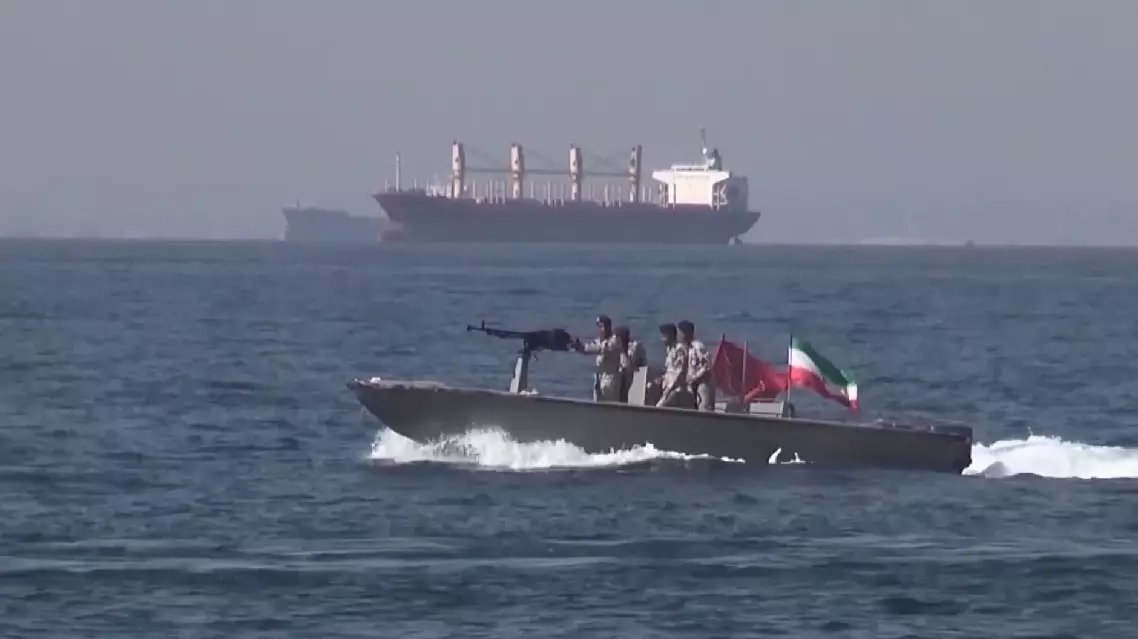
US, Iran locked in stalemate as key disputes persist