On Thursday, former death row inmate Richard Glossip was freed from jail hours after he was granted bond by an Oklahoma judge while awaiting a new trial for a 1997 killing.
During his nearly 30 years behind bars, Glossip came so close to execution multiple times that he was served “last meals” on three separate occasions in 2015. He has long insisted he is innocent in the murder of his former boss, Oklahoma motel owner Barry Van Treese. The U.S. Supreme Court threw out his conviction and death sentence last year.
Click to Gallery
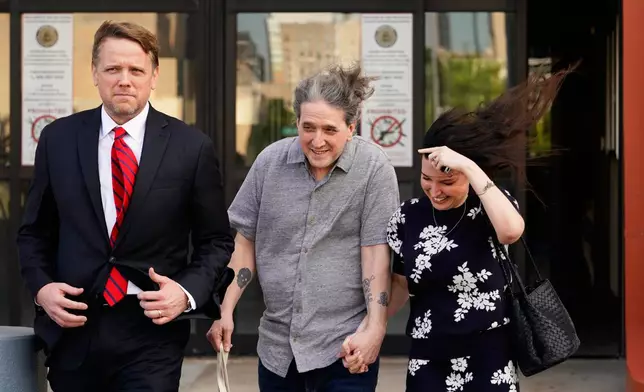
Former death row prisoner Richard Glossip, center, exits a detention facility alongside his wife Lea Glossip, right after being granted bond while awaiting retrial Thursday, May 14, 2026, in Oklahoma City. (AP Photo/Nick Oxford)
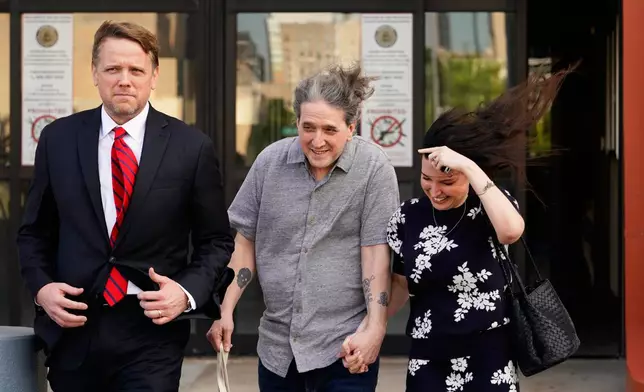
Former death row prisoner Richard Glossip, center, exits a detention facility alongside his wife Lea Glossip, right after being granted bond while awaiting retrial Thursday, May 14, 2026, in Oklahoma City. (AP Photo/Nick Oxford)
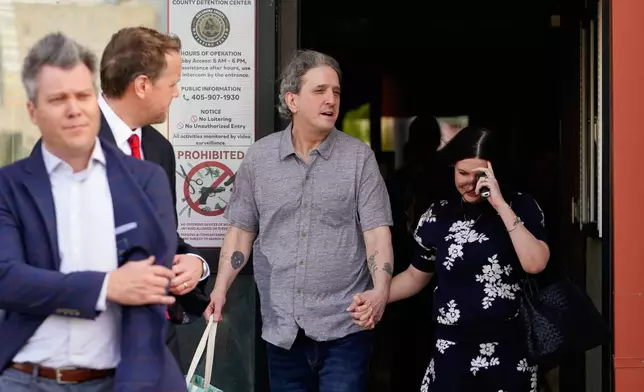
Former death row prisoner Richard Glossip, center, exits a detention facility alongside his wife Lea Glossip, right, after being granted bond while awaiting retrial Thursday, May 14, 2026, in Oklahoma City. (AP Photo/Nick Oxford)
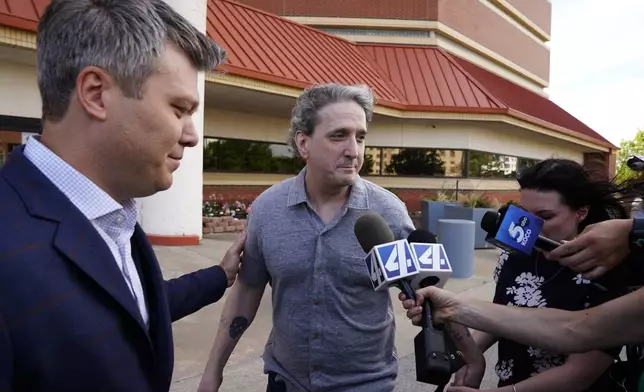
Former death row prisoner Richard Glossip, center, speaks to media after exiting a detention facility after being granted bond while awaiting retrial Thursday, May 14, 2026, in Oklahoma City. (AP Photo/Nick Oxford)
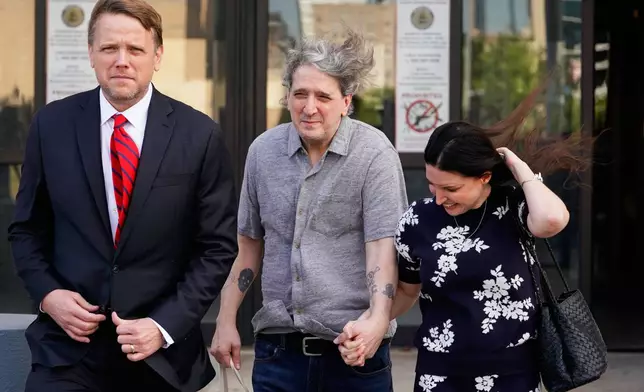
Former death row prisoner Richard Glossip, center, exits a detention facility alongside his wife Lea Glossip, right, after being granted bond while awaiting retrial Thursday, May 14, 2026, in Oklahoma City. (AP Photo/Nick Oxford)
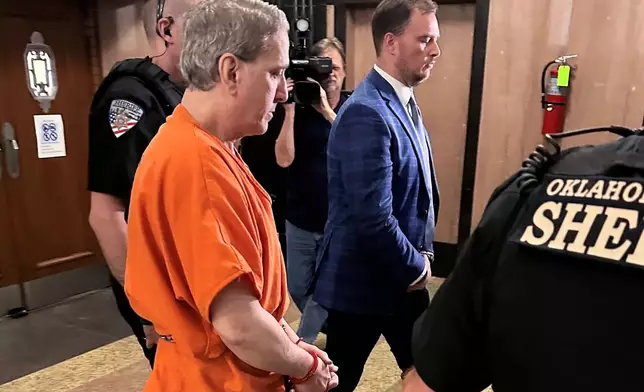
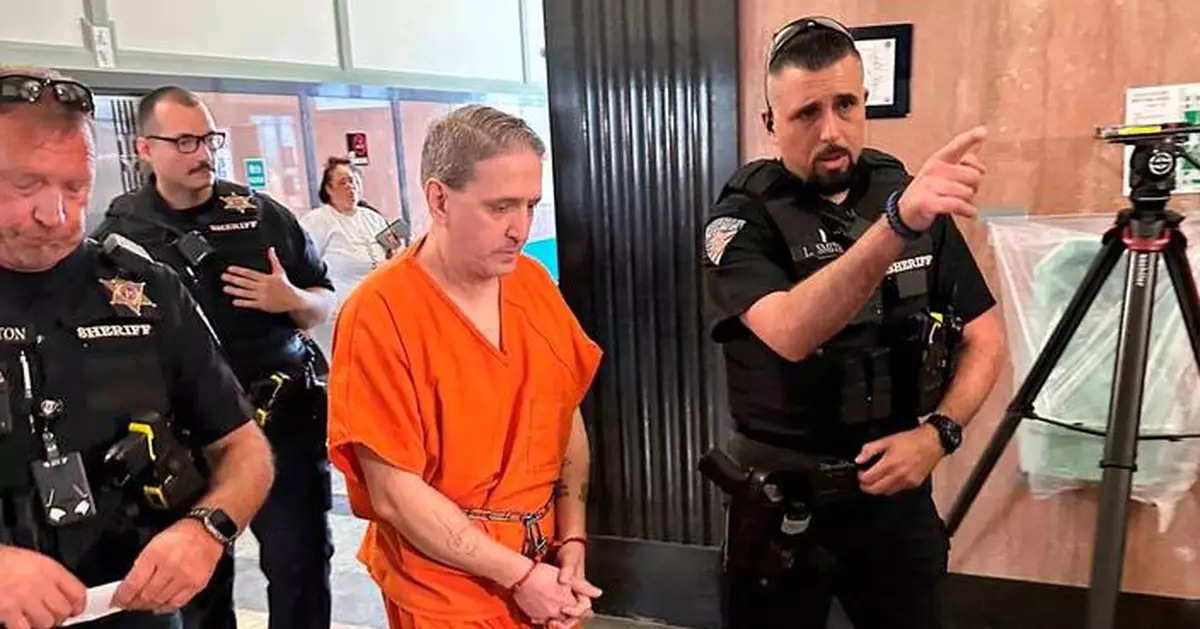
FILE - Oklahoma County Sheriff's deputies lead longtime death row inmate Richard Glossip to a courtroom, June 9, 2025, at the Oklahoma County Courthouse in Oklahoma City. (AP Photo/Sean Murphy, File)
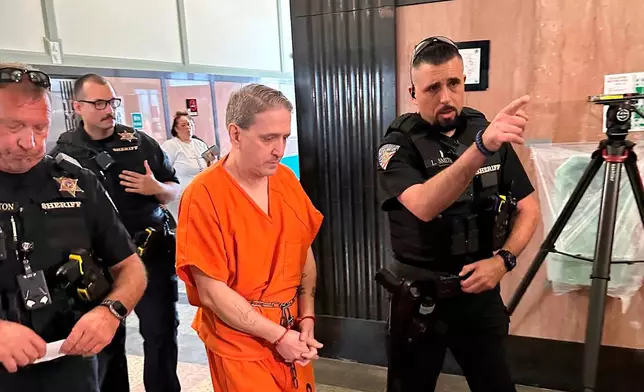
FILE - Oklahoma County Sheriff's deputies lead longtime death row inmate Richard Glossip to a courtroom on June 9, 2025, at the Oklahoma County Courthouse in Oklahoma City. (AP Photo/Sean Murphy, File)
Here is a look at key events in Glossip's case and appeals.
Jan. 7, 1997: Barry Van Treese is beaten to death at an Oklahoma City motel that he owned. Two of his employees, Justin Sneed and Richard Glossip, are soon arrested in connection with the killing.
Aug. 14, 1998: Glossip is convicted of murder and sentenced to death. Prosecutors argue at his trial that Van Treese was killed in a murder-for-hire scheme. Motel handyman Sneed testified that he killed their boss after Glossip promised to pay him $10,000.
July 17, 2001: The Oklahoma Court of Criminal Appeals throws out Glossip's murder conviction and orders him a new trial.
Aug. 27, 2004: Glossip is sentenced to death again after second trial ends with a new murder conviction.
April 29, 2014: Oklahoma uses the surgical sedative midazolam for the first time during the execution of Clayton Lockett, who writhes and groans on the gurney. The execution process gets halted, but Lockett dies 43 minutes later. The state later blames an improperly placed intravenous line, not the new drug mix.
Nov. 20, 2014: Glossip’s scheduled execution is delayed to allow Oklahoma to obtain drugs and train staff on a new protocol.
Jan. 28, 2015: After Glossip has been served what is supposed to be his final meal, the U.S. Supreme Court halts his execution and those of two other Oklahoma prisoners while considering their legal challenge to the state's use of midazolam in executions.
June 29, 2015: A divided U.S. Supreme Court upholds Oklahoma’s use of midazolam during executions.
Sept. 15, 2015: For the second time, Glossip is served what is supposed to be his last meal: chicken fried steak with mashed potatoes and a dinner roll, fish and chips, a bacon cheeseburger and a strawberry malt.
Sept. 16, 2015: Hours before Glossip is scheduled for execution, the Oklahoma Court of Criminal Appeals grants him a two-week reprieve to review claims of new evidence supporting his innocence.
Sept. 29, 2015: For the third time, Glossip is served what is supposed to be his final meal: a medium pizza, two orders of fish and chips, a bacon cheeseburger and a strawberry malt.
Sept. 30, 2015: Prison officials are preparing to execute Glossip when Oklahoma's governor stays the procedure because one of the lethal drugs being used didn't match the state's execution protocol.
Oct. 2, 2015: The Oklahoma Court of Criminal Appeals, at the request of the state's attorney general, puts all executions on indefinite hold as officials review Oklahoma's execution procedures.
Feb. 13, 2020: Oklahoma announces plans to resume executions using a three-drug lethal injection protocol.
May 5, 2023: The U.S. Supreme Court again halts Glossip's execution, set for May 18, at the urging of Oklahoma's Republican attorney general, who has concluded Glossip's trial was “unfair and unreliable.”
Feb. 25, 2025: The U.S. Supreme Court throws out Glossip's murder conviction and death sentence, ruling prosecutors violated his right to a fair trial by allowing Sneed, their key witness, to give testimony they knew was false.
June 9, 2025: Oklahoma Attorney General Gentner Drummond says he plans to try Glossip again for murder. While agreeing his previous trial was unfair, Drummond says he doesn't believe Glossip is innocent.
May 14, 2026: An Oklahoma judge orders a $500,000 bond for Glossip, granting him a chance to leave jail while awaiting trial. Hours later, Glossip walks out of an Oklahoma City jail.
Bynum reported from Savannah, Georgia.
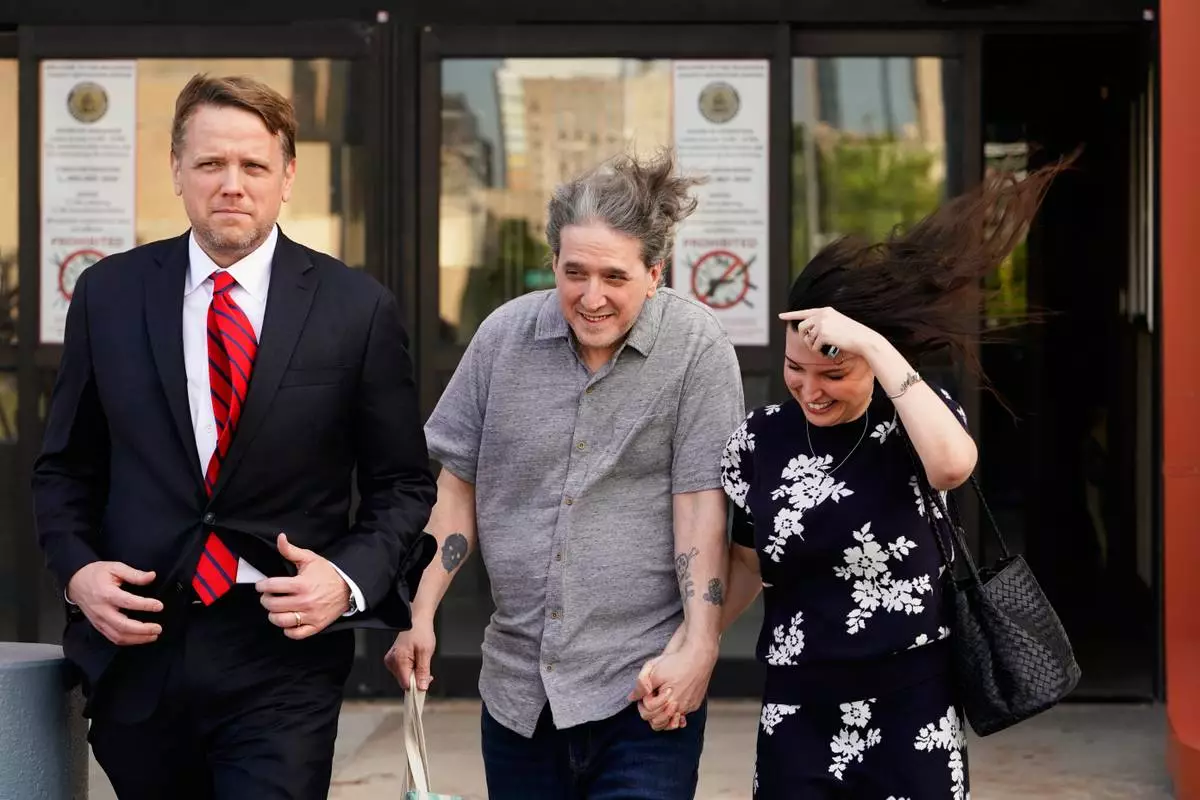
Former death row prisoner Richard Glossip, center, exits a detention facility alongside his wife Lea Glossip, right after being granted bond while awaiting retrial Thursday, May 14, 2026, in Oklahoma City. (AP Photo/Nick Oxford)
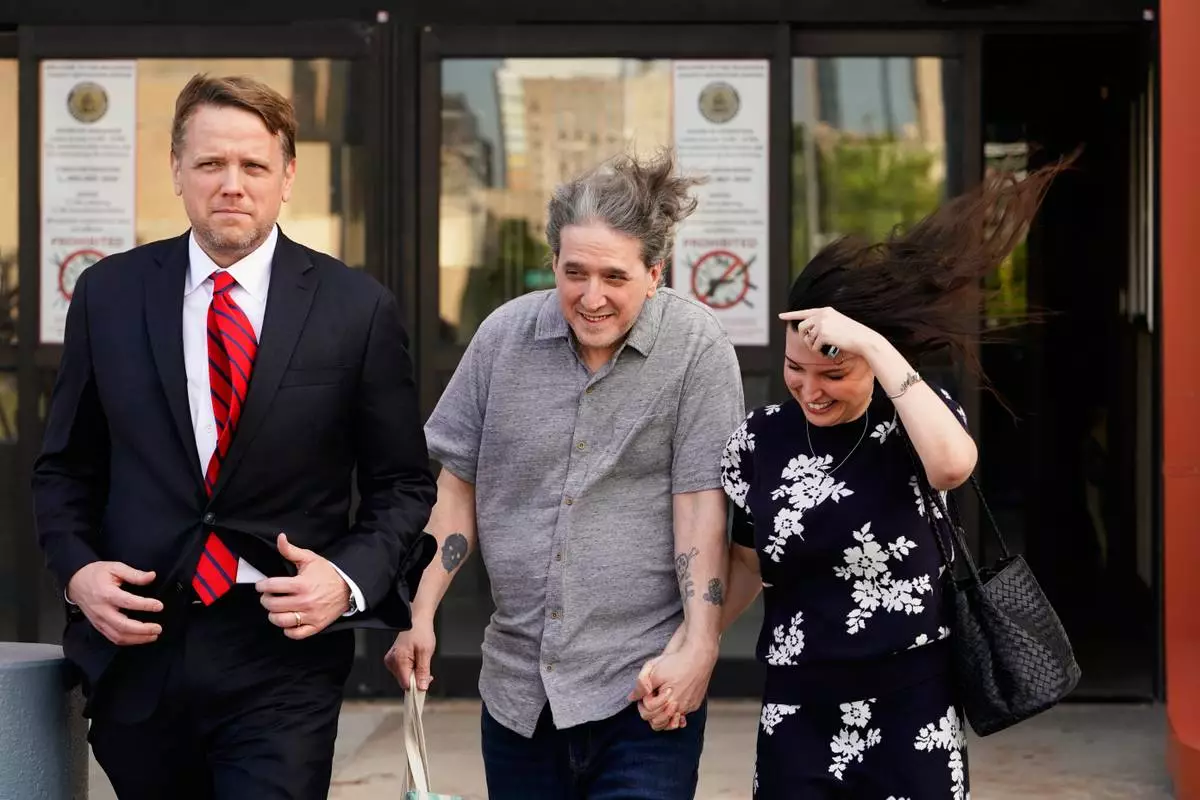
Former death row prisoner Richard Glossip, center, exits a detention facility alongside his wife Lea Glossip, right after being granted bond while awaiting retrial Thursday, May 14, 2026, in Oklahoma City. (AP Photo/Nick Oxford)
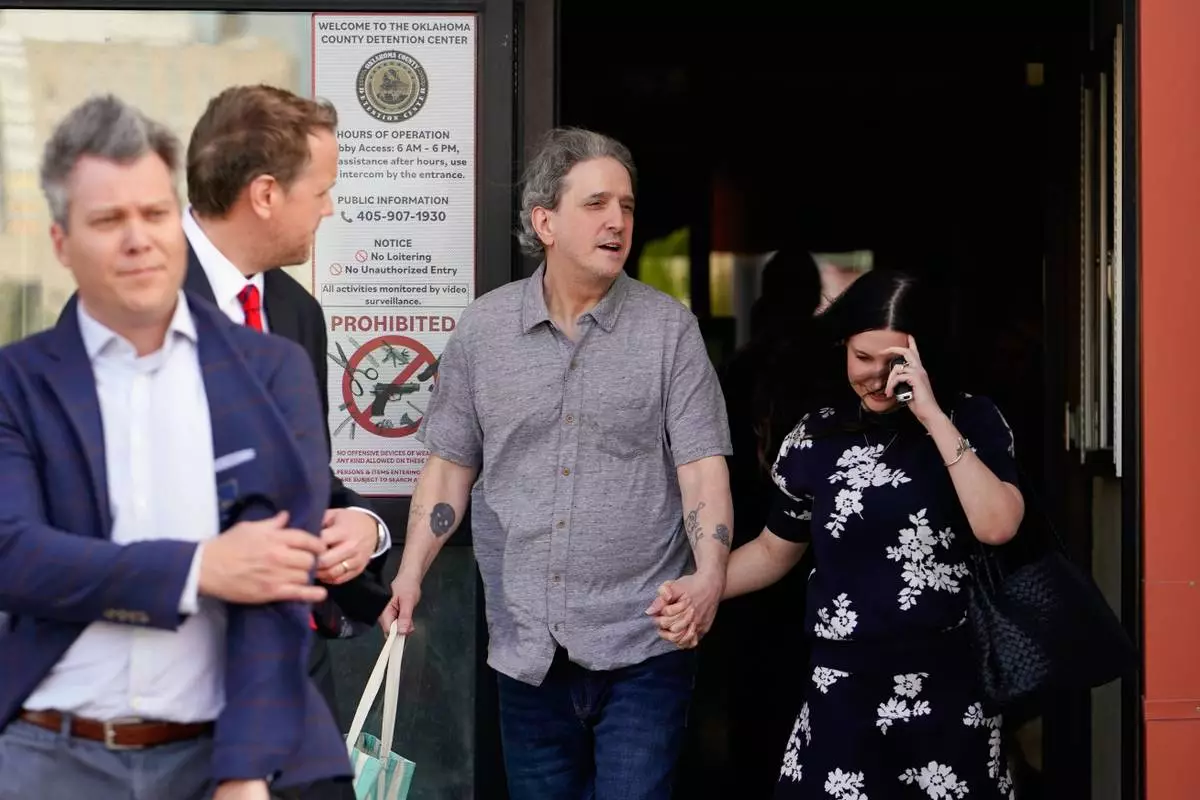
Former death row prisoner Richard Glossip, center, exits a detention facility alongside his wife Lea Glossip, right, after being granted bond while awaiting retrial Thursday, May 14, 2026, in Oklahoma City. (AP Photo/Nick Oxford)
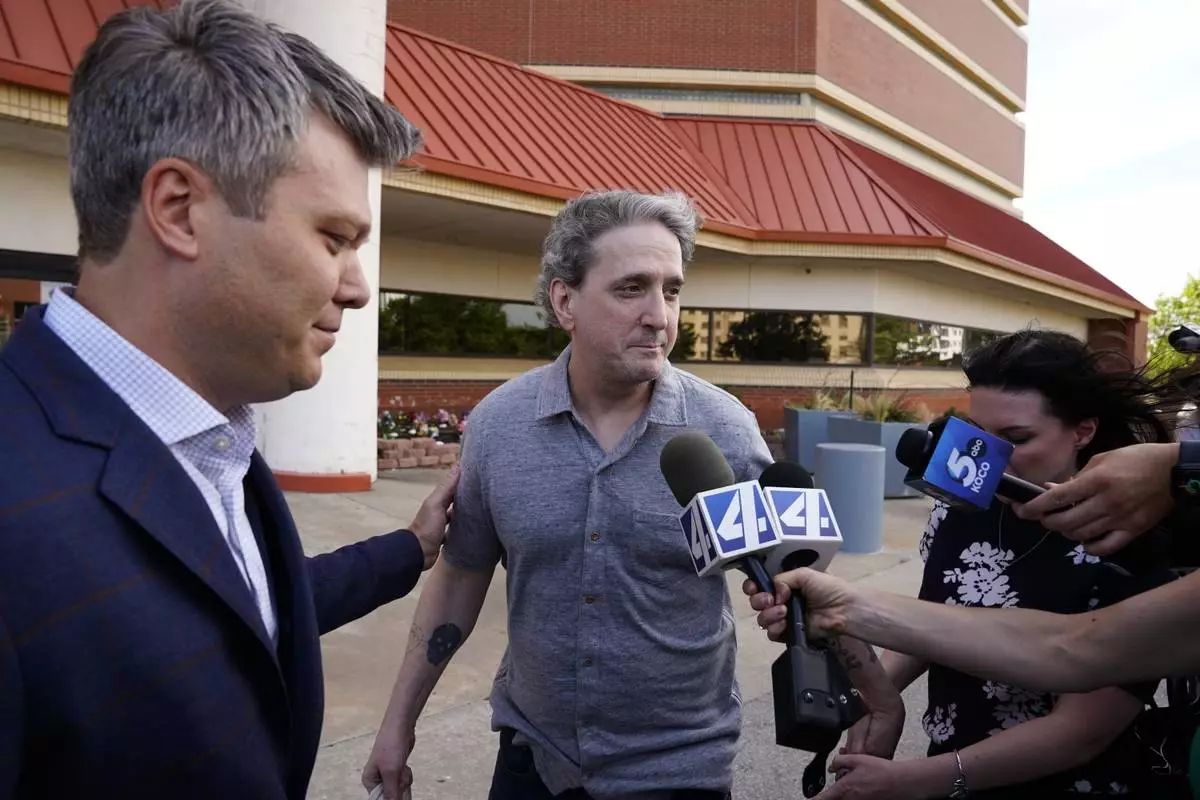
Former death row prisoner Richard Glossip, center, speaks to media after exiting a detention facility after being granted bond while awaiting retrial Thursday, May 14, 2026, in Oklahoma City. (AP Photo/Nick Oxford)
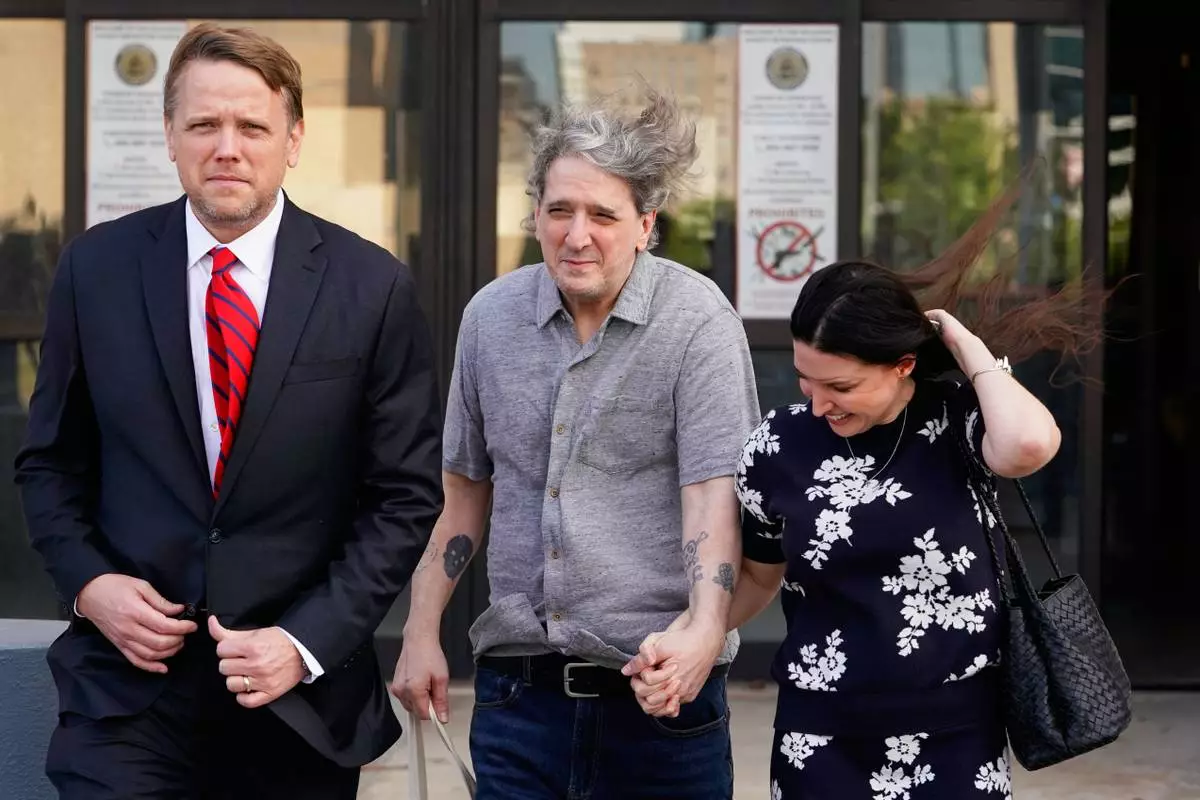
Former death row prisoner Richard Glossip, center, exits a detention facility alongside his wife Lea Glossip, right, after being granted bond while awaiting retrial Thursday, May 14, 2026, in Oklahoma City. (AP Photo/Nick Oxford)
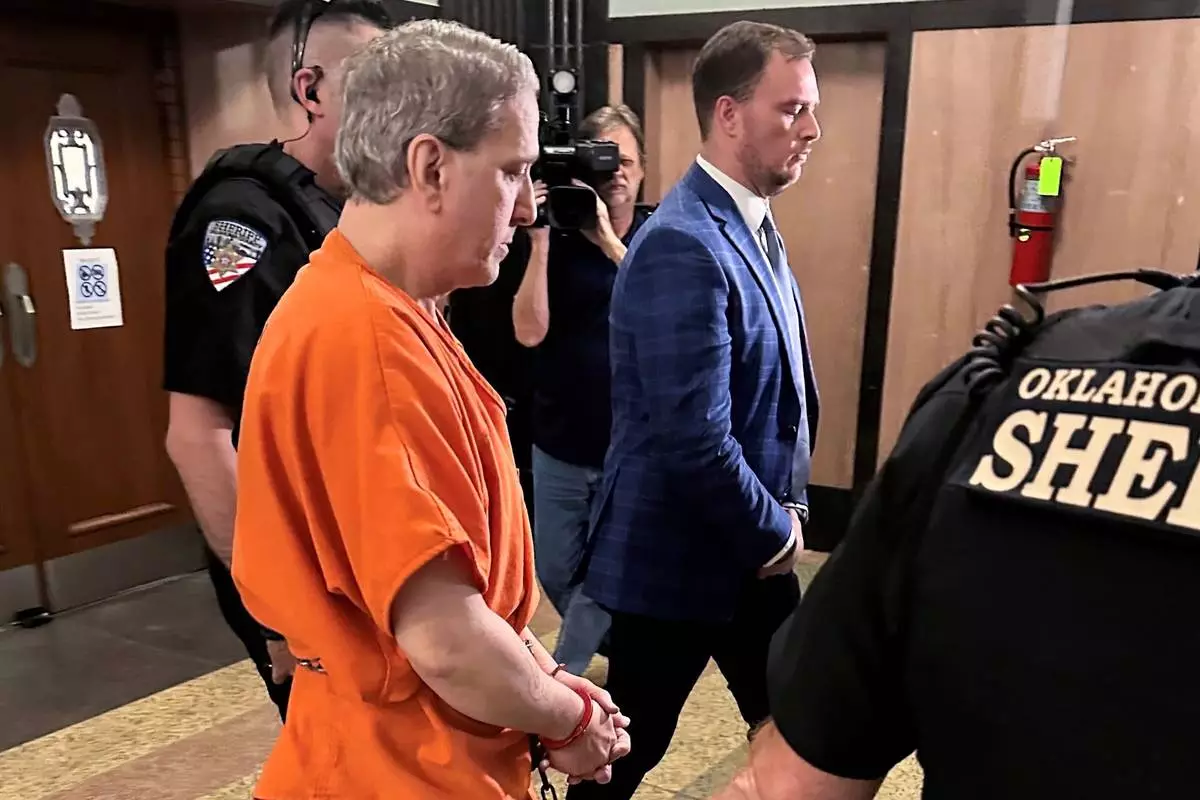
FILE - Oklahoma County Sheriff's deputies lead longtime death row inmate Richard Glossip to a courtroom, June 9, 2025, at the Oklahoma County Courthouse in Oklahoma City. (AP Photo/Sean Murphy, File)
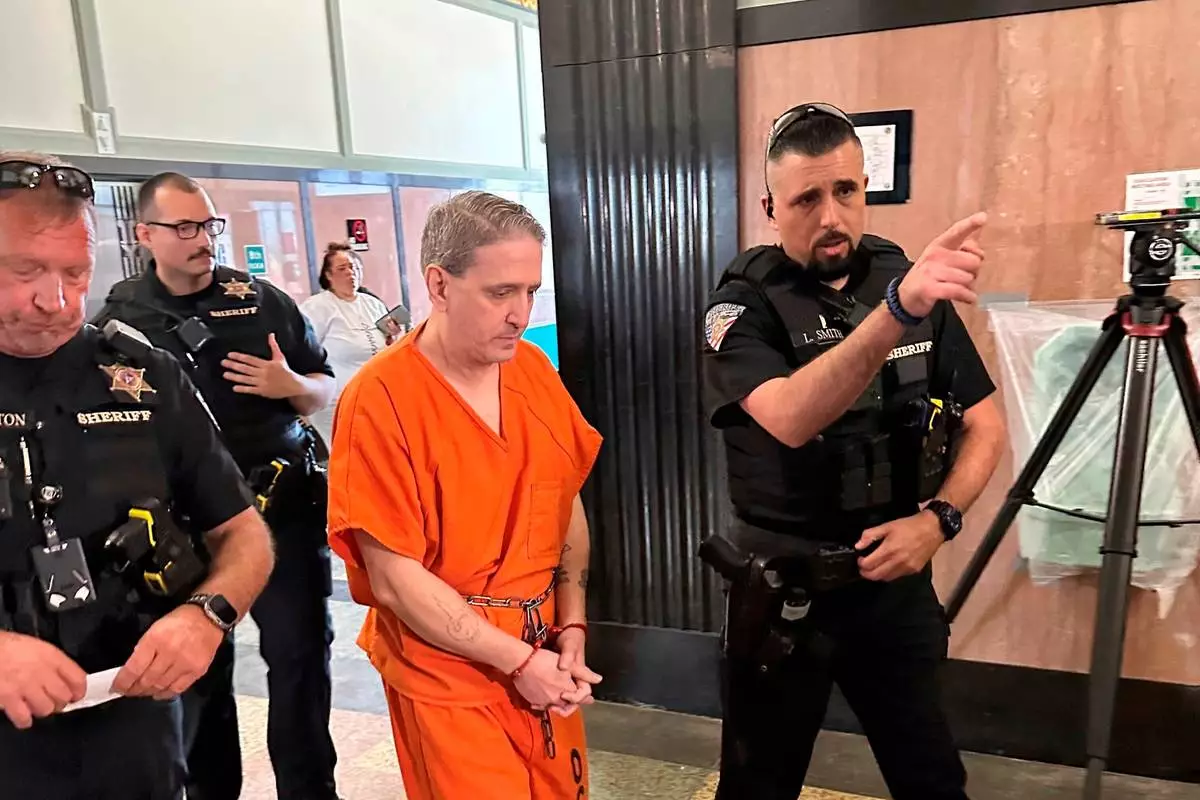
FILE - Oklahoma County Sheriff's deputies lead longtime death row inmate Richard Glossip to a courtroom on June 9, 2025, at the Oklahoma County Courthouse in Oklahoma City. (AP Photo/Sean Murphy, File)