BENGALURU, India (AP) — Taxi driver Ravi Ranjan, who lives with his wife and child in New Delhi said shipping disruptions caused by the Iran war have forced him to pay higher prices for cooking fuel at a time when India's prime minister is also urging residents to reduce driving and travel.
It's all hitting Ranjan's bottom line, he said, as he's paying three times as much for liquid petroleum gas after facing delays on delivery of the cooking fuel.
Click to Gallery
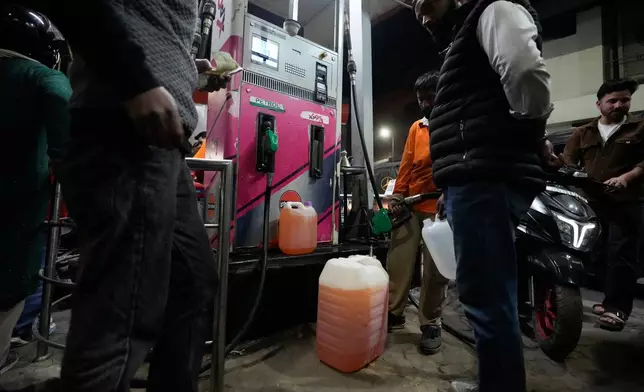
FILE - People store fuel in a plastic can at a petrol pump in Srinagar, Indian controlled Kashmir, March 25, 2026. (AP Photo/Mukhtar Khan, file)
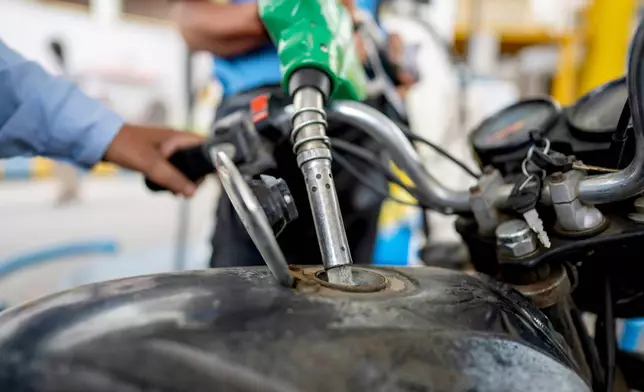
FILE - A man fills petrol in a two wheeler at a fuel pump in Prayagraj, in the northern Indian state of Uttar Pradesh, May 5, 2025. (AP Photo/Rajesh Kumar Singh, File)
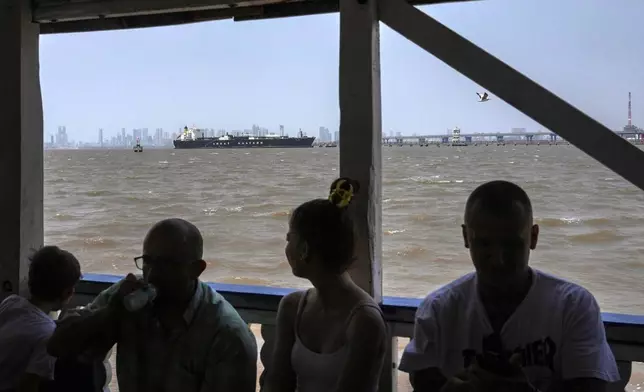
FILE - A tourist ferry sails past the Indian flagged LPG carrier Jag Vasant transporting liquefied petroleum gas, at the Mumbai Port in Mumbai, India, after it arrived clearing the Strait of Hormuz, April 1, 2026.(AP Photo/Rafiq Maqbool, File)
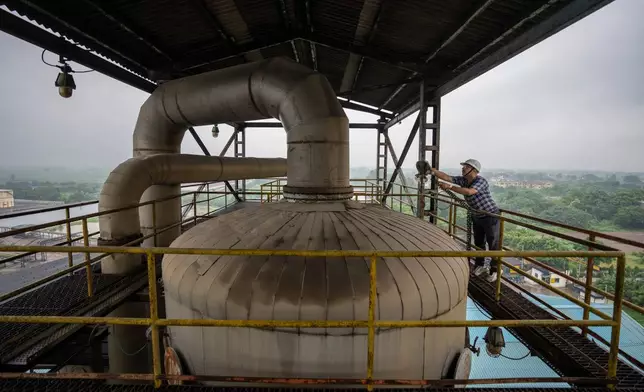
FILE - A technician works on the top deck of a distillery at Bajaj Hindustan Sugar factory that produces ethanol, a type of biofuel, in Meerut, India, Aug. 23, 2023. (AP Photo/Altaf Qadri, File)
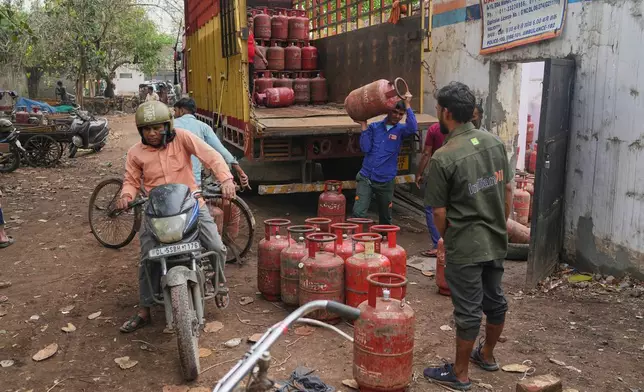
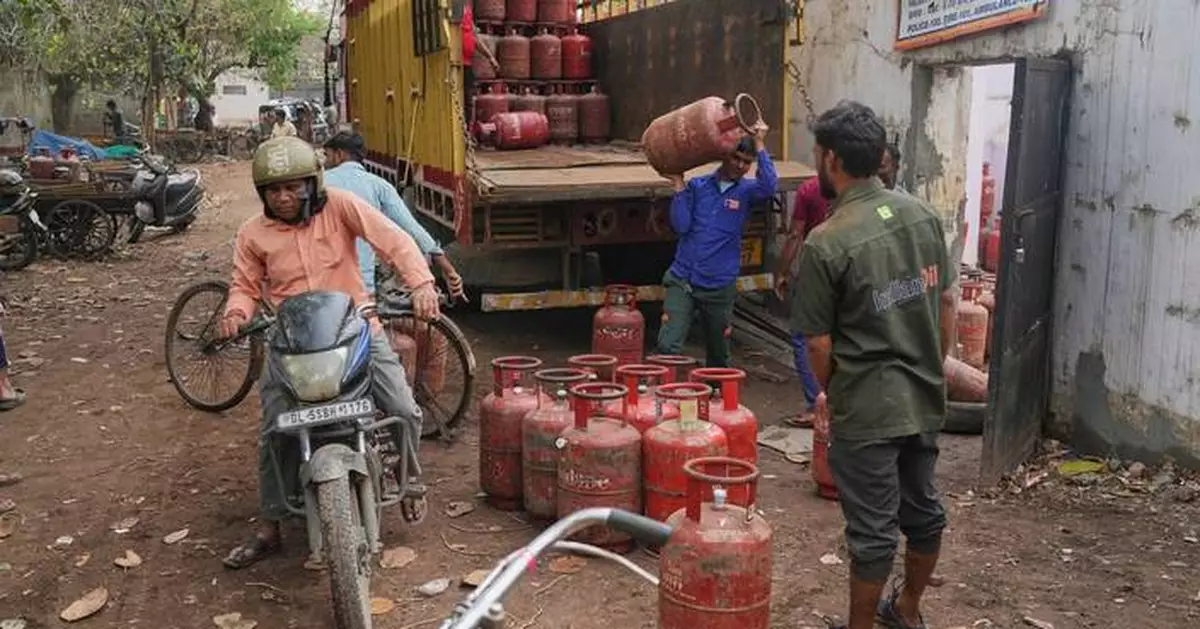
FILE - Workers unload gas cylinders from a truck at a distribution depot in New Delhi, March 19, 2026. (AP Photo/Manish Swarup, File)
“I used to get a cylinder of LPG for 1,000 rupees ($11), now I pay 3,000 rupees ($31) in the black market,” he said.
On the other side of the country, in the coastal city of Chennai, Sushmita Sankar, an advertising executive, said her gasoline and cooking fuel expenses are skyrocketing because of the war. Sankar said gasoline blended with ethanol — the default mix available at fuel stations now — is also worsening her car's mileage.
“Fuel expenses are increasing and with only ethanol mixed petrol available, I feel my car’s mileage has reduced in the last year or so," she said. “Already our days are busy with work and taking care of our child’s school and other needs. Having to now spend a lot of time to fill my car or buy LPG is making things even more hectic.”
Against the backdrop of cooking gas shortages and crude oil price increases, India has proposed letting vehicles run on 85%, or even 100%, ethanol. India has also banned all exports of sugar at least through September to ensure a local supply of sugar, but also to ensure enough raw material is available if ethanol blending levels are to be increased.
The government claims more ethanol will reduce vehicle pollution, but drivers have concerns about mileage. Environmental experts also say that producing corn, rice and other grains for ethanol can take away from food and livestock needs.
Asia was first and hardest hit by fossil fuel disruptions caused by the Iran war's closure of the Strait of Hormuz, a critical shipping artery for energy.
As nations brace for a second wave of impacts, governments want to use more biofuels to slash fuel imports. Indonesia and Malaysia are also pushing policies to increase fuel mixing with palm oil-based substitutes, though experts warn this could drive agricultural expansion and deforestation.
Despite this war-driven interest, it may still take years for higher fuel blends to hit the road in Asia because of time needed for developing supply chains, researching new blends and testing vehicle compatibility.
Prime Minister Narendra Modi asked Indians this month to make “nationally responsible choices" to save fuel by using more public transport, carpooling and skipping international travel.
India imports nearly 90% of its crude oil, so the Iran war has hampered vehicles that need gasoline and millions of homes and restaurants that need LPG. Industries that require natural gas have also been affected. Meanwhile, a national electric grid that runs mostly on coal and some renewables has kept the lights on.
After the Iran war started, the Indian government responded by diversifying their oil sources and proposing higher biofuel blends, but this has only cushioned the shock a little, said energy experts.
Most fuel pumps in India now sell a 20% ethanol blend after the country achieved its goal to roll the blend out nationally in 2025, five years ahead of a government target. Policymakers are considering increasing the blend across all gasoline up to 27% by 2030. The recent announcement by India's transport ministry proposing to allow vehicles that run on 85% ethanol, or even fully on it, is the strongest signal so far to automobile makers to begin producing vehicles compatible with such high blending. The timeline for these even higher blends is still unclear.
"Moving toward higher ethanol blends reflects the government’s long-term vision for energy security, lower emissions, and reduced dependence on imported crude oil,” said Chandra Kumar Jain, president of the Grain Ethanol Manufacturers Association.
India's 20% ethanol blend led to a 2.5% reduction in crude oil imports in 2025, according to the Institute for Energy Economics and Financial Analysis.
Any oil import reduction is good, but a downside of the rapid pace of fuel blending is policy uncertainty and confusion among automobile manufacturers, said Charith Konda of IEEFA.
Southeast Asia similarly sees bioenergy as a way to shield itself from the current crisis and future shocks, according to Reza Yosri, an energy expert at the consultancy Ramboll.
Indonesia wants to increase fuel blending to 50% biodiesel, up from 40%, under a program launched in March by President Prabowo Subianto, who said, “We are going in a big way to biofuel."
The biofuel initiative is part of Indonesia's push for “energy sovereignty" in response to the recent fuel disruptions, according to Putra Adhiguna of Jakarta-based Energy Shift Institute.
Fuel blending will also help Indonesia develop a local market for the palm oil it sells globally, he said. But he cautioned that land clearing and deforestation must be monitored.
In April, Malaysia approved a proposal to gradually increase its fuel mixing to 15% biodiesel and 85% fossil diesel, with a future 20% blend under consideration.
Skyrocketing fuel costs have “revived the idea," said Ahmad Rafdi Endut, a Kuala Lumpur-based energy analyst. However, he cautioned that higher concentrations will need more testing and consumers are wary about reduced mileage.
While ethanol blending is often presented as a substitute for gasoline, experts warn that it is more complicated.
Shyamasis Das of the New Delhi-based Centre for Social and Economic Progress said it's not clear how higher blends would affect current engines, and it will take time to scale up manufacturing for engines that can run on the even higher concentrations.
Drivers may notice trade-offs. Ethanol is less energy-dense than gasoline, meaning vehicles tend to consume more fuel to cover the same distance, Das explained.
Concerns also remain that the crops needed for ethanol could compete with the food supply, raising prices and increasing water stress, according to Das. In India, about 70% of ethanol comes from crops like sugarcane, corn and rice.
Producing a single liter (34 fluid ounces) of ethanol can require anywhere from 3,000 liters (792 gallons) to 10,000 liters (2,641 gallons) of water, a resource already under pressure in a country facing groundwater depletion.
While biofuels can reduce tailpipe emissions, their overall climate impact depends on their production.
Konda, the analyst with IEEFA, said that electric vehicles are likely a more efficient long-term solution, along with moving industries to renewable energy instead of fossil or biofuels.
The climate benefits of crop-based ethanol can be limited by factors including land use and water consumption, analysts say.
Das, with CSEP, said producing ethanol from materials that do not require additional land or water — like agricultural residues, municipal waste and used oils — is key.
“If the biofuel is not sourced from residues or waste, they are not usually treated as renewable," he said.
Delgado reported from Bangkok. AP video journalist Piyush Nagpal in New Delhi contributed to this report.
The Associated Press’ climate and environmental coverage receives financial support from multiple private foundations. The AP is solely responsible for all content. Find AP’s standards for working with philanthropies, a list of supporters and funded coverage areas at AP.org.
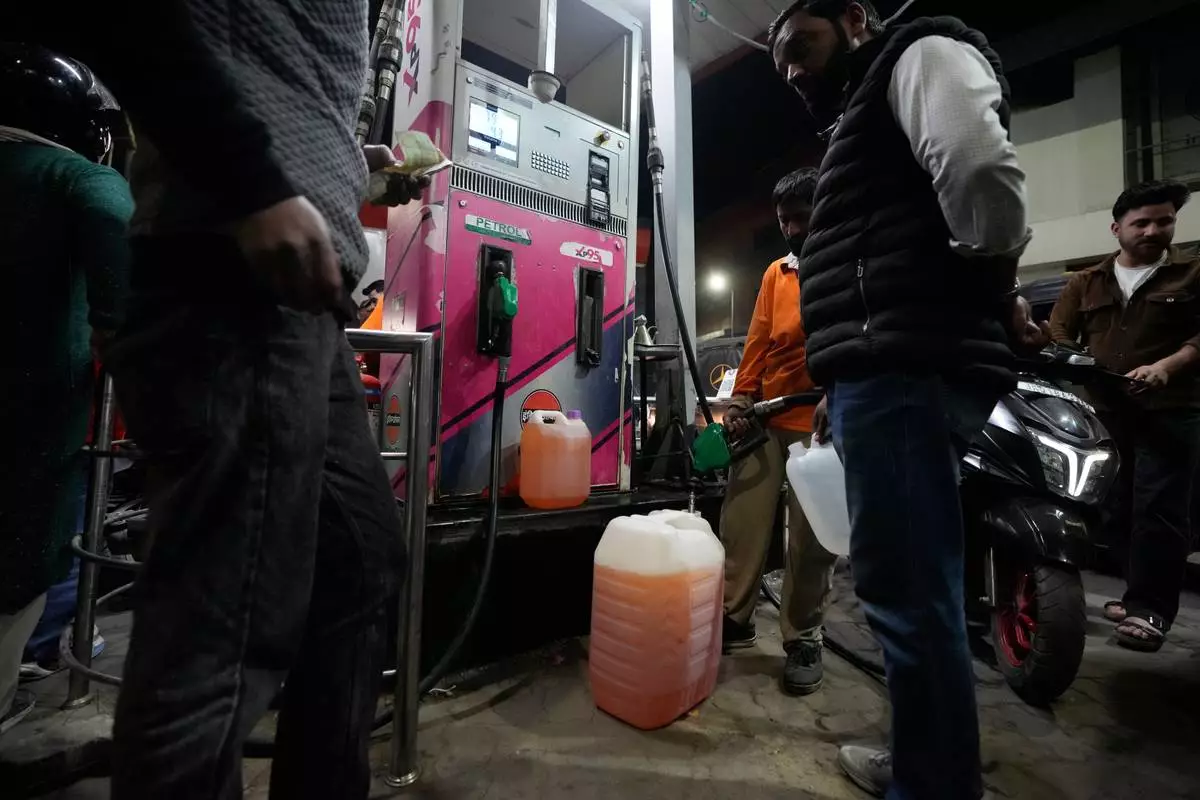
FILE - People store fuel in a plastic can at a petrol pump in Srinagar, Indian controlled Kashmir, March 25, 2026. (AP Photo/Mukhtar Khan, file)
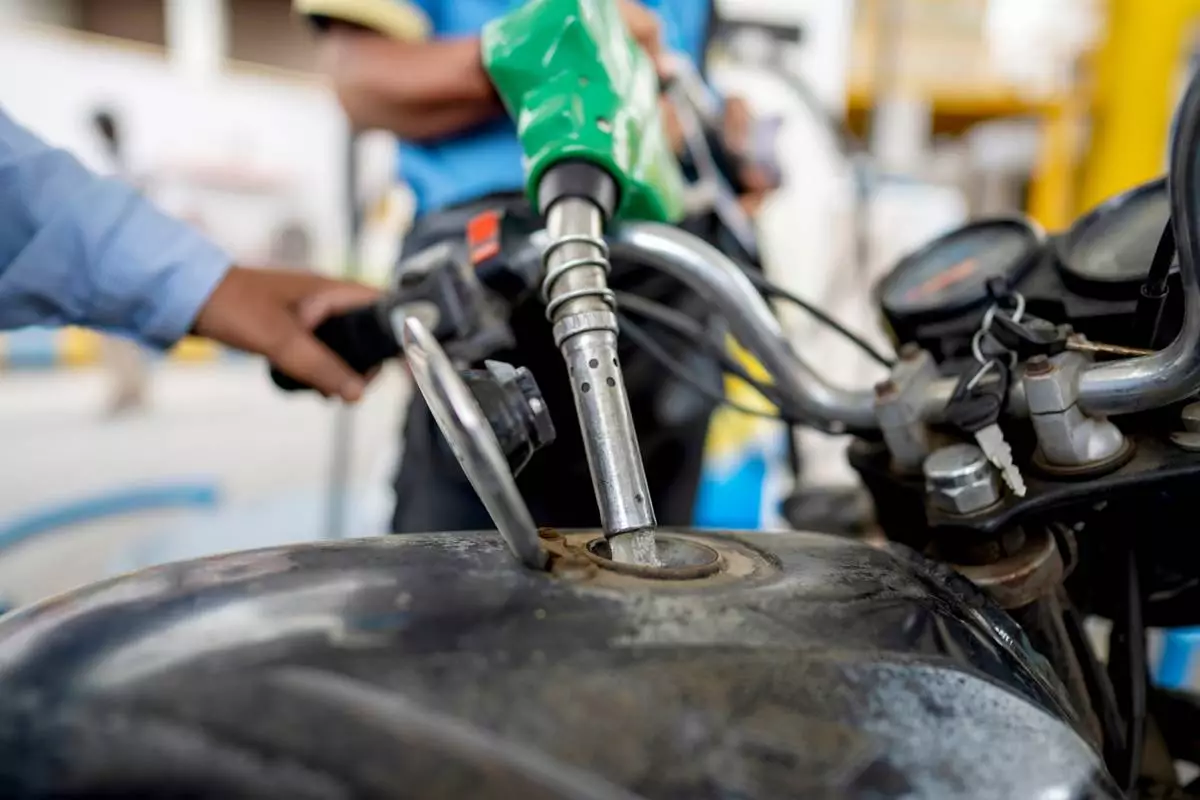
FILE - A man fills petrol in a two wheeler at a fuel pump in Prayagraj, in the northern Indian state of Uttar Pradesh, May 5, 2025. (AP Photo/Rajesh Kumar Singh, File)
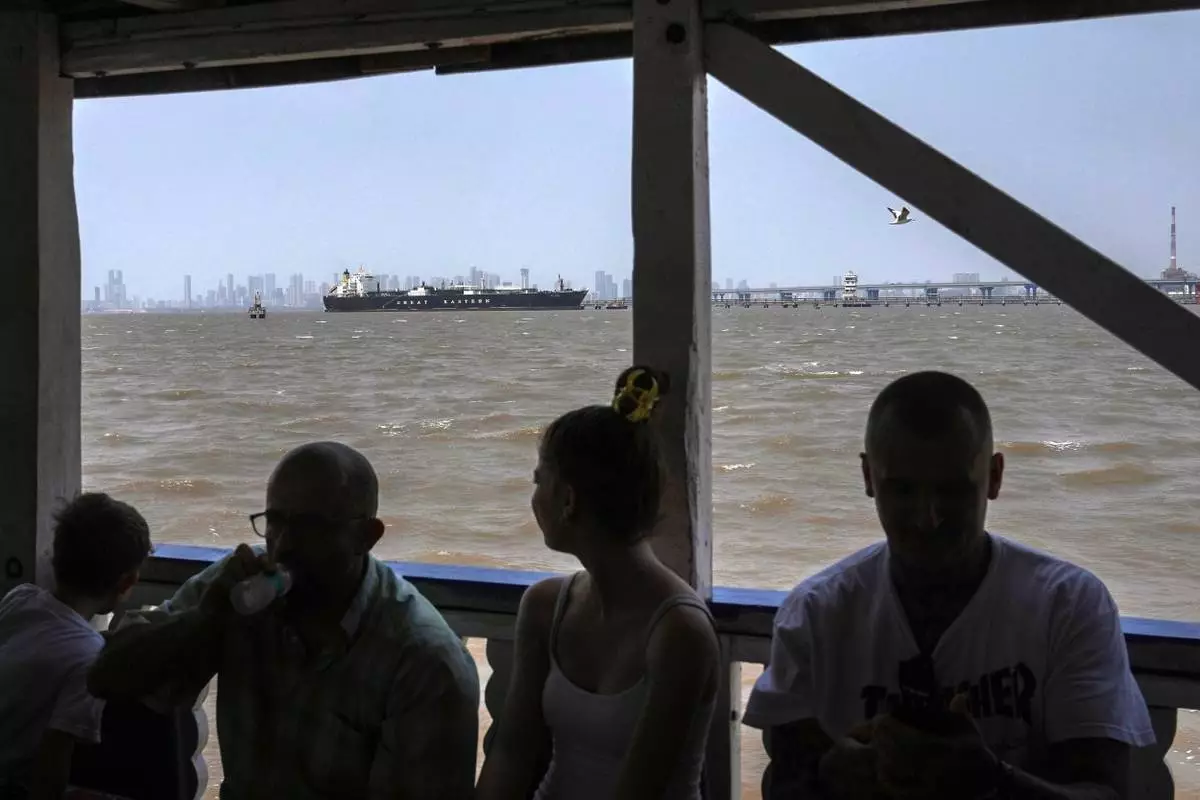
FILE - A tourist ferry sails past the Indian flagged LPG carrier Jag Vasant transporting liquefied petroleum gas, at the Mumbai Port in Mumbai, India, after it arrived clearing the Strait of Hormuz, April 1, 2026.(AP Photo/Rafiq Maqbool, File)
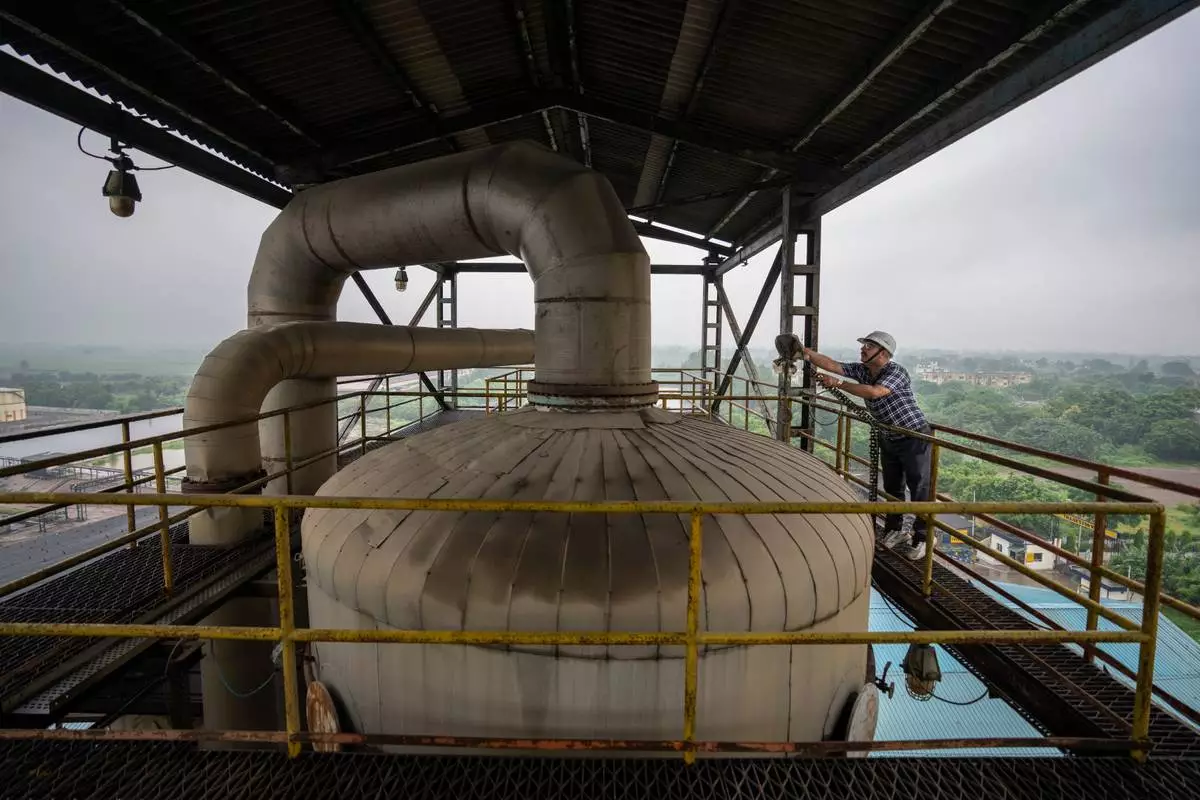
FILE - A technician works on the top deck of a distillery at Bajaj Hindustan Sugar factory that produces ethanol, a type of biofuel, in Meerut, India, Aug. 23, 2023. (AP Photo/Altaf Qadri, File)
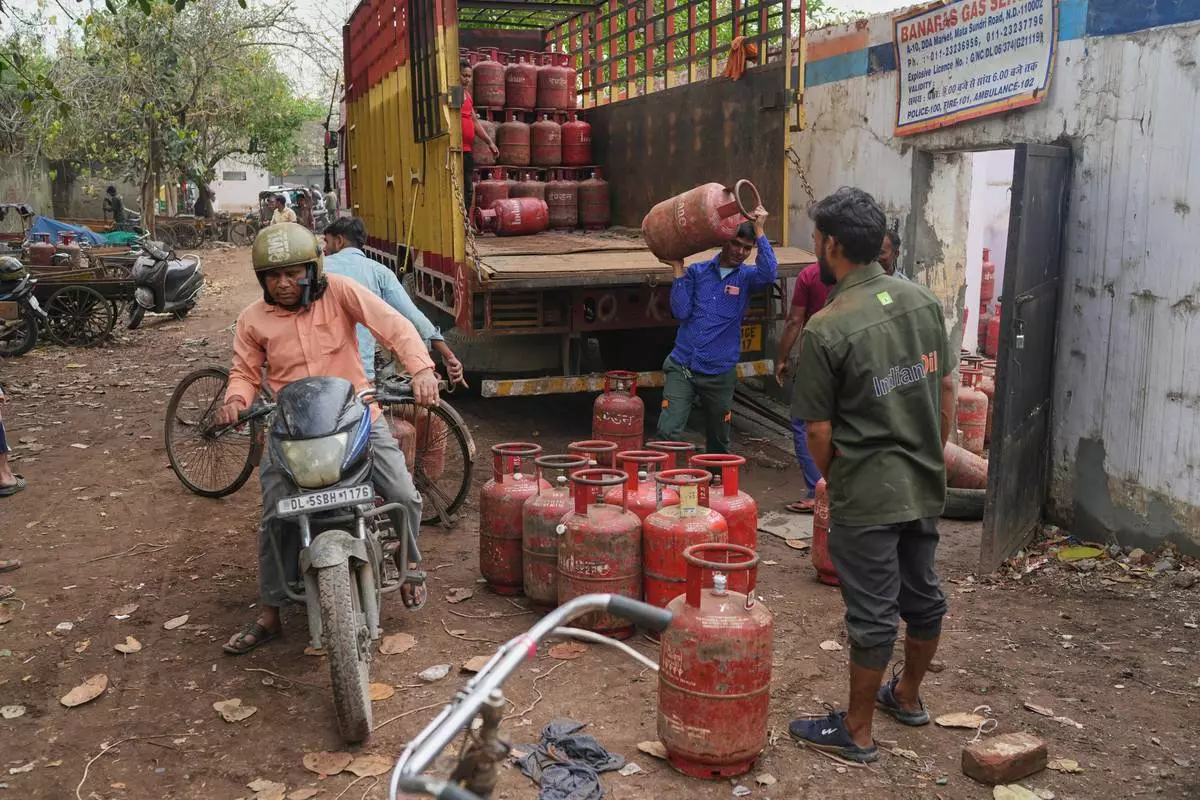
FILE - Workers unload gas cylinders from a truck at a distribution depot in New Delhi, March 19, 2026. (AP Photo/Manish Swarup, File)