The 2026 China Graduate Fashion Week opened in Beijing on Friday, highlighting the growing role of digital technology in student creativity.
The six-day event brings together more than 3,000 graduates from 59 universities across 21 provinces and regions in the mainland and Macao Special Administrative Region, as well as design schools from Russia, South Korea, Italy and Britain. Organizers said this year's edition is the largest to date, featuring 91 activities ranging from 44 runway shows and exhibitions of educational achievements to innovation workshops and recruitment fairs.
A focus of the fashion week this year is the integration of art and engineering, with AI-assisted design, 3D modeling, virtual garments and intelligent pattern-making incorporated into the creative process. Organizers said the aim is to break traditional fashion boundaries and foster integration between technology and aesthetics.
"The creation perspective of young students are more aligned with the spirit of the times. They keep pace with the digital wave, and use AI-assisted tools, 3D modeling and digital pattern-making in many of their designs. Whether it is generating traditional patterns, optimizing fabric textures, or virtually rendering garments, digital visual creation leverages intelligent technology to bring ideas to life," said Zhu Shaofang, vice president of China Fashion Association.
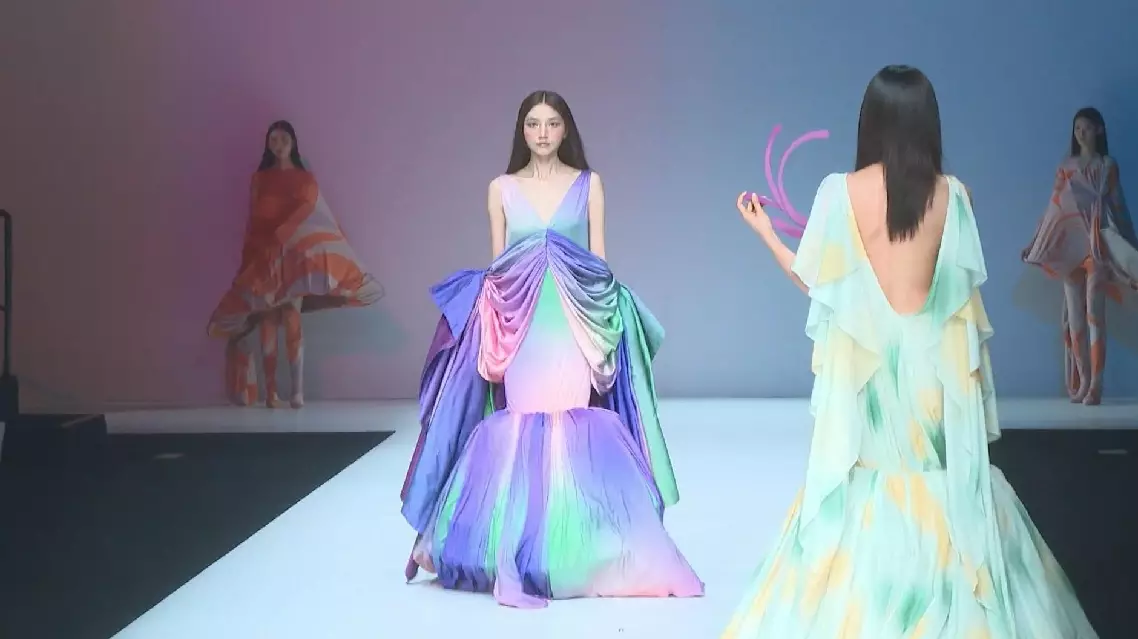
2026 China Graduate Fashion Week opens in Beijing
Delegates from member cities of the UNESCO Creative Cities Network (UCCN) gathered in Wuxi, east China's Jiangsu Province, on Friday, for a dialog to explore how cultural creativity can help drive sustainable urban and industrial development.
Running through Saturday, the event has brought together representatives from more than 10 cities across over 10 countries, including France and Spain.
Wuxi joined the network last October as "Creative City of Music." Jiangsu Province now has five cities included in the UCCN.
The network aims to promote cooperation among cities that identify creativity and culture for key factor of urban development.
"It's also a way for cities to demonstrate what they are doing in terms of strategies, in terms of initiatives, in terms of policies at a local level, how they can use culture and creativity to build more resilient, safe, inclusive, and culturally cities," said Denise Bax, secretary of the UCCN.
Representatives from other "Cities of Music" around the world shared their thoughts on how music could be further integrated into local development and international cooperation.
"A lot of students are from China in our conservatory, and I think that this is one of the first steps that we can connect with Wuxi. Then we are interested to learn the strategy of Wuxi and most of all in involving young generation in the music, creativity, and public policy about music and creativity," said Daniele Vimini, vice mayor of Italy's Pesaro.
Established in 2004, the UCCN aims to promote cooperation with and among cities that have identified creativity as a strategic factor for sustainable urban development. So far, the network includes 408 cities from more than 100 countries.
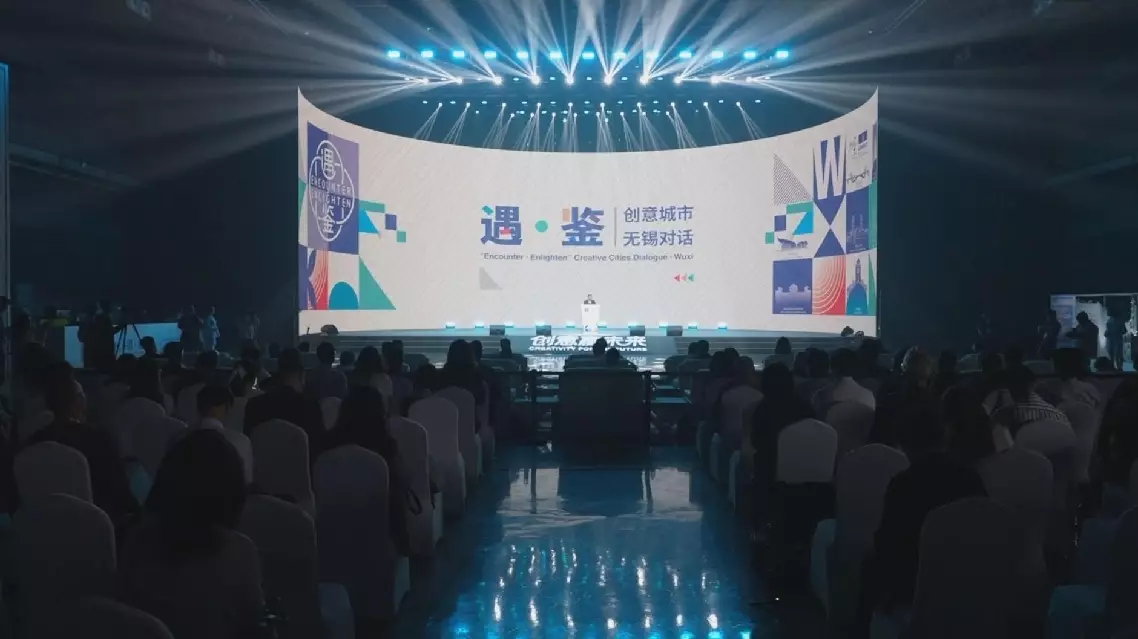
Creative cities dialog opens in Wuxi