HKSAR Government activates alert response level of Ebola preparedness and response plan
In response to the World Health Organization (WHO) declaring that the epidemic of Ebola disease in the Democratic Republic of the Congo and Uganda constitutes a Public Health Emergency of International Concern today (May 17), the Hong Kong Special Administrative Region (HKSAR) Government announced on the same day the activation of the Alert Response Level in accordance with the Preparedness and Response Plan for Ebola Virus Disease (the Response Plan) to safeguard public health.
According to the WHO's notification, the epidemic of Ebola disease has been determined to be caused by the Bundibugyo virus disease (BVD), a strain of the Ebola virus genus. As of yesterday (May 16), at least three areas in Ituri Province of the Democratic Republic of the Congo had reported eight confirmed cases of Ebola disease, along with 246 suspected cases and 80 suspected deaths. Kinshasa in the Democratic Republic of the Congo has also reported a laboratory confirmed case, involving an individual who had returned from Ituri Province. Uganda, a neighbouring country, recorded two confirmed cases (one of them died) within 24 hours of each other on May 15 and 16. Both patients were from the Democratic Republic of the Congo.
Several areas in Ituri Province have reported unusual clusters of community deaths with symptoms compatible with Ebola disease. These clusters are increasing in number. Suspected cases have also been reported in North Kivu Province. In addition, affected areas have reported at least four deaths among healthcare workers who died after exhibiting symptoms of suspected viral hemorrhagic fever. Initial samples collected have shown a high positivity rate, with eight positives among the 13 samples collected in various areas. Taking various factors into account, the WHO believes that there is a potentially much larger outbreak than what is currently being detected and reported, with significant regional risk of spread. Furthermore, there are currently no specific therapeutics or vaccines for BVD.
The Centre for Health Protection (CHP) of the Department of Health stated that it has proactively sought further information from the WHO, the Africa Centers for Disease Control and Prevention, and the health authorities of the Democratic Republic of the Congo and Uganda. In response to the WHO's announcement and the latest epidemiological situation, the HKSAR Government has activated the Alert Response Level, the lowest of the three levels under the Response Plan.
The Response Plan sets out the Government's preparedness and response plan in case of an outbreak of Ebola disease. A three-tier response level is adopted in the Response Plan. Three response levels, namely Alert, Serious and Emergency, are based on the risk assessment of the Ebola disease that may affect Hong Kong and its health impact on the community. Viral haemorrhagic fever (including Ebola disease) has been a notifiable infectious disease in Hong Kong since July 2008. Suspected or confirmed cases of Ebola disease must be promptly reported to the CHP for investigation, control and surveillance.
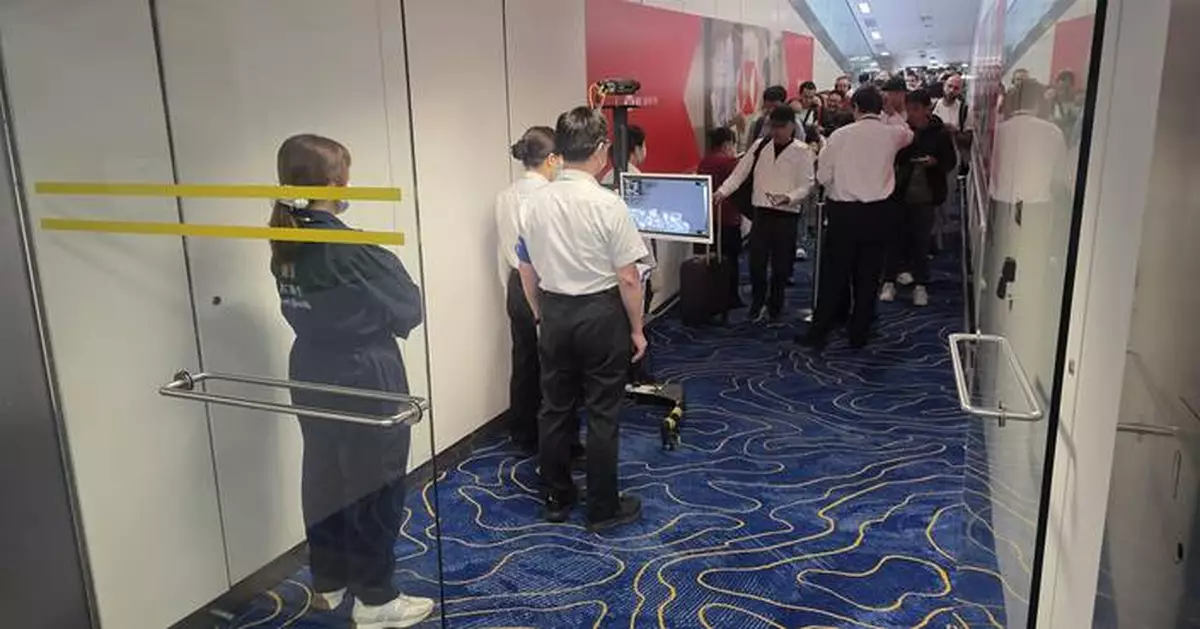
Locally, there has been no confirmed Ebola disease case to date. Although the immediate health impact of Ebola disease on the local population is currently low, the CHP is implementing a series of prevention and control measures to strictly guard against imported cases:
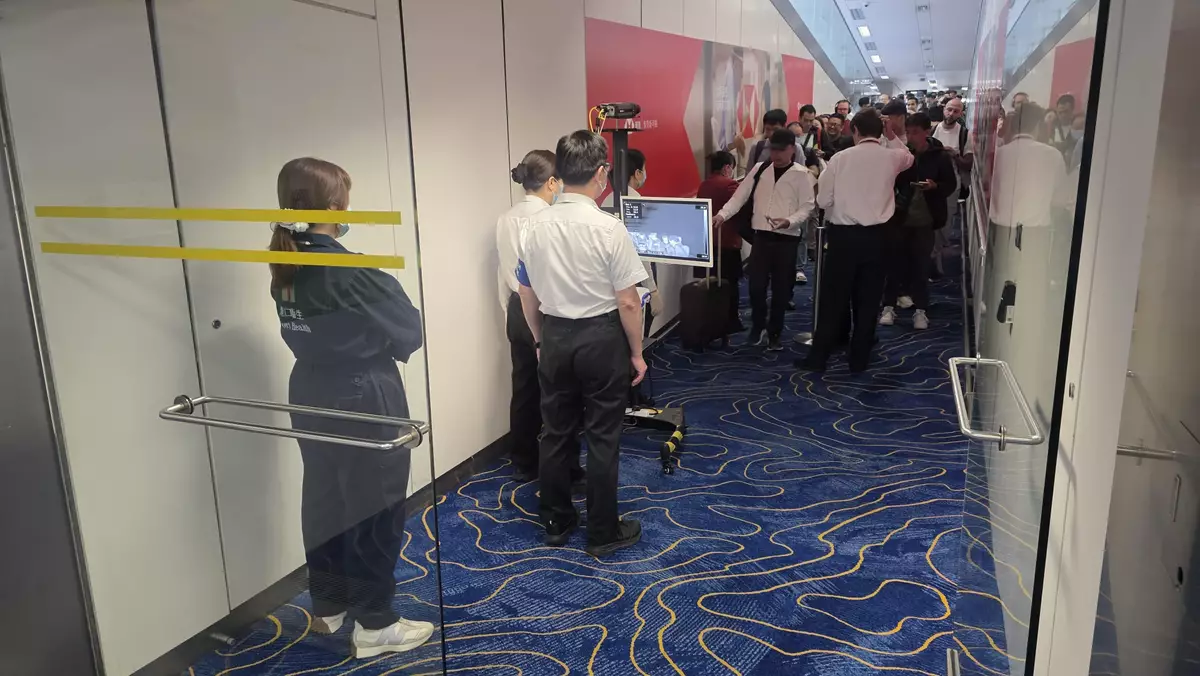
The CHP will continue to closely monitor the latest developments overseas and the latest recommendations from the WHO, and will take appropriate follow-up and prevention and control measures based on risk assessments to safeguard public health and the health of the public.
Ebola disease is a severe acute viral illness. Six viruses of the Ebola virus genus have been identified, including the BVD involved in the current outbreak. The virus is transmitted to humans through close contact with the blood, secretions, organs, or other bodily fluids of infected animals. Human-to-human transmission resulting from direct contact (through broken skin or mucous membranes) with the blood, secretions, organs or other body fluids of infected people, and indirect contact with environments contaminated with such body fluids. According to information from the WHO, the case fatality rates from past Ebola outbreaks range between 25 per cent and 90 per cent, and the average is around 50 per cent. Locally, viral haemorrhagic fever (including Ebola disease) is one of the statutory notifiable infectious diseases in Hong Kong.
Although no confirmed cases of Ebola have ever been recorded in Hong Kong, as an international city, Hong Kong has always remained vigilant in peacetime and stayed alert constantly. Hong Kong has fully prepared for epidemic prevention and control. This includes developing the Preparedness and Response Plans to address a potential Ebola disease outbreak and conducting drills with local stakeholders to ensure readiness for disease prevention and control, thereby safeguarding public health.
The CHP urged the public to avoid visiting affected regions unless absolutely necessary. While travelling abroad, it is important to maintain good personal and environmental hygiene:
Members of the public wishing to learn more about the Ebola disease and related travel health advice may visit the CHP website (www.chp.gov.hk/en/features/34199.html) or the Travel Health Service website (www.travelhealth.gov.hk/english/outbreaknews/outbreaknews.html).
HKSAR Government activates alert response level of Ebola preparedness and response plan Source: HKSAR Government Press Releases