Amid persistent geopolitical uncertainties, the Hong Kong Trade Development Council (HKTDC) released a research report on Monday (May 18) entitled "Hong Kong's Connecting Opportunities in Central Asia."
Speaking at the report's launch, Mr. Bruce Pang, HKTDC Director of Research, described Central Asia as the geographical core of the Silk Road Economic Belt and the primary land link between Asia and Europe. He noted that the inaugural biennial China-Central Asia Summit (2023) and the subsequent 2025 summit established a specialised, high-level diplomatic framework between the Chinese Mainland and Central Asian countries.
Click to Gallery
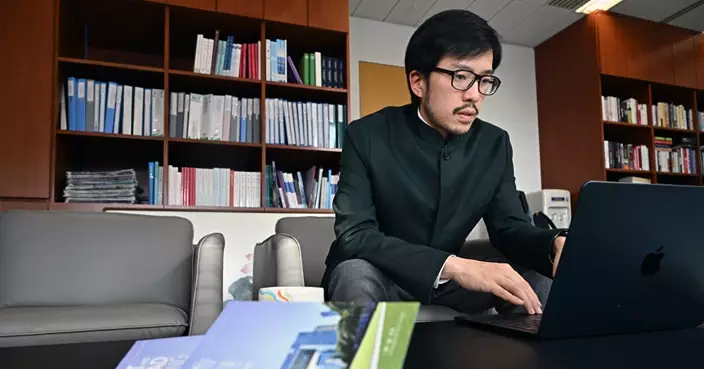
Mr. Bruce Pang, HKTDC Director of Research, Photo by Bastille Post
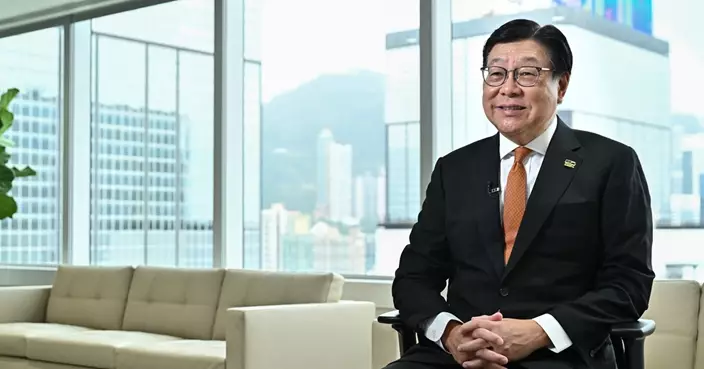
Ms. Alice Tsang, Principal Economist (Global Research Team) of HKTDC, Photo by Bastille Post
According to Hong Kong's Census and Statistics Department, Hong Kong's main export categories to Central Asian countries were: telecommunications equipment (35.5%), other goods (30.7%), and computers (16.4%) in 2025.
Left: Ms. Alice Tsang, right: Mr. Bruce Pang, Photo by Bastille Post
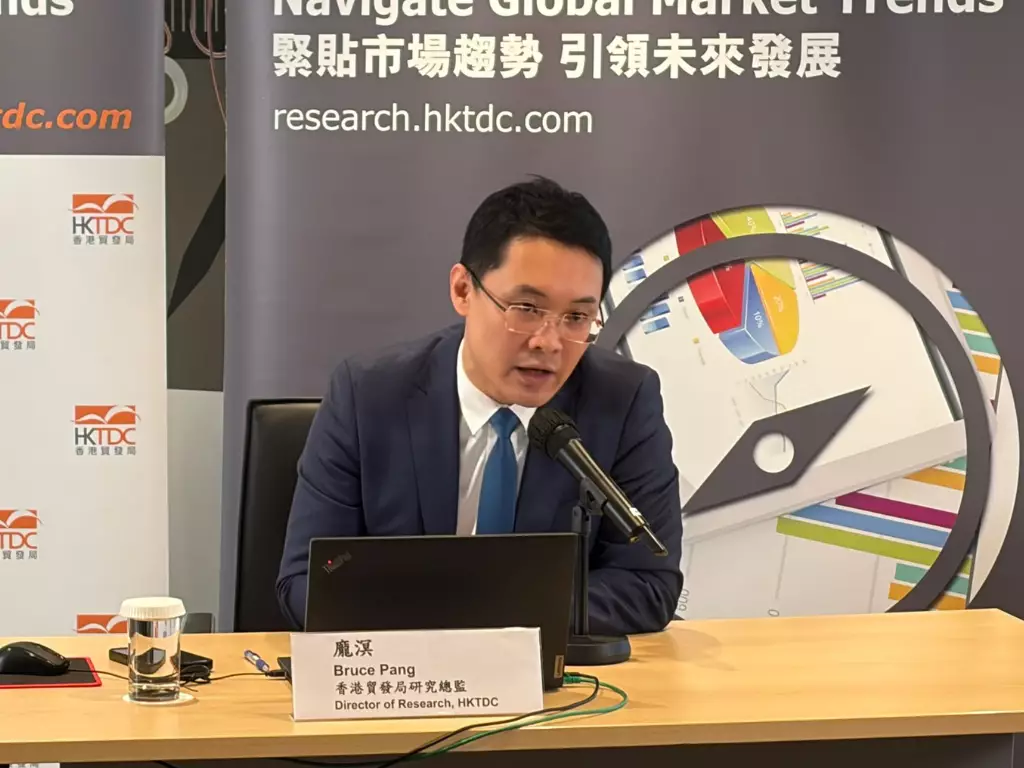
Mr. Bruce Pang, HKTDC Director of Research, Photo by Bastille Post
According to data from the Ministry of Commerce, ongoing structural reforms, economic diversification, and improvements to investment and business environments present new opportunities for bilateral cooperation between China and Central Asian countries. Moreover, sustained economic growth, coupled with a youthful and dynamic demographic, ensures long‑term market vitality.
Mr. Pang pointed out that in 2024, Kazakhstan absorbed US$6.2 billion (52%), and Uzbekistan attracted US$2.2 billion (19%) of the Chinese Mainland’s investment in Central Asia in 2024. The Mainland’s investment in Uzbekistan rose from US$882 million in 2015 to US$2.2 billion in 2024, representing a compound annual growth rate of 10.7% over the period. He mentioned that Kazakhstan remains the largest investment destination for the Mainland in Central Asia.
Citing data from the General Administration of Customs, Mr. Pang said continuous growth has been observed in bilateral trade between the Chinese Mainland and Central Asian countries. Among them, Kazakhstan is the largest trading partner with the Mainland of the region, with the trade value of US$48.8 billion, accounting for 46% of the region’s trade in 2025.
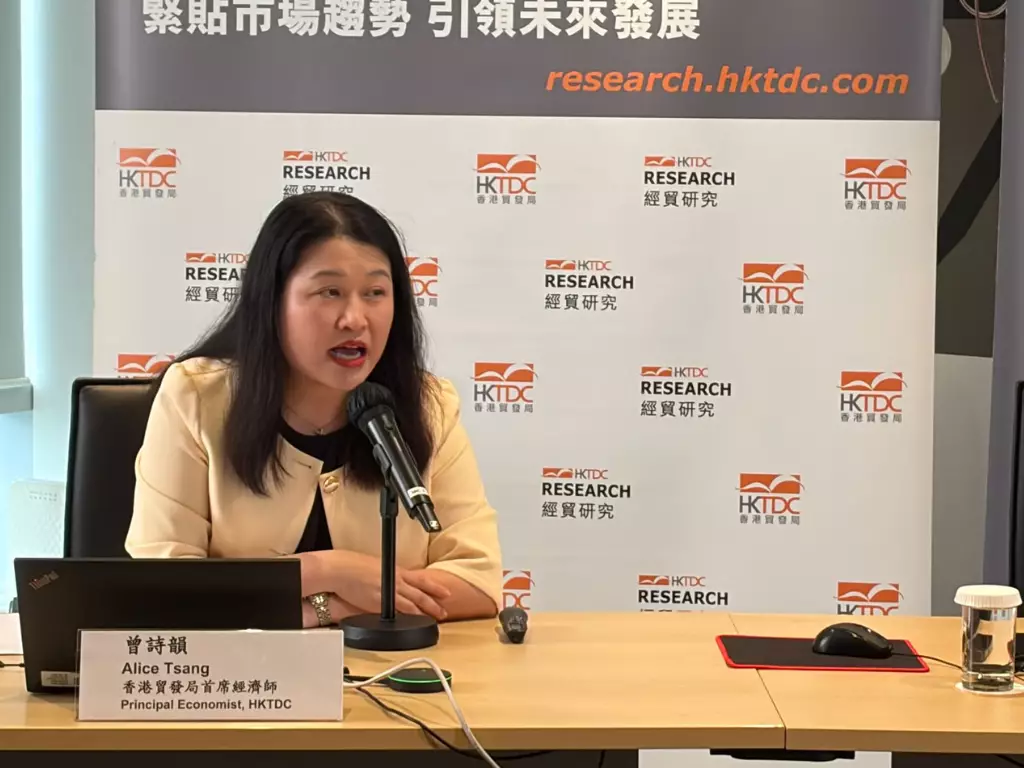
Ms. Alice Tsang, Principal Economist (Global Research Team) of HKTDC, Photo by Bastille Post
Ms. Alice Tsang, Principal Economist (Global Research Team) of HKTDC, noted that Kazakhstan is the primary regional hub for business and investment in Central Asia, and the largest economy of Central Asia, with 53% of the region's GDP in 2025. She highlighted that Kazakhstan is also the most favourable FDI destination in Central Asia, with a volume of US$151 billion in 2024, accounting for about 70% of the region's inward FDI stock. Furthermore, it is currently the only Central Asian country with direct, operational rail links to the Chinese Mainland.
Ms. Tsang pointed out that the Astana International Financial Centre (AIFC), established in 2018 with an English Common Law jurisdiction, presents an opportunity for international financial institutions to enter the Central Asian market under a more familiar common law legal framework. With the favourable tax regime and incentives provided by the special economic zone, AIFC has attracted over US$21 billion in investment and 5,500+ registered companies since its establishment as of March 2026. As of the first half of 2025, 14 Hong Kong companies and 725 Chinese companies are registered with the AIFC.
She also noted that the Development Bank of Kazakhstan has issued a RMB 2 billion dim sum bond in Hong Kong in September 2025, marking the first-ever yuan-denominated bond issued by a government-owned Central Asian issuer. Kazakhstan's national company KazMunayGas has successfully issued a dim sum bond in the amount of RMB 1.25 billion in Hong Kong in October 2025, while Jiaxin International Resources Investment Limited, a Chinese mineral extraction company operating in Kazakhstan, debuted on the Hong Kong and Kazakh stock exchanges on 28 August in the world’s first such dual listing.
As for Uzbekistan, Ms. Tsang said the country aims to obtain full WTO membership by the end of this year. With alignment of legal and standards with the international community, as well as its improvement in market access and reduced technical barriers, Uzbekistan targets achieving a GDP of US$160 billion and a per capita income of US$4,000 in 2030, aiming to double the volume of exports to US$45 billion and increase the share of the private sector in the economy to 85%.
Mr. Pang noted that Kazakhstan and Uzbekistan are Hong Kong's key trading partners in Central Asia. According to Hong Kong's Census and Statistics Department, Hong Kong's exports to Central Asia reached US$313.4 million in 2025, while imports from the region stood at US$10.3 million. In 2025, Hong Kong's main export categories to Central Asian countries were: telecommunications equipment (35.5%), other goods (30.7%), and computers (16.4%).
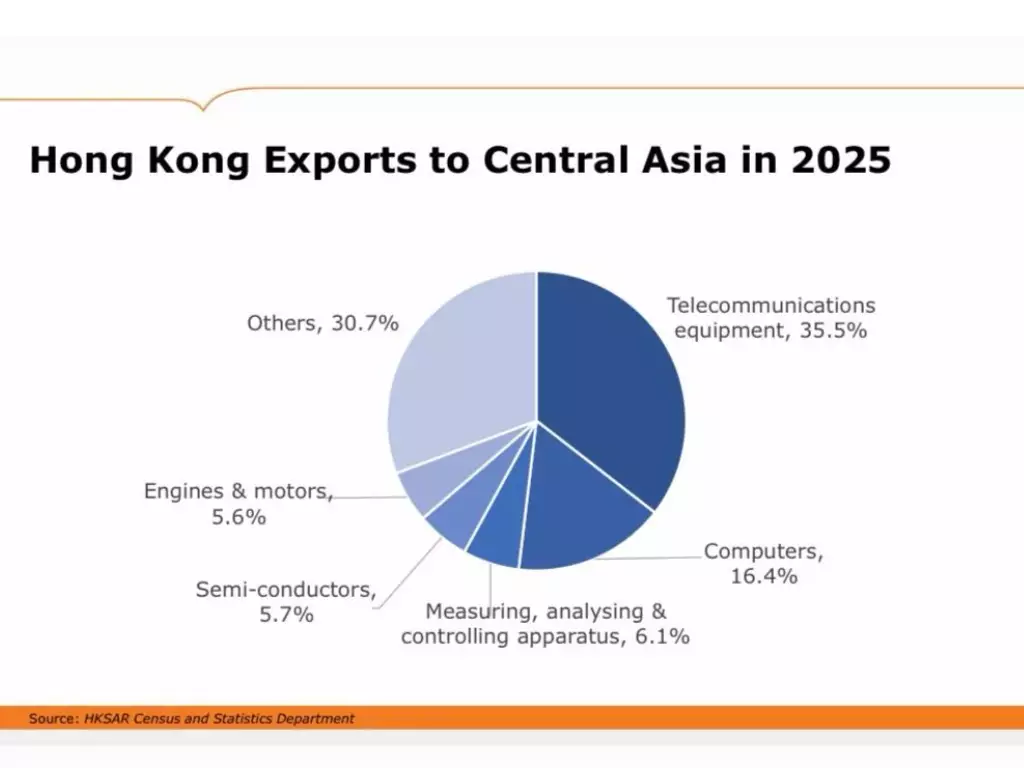
According to Hong Kong's Census and Statistics Department, Hong Kong's main export categories to Central Asian countries were: telecommunications equipment (35.5%), other goods (30.7%), and computers (16.4%) in 2025.
For the potential collaboration between Hong Kong and Central Asian countries, Mr. Pang outlined four main areas where Hong Kong can seize opportunities: logistics, goods trade, gold trade, and finance. He specifically noted that in gold trade and finance, Hong Kong can leverage Central Asia's significant gold reserves to partner with its world-class trading, clearing, and storage ecosystem. As for finance, he pointed out that Hong Kong can address substantial funding requirements for large-scale industrial upgrades and infrastructure development.
When asked how Hong Kong can facilitate Central Asian businesses, Mr. Pang raised several suggestions: providing regional logistics management and distribution hub services; offering advice on international trade compliance and quality control; and connecting firms to GBA and Southeast Asian client bases.
He also said Hong Kong can offer access to diverse institutional and private capital pools, facilitate debt financing, public listing on HKEX, and trade finance structuring to meet businesses’ capital needs, and provide standard compliance consultation, testing, and certification, as well as ESG advisory and sustainable investment support. As for digital Transformation solutions, he said that Hong Kong can offer AI, Fintech, and smart city solutions.
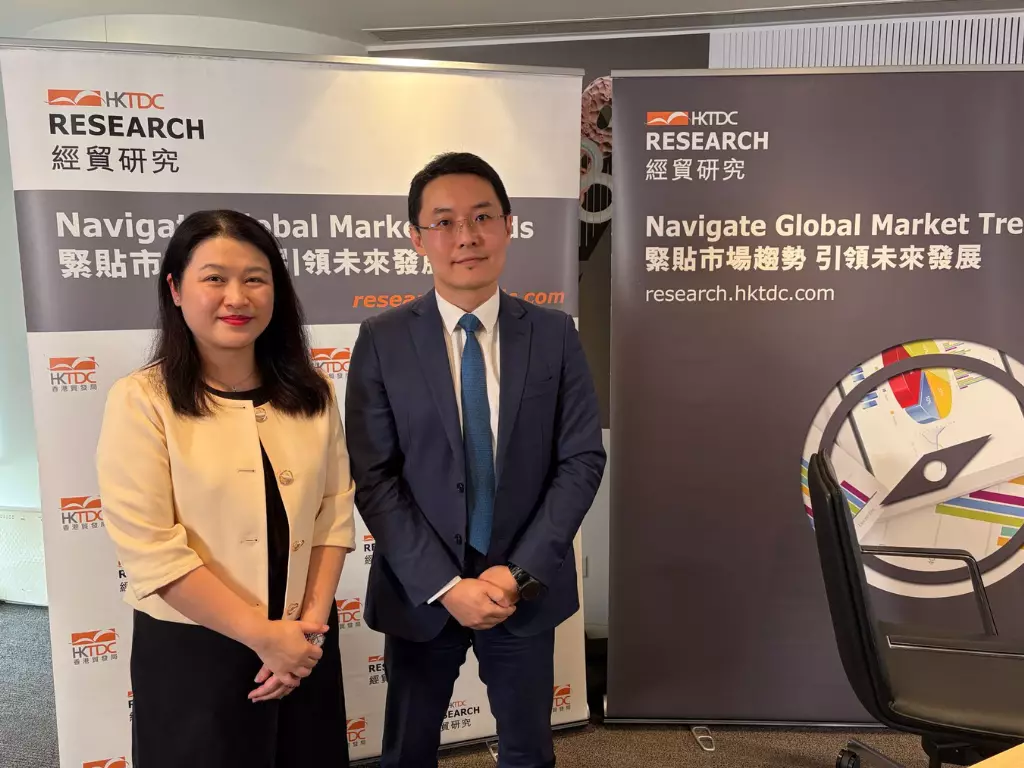
Left: Ms. Alice Tsang, right: Mr. Bruce Pang, Photo by Bastille Post
Asked whether the current lack of direct flights between Central Asian countries and Hong Kong would hinder business development, Mr. Pang acknowledged that air transport is a potential problem, but one that can be addressed through alternative routes. He pointed out that a bigger challenge is the language barrier. While Hong Kong businesses may initially operate in major cities in Kazakhstan and Uzbekistan, expanding to other cities would be far more challenging in the future. To build deeper relationships, Hong Kong merchants would need to navigate local languages such as Kazakh, Uzbek, and Russian.
Hong Kong Science and Technology Parks Corporation (HKSTP),in collaboration with InvestHK as co-organiser, the Hong Kong Trade Development Council (HKTDC) as supporting organisation, and five renowned local universities - The University of Hong Kong, The Chinese University of Hong Kong, The Hong Kong University of Science and Technology, The Hong Kong Polytechnic University and City University of Hong Kong - to form the city’s largest-ever delegation of life and health technology innovators to the BIO International Convention 2026 (BIO 2026) in San Diego, from June 22 to 25.
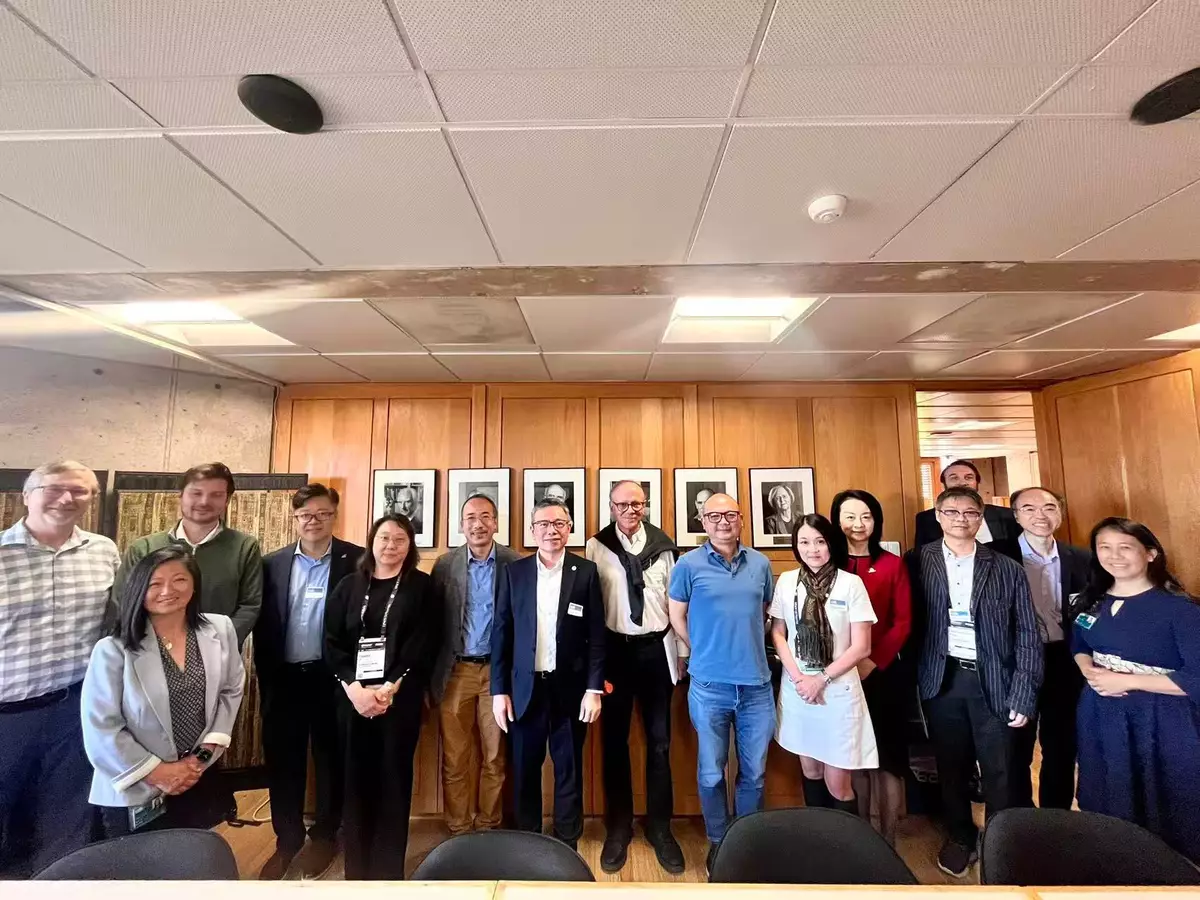
HKSTP CEO Terry Wong (6th from left back row in photo 6 and 4th from right in photo 7) and five Hong Kong university delegates visited the Salk Institute, home to six Nobel Laureates during BIO 2026 to explore partnerships and shape global biotech momentum through collaborative platforms.
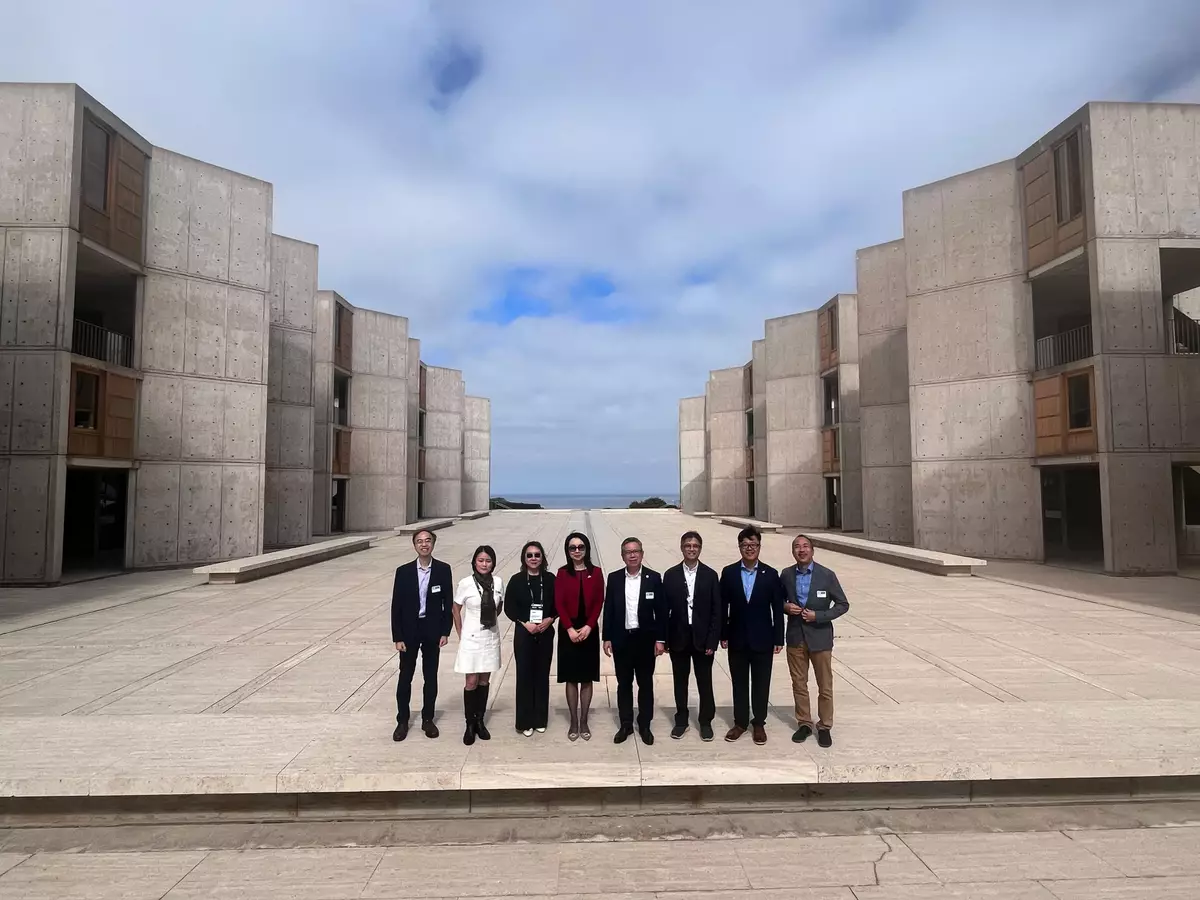
HKSTP CEO Terry Wong (6th from left back row in photo 6 and 4th from right in photo 7) and five Hong Kong university delegates visited the Salk Institute, home to six Nobel Laureates during BIO 2026 to explore partnerships and shape global biotech momentum through collaborative platforms.
Building on last year’s momentum, the 2026 Hong Kong delegation doubled the size of the Hong Kong Pavilion, expanding to a record of 41 organisations from HKSTP, including partner companies, research institutes, and for the first time with top five universities spin-offs. This landmark presence showcased Hong Kong’s deep strength across AI-enabled biotech, therapeutics, diagnostics, and pharma innovation, with potential outstanding "First-in-Class" and "Best-in-Class" assets. The delegation underscores the city’s leading role as Asia’s largest and the world’s second largest fundraising hub for the biotechnology sector.
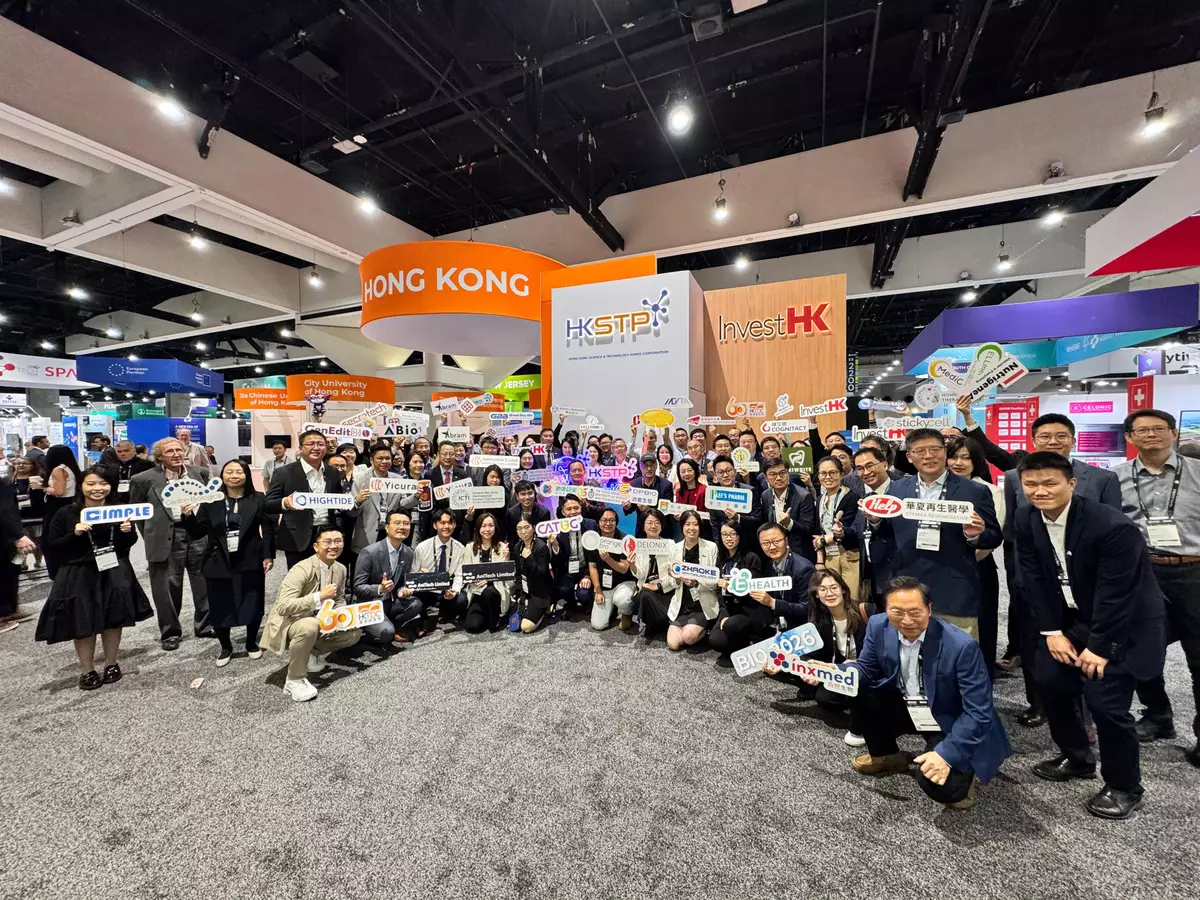
In collaboration with InvestHK and HKTDC, HKSTP led a delegation of 41 park companies,institutes and spin-offs from five renowned local universities to showcase the Hong Kong’s life and health technology innovations at BIO 2026 in San Diego.
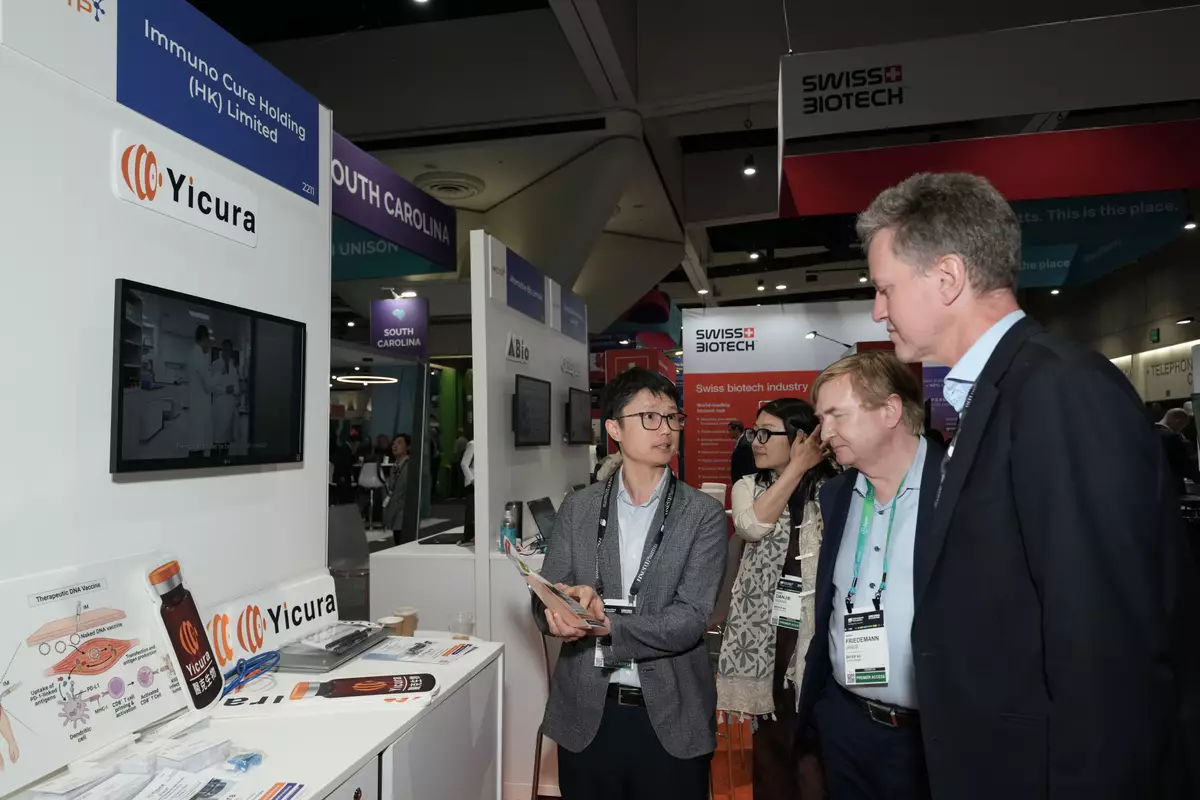
IIn collaboration with InvestHK and HKTDC, HKSTP led a delegation of 41 park companies,institutes and spin-offs from five renowned local universities to showcase the Hong Kong’s life and health technology innovations at BIO 2026 in San Diego.
Mr. Terry Wong, CEO of HKSTP, said, “BIO 2026 is a premier platform to showcase Hong Kong’s groundbreaking innovation, deepen partnerships, and open new pathways into global healthcare markets. As a super-connector, Hong Kong is uniquely positioned to bridge global innovators with opportunities across Asia and beyond. With strong R&D capabilities backed by world-class universities—five ranked among the QS Top 100, including two with medical schools now placed in the global top 20—Hong Kong’s biotech and medical research excellence is increasingly recognised worldwide. As the city’s innovation ecosystem orchestrator, HKSTP brings together talent, capital, research institutions, clinical partners, and industry leaders to accelerate the journey from discovery to impact. We will continue to empower life and health technology ventures, translating innovation breakthroughs into life-changing solutions that benefit communities around the world.”
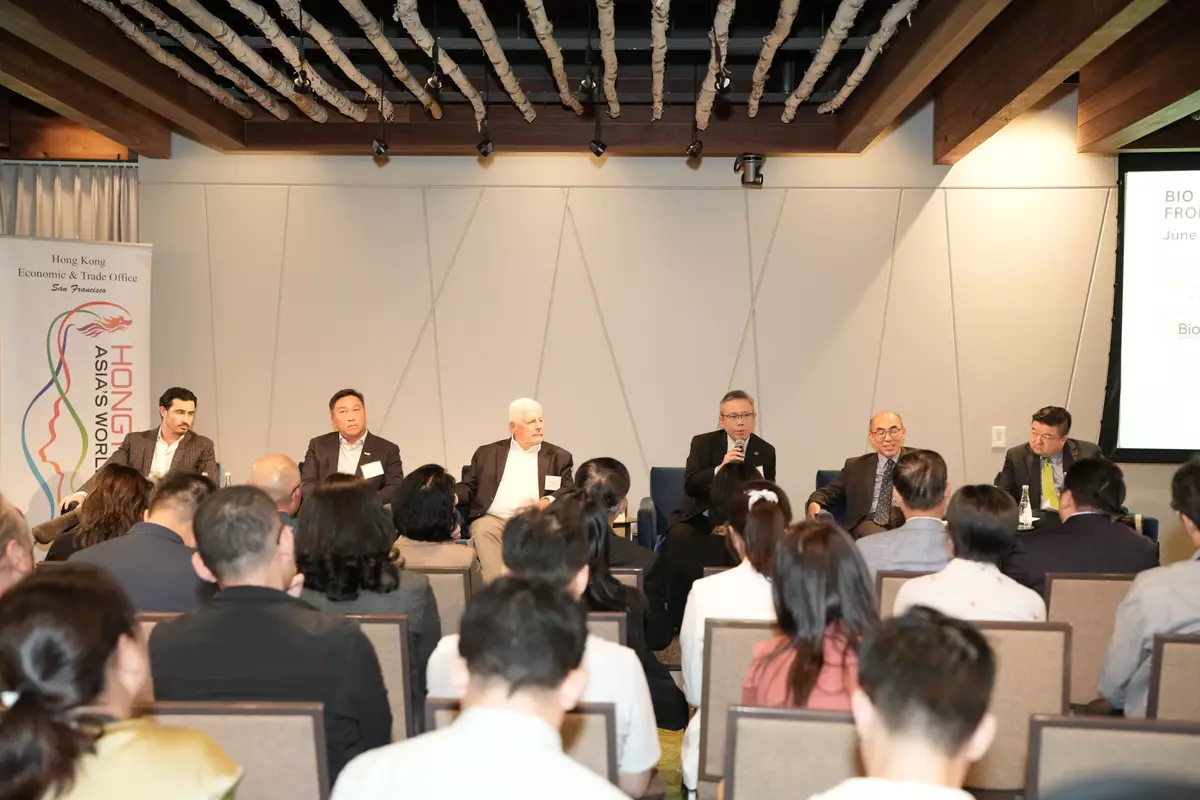
Terry Wong, CEO of HKSTP (3rd from right), introduced Hong Kong’s vibrant life and health technology ecosystem to local partners and investors at the fireside chat moderated by Director of HKETO, D.C. Cheung (2nd from right) during the “Bio Nexus HK: From Showcase to Partnership” event organised by the Hong Kong Economic and Trade Office in San Francisco (HKETO San Francisco) and HKTDC. Other speakers included: Joe Panetta, President Emeritus of Biocom (3rd from left); Andy Wong, Head of Innovation & Technology and Life & Health Sciences of InvestHK (2nd from left); Byron Lee, Associate Director, Service Promotion of HKTDC (1st from right); and Lucas Coleman, Director of World Trade Center San Diego (1st from left).
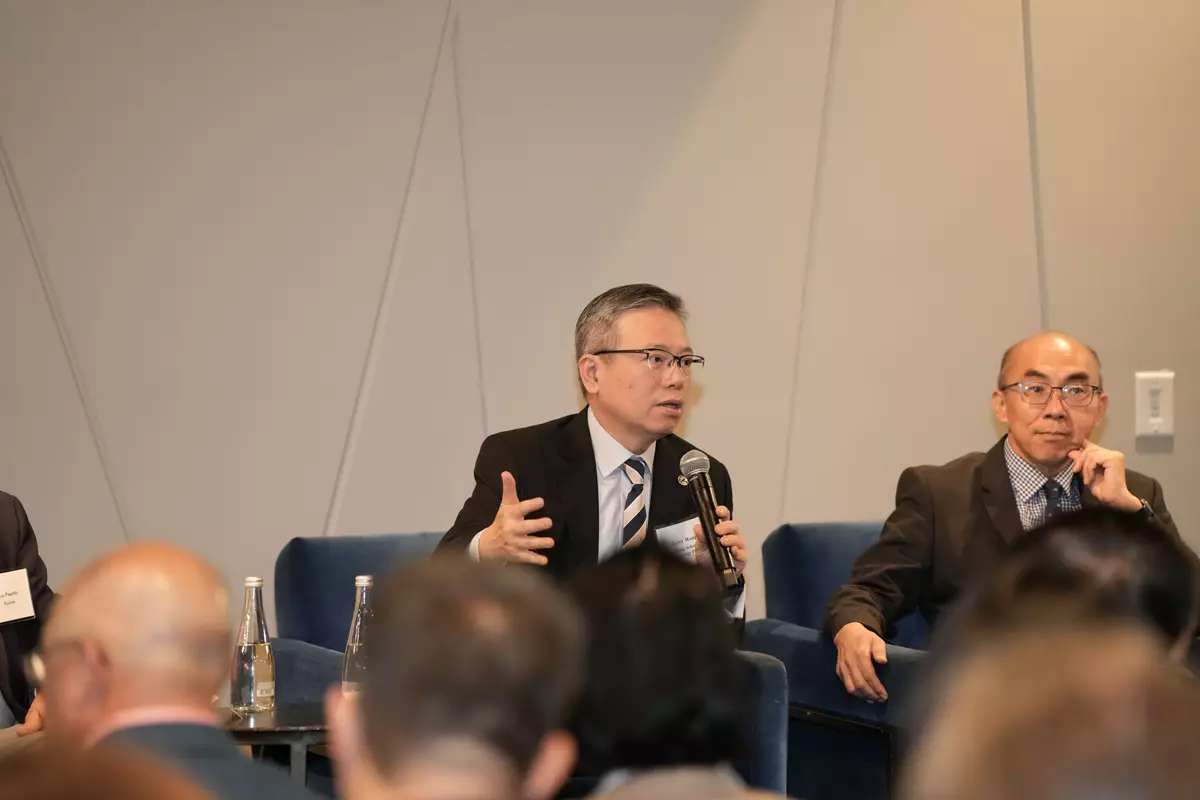
Terry Wong, CEO of HKSTP (3rd from right), introduced Hong Kong’s vibrant life and health technology ecosystem to local partners and investors at the fireside chat moderated by Director of HKETO, D.C. Cheung (2nd from right) during the “Bio Nexus HK: From Showcase to Partnership” event organised by the Hong Kong Economic and Trade Office in San Francisco (HKETO San Francisco) and HKTDC. Other speakers included: Joe Panetta, President Emeritus of Biocom (3rd from left); Andy Wong, Head of Innovation & Technology and Life & Health Sciences of InvestHK (2nd from left); Byron Lee, Associate Director, Service Promotion of HKTDC (1st from right); and Lucas Coleman, Director of World Trade Center San Diego (1st from left).
HKSTP and Park Companies Advanced in Cross-border Innovation and Market Expansion
A key highlight of BIO 2026 is witnessing the signing of three major strategic partnerships:
• LabCentral -- HKSTP signed an MOU with one of the largest global non-profit biotech incubators, supporting life sciences startups with high-impact lab infrastructure and scientific community programmes. The collaboration will deepen ties between the U.S. and Hong Kong life sciences ecosystems through startup support, ecosystem engagement, and co-developed programmes, events and strategic initiatives. It will also help connect startups, investors, corporate partners and research institutions, creating stronger pathways for cross-border innovation and commercialisation.
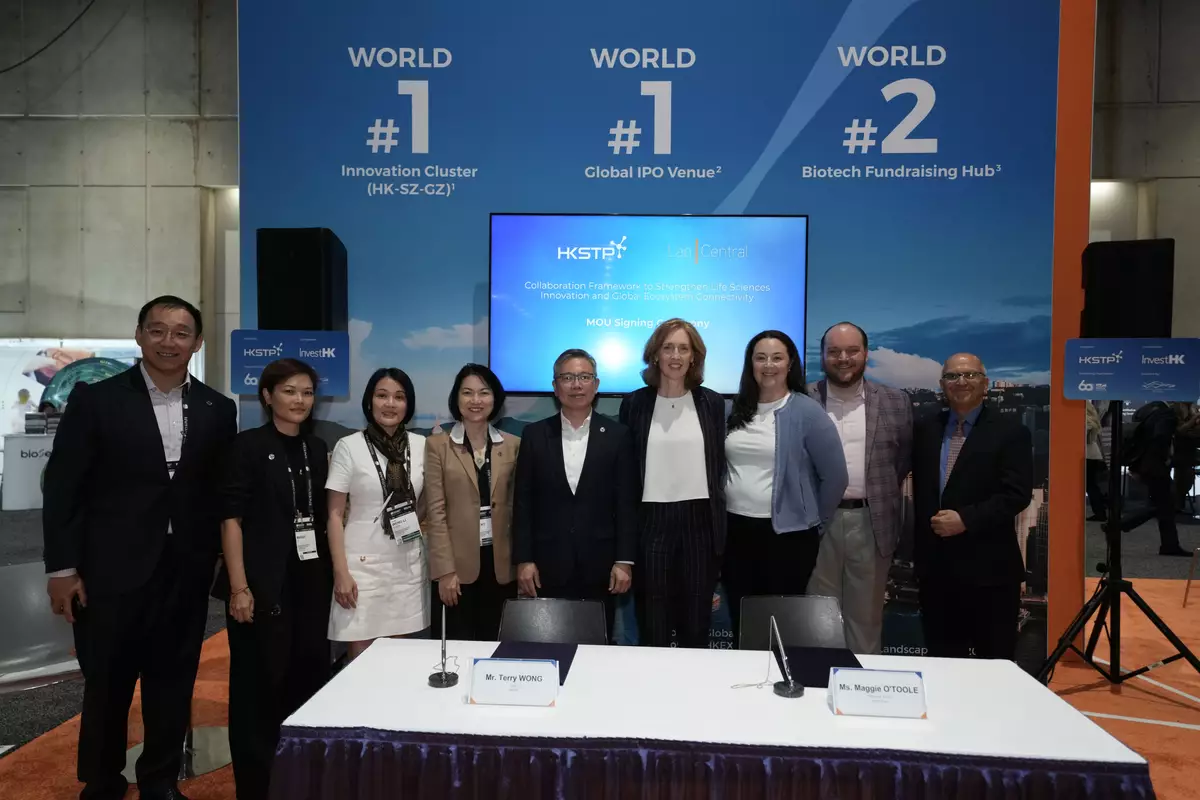
HKSTP and LabCentral signed an MoU at BIO 2026 to strengthen ties and foster cross-border collaboration in life sciences ecosystem in both regions.
• Immuno Cure – the developer of the first-in-human novel therapeutic HIV vaccine ICVAX – announced its collaboration with OPIS, an international Contract Research Organization (CRO), at BIO 2026. Leveraging OPIS's full-service, multi-country clinical trial expertise and regulatory knowledge, the partnership will support overseas clinical trial execution and establish a global framework to prepare for international expansion.
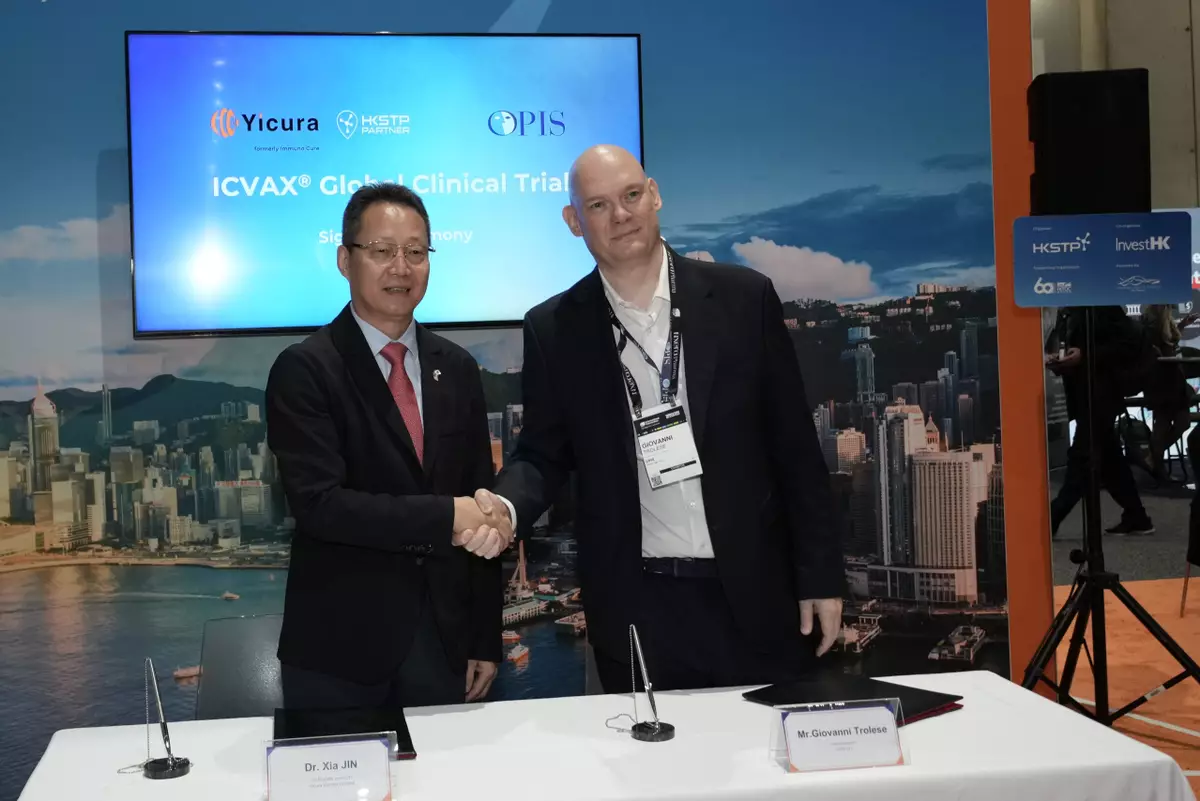
Immuno Cure – the developer of the first-in-human novel therapeutic HIV vaccine ICVAX –announced its collaboration with OPIS, an international Contract Research Organization (CRO), at BIO 2026
• Zhaoke Ophthalmology signed an MOU with Laboratório Teuto, the first company to produce generic medicines and OTCs (Over the Counter – Prescription Exempt Medicines) in Brazil, to explore cross-border cooperation in ophthalmology. This is Zhaoke's first strategic MOU in Brazil market. Leveraging its innovative pipeline and Teuto's commercial network in Brazil, the partnership aims to bring advanced eye care treatments to Latin American patients while demonstrating the globalisation of Hong Kong-born biotech innovation.
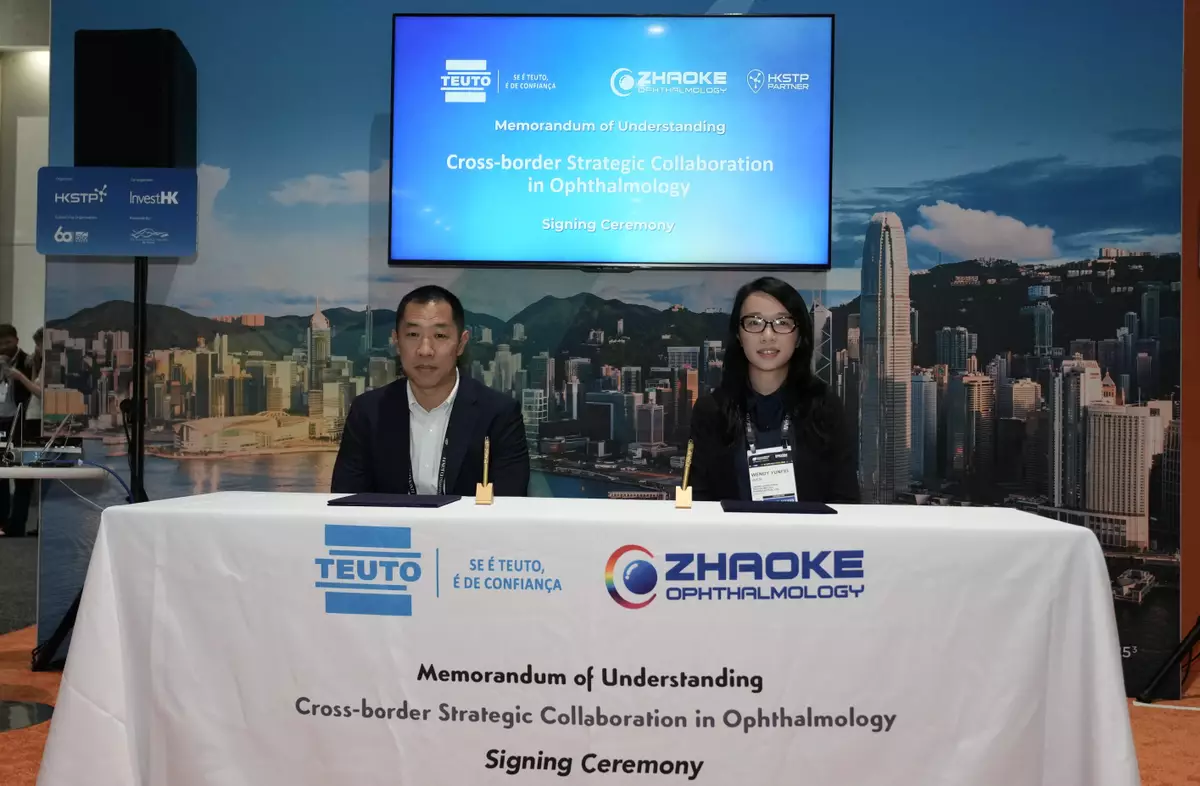
Zhaoke Ophthalmology signed an MOU with Laboratório Teuto to explore cross-border cooperation in ophthalmology.
Beyond the BIO 2026 Hong Kong Pavilion, HKSTP CEO Mr Terry Wong attended the "Translating Innovation Across Borders: Creating Global Gateways for Biotech Startups" panel sharing session. Mr. Wong shared his insights on cutting-edge biotech trends, Hong Kong’s strengths on life and health tech development, and HKSTP’s role in building a global bridge for nurturing global startup expansion, sustainable innovation and collaboration.
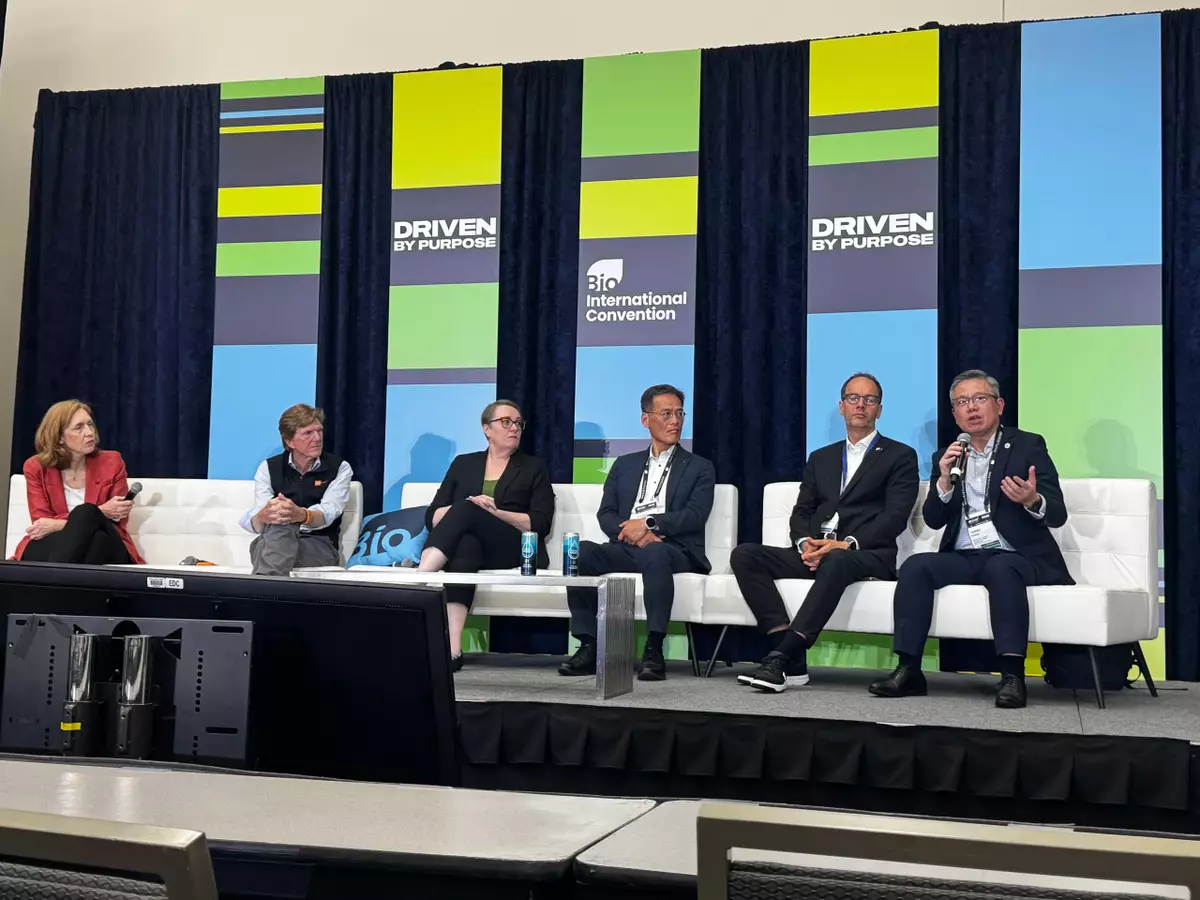
HKSTP CEO Mr Terry Wong (1st from right) attended the "Translating Innovation Across Borders: Creating Global Gateways for Biotech Startups" panel sharing session at BIO 2026.
Furthermore, HKSTP and five Hong Kong university delegates visited the Salk Institute, home to six Nobel Laureates during BIO 2026 to explore partnerships and shape global biotech momentum through collaborative platforms. HKSTP, in collaboration with InvestHK as co-organiser, HKTDC as the supporting organisation, and powered by the Hong Kong Economic and Trade Office in San Francisco, hosted a Global Mixer during the exhibition. Industry leaders, incubators, and venture capital firms – including Bayer Pharmaceuticals, Johnson & Johnson Innovation, LabCentral, Roche, Simcere Pharmaceutical, and T.Rx Capital – were invited to join the judging panel for startup pitching sessions. The Pavilion also featured executive sharing and curated networking events for commercialisation, licensing, partnerships, investment and international market expansion.
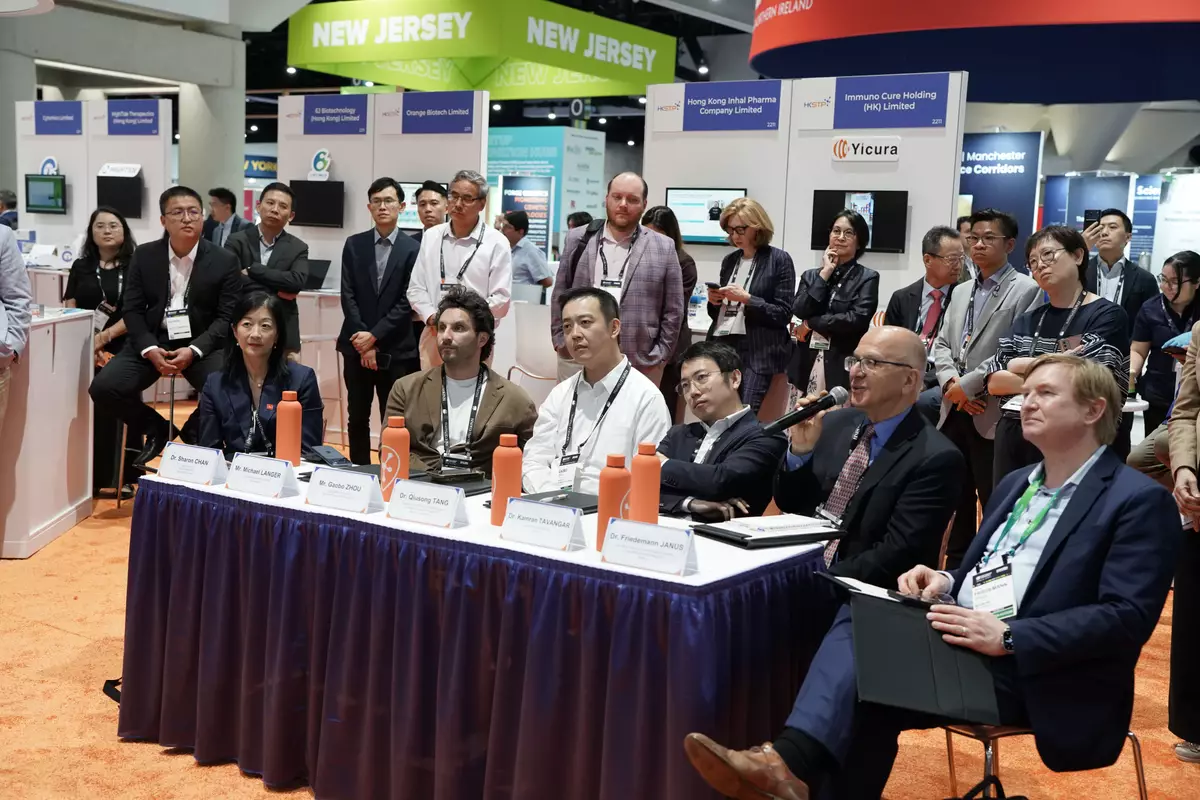
Industry leaders, incubators, and venture capital firms – including Bayer Pharmaceuticals, Johnson & Johnson Innovation, LabCentral, Roche, Simcere Pharmaceutical, and T.Rx Capital – were invited to join the judging panel for startup pitching sessions.
Global recognition at Biomedical Pitch Competition
In the lead-up to BIO 2026, HKSTP actively drove engagement across the biotech sector and co-organised the 2026 Biomedical Pitch Competition with the Boston Capital Investment Club in Boston on May 23 and 24. Competing against around 170 biotechnology companies worldwide, HKSTP park company Meta Pharmaceuticals (HK) Limited won Third Place for its next-generation autoimmune therapeutics. The recognition underscores the strength of Hong Kong’s biotech pipeline and HKSTP’s commitment to translational medicine, commercialisation and globally scalable healthcare solutions.
HK’s biotech ecosystem rises to another level
Hong Kong continues to expand its global healthcare footprint as the world’s second-largest biotech fundraising hub. As Hong Kong’s flagship innovation and technology ecosystem, HKSTP is home to more than 300 life and health technology companies and helps innovators turn pioneering ideas into real-world impact. Its ecosystem connects capital, talent, infrastructure and market access across the biotech innovation journey.