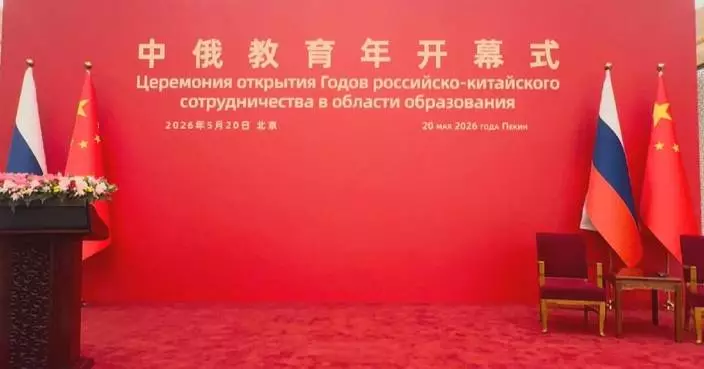
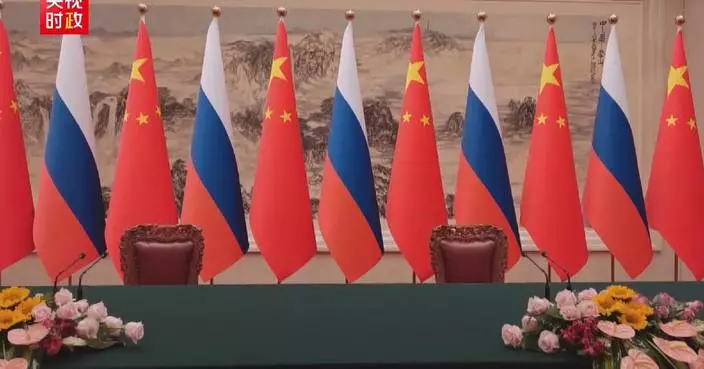
The close and friendly exchange between the Chinese and Russian leaders will inject fresh momentum into bilateral relations and holds significant weight for international peace and stability, Russian officials and scholars said in separate interviews with China Central Television.
At the invitation of Chinese President Xi Jinping, Russian President Vladimir Putin arrived in Beijing late on Tuesday night to begin a two-day state visit to China.
"Our bilateral relations are stable, pragmatic, strategic and development-oriented. The series of initiatives put forward by China in the international community are important milestones on the way forward. We jointly plan the direction of progress. For the whole world and for our two countries, this is the most reliable path of development," said Boris Titov, chairman of Russian side of China-Russia Committee for Friendship, Peace and Development.
The leaders' meeting, according to experts, will help outline future bilateral cooperation, benefit global strategical stability and contribute to world fairness and justice.
"This visit is very important. We look forward to breakthroughs in bilateral relations. The importance of the visit lies in the fact that the heads of state of our two countries can assess the global situation and set strategic plans for the future," said Alexander Lomanov, deputy director of the Institute of World Economy and International Relations under the Russian Academy of Sciences.
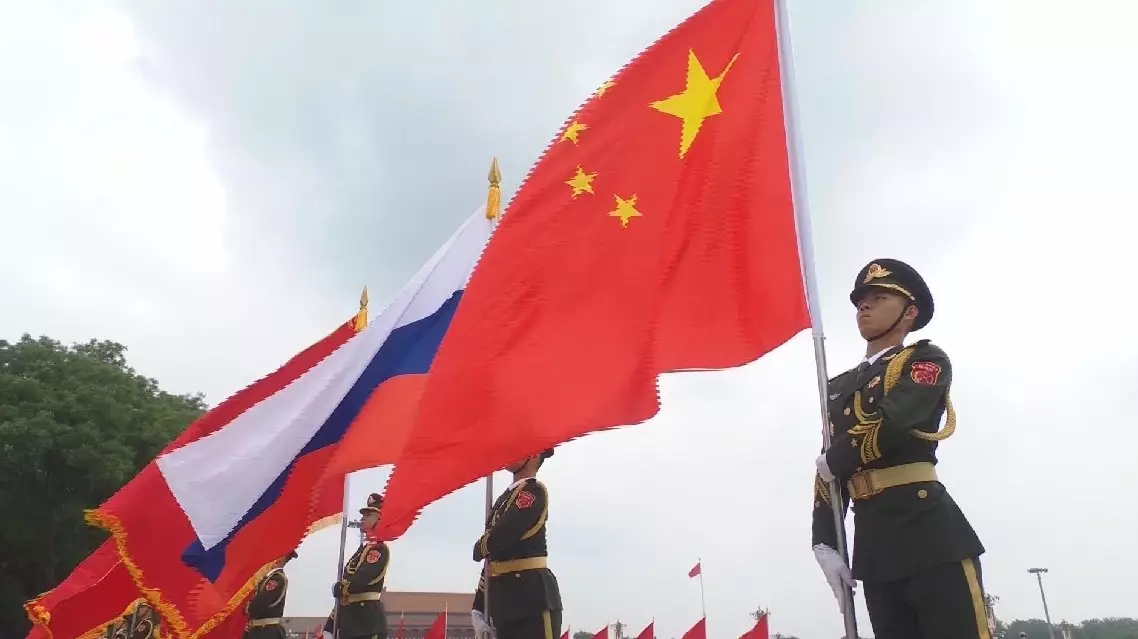
Putin visit to China injects new momentum, underpins global stability: Russian experts
Heads of coast guard agencies from 19 Asian countries gathered Tuesday in east China city of Quanzhou to exchange views on a wide range of topics spanning tackling maritime crimes and enhancing search and rescue cooperation.
The four-day meeting, hosted by China Coast Guard (CCG), has brought together more than 50 delegates from other 18 countries and regions, as well as two international organizations.
At the meeting, the delegates will discuss critical topics including combating unlawful activities at sea, maritime search and rescue operations, and marine environmental protection. Law enforcement information sharing and capacity building are also on the agenda.
The meeting features two key highlights, according to Senior Colonel Liu Dejun, a CCG spokesman. "First, the venue has been set in Quanzhou, a historic city known as the starting point of the Maritime Silk Road. We will organize the delegates to visit the Quanzhou Maritime Museum, to enable them to gain an in-depth understanding of the history and culture of the Maritime Silk Road and the development of maritime civilization. We have also arranged for the experience and display of traditional Chinese intangible cultural heritage skills such as the Nanyin (a performing art that combines singing and instrumental music) and Zanhuawei (a type of colorful and distinctive floral headdress for women), to showcase the unique charm of Chinese culture and promote cultural exchanges and mutual learning," Liu said.
"Second, We have added three new topics this year: marine carbon sink law enforcement, security of sea lanes, and maritime counter-terrorism. This allows us to present China's latest maritime law enforcement concepts, while encouraging member agencies to focus on addressing non-traditional maritime security challenges," he said.
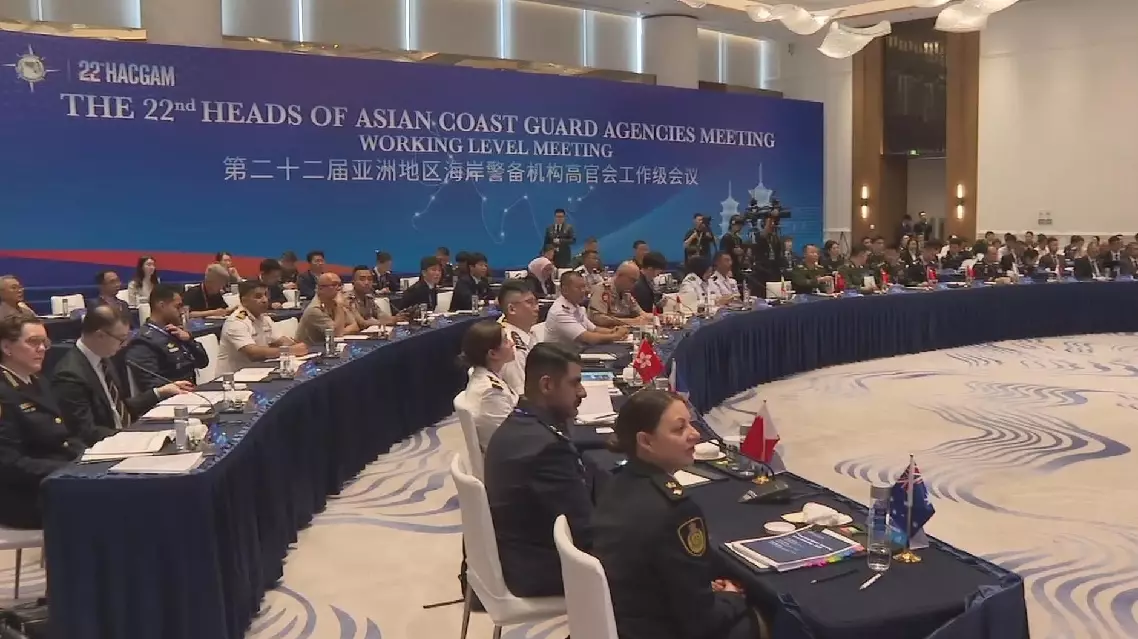
Asian coast guard agencies gather in China for annual meeting