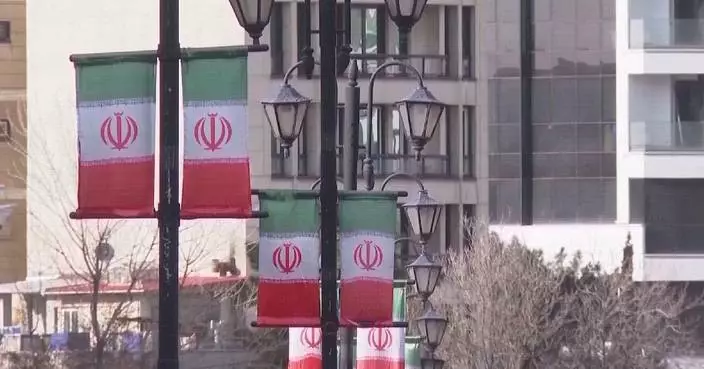
U.S. President Donald Trump said on Wednesday he is "in no hurry" to end the conflict with Iran and is willing to wait a few more days for "right answers" from Iran.
"We're in the final stages of Iran," Trump told reporters. "We'll see what happens."
"We'll either have a deal or we're going to do some things that are a little bit nasty. But hopefully that won't happen," he added. The president claimed he is in "no hurry" to finalize a peace agreement with Iran, suggesting that he would not consider making a "limited deal" only focused on reopening the Strait of Hormuz.
"We're going to give this one shot," Trump said of a potential deal, ruling out the idea of a partial compromise.
Trump said he and Israeli Prime Minister Benjamin Netanyahu are aligned on the Iran issue, saying Netanyahu will do "whatever I want him to do."
The two also held a tense phone call on Tuesday, discussing a new effort to reach an agreement with Iran, Axios reported on Wednesday.
Trump told Netanyahu that mediators were drafting a "letter of intent" that both the U.S. and Iran would sign and launch a new round of negotiations of 30 days involving issues on Iran's nuclear program and the opening of the Strait of Hormuz, according to the report.
However, Netanyahu is highly skeptical of the negotiations and wants to resume the war to further weaken Iran's military capabilities and destroy its key infrastructure, the report said.
Israel Defense Forces Chief of Staff Eyal Zamir said on Wednesday that the IDF is currently on "maximum alert," and it is ready for any developments and will continue operations.
Meanwhile, a large number of U.S. refueling aircraft was spotted parking on the runway of Ben Gurion International Airport near Tel Aviv, Israel on Tuesday. It is unclear how long these military aircraft have been stationed there.
The U.S. and Israel have completed joint preparations for a possible resumption of military operations against Iran, according to Israel's Kan TV, citing a U.S. security official.
Trump on Monday said in a post on Truth Social that he held off on the planned attacks on Iran Tuesday at the request of leaders from Qatar, Saudi Arabia and the United Arab Emirates.
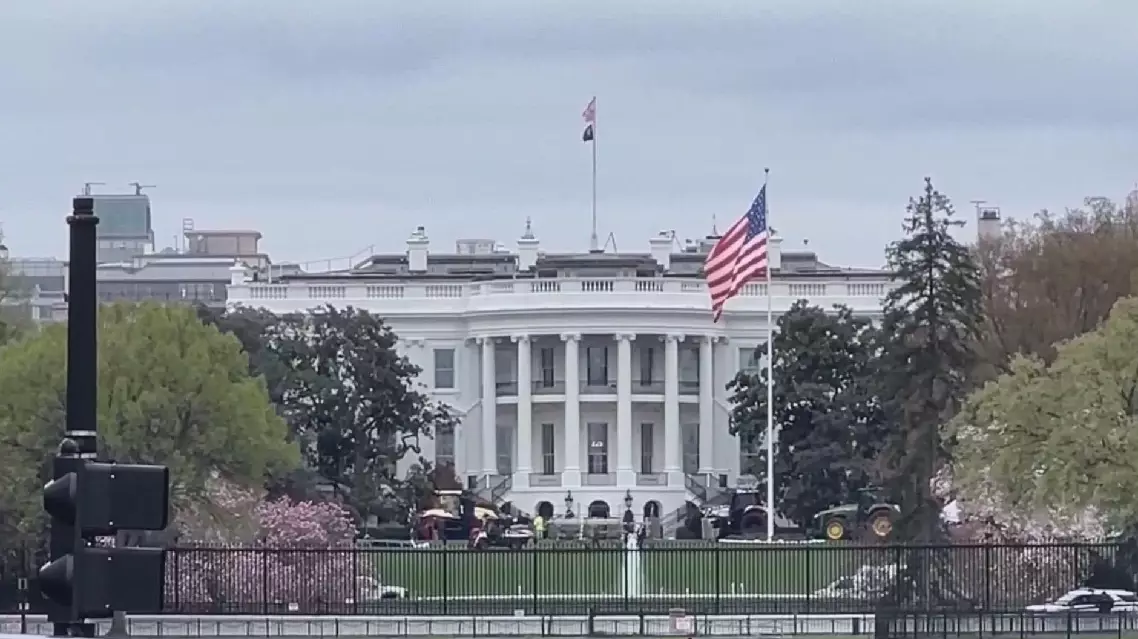
Trump says he is in 'no hurry' to end conflict with Iran
The global economy is under stress due to the crisis in the Middle East, which is slowing growth, reigniting inflationary pressures and heightening uncertainty across financial markets, according to the World Economic Situation and Prospects 2026 Mid-year Update, released Tuesday by the United Nations.
Global GDP growth is now forecast at 2.5 percent for 2026, 0.3 percentage points lower than that of 2025, 0.2 percentage points below the January projection, and a modest recovery is projected at 2.8 percent in 2027, according to the report.
The shock delivered by the crisis is primarily felt in the energy sector, through constrained supply, surging prices, and rising freight and insurance costs, with effects cascading through supply chains and increasing production costs globally. While the surge in prices delivers substantial windfall gains for energy companies, it has intensified cost pressures for households and businesses worldwide.
A particular concern is food prices. Fertilizer supplies have been disrupted, pushing up costs, which could reduce crop yields, exerting upward pressure on food prices.
The conflict has halted the global disinflation trend underway since 2023, with inflation forecast to rise from 2.6 percent in 2025 to 2.9 percent in 2026 in developed economies, and from 4.2 percent to 5.2 percent in developing economies, the report said.
Solid labor markets, resilient consumer demand, and artificial intelligence-driven trade and investment support global activity but are unlikely to fully offset widespread headwinds, and the outlook is most challenging for fuel- and food-importing developing economies.
The impact of the crisis is highly uneven, with the most severe damage concentrated in Western Asia, where growth is projected to plunge from 3.6 percent in 2025 to 1.4 percent in 2026, driven not only by the energy shock but also by direct infrastructure damage and severe disruptions to oil production, trade and tourism, the report showed.
Elsewhere, outcomes vary widely, shaped above all by exposure and the capacity to respond.
In a new podcast published on Wednesday, Maximo Torero, chief economist of the Food and Agriculture Organization of the United Nations (FAO), said that the closure of the Strait of Hormuz is not a temporary shipping disruption but the beginning of a systemic agrifood shock that could trigger a severe global food price crisis within six to 12 months.
Avoiding such an outcome will require alternative trade routes, restraint on export restrictions, protection of humanitarian flows, and buffers to absorb higher transport costs, the FAO has warned.
According to FAO, the window for preventive action is closing quickly. Decisions taken now by farmers and governments on fertilizer use, imports, financing and crop choices will determine whether a severe global food price crisis emerges within six to 12 months.
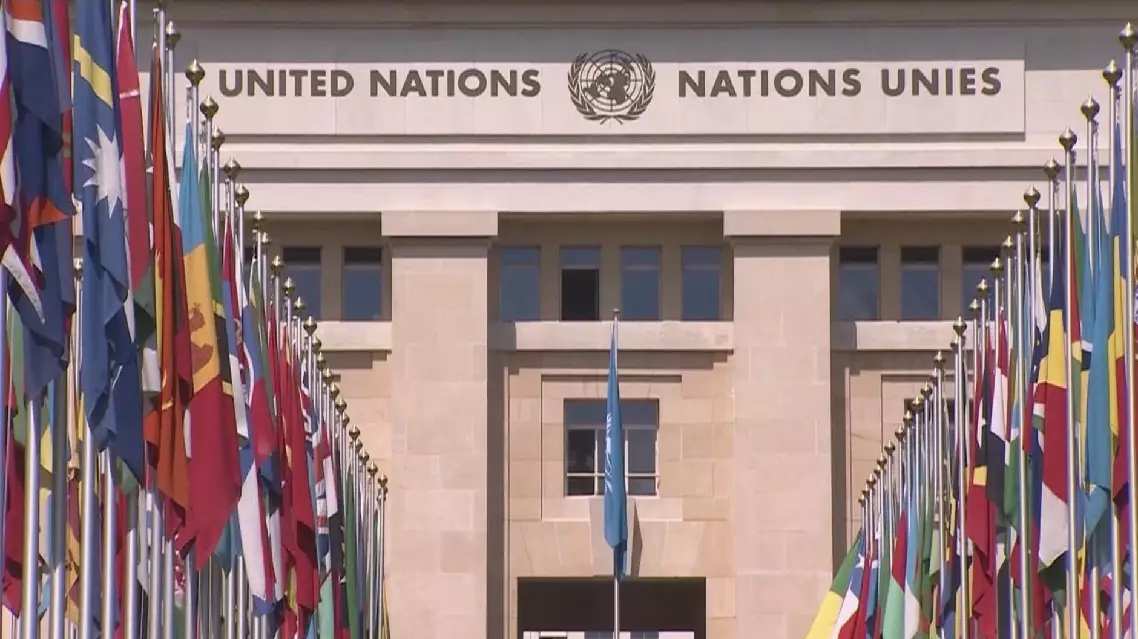
UN projects slower 2026 global GDP growth amid geographic tensions