WEST BRIDGEWATER, Mass.--(BUSINESS WIRE)--May 21, 2026--
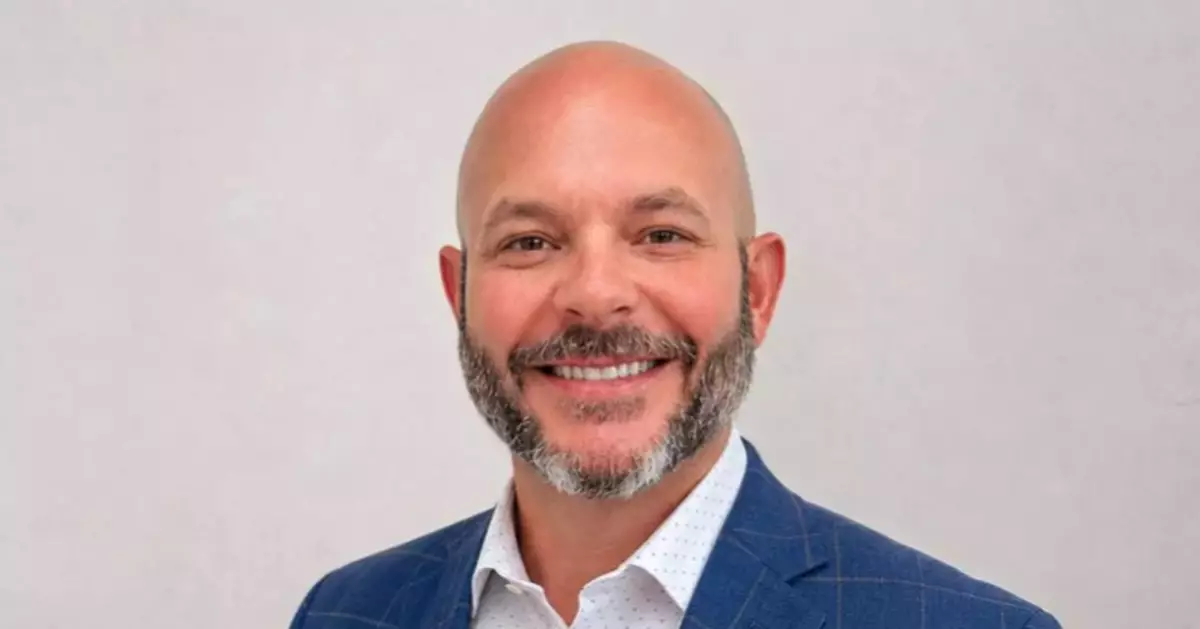
Theromics Inc., a biotechnology company advancing the field of ablation therapeutics for minimally invasive cancer treatment, today announced the appointment of Andrew C. Zeringue as Chief Executive Officer. Andrew brings nearly two decades of expertise in interventional oncology, thermal ablation and the commercialization of innovative medical technologies. He has a proven track record of advancing emerging technologies from FDA clearance, to early commercialization through scalable market adoption.
This press release features multimedia. View the full release here: https://www.businesswire.com/news/home/20260521206781/en/
"We reviewed many candidates for this position and Andrew's extensive experience in interventional oncology and thermal ablation quickly distinguished him as the right choice to steer Theromics into its next chapter," said Joseph Amaral, M.D., Chairman of the Board of Theromics. "Under Andrew's leadership we are confident the company is well positioned to advance its platform technologies toward commercialization and deliver innovative solutions that help physicians address cancer treatment challenges, including reducing the risk of local cancer recurrence."
Theromics is focused on developing innovative biomaterial technologies designed to support more predictable energy delivery and improved treatment consistency in minimally invasive cancer therapies, including technologies intended to help address the challenge of local tumor recurrence following ablation procedures. The company is currently advancing its HeatSYNC™ gel platform, designed to enhance thermal energy transfer within soft tissue during ablation procedures, toward FDA clearance and clinical adoption.
Andrew has held senior leadership roles at companies developing and commercializing innovative interventional oncology and thermal ablation products including Quantum Surgical, NeuWave Medical (Ethicon-a subsidiary of Johnson & Johnson) BTG (acquired by Boston Scientific) and AngioDynamics. Throughout his career, he has played a key role in scaling multiple first-in-category platforms and has worked extensively with physicians, academic medical centers, health systems, and executive leadership teams to advance emerging technologies through commercialization and clinical adoption. Andrew is also co-founder of MedTech Angels, a physician- and operator-led investment group focused on supporting early-stage FDA-regulated medical device companies.
"I believe Theromics is uniquely positioned to help advance the next generation of local tumor therapy," said Andrew C. Zeringue. "Local recurrence following minimally invasive cancer treatment remains a significant clinical challenge, and Theromics is developing technologies designed to support more effective and predictable therapy delivery. The company’s founders are internationally recognized thought leaders in interventional oncology, and I am honored to join them in their mission to reduce recurrences following ablation therapy through the field of ablation therapeutics."
About Theromics Inc.
Theromics is a biotechnology company advancing the field of ablation therapeutics for minimally invasive cancer treatment. The company’s proprietary HeatSYNC™ and CryoSYNC™ biomaterial platforms are designed to enhance energy transfer within soft tissue to support more predictable energy delivery, improved treatment consistency and more effective local therapy. Theromics is also developing future applications that combine localized therapeutics with thermal ablation through its TACT™ (Thermally Activated Combination Therapy) platform, with the goal of improving local treatment outcomes while reducing systemic exposure associated with traditional therapies.
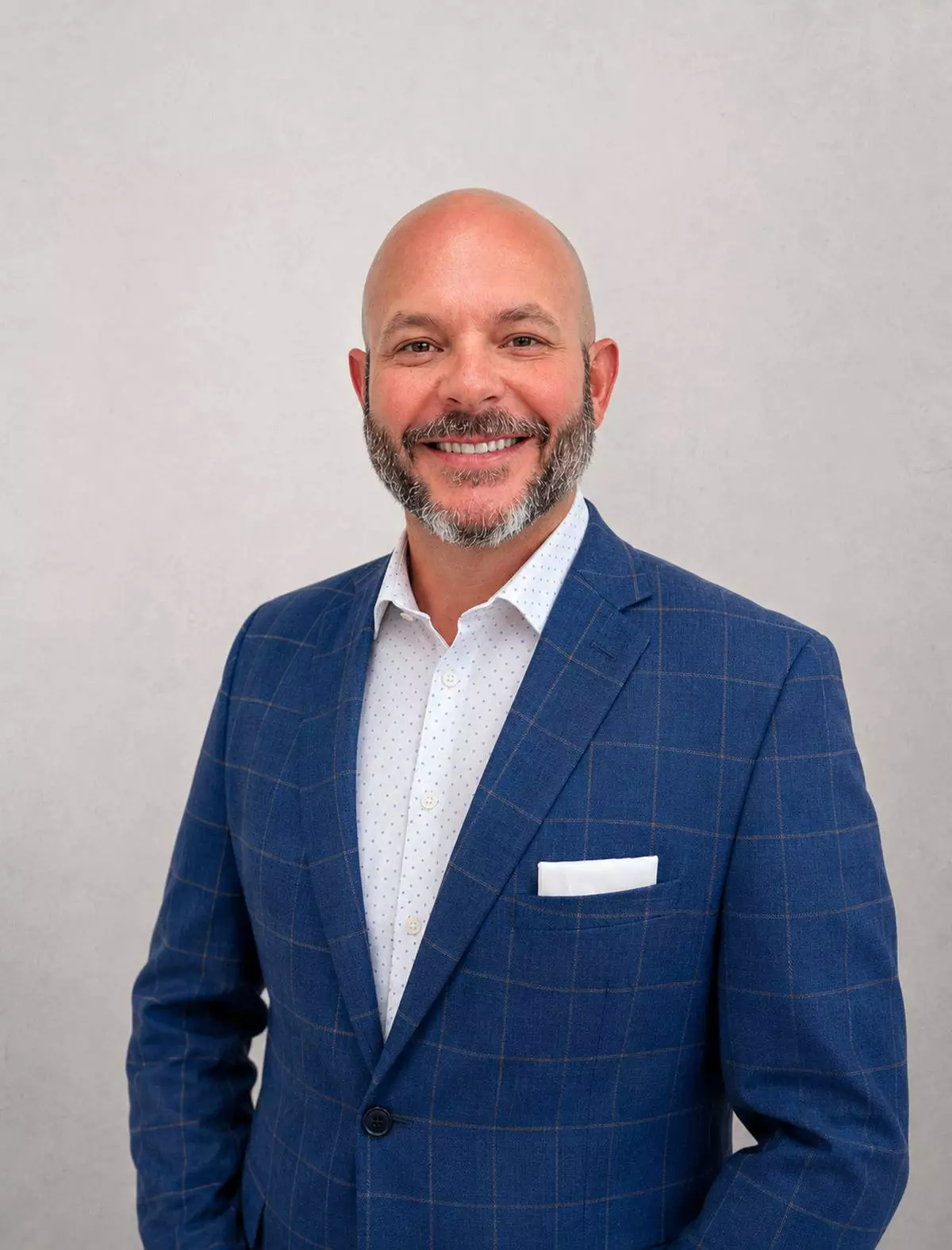
Andrew C. Zeringue, Chief Executive Officer, Theromics Inc.
DARLINGTON, S.C. (AP) — Christopher Bell passed Kyle Larson with 18 laps to go and held on to win the Chase-opening Southern 500 at Darlington Raceway on Sunday night.
Bell had seven second-place finishes this season and had not won since last September at Bristol, a stretch of 33 races. But the Joe Gibbs Racing driver opened up a lead of nearly a second on his teammate Ty Gibbs to win for the first time on the track “Too Tough To Tame.”
“Oh, my gosh, man," Bell said. “This has been a long time coming.”
Gibbs finished second and Tyler Reddick, a five-time winner this season, was third. Chase drivers accounted for nine of the top 10. Ryan Blaney was fourth, followed by Larson, Chase Briscoe, Josh Berry, Bubba Wallace, Joey Logano and Ryan Preece.
Berry was the only non-Chase driver in that group.
Larson gambled during the sixth and final caution, staying on the track while other competitors including Bell went into the pits for fresh tires.
And for a bit, Larson's bet look like it might pay off as he opened a sizeable lead on the restart and forced Bell and the others to come get him. Bell eventually did, moving low on the track to put Larson in his rearview mirror.
Briscoe was looking to make a bit of history with his third straight Southern 500 — only Hall of Famer Jeff Gordon had ever won more with four in a row from 1995-98 — and he fought off a pit-road penalty for running out of fuel at the end of stage two that took from the lead to 20th.
But he could not keep pace with Bell at the end.
Hamlin, the top seed in NASCAR's Chase, had started the final stage in the top five when he got hit from behind on lap 237 by Michael McDowell and his car struck the wall in turn four.
Hamlin immediately told his crew, “The toe links are gone.” But the incident did not draw a caution and Hamlin had to keep racing, falling to 20th as he and his pit crew waited for the chance to fix the damaged Joe Gibbs Racing Toyota.
While the toe links were not damaged, there were extensive repairs and Hamlin was a lap down. Hamlin finished 18th.
Hamlin came into the race with a 25-point lead over second-seeded Ryan Blaney. The rules of NASCAR's postseason changed this year, with all 16 drivers competing in all 10 playoff races without eliminations.
Hamlin wasn't the only one of the 16 Chase competitors to have problems. Hendrick Motorsports William Byron was in position for a top 10 finish when he spun out with what he believed was a flat tire. After a trip to the pits, smoke billowed out of Byron's Chevrolet and he went back to the garage to end his day.
Roush Fenway Keselowski Racing had high hopes with two of its three drivers, Chris Buescher and Ryan Preece in the Chase. But Buescher could not gain any momentum at Darlington and rode in the back of the pack for most of way.
Preece, who won his way into the postseason with a victory at Daytona last week, pledged to continue to be aggressive because as the 16th seed, his team had nothing to lose. That strategy worked well as he rode in the top 10 for most of the first half of the race. He couldn't sustain it, though, and ended 10th.
And while 23XI co-owner Michael Jordan watched from the pits, his two Chase drivers in Reddick and Wallace went from running 1-2 at the end of the first stage to falling out of the mix down the stretch.
The Chase continues with its second race at World Wide Technology Raceway outside of St. Louis in Madison, Illinois. Denny Hamlin won the playoff race there a year ago.
See AP’s full auto racing coverage here
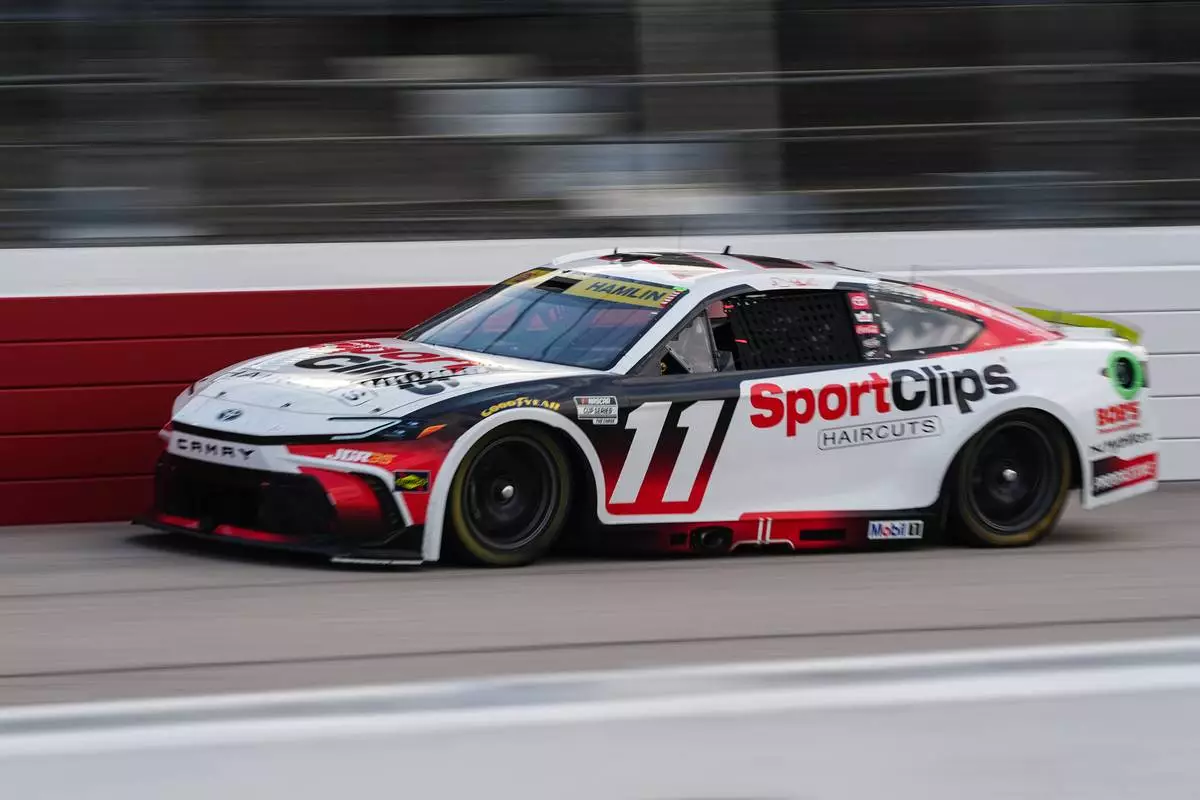
Denny Hamlin steers down the front stretch during a NASCAR Cup Series auto race Sunday, Sept. 6, 2026, in Darlington, S.C. (AP Photo/Matt Kelley)
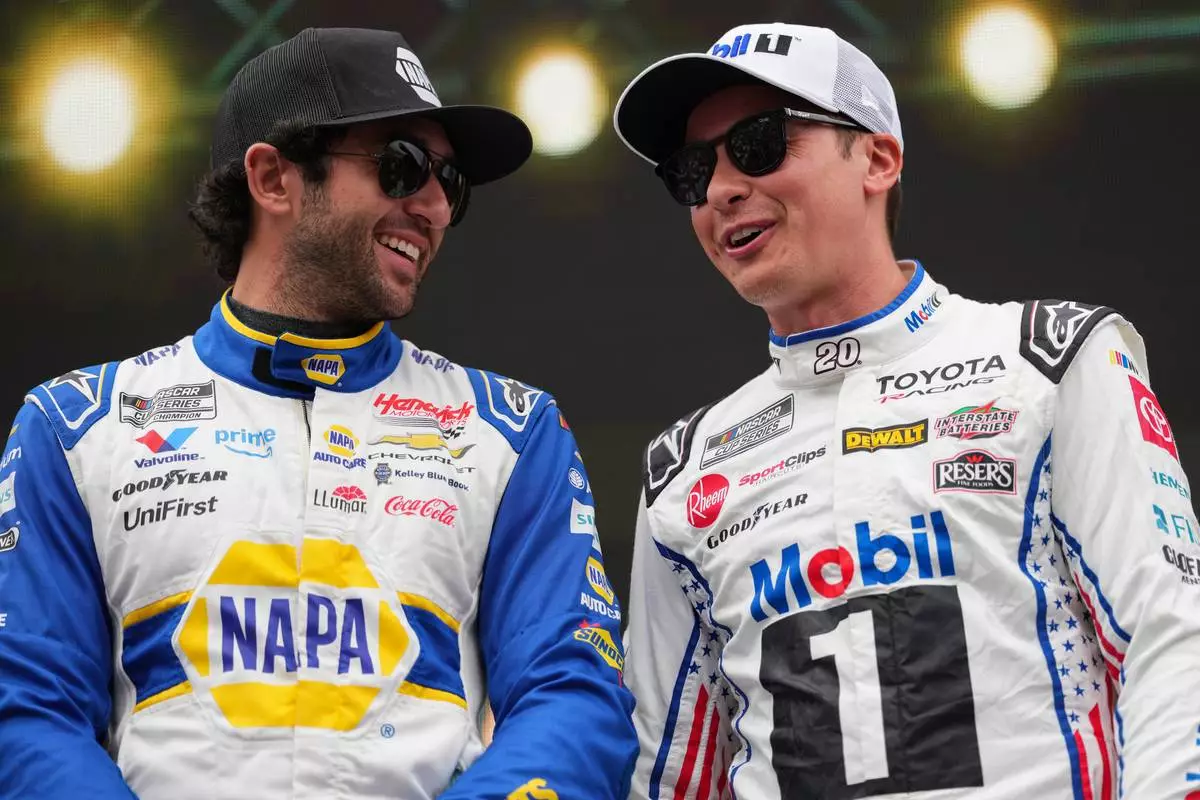
Chase Elliott, left, and Christopher Bell, right, interact prior to a NASCAR Cup Series auto race Sunday, Sept. 6, 2026, in Darlington, S.C. (AP Photo/Matt Kelley)
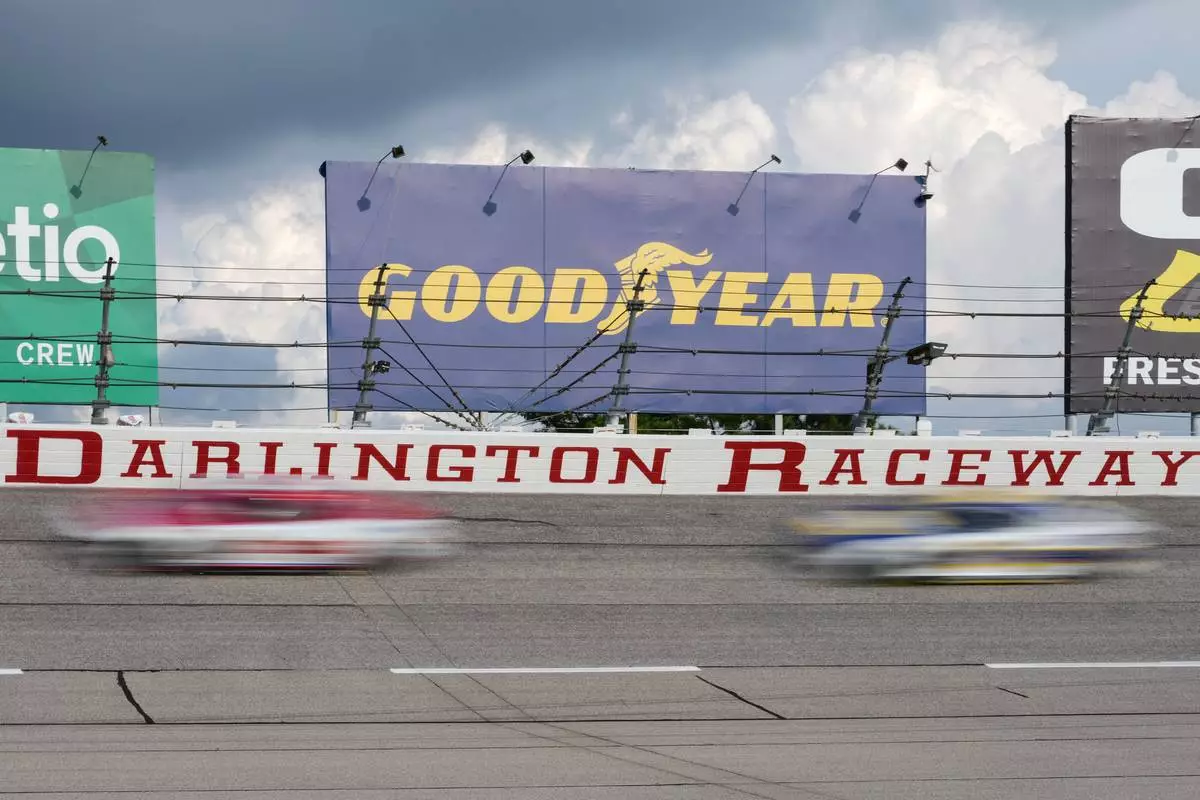
Drivers compete through Turn 2 during a NASCAR Cup Series auto race at Darlington Raceway, Sunday, Sept. 6, 2026, in Darlington, S.C. (AP Photo/Matt Kelley)
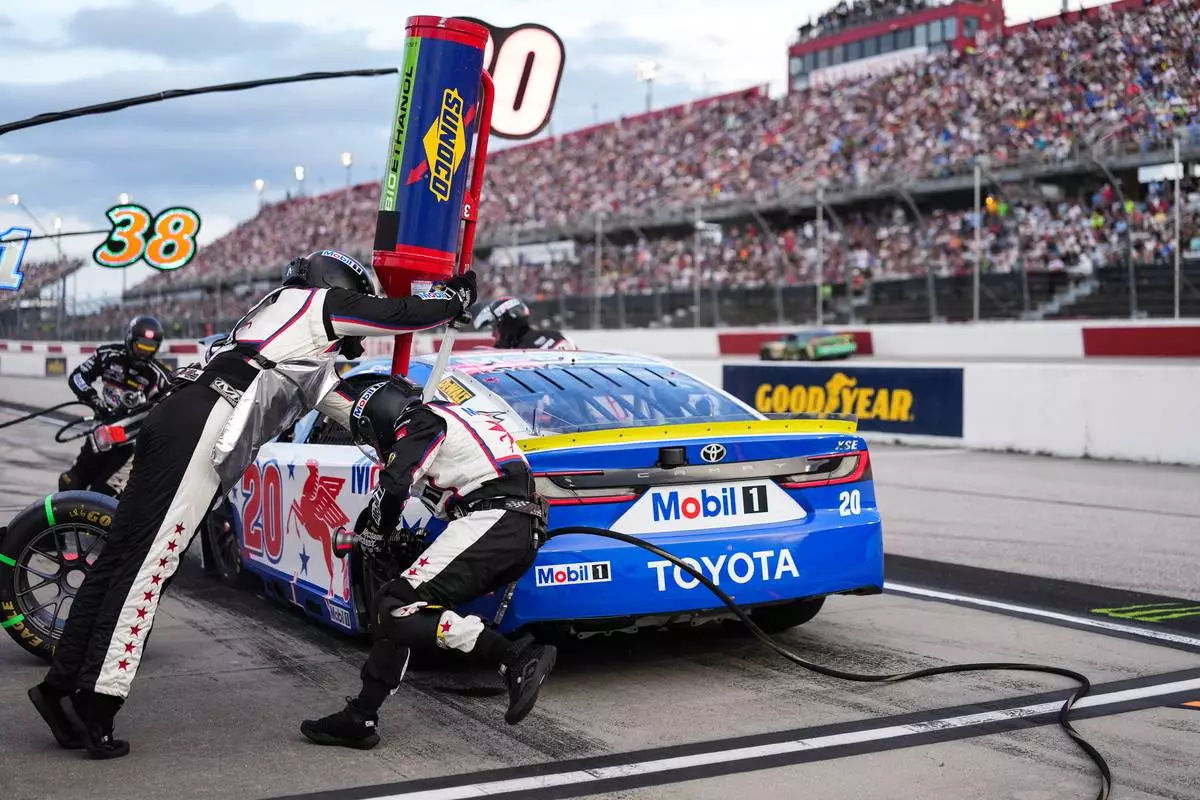
The pit crew for Christopher Bell rushes to complete a pit stop during a NASCAR Cup Series auto race at Darlington Raceway, Sunday, Sept. 6, 2026, in Darlington, S.C. (AP Photo/Matt Kelley)