COLUMBUS, Ohio--(BUSINESS WIRE)--May 21, 2026--
White Castle is proud to have earned Great Place to Work Certification™ for the sixth year in a row. The prestigious award is based entirely on what current team members say about their experience working at White Castle.
This press release features multimedia. View the full release here: https://www.businesswire.com/news/home/20260521544109/en/
In a survey of White Castle team members conducted between April 15 and April 29, 84% of them said White Castle is a great place to work, 27 points higher than the 57% average for other U.S. companies. In addition, 88% of team members said when new team members join the company, they are made to feel welcomed.
Those results help explain why White Castle continues to earn recognition from Great Place to Work ®, the global authority on workplace culture, employee experience and leadership behaviors. Great Place To Work Certification is a highly coveted achievement that requires consistent and intentional dedication to the overall employee experience.
“When White Castle was founded 105 years ago, my great-grandfather, our founder, believed that happy team members create happy customers. That philosophy has been carried forward through four generations of family leadership and continues to shape the way we lead today,” said John Kelley, chief people officer and fourth-generation family member. “Our commitment to team member experience and well-being remains at the heart of every decision we make. I’m incredibly proud that White Castle has been recognized as a Great Place To Work ® for the sixth consecutive year, and that the promise my great-grandfather made more than a century ago still holds true today.”
White Castle’s nearly 9,000 team members work across 336 restaurants in 14 markets as well as in multiple manufacturing facilities, a network of regional offices and the company’s home office in Columbus. Across all areas of the business, White Castle has built a culture that inspires team members to stay and grow with the company.
The general managers of its 336 restaurants, for example, have an average of 19 years of experience. White Castle created a 25-Year Club in 1946 to recognize team members with 25 years of service. In 2025, 73 team members joined the club. Another 88 will join in 2026.
White Castle offers several other programs that contribute to team member satisfaction.
Editor’s Note: Download images and videohere.
About White Castle ®
White Castle, America’s first fast-food hamburger chain, has been making hot and tasty Sliders since 1921. Based in Columbus, Ohio, the family-owned business owns and operates 336 restaurants as well as a retail division providing its famous fare in freezer aisles of retail stores nationwide. As part of its commitment to offering the highest quality products, White Castle owns and operates its own Slider Provider meat plants, bakeries and frozen-Slider retail plants. White Castle has earned numerous accolades over the years including “Most Influential Burger of All Time” by Time magazine (2014, The Original Slider ® ) and one of the “10 Most Innovative Dining Companies” by Fast Company (2021). White Castle is known for the legendary engagement of its team members and has received the Great Place to Work ® Certification™ for an extraordinary six consecutive years spanning 2021–2026. White Castle is beloved by its passionate fans (Cravers), many of whom compete each year for entry into the Cravers Hall of Fame. The official White Castle app makes it easy for Cravers to sign up for the CRAVER NATION REWARDS ® loyalty program, access sweet deals and place pickup orders at any time. For more information on White Castle and how to Follow Your Crave, visit whitecastle.com.
About Great Place To Work Certification™
Great Place To Work® Certification™ is the most definitive “employer-of-choice” recognition that companies aspire to achieve. It is the only recognition based entirely on what employees report about their workplace experience — specifically, how consistently they experience a high-trust workplace. Great Place To Work Certification is recognized worldwide by employees and employers alike and is the global benchmark for identifying and recognizing outstanding employee experience. Every year, more than 10,000 companies across 60 countries apply to get Great Place To Work-Certified.
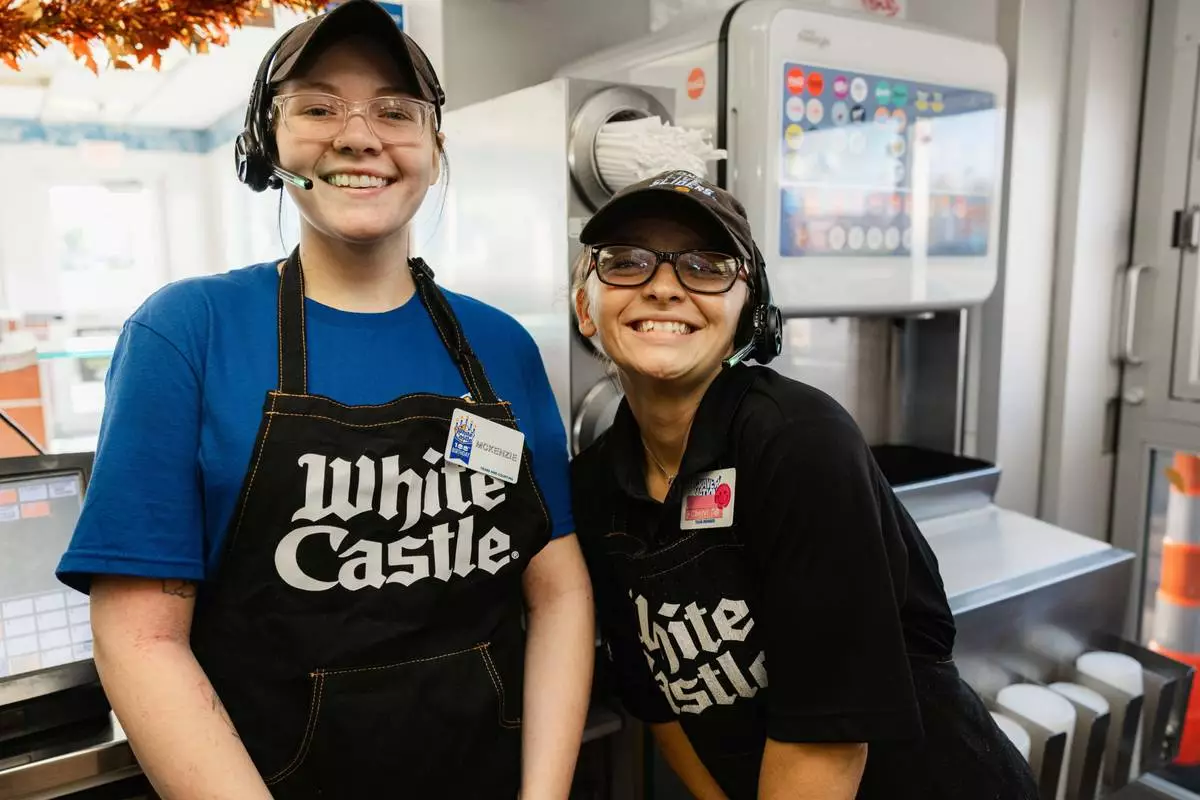
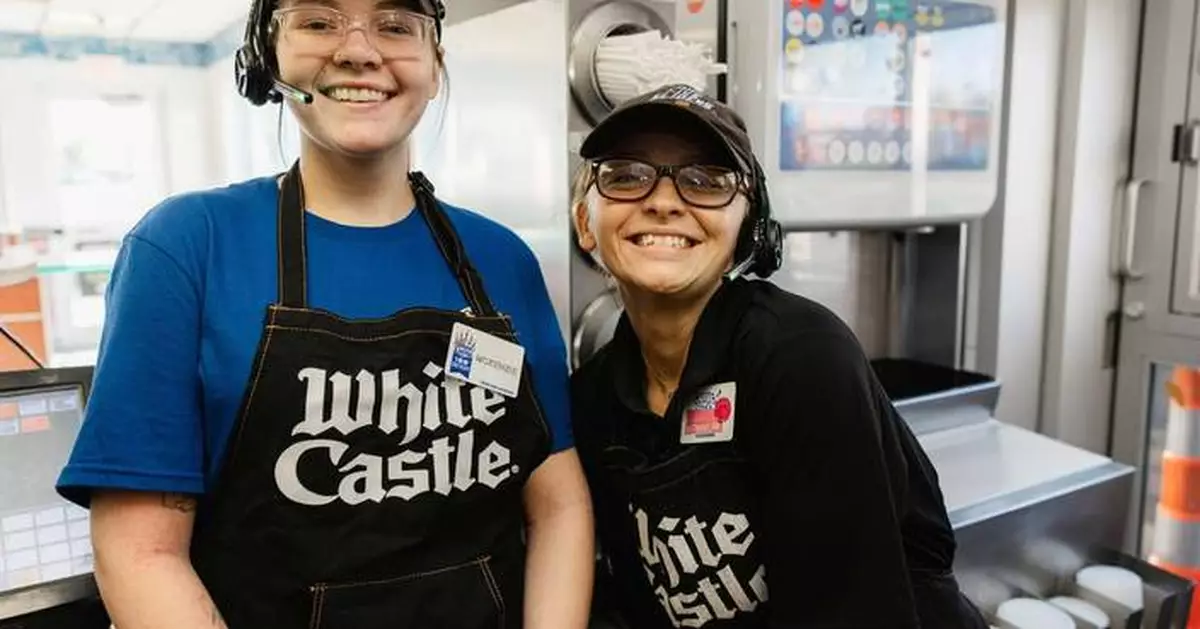
A resounding majority of White Castle team members say White Castle is a great place to work, earning the family owned fast-food pioneer its sixth straight Great Place to Work® certification.
WASHINGTON (AP) — The Trump administration on Thursday loosened federal rules that require grocery stores and air-conditioning companies to reduce greenhouse gases used in cooling equipment, a step President Donald Trump said would help lower grocery costs.
Trump, at a White House ceremony, said the action by the Environmental Protection Agency would “substantially lower costs for consumers” by delaying costly restrictions that limit the type of refrigerants U.S. businesses and families can use.
The move to relax the Biden-era rules on harmful pollutants known as HFCs emitted by refrigerators and other appliances was the latest attempt by the Trump administration to try to address rising voter concerns over the cost of living ahead of pivotal elections in November.
It is not clear how much or how quickly the loosening of the refrigerant rule might impact grocery prices. Industry groups said the move could even raise prices because manufacturers have already redesigned products, retooled factories and trained workers to build and service next-generation refrigerant equipment.
Inflation in the United States increased to 3.8% annually in April, amid price spikes caused by the Iran war and President Donald Trump’s sweeping tariffs. Inflation is now outpacing wage gains as the war has kept oil and gasoline prices high.
The Biden-era regulation was “unnecessary and costly and actually makes the machinery worse,” Trump said at a ceremony joined by top executives from Kroger, Piggly Wiggly and other grocery chains. The EPA action will protect hundreds of thousands of jobs and save Americans more than $2 billion a year, he said.
The Air-Conditioning, Heating and Refrigeration Institute, which represents more than 330 HVAC manufacturers and commercial refrigeration companies, said the change in approach would “inject uncertainty across the market” and could even raise prices.
“This rule works against basic supply and demand,” said Stephen Yurek, the group’s president and CEO. “By extending the compliance deadline” for phasing out hydrofluorocarbons, or HFCs, the administration “is maintaining and even increasing demand in the market for existing refrigerants while supply continues to fall.”
Manufacturers have already retooled product lines and certified models based on the existing timeline, Yurek said. Nearly 90% of residential and light commercial air conditioning systems use substitute refrigerants, rather than HFCs, he said.
The administration's action on refrigerants represents a reversal after Trump signed a law in his first term that aimed to reduce harmful, planet-warming pollutants emitted by refrigerators and air conditioners. That bipartisan measure brought environmentalists and major business groups into rare alignment on the contentious issue of climate change and won praise across the political spectrum.
The 2020 law reflected a broad bipartisan consensus on the need to quickly phase out domestic use of HFCs, greenhouse gases that are thousands of times more potent than carbon dioxide and are considered a major driver of global warming.
The EPA action highlights the second Trump administration’s drive to roll back regulations perceived as climate friendly. The plan is among a series of sweeping environmental changes that EPA Administrator Lee Zeldin has said will put a “dagger through the heart of climate change religion.”
Environmentalists criticized the administration’s actions, saying the new rule would exacerbate climate pollution while disrupting a yearslong industry transition to new coolants as an alternative to HFCs.
The 2020 law signed by Trump, known as the American Innovation and Manufacturing Act, phased out HFCs as part of an international agreement on ozone pollution. The law accelerated an industry shift to alternative refrigerants that use less harmful chemicals and are widely available.
The U.S. Chamber of Commerce and the American Chemistry Council, the top lobbying group for the chemical industry, were among numerous business groups that supported the law and an international deal on pollutants, known as the Kigali Amendment, as victories for jobs and the environment. U.S. companies such as Chemours and Honeywell developed and produce the alternative refrigerants sold in the United States and around the world.
The 2023 rule now being relaxed imposed steep restrictions on HFCs starting in 2026. Zeldin said the rule from the Democratic Biden administration did not give companies enough time to comply and that the rapid switch to other refrigerants caused shortages and price increases last year. Some in the industry dispute this.
The Food Industry Association, which represents grocery stores and suppliers, applauded the Trump EPA proposal last year, saying the earlier rule “imposed significant and unrealistic compliance timelines.”
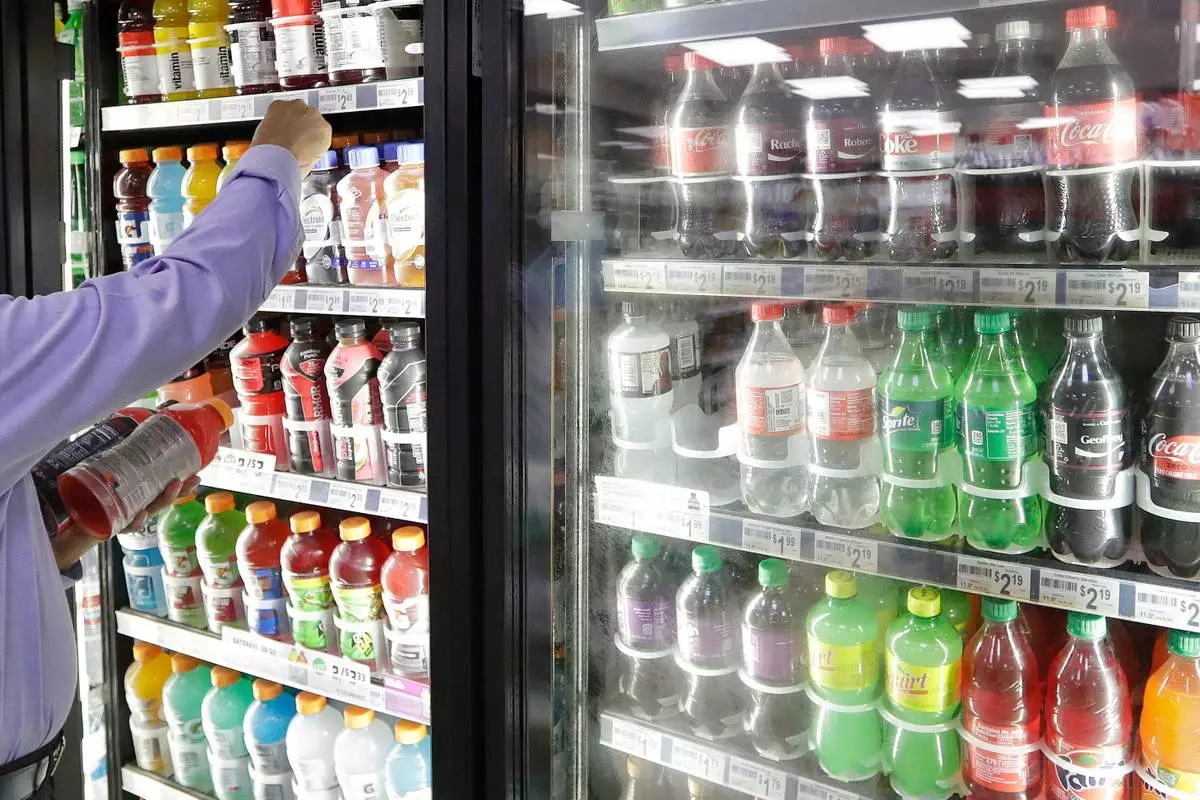
FILE - A shop owner reaches into a drink display refrigerator at his convenience store in Kent, Wash., Oct. 1, 2018. (AP Photo/Elaine Thompson, File)