WASHINGTON (AP) — A divided Supreme Court on Thursday dismissed Alabama's bid to be allowed to execute a convicted murder who was found by lower courts to be intellectually disabled.
The court's action leaves in place lower court rulings in favor of Joseph Clifton Smith, 55, who has been on death row roughly half his life after his conviction for beating a man to death in 1997.
The Supreme Court prohibited execution of intellectually disabled people in a landmark ruling in 2002. The justices, in cases in 2014 and 2017, held that states should consider other evidence of disability in borderline cases because of the margin of error in IQ tests.
The issue in Smith’s case is what happens when a person has multiple IQ scores that are slightly above 70, which has been widely accepted as a marker of intellectual disability. Smith’s five IQ tests produced scores ranging from 72 to 78. Smith had been placed in learning-disabled classes and dropped out of school after seventh grade, his lawyers said. At the time of the crime, he performed math at a kindergarten level, spelled at a third-grade level and read at a fourth-grade level.
The justices had taken up the case to consider how courts should handle such borderline cases of intellectual disability. Arguments took place in December.
Rather than issue a decision, though, the high court dismissed the appeal, an unusuaI action that leaves the last lower-court ruling in place.
The three liberal justices along with Justices Brett Kavanaugh and Amy Coney Barrett formed the majority to dismiss the case.
The other four conservative justices dissented, faulting the federal appeals court in Atlanta for improperly analyzing the case and complaining that their colleagues should have ordered the appeals court to reexamine Smith's case.
The case is Hamm v. Smith, 24-872.
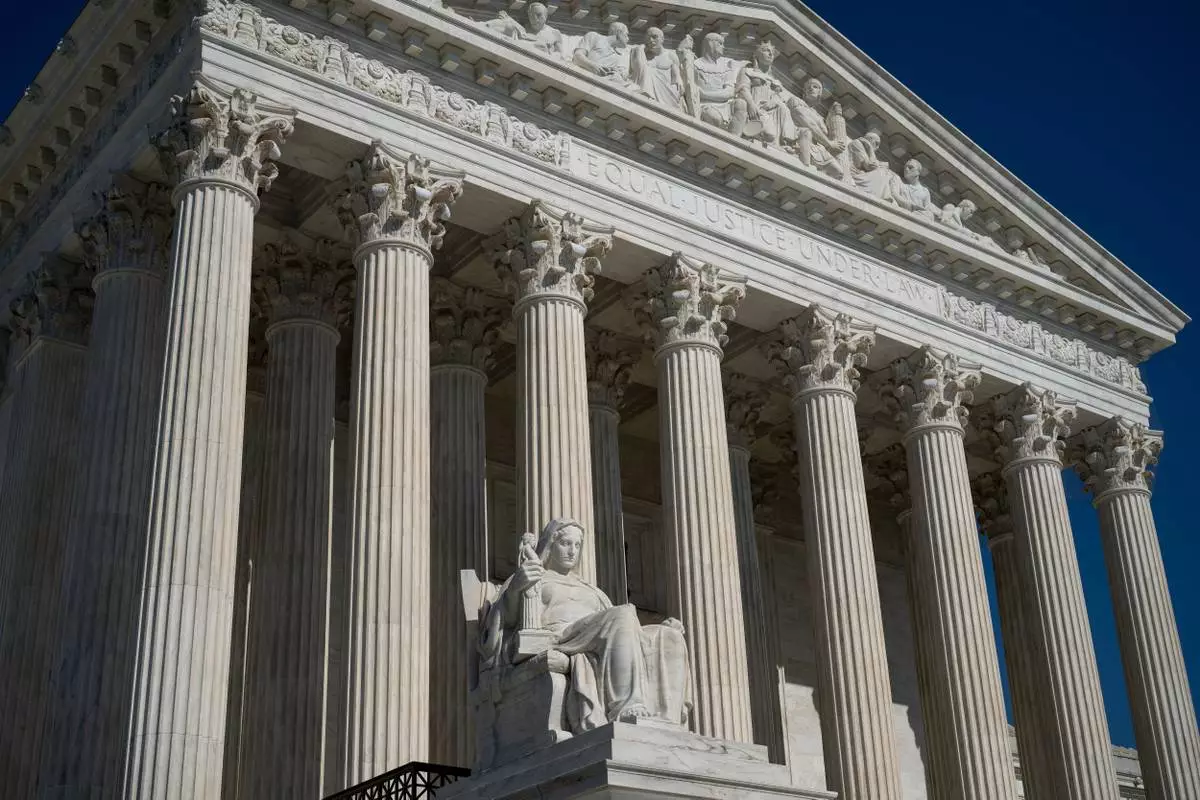
The Supreme Court is seen in Washington, Monday, May 18, 2026. (AP Photo/J. Scott Applewhite)
NASHVILLE, Tenn. (AP) — An attorney who was present for the planned execution of Tony Carruthers in Tennessee on Thursday said it was called off after officials struggled to find a vein for an hour.
Maria DeLiberato, an attorney for Carruthers, said she saw Carruthers “wincing and groaning” and called it “horrible” to watch.
An email to a spokeswoman for the state corrections department was not immediately returned.
THIS IS A BREAKING NEWS UPDATE. AP’s earlier story follows below.
NASHVILLE, Tenn. (AP) — Tennessee is scheduled to execute Tony Carruthers on Thursday after his attorneys questioned whether the state's lethal injection drugs had expired and courts denied requests to test DNA and fingerprint evidence or to deem him mentally incompetent.
Carruthers, 57, was sentenced to death after being found guilty of the 1994 kidnappings and murders of Marcellos Anderson; his mother, Delois Anderson; and Frederick Tucker. He was forced to represent himself at trial after repeatedly complaining about court-appointed attorneys and threatening to harm several of them.
There was no physical evidence tying Carruthers to the killings, and he was convicted primarily on the basis of testimony from people who claimed to have heard him confess to or discuss the crimes.
They include a man who was later revealed to be a police informant and told media he was paid for his testimony. A co-defendant, James Montgomery, was originally sentenced to death along with Carruthers but was later resentenced and released from prison in 2015, according to court filings.
Authorities said Marcellos Anderson was a drug dealer, and Carruthers was trying to take over the illegal drug trade in their Memphis neighborhood. Carruthers' attorneys have said their client's “paranoia and delusions” prevented him from being able to cooperate with court-appointed counsel, but the judge viewed this behavior as willful.
The Tennessee Supreme Court said on appeal that Carruthers’ actions before the trial jury were offensive and self-destructive but the situation in which he found himself was one of his own making. If the execution goes forward as scheduled, Carruthers will be the first person to be executed after being forced to represent himself in more than a century, according to a clemency petition to Tennessee Gov. Bill Lee.
In the petition, Carruthers' attorneys argue that the reason he was sentenced to death was because a medical examiner testified the victims were buried alive, going into excruciating detail for the jury. He later withdrew that claim and subsequent experts have said it was false.
Carruthers' attorneys have tried to show that he is incompetent to be executed. They claim in court filings that Carruthers believes the government is bluffing about executing him in order to coerce him into accepting a plea deal that exists only in his mind. That way, Carruthers believes, the government can avoid paying him what he thinks are millions of dollars it owes him. He is convinced that his own attorneys are part of a conspiracy against him and refuses to even speak with them, according to court filings.
The number of executions in the U.S. surged from 25 in 2024 to 47 last year, driven by a sharp increase in Florida. That state carried out 19 executions in 2025, up from one the previous year, according to the Death Penalty Information Center. So far this year, four states have executed 13 people, and 11 other executions are scheduled including one Thursday evening in Florida.
It’s not unusual to see several executions over a short period of time. Last year, four people were executed over three days in March in Oklahoma, Florida, Louisiana and Arizona. Another five people were executed over a week in October in Arizona, Mississippi, Missouri, Florida and Indiana, according to the Death Penalty Information Center.
Tennessee began a new round of executions last year after a three-year pause following the discovery that the state was not properly testing lethal injection drugs for purity and potency.
An independent review later found that none of the drugs prepared for the seven inmates executed in Tennessee since 2018 had been fully tested. The state attorney general’s office also conceded in court that two of the people most responsible for overseeing Tennessee’s lethal injection drugs “ incorrectly testified ” under oath that officials were testing the chemicals as required.
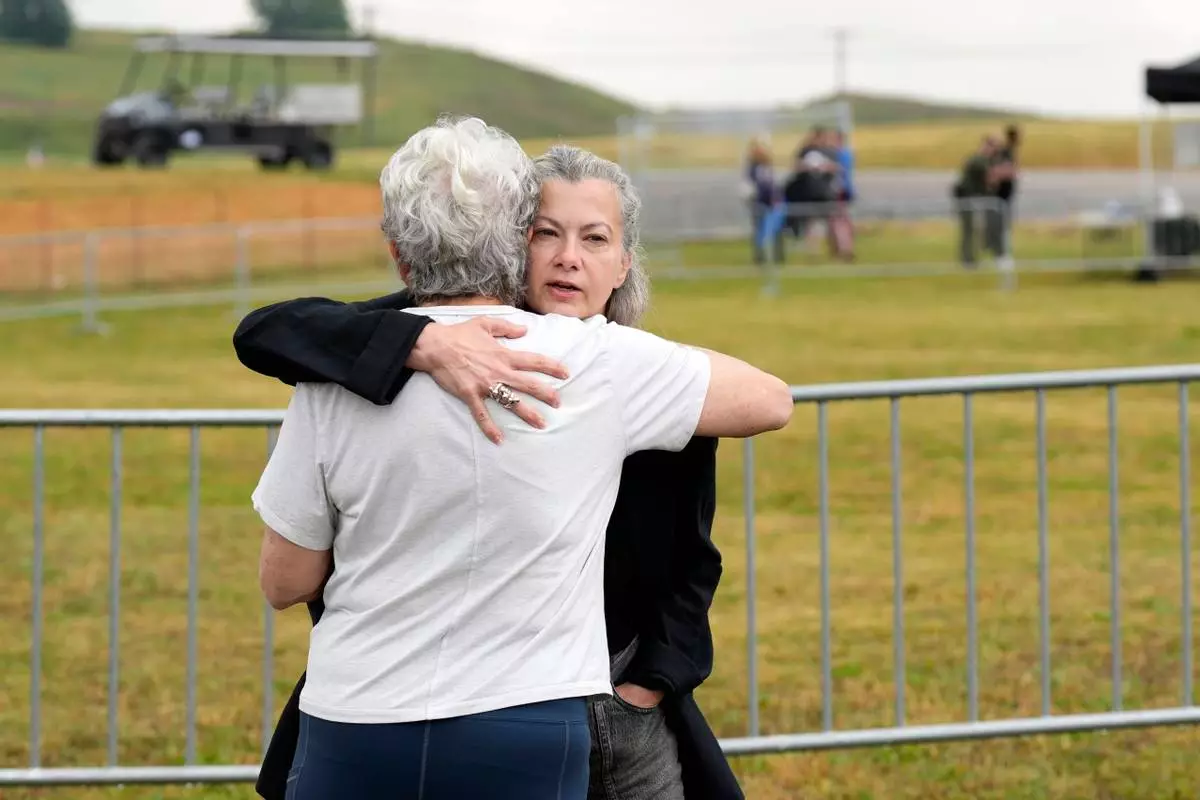
Bethany Mann, right, and Pat Halper, left, both of whom oppose the death penalty, greet one another outside Riverbend Maximum Security Institution before the scheduled execution of Tony Von Carruthers Thursday, May 21, 2026, in Nashville, Tenn. (AP Photo/Mark Humphrey)
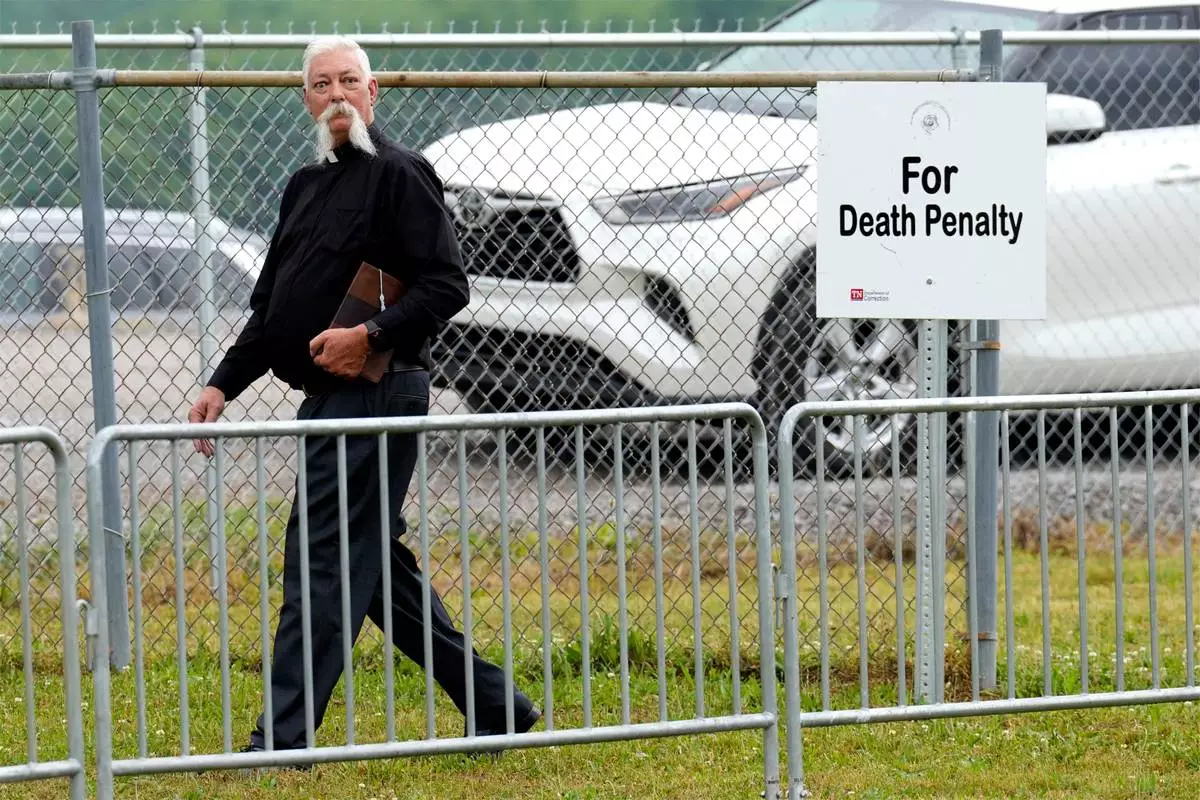
Rev. Rick Laude enters the area reserved for those in support of the death penalty outside Riverbend Maximum Security Institution before the scheduled execution of Tony Von Carruthers Thursday, May 21, 2026, in Nashville, Tenn. (AP Photo/Mark Humphrey)
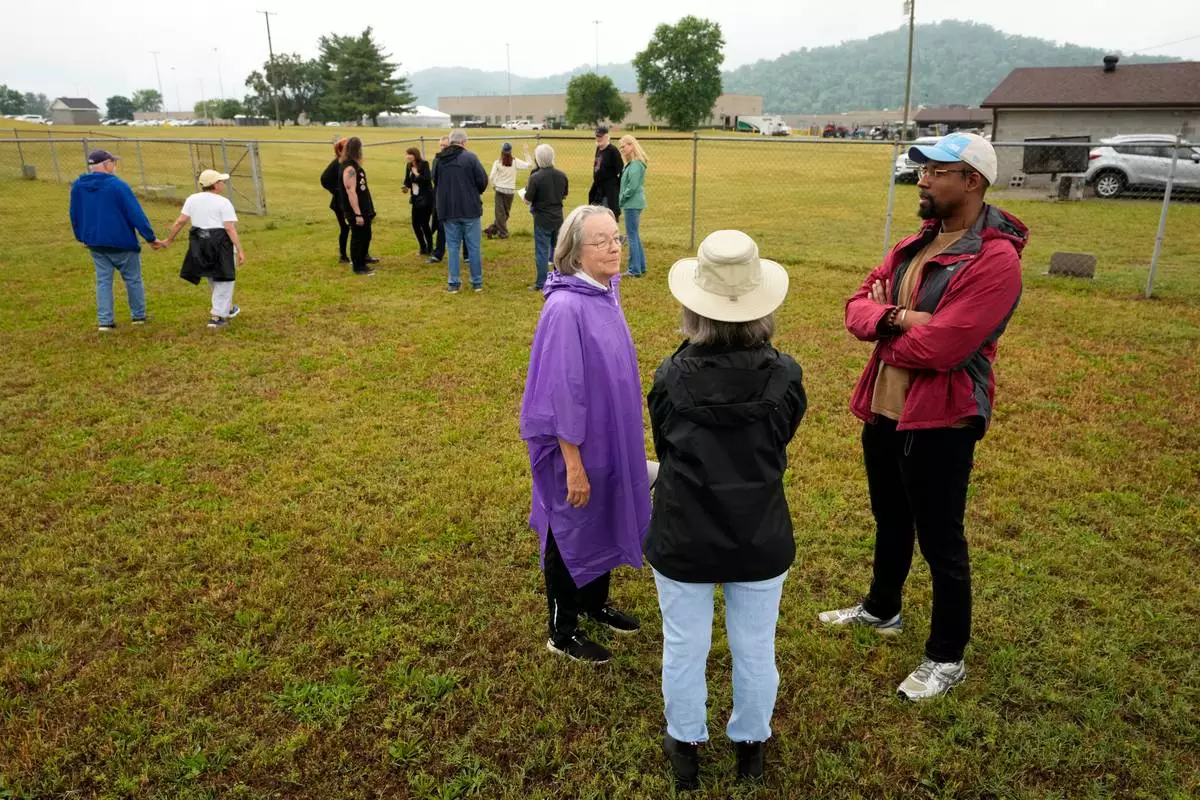
People talk in the area reserved for those who are opposed to the death penalty outside Riverbend Maximum Security Institution before the scheduled execution of Tony Von Carruthers Thursday, May 21, 2026, in Nashville, Tenn. (AP Photo/Mark Humphrey)
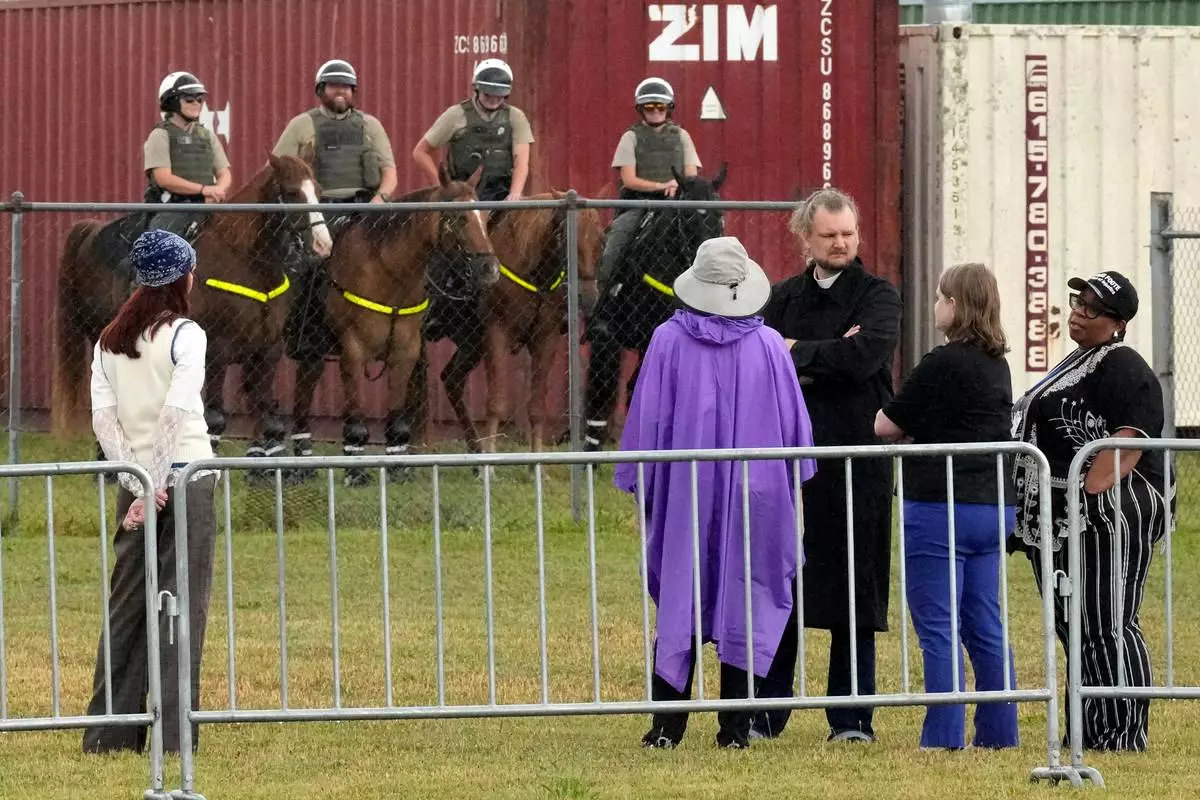
Guards on horses are posted next to the area reserved for people opposed to the death penalty outside Riverbend Maximum Security Institution before the scheduled execution of Tony Von Carruthers Thursday, May 21, 2026, in Nashville, Tenn. (AP Photo/Mark Humphrey)
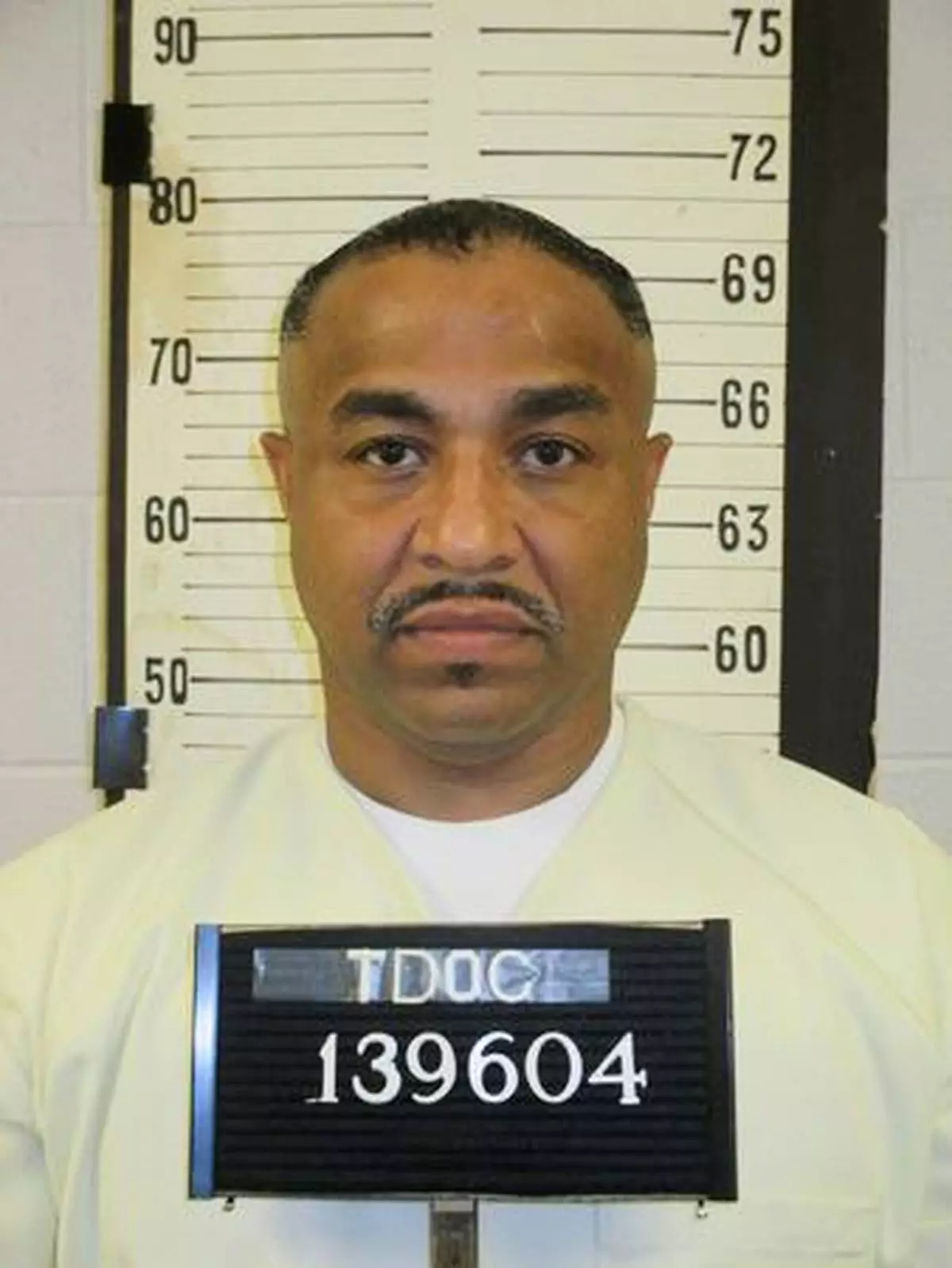
This Tennessee Department of Correction photo shows inmate Tony Carruthers. (Tennessee Department of Correction via AP)