The recreational boating industry in the United States is struggling to stay afloat as it feels the pinch of soaring fuel costs, with the uncertainty surrounding the Middle East conflict continuing to drive up oil prices.
Surging global energy costs has been one of the main spillover effects of the U.S.-Israeli war on Iran, which has caused major disruption to shipping along the Strait of Hormuz -- a vital shipping passageway for oil and gas supplies.
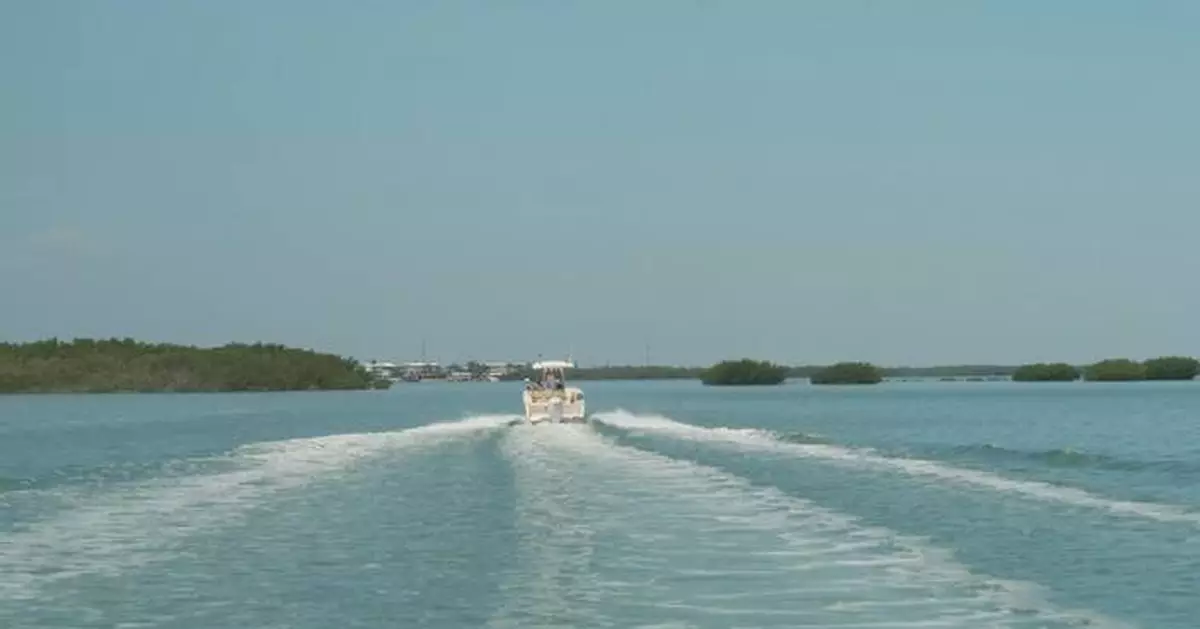
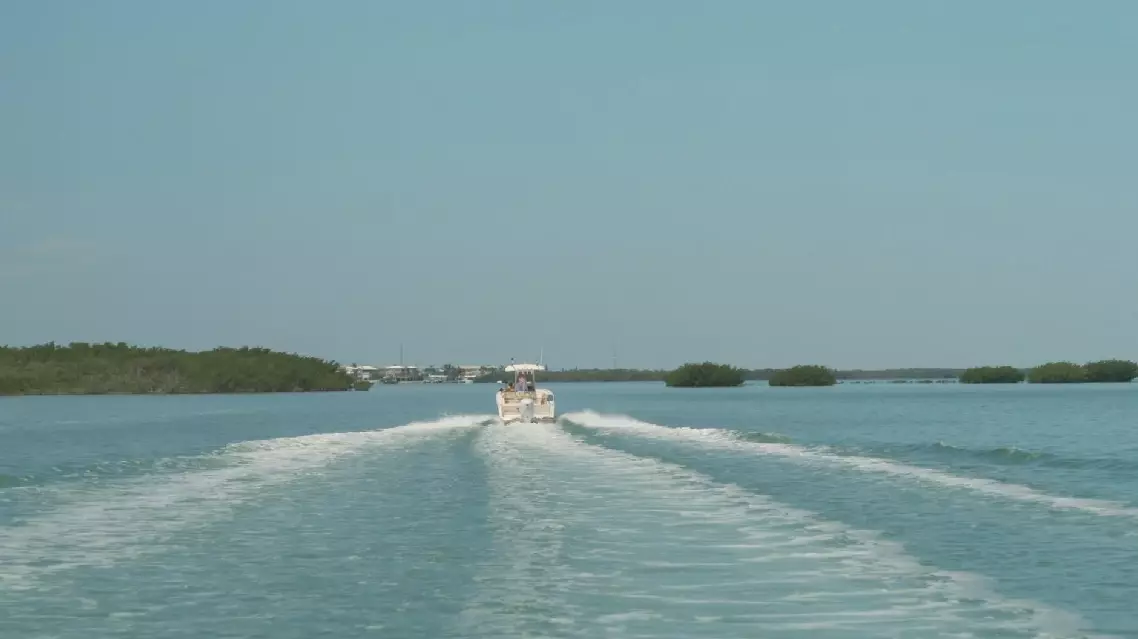
The impact on this key waterway is being felt thousands of kilometers away on a different body of water, with boat captains in Florida Keys, a popular scuba diving, fishing, and boating destination off the coast of Florida, being forced to reconsider their livelihoods amid the current slump.
Dillon McGovern, a captain who runs scuba diving trips out of Key Largo, says marine diesel now costs nearly two dollars more per gallon than just a few months ago, with prices even higher on the water.
"This is a 40-foot boat, so it never leaves the water. So we get a fuel truck in, and fuel costs -- I think diesel right now is like 5.25 dollars a gallon. On water, it's a little over 7 dollars a gallon," McGovern said.
"Anything on the water is more expensive. When you say marine, it doubles in cost. An alternator on land for a car, 200 bucks. An alternator in this boat, 600 dollars," he added.
Each trip burns at least 17 gallons or about 170 U.S. dollars in fuel before the boat even leaves the dock.
Divers still pay the same rate as always, leaving the boat owner to absorb the difference, but higher costs means less money is leftover for the crew, according to McGovern.
"The quality of service doesn't go down, but the tips go down, because [the rising prices are] eating into [people's budgets and they hope] the costs (can) come down here. So they've got a little less jingle in their pocket. That little less jingle passes on to us too," he said.
For some boat operators, the current financial stress has already forced them to reshape their working lives.
Jonathan Lorenzo, who has been in the industry for nearly eight years, used to just run his own boat, but with money tight, he is now captaining boats for other owners and resorting to other means such as selling cars to make up the lost income.
"It's definitely hard to make sense of it in some cases. My other boat was a twin motor 31-foot center console. That boat on an average trip would spend 40 to 60 gallons. So instead of spending 250-300 dollars to fill that up, now you're spending 600, 500, 700 dollars, which definitely makes a big difference," Lorenzo said.
"[The] captaining and boats [sector] kind of slowed down a lot between just people busy with lives and costs going up and just having to take care of their businesses with my private clients. And just the car industry is something where in South Florida it's a must-have. We don't have public transportation, so that's why I got into that," he said.
Florida's motor boating industry struggles to stay afloat amid soaring fuel prices