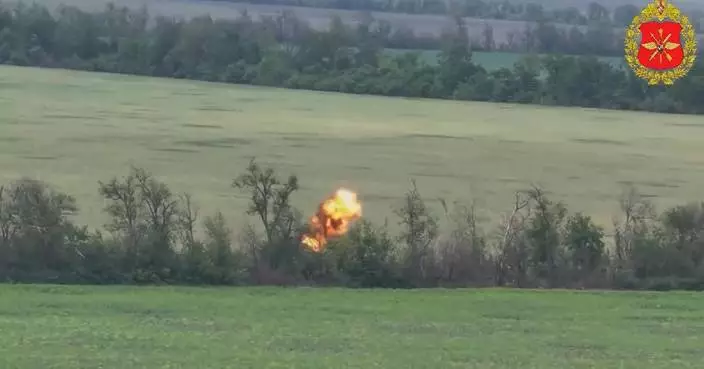
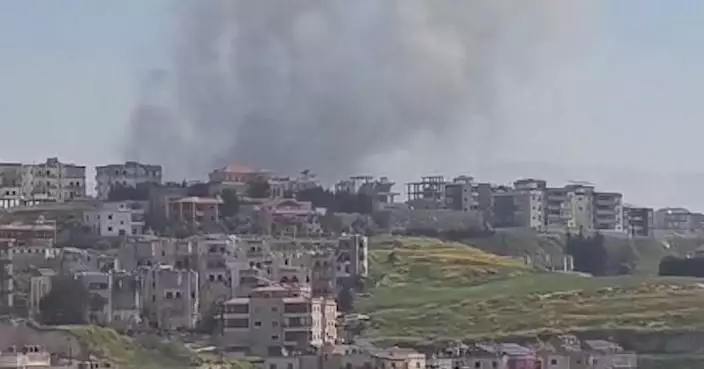
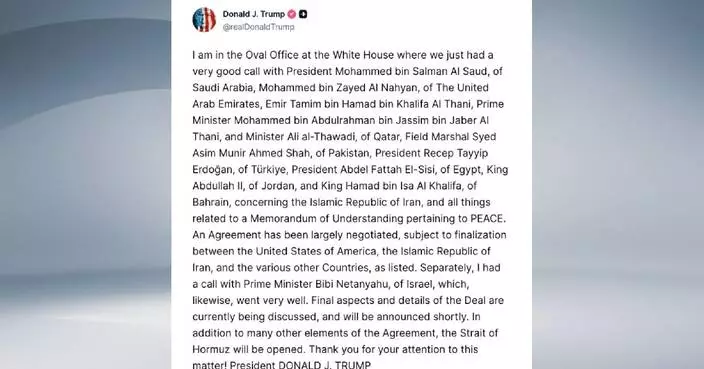
Iran's Islamic Revolution Guard Corps (IRGC) said on Saturday that 25 ships safely transited the Strait of Hormuz in the past 24 hours under its coordination, while the U.S. military claimed its ongoing naval blockade has forced more than 100 commercial vessels to change course over the past six weeks.
The IRGC Navy said in a statement that 25 vessels, including oil tankers, container ships and other commercial ships, crossed the strait after obtaining permission and under its security escort. Despite what Iran called "insecurity" caused by "U.S. terrorist army aggression," the IRGC Navy said it continues to exercise "smart control" over the strategic waterway.
Earlier this week, the IRGC reported that 92 vessels had crossed the strait between Tuesday and Friday, reiterating that all passages must be coordinated with and approved by its forces.
Meanwhile, U.S. Central Command (CENTCOM) said on social media on the same day that its blockade, imposed on April 13, has reached the milestone of redirecting 100 commercial vessels over the past six weeks. According to CENTCOM, more than 15,000 U.S. personnel have been involved, with over 200 aircraft and warships supporting the mission, including two carrier strike groups. The blockade applies to vessels of all nations entering or departing Iranian ports on the Arabian Gulf and Gulf of Oman.
The dueling claims underscore the ongoing standoff over the strait, a vital chokepoint for global oil shipments. Iran tightened its control on February 28 after U.S.-Israeli strikes on Iranian territory, barring vessels affiliated with the two countries. The United States responded with the blockade, which it says has squeezed Iran economically.
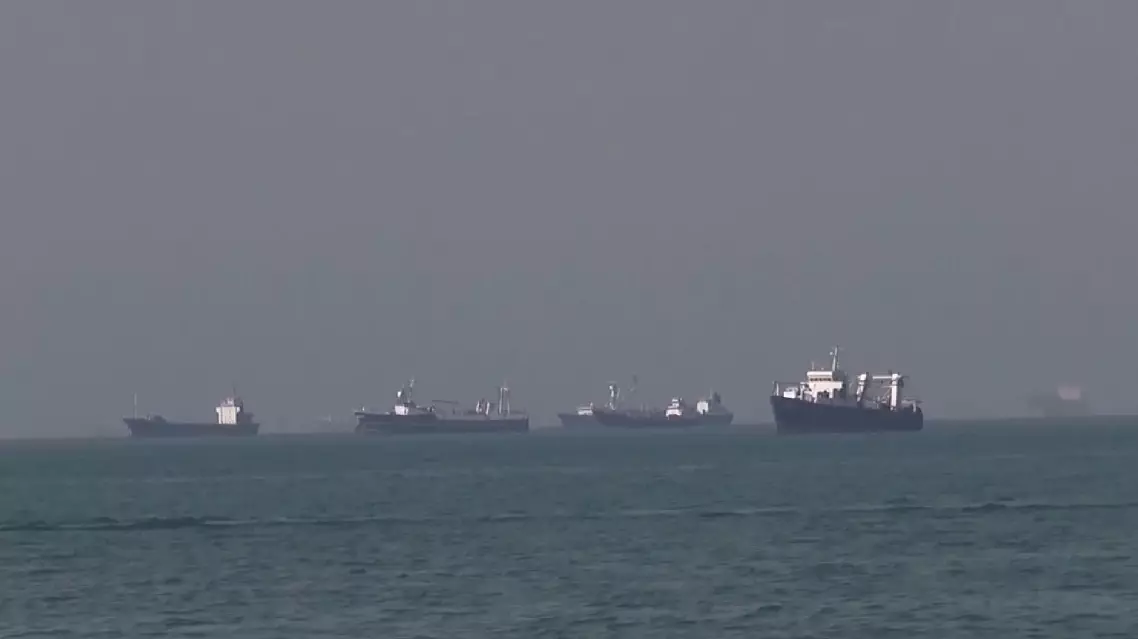
Iran, US give divergent accounts of Hormuz traffic amid standoff
The World Health Organization (WHO) and the Africa Centers for Disease Control and Prevention (Africa CDC) on Saturday unveiled a six-month Ebola response plan for outbreaks in the Democratic Republic of the Congo and Uganda.
With a 319 million U.S. dollars budget, the plan covers all 55 African Union member states.
The plan adopts a coordinated, country-driven approach, covering 11 response and preparedness pillars. It follows the principle of "one team, one plan, one budget, one monitoring and evaluation framework," and will be jointly led by WHO and Africa CDC.
Of the total budget, 265 million is allocated for outbreak response in the DRC and Uganda, while 54 million will go toward preparedness efforts in 10 high-risk African countries.
The plan also notes that the biggest shortcoming in the continent's preparedness for the current Ebola outbreak is the lack of licensed vaccines and drugs. As a result, prevention and control efforts will rely mainly on infection prevention and control measures, isolation of cases, contact tracing, and community engagement.
The DRC government reported 867 suspected Ebola cases and 204 suspected deaths as of Saturday. In Bunia, the capital of the hard-hit Ituri Province in the east, all passenger flights have been suspended at the airport.
On the same day, Uganda's Ministry of Health reported three new confirmed Ebola cases, all of which were the country's first locally transmitted infections. Previously, Uganda had recorded two imported confirmed cases, including one death.
On May 17, the WHO designated the ongoing Ebola outbreak a Public Health Emergency of International Concern. One day later, the Africa CDC declared it a Public Health Emergency of Continental Security.
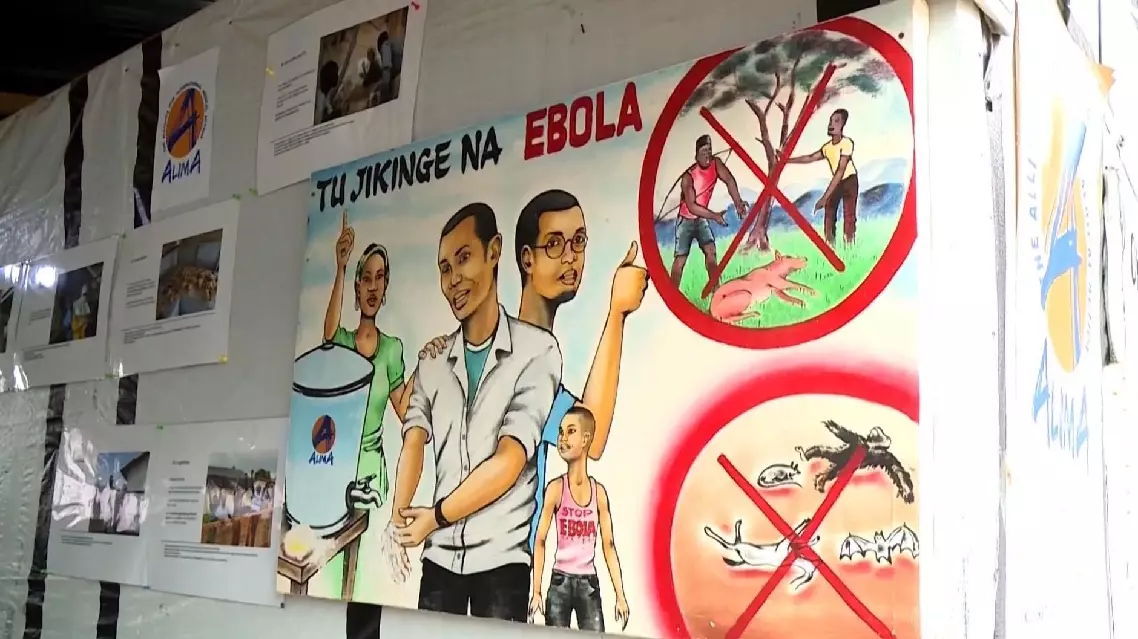
WHO, Africa CDC announce 319 mln USD, 6-month Ebola response plan to tackle outbreaks