Skip to Content Facebook Feature Image

Could anything but profit steer AI? The OpenAI trial offered clues but no verdict

TECH

Could anything but profit steer AI? The OpenAI trial offered clues but no verdict
TECH

TECH

Could anything but profit steer AI? The OpenAI trial offered clues but no verdict

2026-05-24 12:00 Last Updated At:14:40

The trial pitting Elon Musk against OpenAI CEO Sam Altman made clear the two billionaires agreed on one thing: building artificial intelligence would require significant resources — and enormous amounts of money.

It may seem obvious now, as an AI-obsessed stock market helps finance a global construction boom of chipmaking factories and energy-hogging data centers to keep chatbots running, but testimony and evidence showed how people with outsized control of the AI industry were privately debating its costs nearly a decade ago.

“Even raising several hundred million won’t be enough,” Musk said in a 2018 email to Altman and other OpenAI co-founders about what he increasingly saw as a futile attempt to compete with Google. “This needs billions per year immediately or forget it.”

The soaring costs factored into the trajectory of OpenAI, which began in 2015 as a nonprofit dedicated to developing AI for the common good and is now a capitalistic enterprise valued at $852 billion. As San Francisco-based OpenAI and other AI companies move toward historically large Wall Street debuts, the trial also raised questions about whether anything but commercial interests can steer AI’s future.

It is possible to build big things only with nonprofit money, but in the case of OpenAI's early years, the uncertainty around AI also made it a risky investment, said Karan Girotra, a professor of operations, technology, and innovation at Cornell Tech. Now, he said, investment in AI is no longer speculative.

“Now it’s traditional investment in something we know works,” Girotra said. “People want your car, you need to build the factory ahead of demand.”

In his lawsuit, Musk accused OpenAI of betraying its charitable mission for building AI, saying Altman and fellow co-founder Greg Brockman went behind his back and unjustly enriched themselves. OpenAI, in turn, has said Musk supported plans to form a for-profit company and filed his 2024 lawsuit to undercut the ChatGPT maker's success as he built his own AI company, xAI.

The federal jury in Oakland, California, never got to deliver a verdict on the merits of the case, determining Musk's lawsuit missed a statutory deadline and dismissing it Monday after a three-week trial.

But the trial put on record details of internal battles that presaged today’s societal and political debates over AI’s impacts and costs.

“It’s sort of hard to imagine at this point, given where AI has gotten,” testified Kevin Scott, Microsoft's chief technology officer, as he explained to jurors why his company opted to invest billions of dollars to help build OpenAI's technology after founding donor Musk quit OpenAI's board in 2018.

“It was before ChatGPT," Scott said. "It was before these remarkable things that are happening right now and so most of the people at Microsoft were very skeptical about whether or not all of these claims were going to materialize into reality.”

Microsoft, a defendant in the lawsuit, at the time was also looking for a way to compete with Google in AI research. OpenAI told Microsoft what they needed was more data and more computing resources — and if they had that, their AI systems would grow far more powerful.

“The things that they wanted and ultimately that we helped them do were very capital-intensive projects like building giant data centers, full of very expensive computers and networks,” Scott said.

It remains in dispute how much profit was the prime motivator for the shift to OpenAI’s capitalistic enterprise, which is not yet profitable but likely headed for an initial public offering as soon as later this year.

What is clear, however, is how the costs involved constrained the company's options.

More than five years before OpenAI introduced ChatGPT, the company had a breakthrough when it taught an AI system to beat professional players of Dota 2, a multiplayer video game featuring ogres, centaurs and other fantastical creatures.

“Honestly, the world reacted to it somewhat less than I thought they should have, but to us internally, it really felt like a moment where we had shown that our technology, using something called reinforcement learning, could take on an enormously complex task," Altman testified.

OpenAI's livestreamed victory against a top Dota 2 player at a Seattle competition in 2017 made the tiny nonprofit a major contender against Google, which was then seen as the leader in AI research. It also led to some soul-searching about how OpenAI could compete when it was a nonprofit, largely dependent on Musk and other donors.

“He was impressed,” Altman said of Musk. “And then immediately after the Dota win, Mr. Musk said he thought we really need to get more serious and figure out how to get way more capital.”

For another co-founder and OpenAI's former chief scientist, Ilya Sutskever, the Dota victory was the beginning of discussion about whether OpenAI should create a for-profit company to more easily raise money.

“The realization is that to make progress in AI, you need a big computer," Sutskever told jurors. "And you need the big computer because the brain is a big computer. You have a hundred billion neurons and a hundred trillion synapses in the brain.”

What followed was a battle of wills — with Altman and Musk vying for leadership of OpenAI and Musk later trying to fold the AI laboratory into his car company Tesla. The other OpenAI leaders resisted, and Musk eventually quit.

AP Technology Writer Barbara Ortutay contributed to this story.
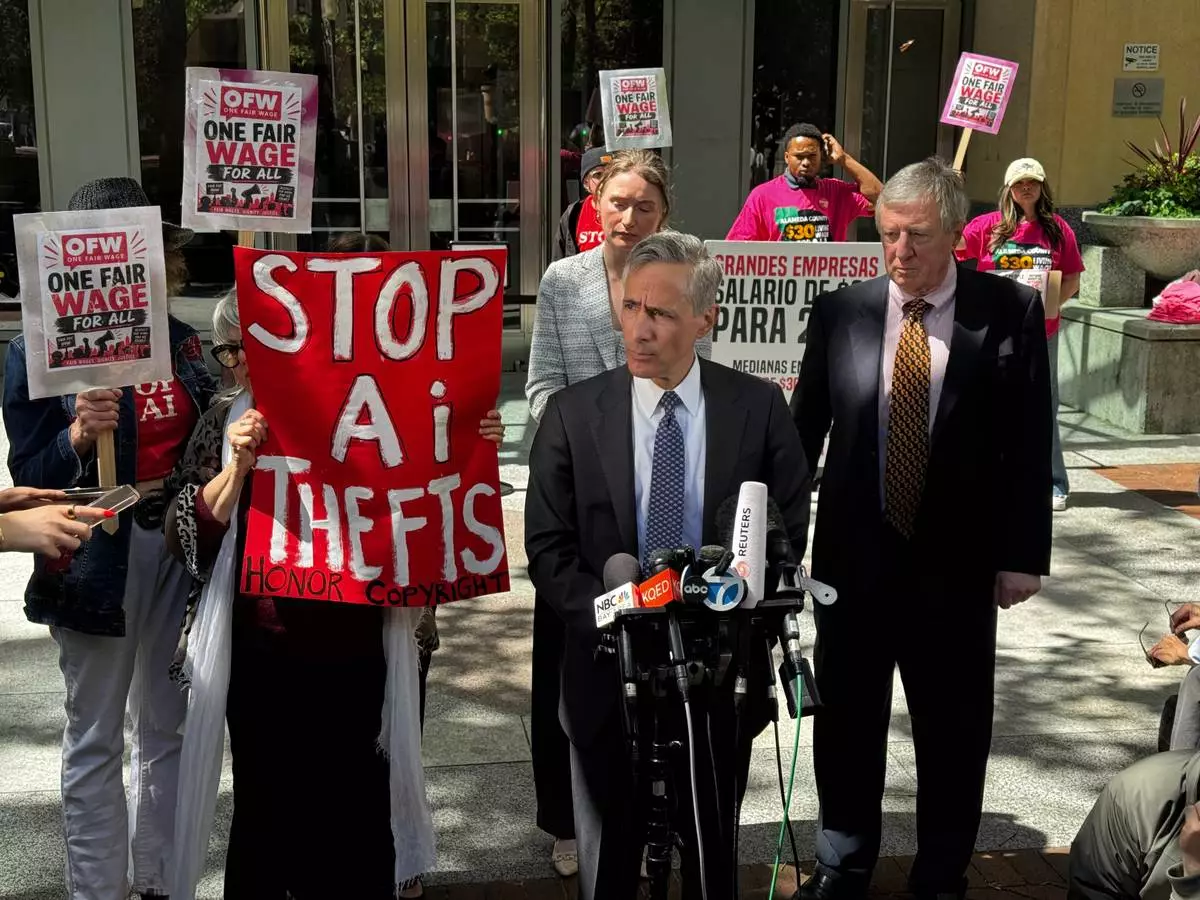
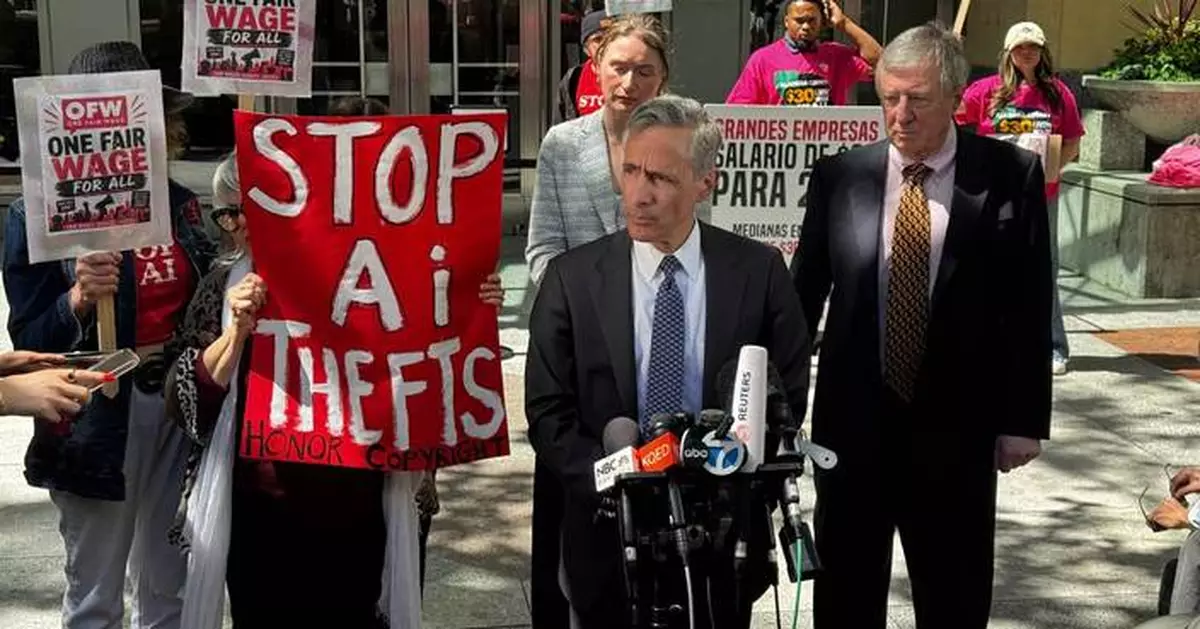
Bill Savitt, an attorney for OpenAI, speaks to the media after a jury ruled in the company's favor in a a federal trial in Oakland, Calif. on Monday, May 18, 2026. (AP Photo/Terry Chea)

Bill Savitt, an attorney for OpenAI, speaks to the media after a jury ruled in the company's favor in a a federal trial in Oakland, Calif. on Monday, May 18, 2026. (AP Photo/Terry Chea)
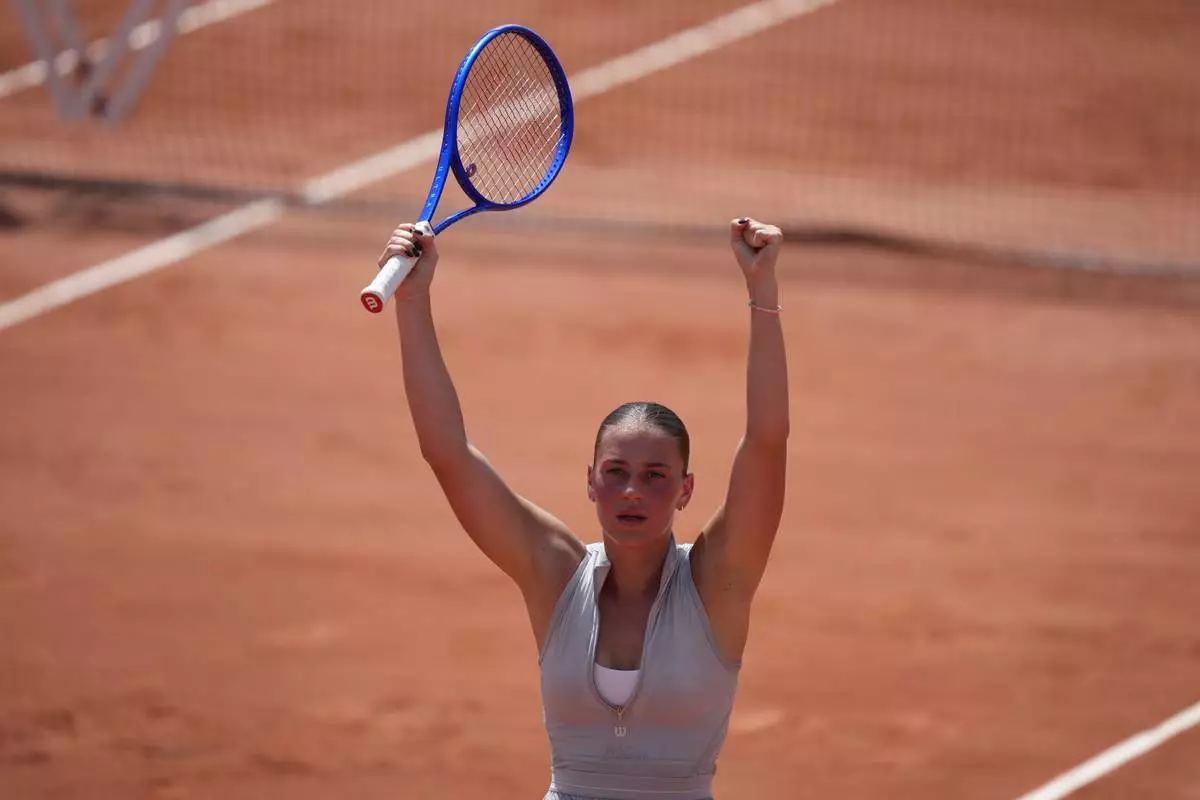
PARIS (AP) — Marta Kostyuk’s first-round win at the French Open became one of her toughest matches after she found out beforehand that a missile almost hit her parents' home in Ukraine.

Kostyuk fought back tears after beating Oksana Selekhmeteva 6-2, 6-3 on Court Simonne-Mathieu on the opening day of the clay-court Grand Slam at Roland Garros in western Paris.

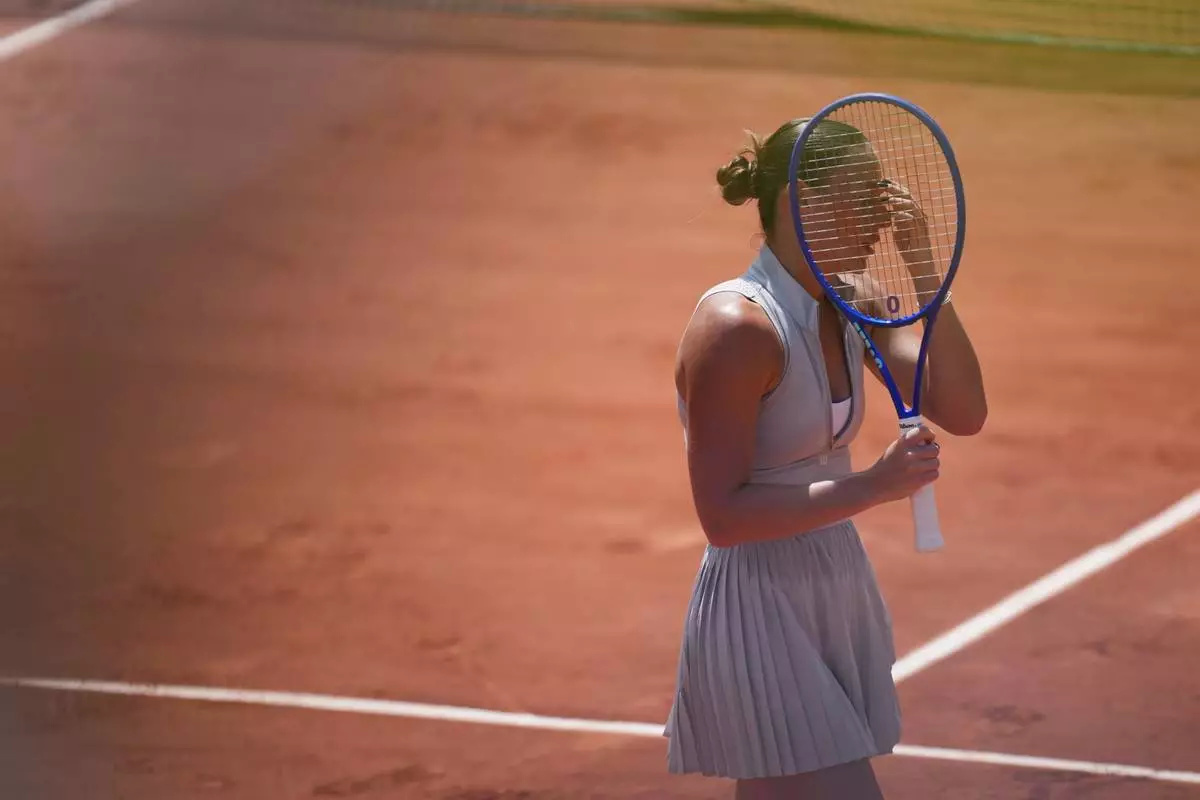
“I think it was one of the most difficult matches of my career," the 15th-seeded Kostyuk said. “This morning, 100 meters away from my parents’ house, the missile destroyed the building and it was a very difficult morning for me ... I didn’t know how I would handle it, I’ve been crying part of the morning.”

She received a message at 8 a.m. and could not stop thinking what could have happened.

“I felt sick,” she said. “If it was 100 meters closer, I probably wouldn’t have a mom and a sister today.”

Her mother, sister and great aunt — were in the house at the time of the strike, she said, among 17 people in total, so her relief was enormous that no one was injured.

“I don’t want to think what I would do if something worse happened, but I knew that this is the day to go out and play,” she said. “It didn’t cross my mind today that I shouldn’t go out, because, you know, at the end of the day, everyone is alive.”

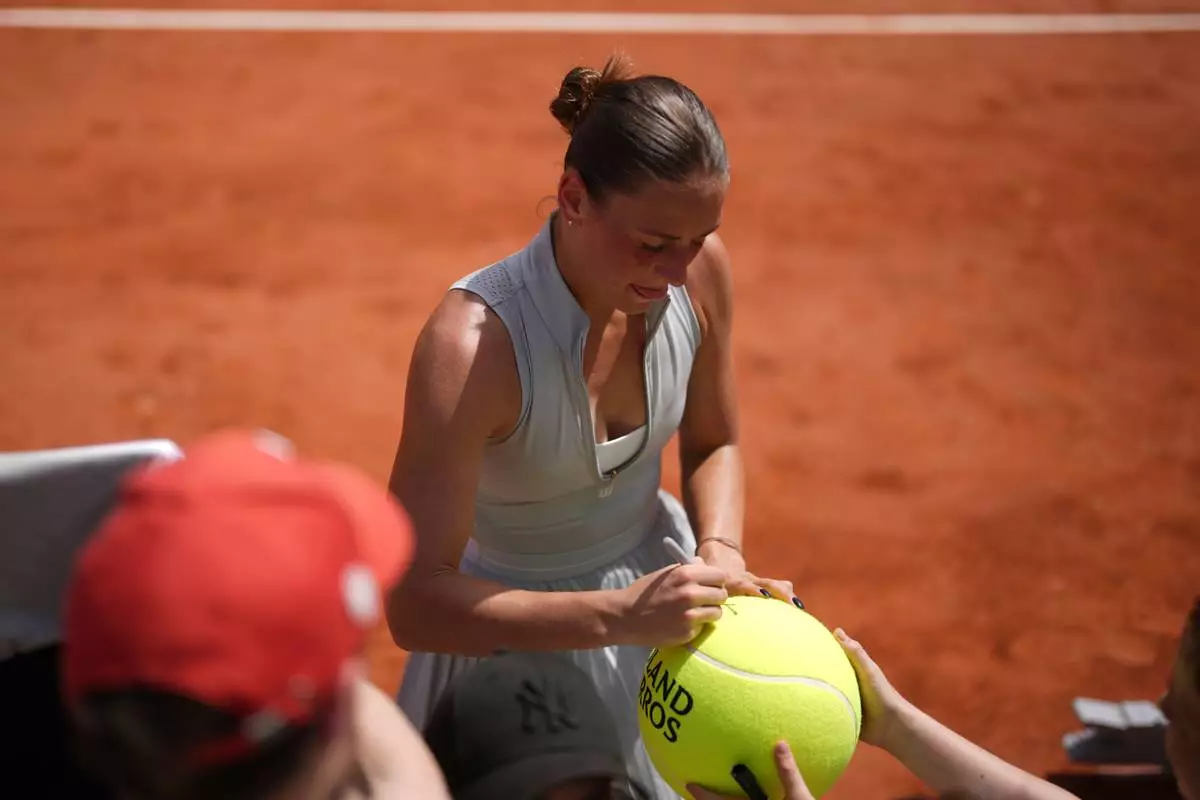
After the match, she thanked fans and received an ovation. Then she explained how she found the emotional and mental resources to play.

“I think it’s important to keep going. My biggest example is Ukrainian people, I woke up in the morning today and,” the 23-year-old Kostyuk said, becoming tearful before repeating and finishing the sentence.

“I looked at all these people who woke up and kept living their life, kept helping people who are in need,” she said. "I knew a lot of Ukrainian flags would be here today and a lot of Ukrainian people would come out, support. My friends from Ukraine came as well.”

When Kostyuk first served for the match at 5-1 she got broken. But she served it out on her next opportunity and waved to fans holding up a Ukraine flag in the upper deck.

She next plays unseeded American Katie Volynets and Kostyuk's countrywoman Elina Svitolina — a recent winner at the Italian Open in Rome — faces Anna Bondar on Monday.

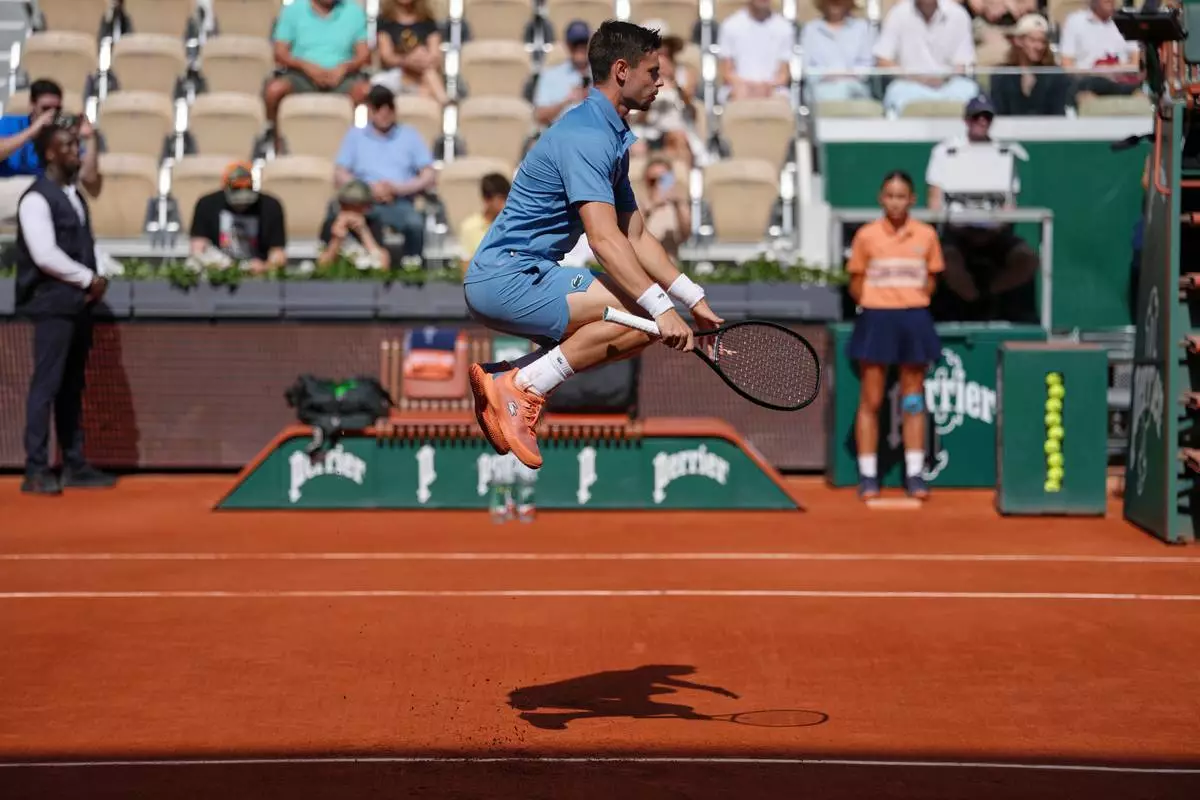
Sunday's opening day saw players coping with high temperatures of 33 degrees Celsius (91 Fahrenheit) — with the intense heat contributing to Frenchman Arthur Gea taking an emergency bathroom break early into his first-round loss to No. 13 Karen Khachanov on Court Suzanne-Lenglen.

Spectators folded newspapers in half and fanned themselves to keep cool as players on court attempted to stay hydrated.

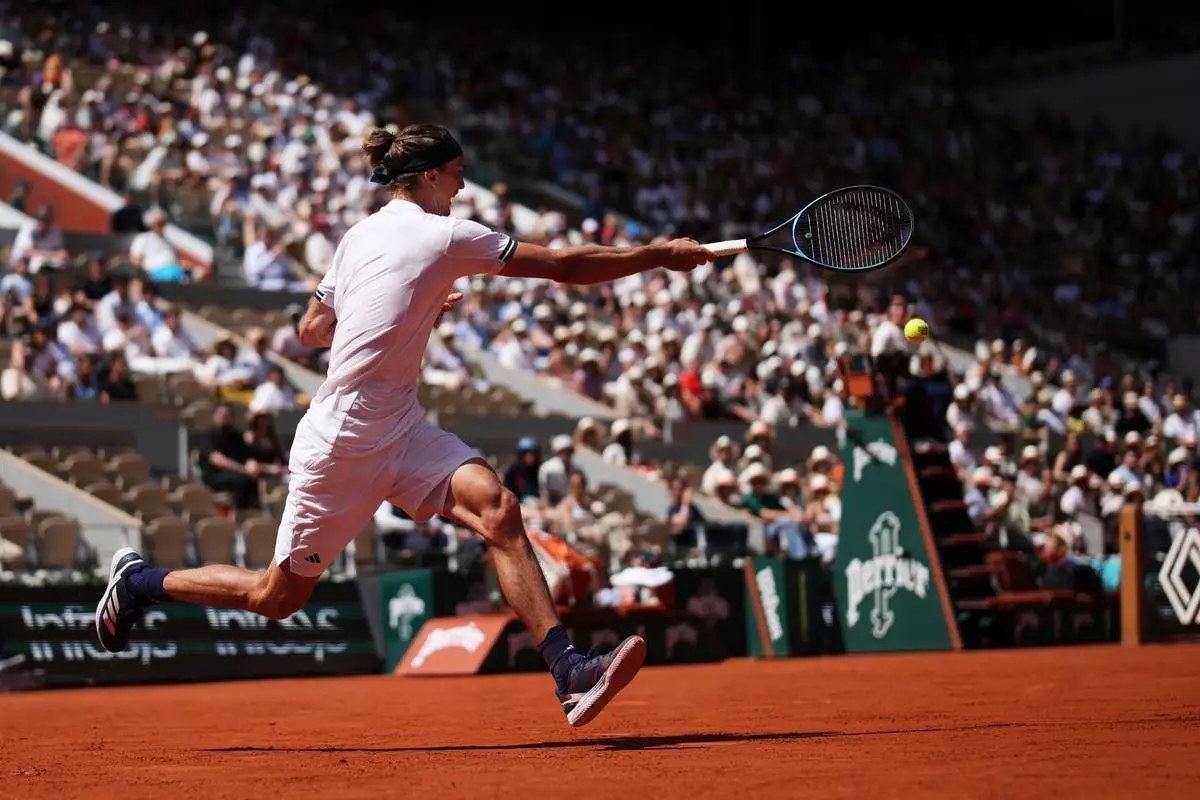
The opening match on Court Philippe-Chatrier saw No. 11 Belinda Bencic beating Sinja Kraus 6-2, 6-3 and 2024 runner-up Alexander Zverev followed with a 6-3, 6-4, 6-2 win against Benjamin Bonzi. The second-seeded German plays unseeded Tomas Machac next.

The night match on Chatrier features three-time champion Novak Djokovic against Giovanni Mpetshi Perricard.

Two days after his 39th birthday, Djokovic will play a men’s record 82nd Grand Slam tournament — one more than Roger Federer and Feliciano Lopez.

AP Sports Writer Andrew Dampf in Paris contributed to this report.

AP tennis: https://apnews.com/hub/tennis

Alexander Zverev of Germany returns to Benjamin Bonzi of France during their first round men's singles tennis match at the French Open tennis tournament in Paris, Sunday, May 24, 2026. (AP Photo/Christophe Ena)

Alexander Zverev of Germany returns to Benjamin Bonzi of France during their first round men's singles tennis match at the French Open tennis tournament in Paris, Sunday, May 24, 2026. (AP Photo/Christophe Ena)

Marta Kostyuk of Ukraine signs autographs after winning against Oksana Selekhmeteva of Spain during their first round women's singles tennis match at the French Open tennis tournament in Paris, Sunday, May 24, 2026. (AP Photo/Thibault Camus)

Marta Kostyuk of Ukraine signs autographs after winning against Oksana Selekhmeteva of Spain during their first round women's singles tennis match at the French Open tennis tournament in Paris, Sunday, May 24, 2026. (AP Photo/Thibault Camus)

Marta Kostyuk of Ukraine celebrates as she won against Oksana Selekhmeteva of Spain during their first round women's singles tennis match at the French Open tennis tournament in Paris, Sunday, May 24, 2026. (AP Photo/Thibault Camus)

Marta Kostyuk of Ukraine celebrates as she won against Oksana Selekhmeteva of Spain during their first round women's singles tennis match at the French Open tennis tournament in Paris, Sunday, May 24, 2026. (AP Photo/Thibault Camus)

Marta Kostyuk of Ukraine celebrates as she won against Oksana Selekhmeteva of Spain during their first round women's singles tennis match at the French Open tennis tournament in Paris, Sunday, May 24, 2026. (AP Photo/Thibault Camus)

Marta Kostyuk of Ukraine celebrates as she won against Oksana Selekhmeteva of Spain during their first round women's singles tennis match at the French Open tennis tournament in Paris, Sunday, May 24, 2026. (AP Photo/Thibault Camus)

Arthur Gea of France warms up before the first round men's singles tennis match against Karen Khachanov of Russia at the French Open tennis tournament in Paris, Sunday, May 24, 2026. (AP Photo/Aurelien Morissard)

Arthur Gea of France warms up before the first round men's singles tennis match against Karen Khachanov of Russia at the French Open tennis tournament in Paris, Sunday, May 24, 2026. (AP Photo/Aurelien Morissard)

Recommended Articles