Discussions between Pakistani Army Chief Asim Munir and the Iranian leadership during Munir's official visit to Iran over the past 24 hours have resulted in encouraging progress towards a final understanding, the Pakistani military said in a statement on Saturday.
Munir has concluded a short but "highly productive" visit to Iran, during which he held high-level meetings with Iranian leadership, the military's media wing Inter-Services Public Relations (ISPR) said in a statement.
The meetings were part of ongoing mediation efforts aimed at promoting de-escalation and constructive engagement amid regional tensions, the statement added.
Munir met the Iranian president, parliament speaker, foreign minister and interior minister during the visit, the statement added.
The discussions focused on expediting the consultative process aimed at supporting regional peace and stability and reaching a conclusive agreement, the military statement said.
The Iranian leadership appreciated Pakistan's role in facilitating dialogue and promoting a peaceful settlement of regional issues, according to the ISPR.
Iranian media reported Saturday that Munir held separate meetings with Iranian President Masoud Pezeshkian, Parliament Speaker Mohammad Bagher Ghalibaf, and Foreign Minister Abbas Araghchi.
According to a presidency statement, Pezeshkian said that his country seeks to safeguard national interests and remains highly cautious in negotiations with the United States.
Pezeshkian cited Washington's repeated breach of commitments, attacks on Iran amid talks, and targeted killings of its officials as the basis for widespread public mistrust.
Under such circumstances, Iran has pursued negotiations relying on its "brotherly relations" with friendly countries, including Pakistan, "but our main goal is to solely safeguard the Iranian nation's interests through appropriate solutions," Pezeshkian said. War has never been in anyone's interest and will only bring losses to the region and the world, he added.
According to Iran's state television, Ghalibaf and Munir discussed the latest developments in ongoing negotiations during their meeting on Saturday.
The parliamentary speaker emphasized that Iran would not compromise on matters concerning national sovereignty and the rights of its people. He added that Iran's armed forces have undergone reorganization and restructuring during the ceasefire period, warning that any U.S. attempt to reignite conflict would face even heavier consequences.
Araghchi and Munir held two rounds of talks, focusing on measures to prevent further deterioration of regional security. Following their second meeting, Munir departed Tehran, concluding his diplomatic visit.
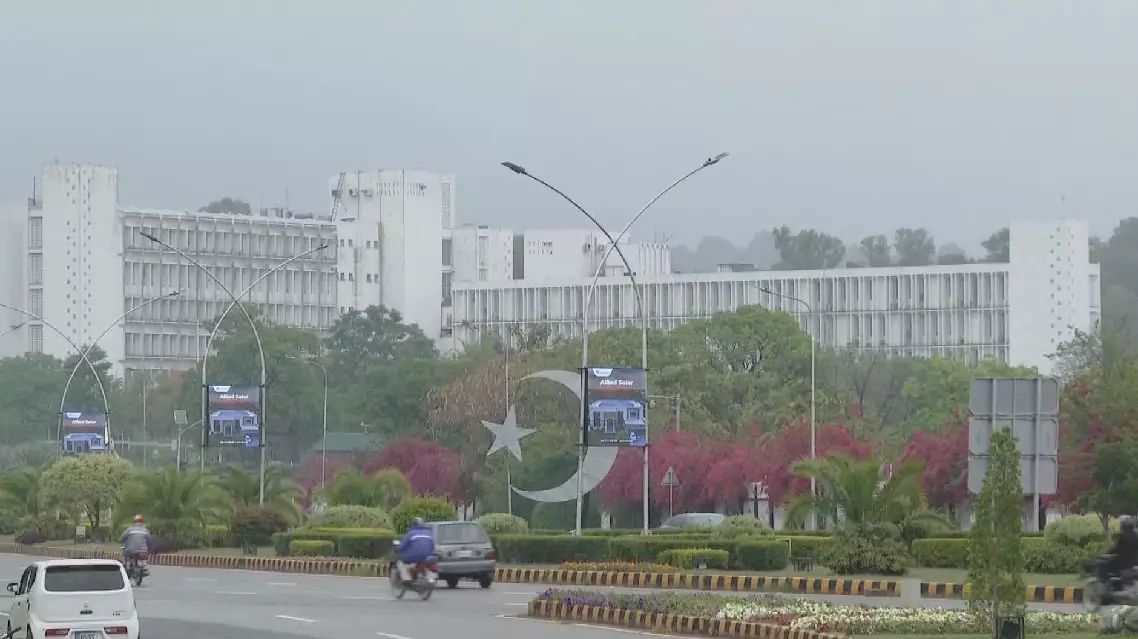
Pakistani army chief's meetings with Iran make encouraging progress to promote de-escalation