The completion of the Sichuan-Xizang Power Grid Interconnection Project has brought stable electricity to more than 700,000 residents in Changdu City, southwest China's Xizang Autonomous Region, ending years of unreliable power supply that often disrupted daily life.
For decades, reliable electricity was a luxury for many residents in Changdu.
"To be honest, using electricity used to be really troublesome. Sometimes I'd carry water home, and suddenly the power would go out. We couldn't even cook," said Nima Senge, a resident working as a construction worker.
Like many families in the region, Nima Senge once struggled with unstable power supplies. Today, things are very different. His family now enjoys modern home appliances, from large refrigerator to big-screen TV.
"Now the electricity is very reliable. The power basically never goes out anymore, no matter winter or summer," said Nima Senge.
Changdu's remote mountainous location once made it dependent on local hydropower generation, with limited ability to import electricity during shortages. The region relied almost entirely on clean energy, with coal and fuel power scarce due to high costs and harsh construction for conditions.
In 2014, the Sichuan-Xizang Power Grid Interconnection Project officially went into operation. With a total investment of more than 6.6 billion yuan, or around 1 billion U.S. dollars at the time, the project connected Changdu's grid with the larger Sichuan power network, fundamentally improving electricity access for more than 700,000 people in the region.
"We completely ended the history of our isolated power grid," said Xu Tao, deputy director of the power dispatching and control center of State Grid Changdu Power Supply Company.
The connection allows electricity to flow between Changdu City and Sichuan Province, helping balance power supply throughout the year. But building the project was not easy. More than 20,000 workers built the 1,500-kilometer power network across high mountains and difficult terrain.
"Transportation was very difficult. A lot of the towers had to be built on mountain tops. Workers not only had to transport materials there, but also deal with high-altitude conditions and oxygen shortages," Xu said.
Today, stable electricity has changed life in Changdu. For many residents, reliable power is no longer a luxury, but part of daily life.
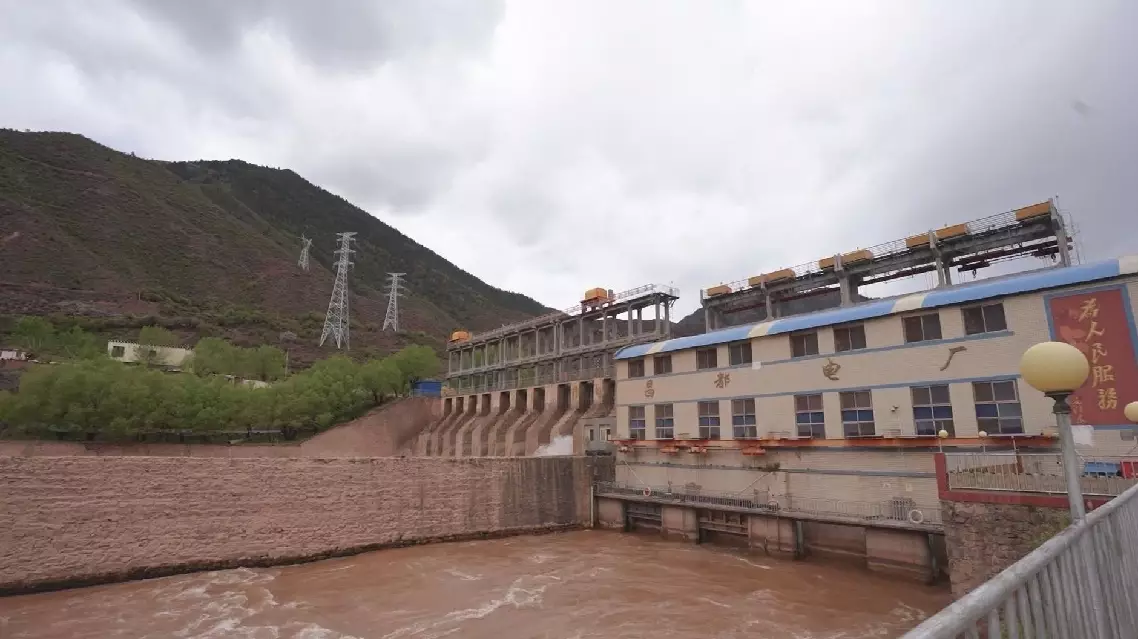
Grid link with Sichuan ends era of power instability in Xizang's Changdu
Serbian officials and scholars expect that President Aleksandar Vucic's visit to China will further cement the ironclad friendship between the two countries and open up new avenues for cooperation.
At the invitation of President Xi Jinping, Serbian President Vucic arrived in Beijing on Sunday for a state visit to China from May 24 to 28. During the visit, the two heads of state will exchange views on bilateral relations, as well as international and regional issues of mutual interest.
As the first European country that has agreed to jointly build a community with a shared future for the new era with China, Serbia is an important partner for China in Southeast Europe. According to high-level Serbian officials, the partnership could expand even further.
"I think that the most important one, apart [from] the infrastructure, will be scientific cooperation and widening the existing cooperation in each field, from infrastructure to culture. Our anchored friendship could become a role model for everyone else," said Marina Ragus, deputy speaker of Serbia's National Assembly.
Bojan Lalic, director of the Belt and Road Institute in Belgrade, anticipates that actions following the two presidents' discussions can bring stability to Serbia's economic and industrial development.
"We expect President Vucic and President Xi to have fruitful discussions, but also some following steps that will bring stability to our economy, to our industry. I truly believe that when speaking about the future, we are speaking about young people, (which) means education, research, science -- those are fields that I believe are fundamental for our exchange, for our future cooperation, and for our win-win achievements and success," said Lalic.
Ljubodrag Savic, a professor at the Faculty of Economy of the University of Belgrade, highlighted the importance of growing trade between the two countries. Since the signing of a bilateral free trade agreement in 2023, exports from Serbia to China nearly doubled, from 1.2 billion U.S dollars the year the agreement was signed to 2 billion U.S. dollars in 2025.
"China treats all countries equally, regardless of their size or so-called importance, maintaining friendly relations with countries around the world. The free trade agreement signed between Serbia and China grants Serbia preferential treatment. Most Serbian products can be exported to China almost duty-free. China is a truly valuable friend to Serbia," said the professor.
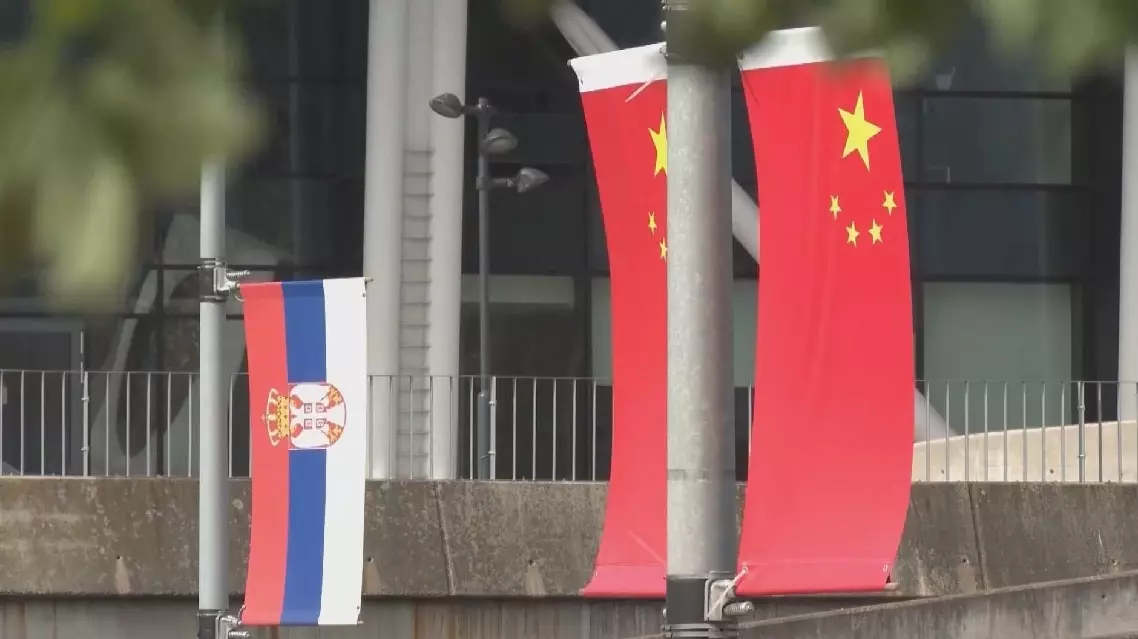
Serbian experts predict fruitful outcomes from Vucic's visit to China