Iran has signaled a possible shift in its approach to maritime control over the Strait of Hormuz, as officials explore formalizing greater influence over one of the world's most strategically important energy choke points.
The narrow waterway carries a major share of global oil and gas shipments, and has become a key intersection of geopolitical tensions and international trade.
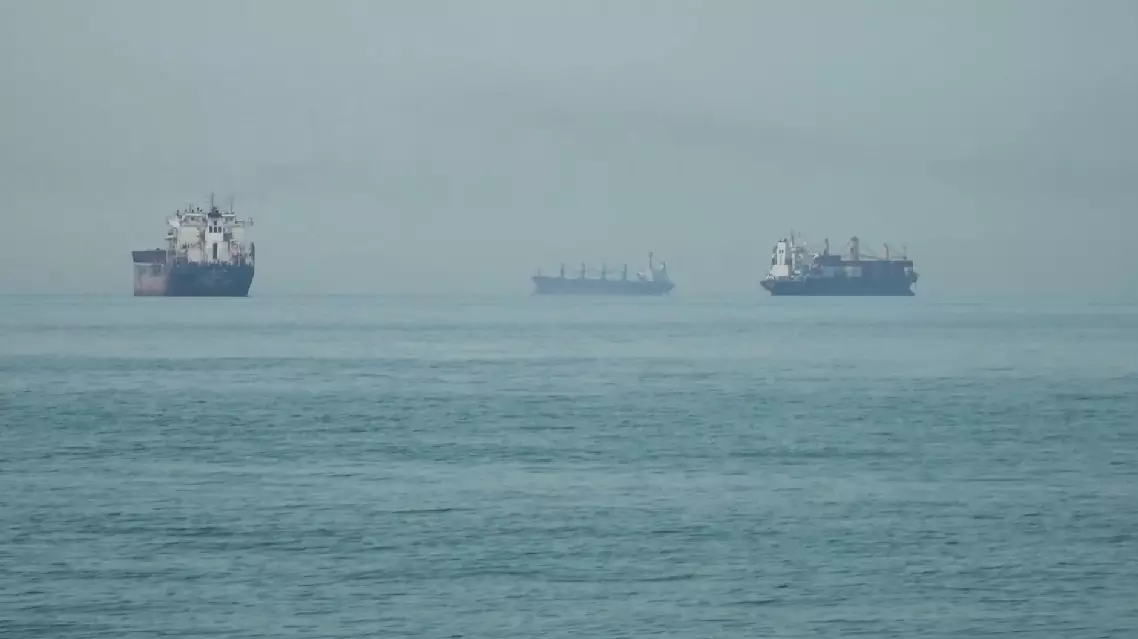
On Saturday, the Navy of Iran's Islamic Revolution Guard Corps (IRGC) announced that 25 vessels, including oil tankers as well as commercial and container ships, had passed through the Strait of Hormuz within 24 hours under coordinated clearance procedures.
The waterway has been the main point of contention between the U.S. and Iran since late February when Israel and the United States launched strikes on Iranian territory. Iran tightened its grip on the strait in response to the attacks and barred safe passage of vessels belonging to or affiliated with the two countries.
Tehran claims it has authority in the area, and the IRGC has stated several times that any passage must be done in coordination with its navy. Iran is also planning to implement a new tolling system. The United States, however, strongly disapproves of this plan, insisting that the strait is an international waterway where navigation should remain free.
Amid these competing claims and rising tensions, Iranian officials are looking toward a future in which they hope to formalize greater influence over maritime traffic passing through these waters.
"It is undeniable in everyone's mind that the Strait of Hormuz, as a strategic strait, must secure interests for both Iran and Oman. We believe that the Strait of Hormuz can function on a scale comparable to the nationalization of the oil industry. It will certainly be based on a legal regime grounded in international law, the law of the sea, and the rights of the coastal states. Therefore, both the interests of the world’s nations and our own rights will be safeguarded," said Mohammad Ashouri Taziani, governor of Hormozgan Province, which borders the strait.
The governor clarified that he is not aware of any specifics on a potential toll to pass through the strait.
"We are not receiving the money here. But, certainly, those who have planned this at the national level can make announcements based on the general policies. It has not been officially announced yet," said the governor.
Iran signals possible shift in maritime control of Strait of Hormuz