China’s upgraded BeiDou Navigation Satellite System (BDS) will provide stronger support for the Shenzhou-23 spacecraft’s fast automated rendezvous and docking, the commander-in-chief of China’s Shenzhou mission said.
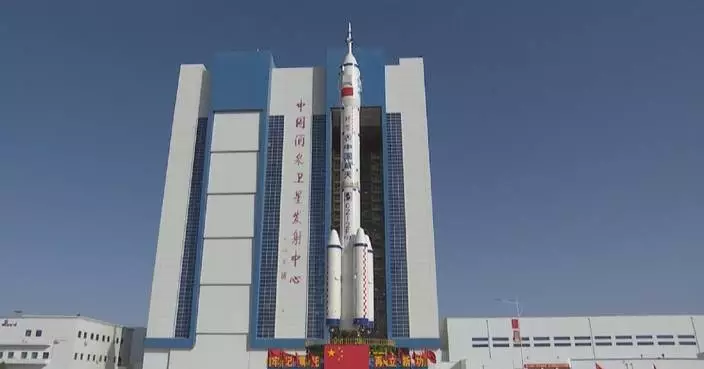
China's Shenzhou-23 crewed spaceship is scheduled to be launched at 23:08 on Sunday (Beijing Time) from the Jiuquan Satellite Launch Center in northwest China, the China Manned Space Agency (CMSA) announced on Saturday.
After entering orbit, the Shenzhou-23 crewed spaceship will adopt a fast automated rendezvous and docking mode and dock with the radial port of the Tianhe core module in about 3.5 hours, forming a three-spacecraft and three-module combination, according to the CMSA.
Since the Shenzhou-21 mission, the fast automated rendezvous and docking mode has been tested twice. Notably, this flight will use the new generation of BeiDou system to enable the fast docking.
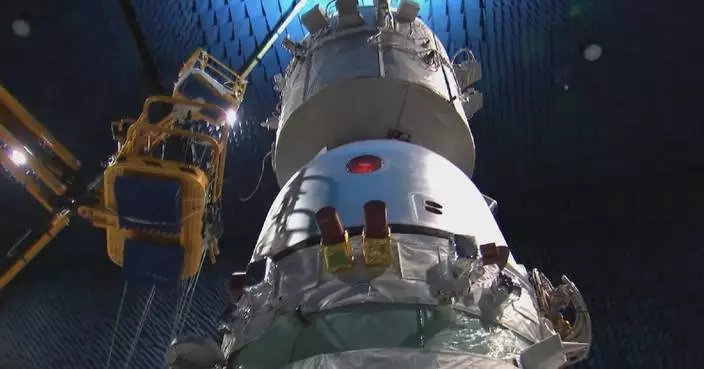
"China's BDS underwent a major upgrade after we started the project, moving from the second generation to the third one. Accordingly, our receivers and compatible machines also changed to match the new ephemeris packages," said He Yu, commander in chief of Shenzhou spacecraft of China Aerospace Science and Technology Corporation.
According to experts, the upgraded Beidou system has a wider coverage area, which will provide more reliable support for the spacecraft’s autonomous navigation and positioning.
China in 2020 commissioned the third generation of the BDS, making China the third country around the world to have an independent global navigation satellite system.

China’s upgraded Beidou system supports fast rendezvous, docking of Shenzhou spaceship
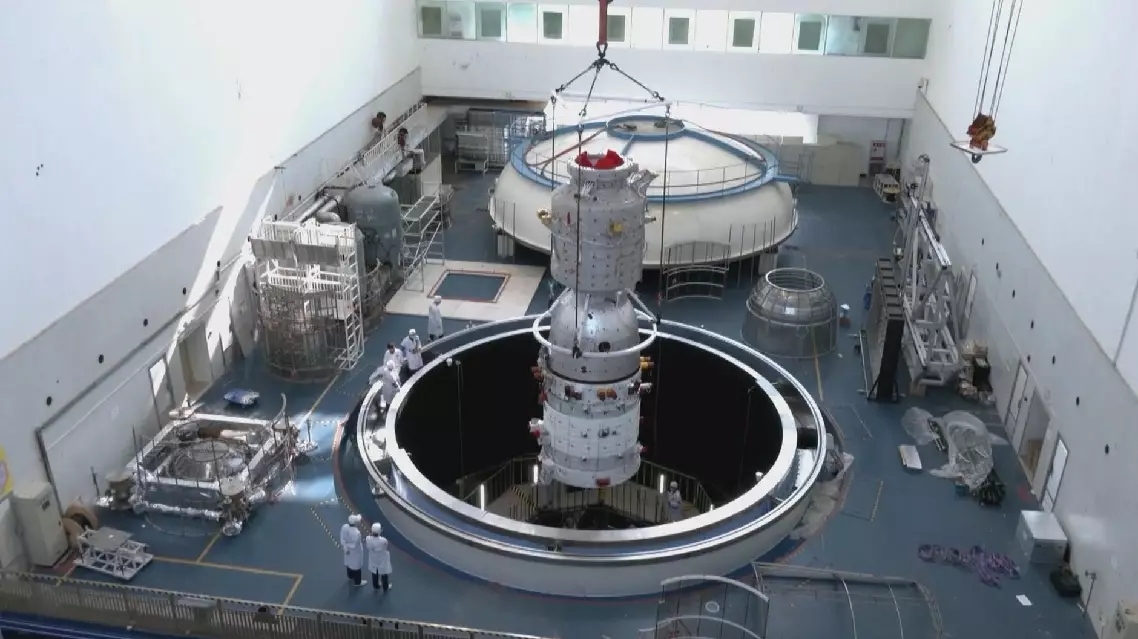
Chinese spacecraft developers have accelerated development of the spacecraft for the country's Shenzhou-23 crewed spaceflight mission by five months — moving its launch from the original schedule in October to late May — achieving greater efficiency without compromising safety or reliability.
According to He Yu, general commander of China's manned spacecraft project of China Aerospace Science and Technology Corporation, the accelerated development began shortly after the emergency launch readiness of the Shenzhou-22 last November.
"We have accelerated the development of the Shenzhou-23 spacecraft. It was originally planned for launch in late October, but has now been moved up to late May. In the six months since last November, we have gained five months of progress. This means the pace of work has been quickened by nearly one time," He said.
He further explained that a series of measures to ensure mission success have been adopted alongside the accelerated development, adding multiple layers of assurance.
"We have continued the proven measures that have ensured success in the past, which are fundamentally based on a sound product assurance system and strict process control. We have maintained high-quality assembly operations, continued to implement efficient and high-quality automated testing procedures, adopted a specialized flight control model, and maintained a full-process quality confirmation system to ensure reliability and safety of the product," He said.
The Shenzhou-23 crewed spaceship is scheduled to be launched at 23:08 Beijing time (15:08 GMT) on Sunday from the Jiuquan Satellite Launch Center in northwest China.
Chinese astronauts Zhu Yangzhu, Zhang Zhiyuan and Lai Ka-ying will carry out the Shenzhou-23 crewed spaceflight mission, and Zhu will be the commander, the China Manned Space Agency announced at a press conference on Saturday.
Chinese engineers move Shenzhou-23 manned spacecraft mission forward by 5 months while ensuring safety