From major Western economies to other countries across Asia and Latin America, an increasing number of foreign leaders have chosen China as a key destination for diplomacy and economic cooperation, reflecting confidence in China's stable growth and opening up.
Since the beginning of this year, leaders from many other countries have visited China in quick succession, continuously setting new records for the intensity of China's diplomatic activities.
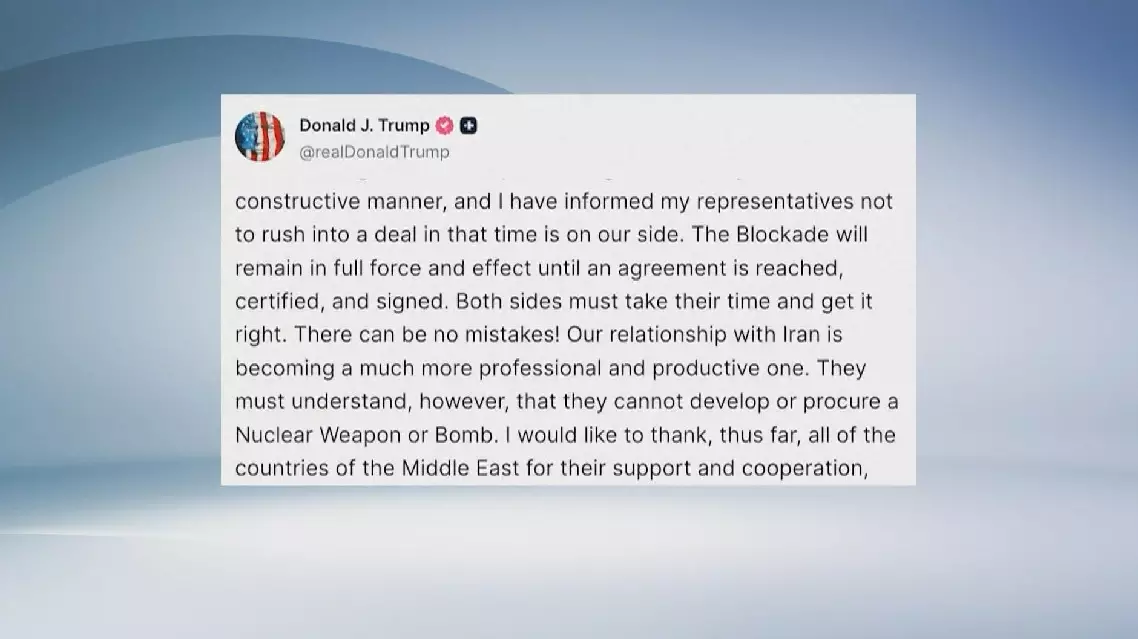
In May alone, foreign heads of state visiting China have included Tajikistan's President Emomali Rahmon, U.S. President Donald Trump and Russian President Vladimir Putin.
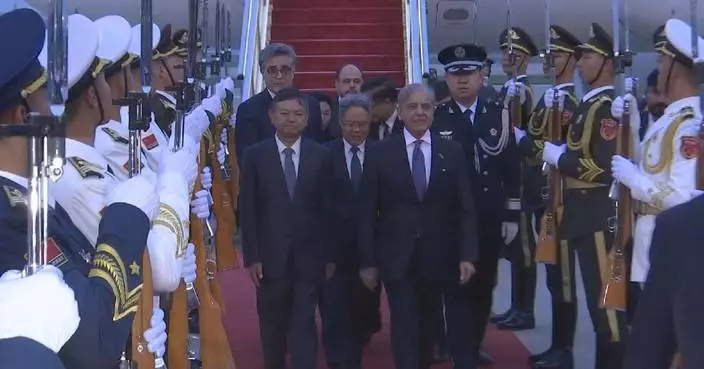
In addition, Pakistani Prime Minister Shehbaz Sharif began his visit to China on Saturday, while Serbian President Aleksandar Vucic already arrived Beijing on Sunday for a five-day state visit.
Over a broader timeframe, from the end of last year to the early summer of this year, leaders from major Western countries such as France, Canada, the United Kingdom and Germany, as well as other countries including the Republic of Korea, Vietnam and Uruguay, have all visited China, with many of them leading large business delegations.
Despite differences in national conditions, countries do share highly consistent goals of seeking stability, pursuing cooperation and promoting development.
Choosing China as a reliable and stable partner is becoming a priority option for many other countries.
"This year marks the first year of China's 15th Five-Year Plan period, which has been a very solid start. Despite the enormous size of the Chinese economy, China still achieved a year-on-year GDP growth of 5 percent in the first quarter, continuing to serve as an important engine of the global economy. Therefore, China's stable development prospects are an important reason why many countries are turning eastward and coming to China," said Liao Fan, director of the Chinese Academy of Social Sciences' (CASS) Institute of World Economics and Politics.
"The global economy is still in a crucial stage of recovery and growth. As the world's second-largest economy and the largest trading nation in goods, China boasts enormous market and complete industrial and supply chains that hold tremendous appeal for other countries around the world," he said.
The wave of visits to China has not only facilitated the signing of cooperation agreements and the reaching of investment intentions, but has also fostered in-depth interactions that break stereotypes and help people better understand the real China.
Through on-the-ground visits, many foreign leaders are gaining firsthand insights into the country.
"We know that some other countries, especially Western countries, previously had certain misunderstandings about the reasons behind China's economic success. But with China's development remaining so stable and comprehensive, they now need to reassess and better understand the secrets behind China's growth. In recent years, China's technological development has achieved remarkable results not only in research, but also in market application and commercialization. For example, China is at the forefront globally in fields such as AI and the digital economy," said Cui Hongjian, director of the Country and Area Studies Academy at the Beijing Foreign Studies University.
"I think many other countries now need to engage in dialogue, communication and exchanges with China in order to seek opportunities for cooperation. Amid challenges such as regional conflicts and development issues, the international community particularly needs countries with responsibility, commitment and capability to play a greater role. Against such a backdrop, other countries have seen that China is setting an example by continuously providing the world with stability and certainty through its own development, openness and inclusiveness," he said.

Waves of foreign leaders' visits highlight China's growing global appeal: analysts