KAWASAKI, Japan--(BUSINESS WIRE)--May 25, 2026--
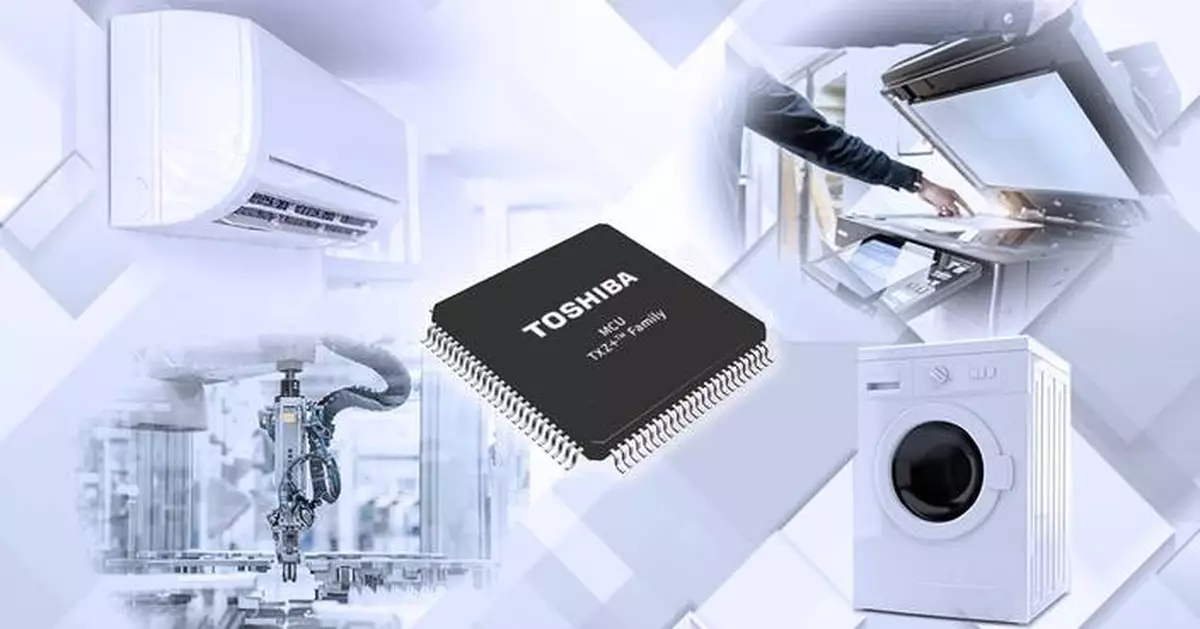
Toshiba Electronic Devices & Storage Corporation (“Toshiba”) has announced TXZ+™ Family Entry‑Class M4H Group, standard microcontrollers [1] featuring an Arm ® Cortex ® ‑M4 core with a floating-point unit (FPU). The new microcontrollers are designed for application in small‑scale system control of consumer products, such as air conditioners and washing machines, and in industrial equipment, including multifunction printers and factory automation systems. Toshiba is now providing engineering samples of the new products.
This press release features multimedia. View the full release here: https://www.businesswire.com/news/home/20260525857546/en/
As modern consumer products and industrial equipment become increasingly sophisticated and diversified, microcontrollers used in system control must deliver enhanced real‑time capabilities and stability, support ease of design, deliver the versatility necessary for long‑term operation, and be flexible enough to support development of derivative products. Toshiba has addressed these challenges by developing TXZ+™ Family Entry‑Class M4H Group for system control applications, with an emphasis on versatility.
The new microcontrollers are designed as entry level products that deliver a set of essential functions. They employ an Arm ® Cortex ® ‑M4 core with an FPU, and have a maximum operating frequency of 120MHz—the computing performance and responsiveness required for consumer products and industrial equipment, and they can also handle the core applications of system control, including control logic, interface processing, and timing control.
M4H products support a supply voltage range of 2.7V to 5.5V and, by integrating a high‑speed oscillator with ±1% accuracy, help to reduce external components and improve design flexibility. This suits them for use in consumer products and industrial equipment with 5V power supplies.
The microcontrollers also integrate essential peripheral functions for system control, including a 12‑bit analog‑to‑digital converter (ADC), timers, universal asynchronous receiver/transmitter (UART), serial peripheral interface (SPI), inter‑integrated circuit (I²C [2] ), and direct memory access (DMA [3] ). An additional feature is an advanced programmable motor driver (A‑PMD) that supports brushless DC motor control, ensuring flexible use in line with application requirements and system configurations.
Toshiba supports device evaluation and review with provision of engineering samples and a development environment. The company also supports smooth progress from initial evaluation to application development, by providing starter kits, sample software, CMSIS [4] -compliant drivers, and user environments for major IDEs [5].
Toshiba will continue to expand these enablement resources, including documentation, and will further strengthen its lineup of microcontroller products to meet diverse needs.
Applications
Features
Main Specifications
Follow the links below for more on the new products.
TMPM4H4FYUG
TMPM4H2FYDUG
TMPM4H1FYUG
Follow the link below for more on Toshiba’s microcontrollers.
Microcontrollers
* Arm and Cortex are registered trademarks of Arm Limited (or its subsidiaries) in the US and/or elsewhere.
* TXZ+™ is a trademark of Toshiba Electronic Devices & Storage Corporation.
* Other company names, product names, and service names may be trademarks of their respective companies.
* Information in this document, including product prices and specifications, content of services and contact information, is current on the date of the announcement but is subject to change without prior notice.
About Toshiba Electronic Devices & Storage Corporation
Toshiba Electronic Devices & Storage Corporation, a leading supplier of advanced semiconductor and storage solutions, draws on over half a century of experience and innovation to offer customers and business partners outstanding discrete semiconductors, system LSIs and HDD products.
Its 17,400 employees around the world share a determination to maximize product value, and to promote close collaboration with customers in the co-creation of value and new markets. The company looks forward to building and to contributing to a better future for people everywhere.
Find out more at https://toshiba.semicon-storage.com/ap-en/top.html
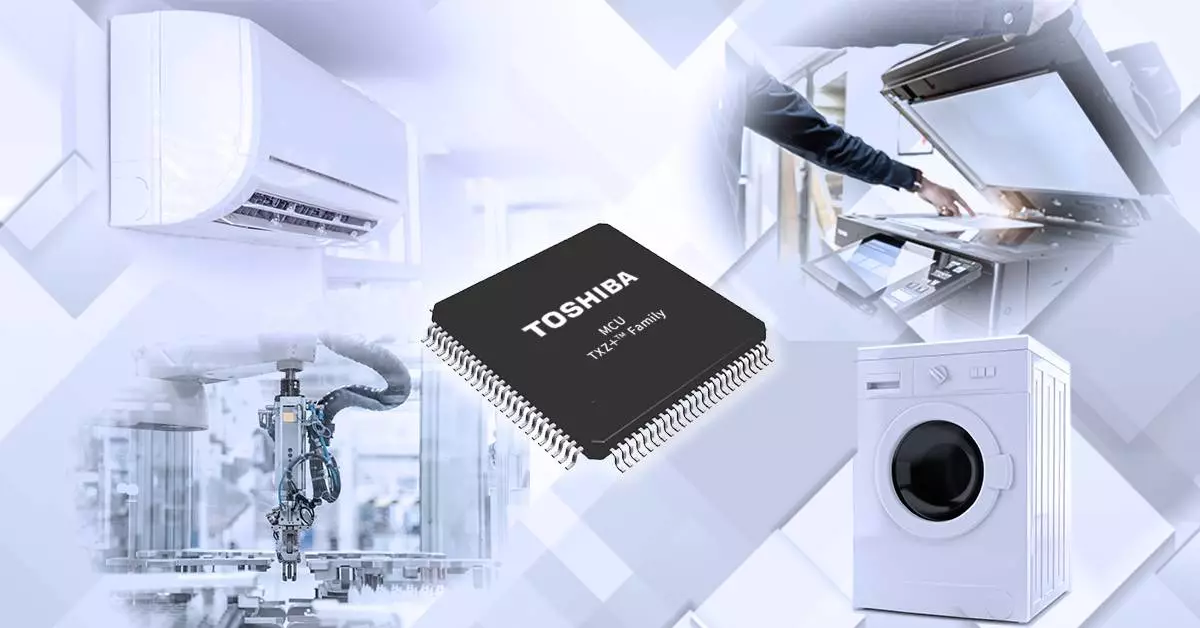
Toshiba: TXZ+™ Family Entry‑Class M4H Group, standard microcontrollers featuring an Arm® Cortex®‑M4 core with a floating-point unit (FPU).
KAMPALA, Uganda (AP) — Ugandan authorities on Wednesday ordered the closure of the border with Congo “with immediate effect” as suspected cases surge near 1,000 in its neighbor of a rare type of Ebola and as others emerge at home.
The measure, which goes against World Health Organization guidance, underscored growing fears of contagion in this East African country that, like Congo, has experience responding to Ebola outbreaks but is faced with a type this time, Bundibugyo, with no approved medicines or vaccines.
A local Ebola task force made the decision to close the border after a rise in Ugandan health workers exposed to the virus by Congolese patients who crossed before the outbreak was declared on May 15.
Travel across the Congo border will be authorized only in emergency cases, including for the outbreak response, cargo or security reasons, Dr. Diana Atwine, permanent secretary of the Ministry of Health, told journalists. Any people entering from Congo under emergency circumstances will be taken into mandatory self-isolation for 21 days.
Tracing and isolating Ebola contacts is seen as key to stopping the spread of the disease, which usually manifests as hemorrhagic fever. The virus is spread through close contact with sick or deceased patients’ bodily fluids. Experts say healthcare workers and family members caring for patients face the highest risk.
The number of suspected cases in eastern Congo is nearing 1,000, with at least 220 suspected deaths. Congo’s health ministry on Tuesday said 101 cases have been confirmed, and they are looking into over 3,000 possible contacts.
The WHO, while declaring this outbreak a public health emergency of international concern, discouraged border closures while acknowledging that neighboring countries are at high risk of contagion.
Closures "push the movement of people and goods to informal border crossings that are not monitored, thus increasing the chances of the spread of disease," the U.N. agency said. Infected people or those have been in contact should not undertake international travel unless it’s a medical evacuation.
The border between Uganda and Congo is several hundred miles long and crossed by numerous footpaths beyond formal border posts. Many people come and go in the course of a day to visit families or to trade.
Health authorities in Congo are struggling to contain the outbreak that the WHO has said is outpacing them, after the rare type of Ebola was confirmed weeks late as tests were carried out for a more common type.
Challenges include the threat from armed groups in eastern Congo, a large number of displaced people and poor infrastructure.
WHO Director-General Tedros Adhanom Ghebreyesus on Wednesday called for a ceasefire in the region to allow safe access for responders and others, saying on social media that “attacks on health facilities make tracking cases and their contacts nearly impossible.”
Responders in Congo have said they are underprepared and underprotected for this outbreak, while conflict-traumatized residents long wary of outsiders have attacked a number of clinics and hurled stones and abuse at volunteers trying to make people aware of the virus and its risks.
Uganda has reported seven cases of Ebola, including the first case of a 59-year-old man who died in Kampala, the capital, on May 14. While the Ebola case load is not spiking, the number of locals exposed to infection via health workers has been rising.
“They have families, and so the number has been increasing,” Atwine, the health official, said of health workers.
She also said she was dismayed to see some Ugandans forming crowds to celebrate Arsenal as British Premier League champions. The team has a large following in Uganda.
“I don't understand,” Atwine said, urging people to be vigilant, avoid shaking hands and use sanitizer.
Congo has had 17 Ebola outbreaks. Health experts say aid cuts last year by the United States and other rich nations are devastating for eastern Congo because of the region’s unique problems.
Aid groups fighting this outbreak say they don’t have the equipment they need such as face shields and suits to protect health workers from infection, testing kits and body bags needed to safely bury victims.
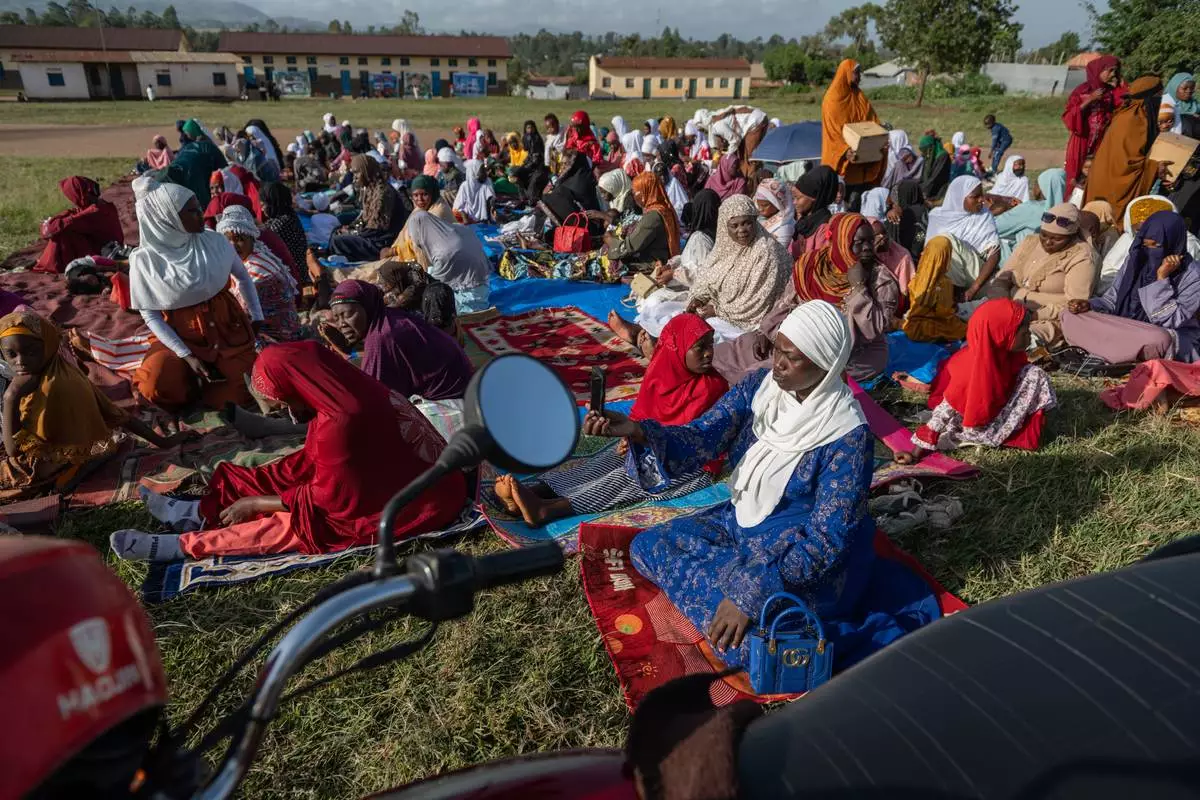
Muslims gather to pray at Sayo Muhamed School during the Eid al-Adha celebration amid an Ebola outbreak in Bunia, Congo, Wednesday, May 27, 2026. (AP Photo/Moses Sawasawa)
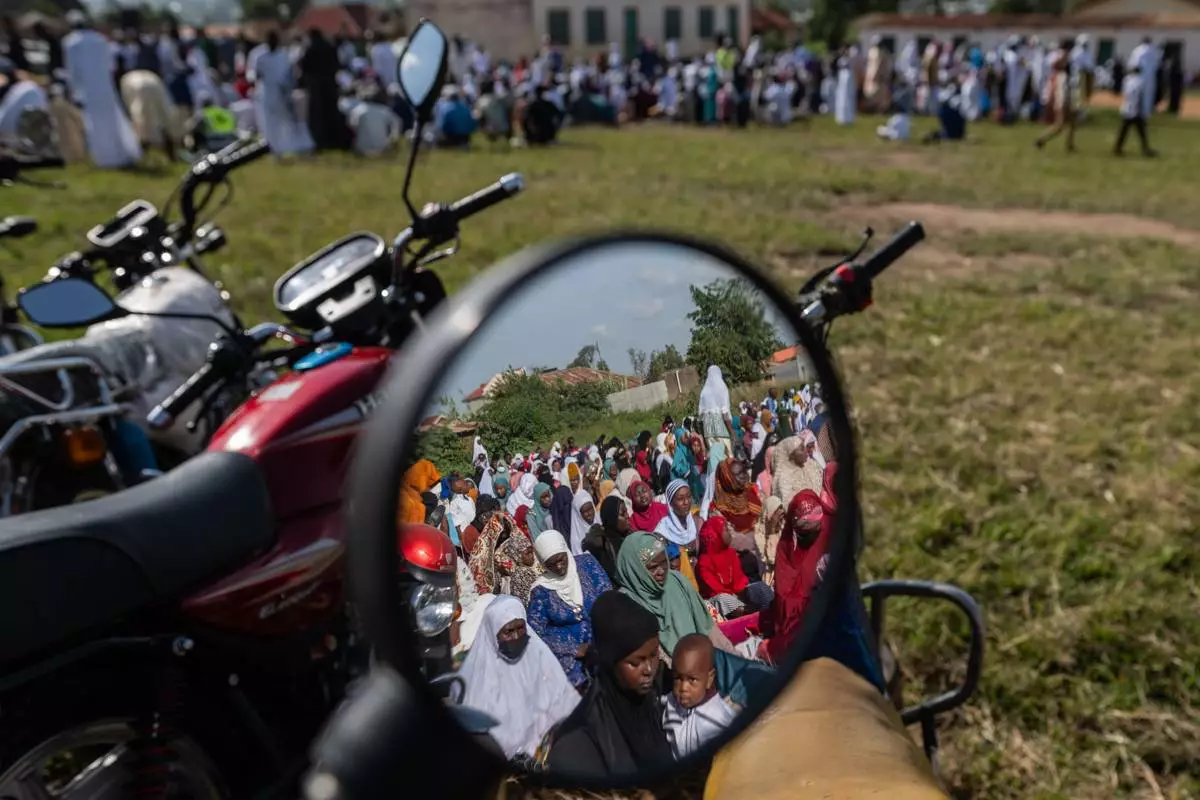
Muslims are reflected in a motorcycle mirror as they gather to pray at Sayo Muhamed School during the Eid al-Adha celebration amid an Ebola outbreak in Bunia, Congo, Wednesday, May 27, 2026. (AP Photo/Moses Sawasawa)
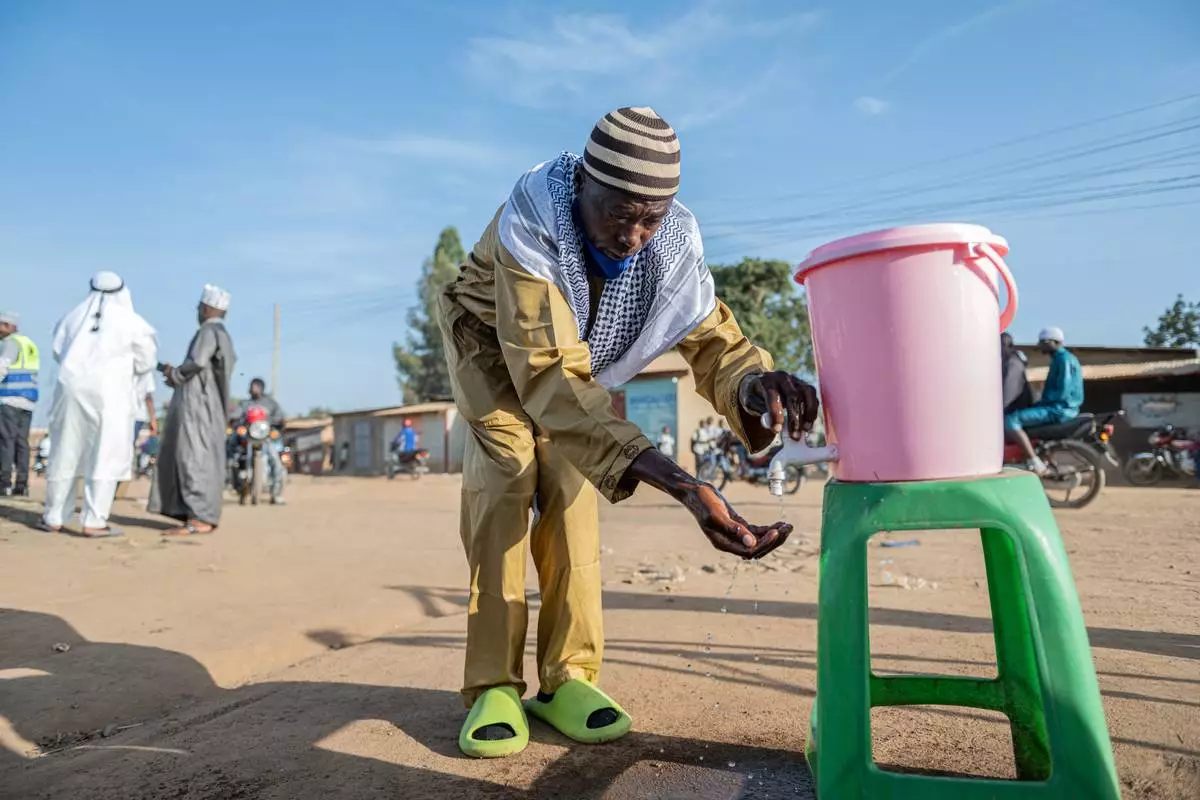
A Muslim washes his hands as a precaution against Ebola before attending the Eid al-Adha prayers at Sayo Muhamed School in Bunia, Congo, Wednesday, May 27, 2026. (AP Photo/Moses Sawasawa)
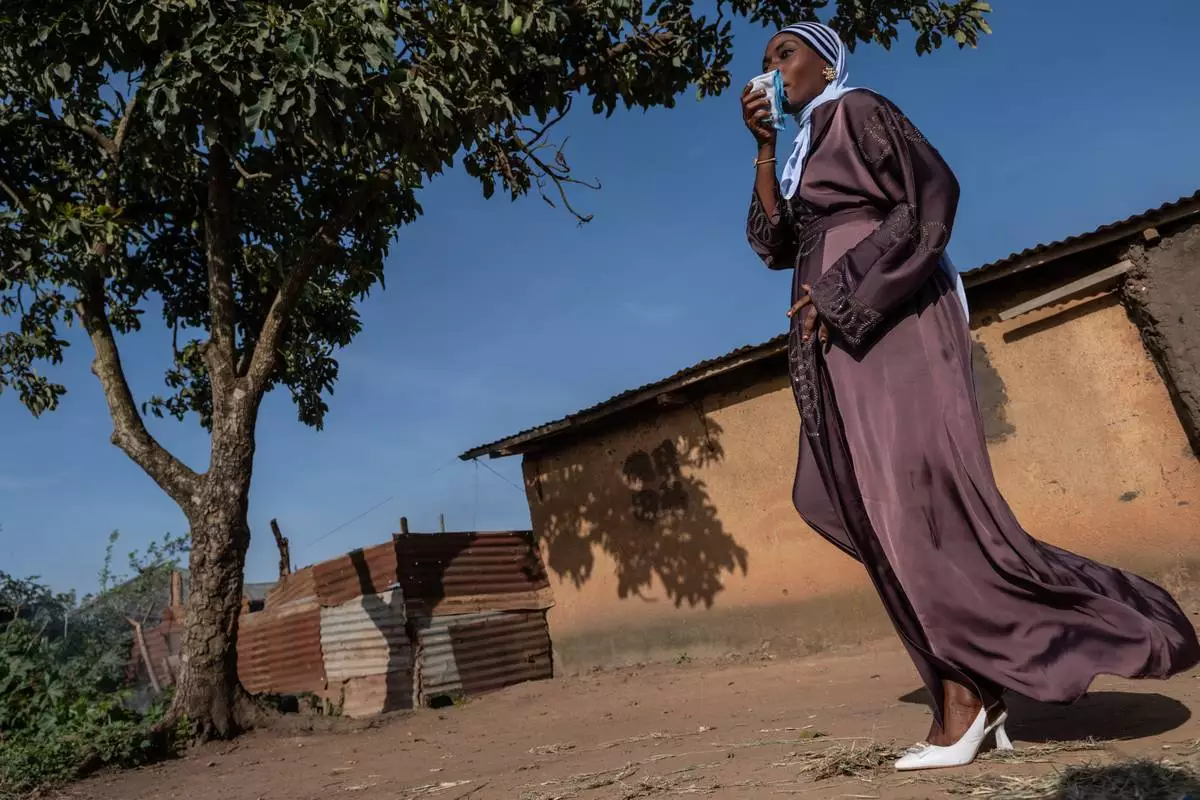
A Muslim woman walks towards the prayer grounds at Sayo Muhamed School to perform Eid al-Adha prayers amid an Ebola outbreak in Bunia, Congo, Wednesday, May 27, 2026. (AP Photo/Moses Sawasawa)