A group of Filipinos staged a rally outside the Japanese Embassy in Manila on Tuesday, voicing opposition to growing military cooperation in the field of defense and security between the Philippines and Japan.
Holding placards such as "No To WAR" and photos of deceased Filipino comfort women who were victims of sexual slavery during World War II, the protesters called for greater caution against what they described as Japan's re-militarization.
The demonstration coincided with Philippine President Ferdinand Romualdez Marcos' departure for Japan, where he is scheduled to meet with Japanese Prime Minister Sanae Takaichi on Thursday and sign several agreements on defense and energy, while also looking to further upgrade bilateral relations.
In recent months, Japan has taken multiple steps toward military expansion. During the U.S.-Philippine joint military exercises in early May, Japanese Self-Defense Forces launched land-based anti-ship missiles, the first time that Japan has fired offensive-type missiles from Philippine territory since the World War II.
The Japanese government has significantly revised the three principles on transfer of defense equipment and technology, actively promoted defense cooperation with the Philippines and other countries in the region while marketing military hardware to them.
Analysts suggest that these moves are effectively a trial balloon for building a regional arms export framework, while also serving as a vehicle for Japan to expand its military presence overseas.
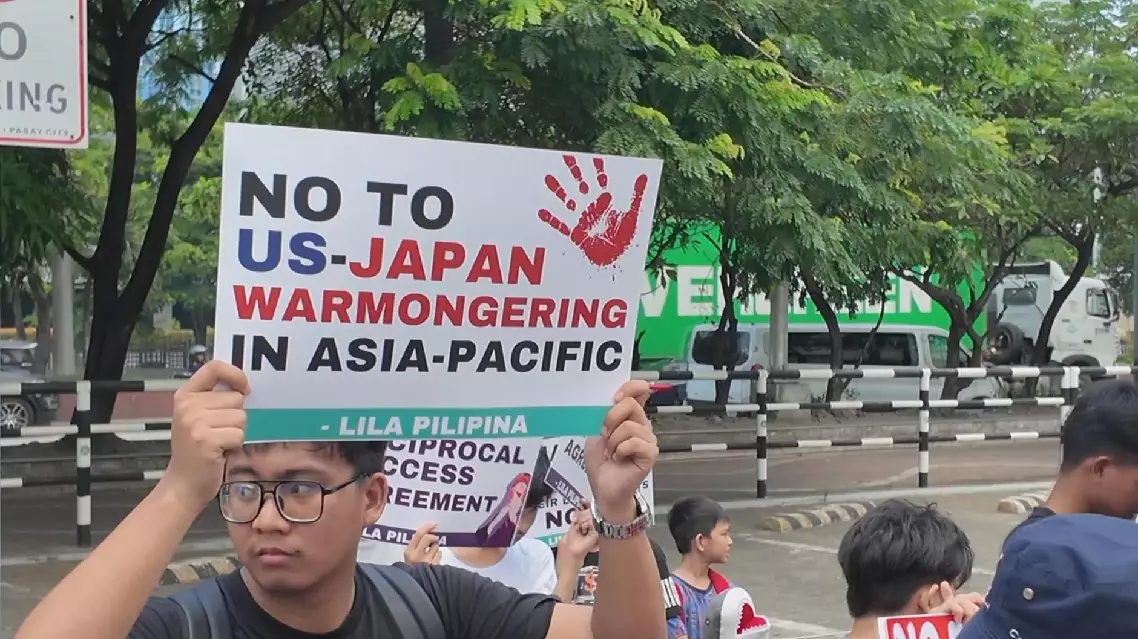
Filipinos protest against defense cooperation with Japan
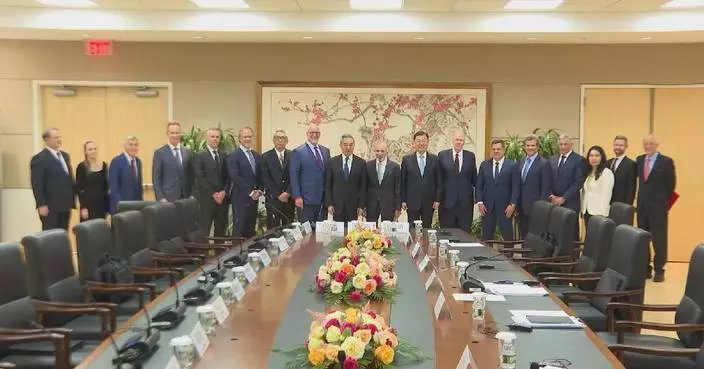
China's top political advisor Wang Huning called for strengthening party-to-party exchanges and enhancing political mutual trust with Britain on Thursday in Beijing. Wang, a member of the Standing Committee of the Political Bureau of the Communist Party of China Central Committee and chairman of the National Committee of the Chinese People's Political Consultative Conference (CPPCC), made the remarks when meeting with the UK cross-party parliamentary delegation visiting China for the 14th China-UK Senior Leadership Forum.
Noting that President Xi Jinping and British Prime Minister Keir Starmer agreed to develop a long-term and consistent comprehensive strategic partnership during the prime minister's China visit in January, Wang said China is willing to work with Britain to implement the important consensus reached by the two leaders, strengthen party-to-party exchanges, enhance political mutual trust, and promote more results in mutually beneficial cooperation.
He said the CPPCC National Committee stands ready to make positive contributions to this end.
British delegates, including former British minister for the Cabinet Office and honorary president of the Great Britain-China Centre David Lidington, said they witnessed China's greater development achievements during the visit, and that a prosperous and stable China serves the interests of all parties.
The British side values cooperation opportunities with China, appreciates China's contributions to global governance, and is willing to strengthen mutually beneficial cooperation and multilateral coordination with China to promote common development and world peace and stability, said the delegates.
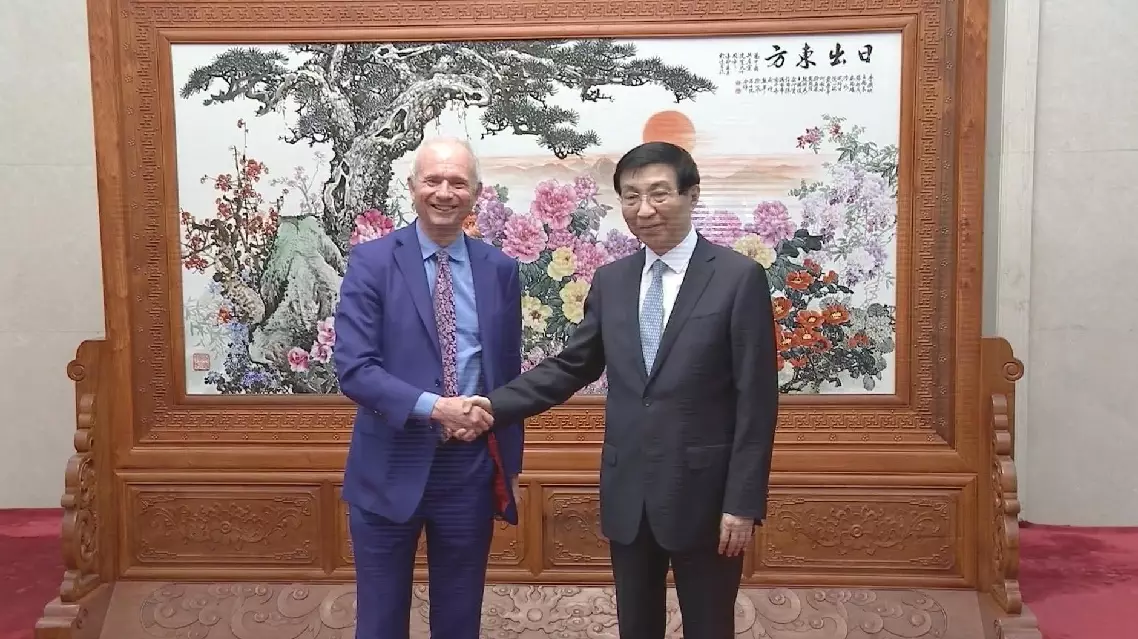
China's top political advisor calls for enhancing mutual trust with Britain