Skip to Content Facebook Feature Image

DR Congo province faces Ebola crisis amid persist unrest

China

China

China

DR Congo province faces Ebola crisis amid persist unrest

2026-05-26 20:41 Last Updated At:22:37

Ituri Province, the epicenter of the Ebola outbreak in the Democratic Republic of the Congo (DRC), is facing a double threat -- a public health emergency and a chronic security crisis.

The World Health Organization (WHO) revealed on Monday that a rapidly spreading Ebola outbreak in the DRC has caused 220 suspected deaths, as health officials struggle to catch up with the epidemic.

While 101 confirmed cases and 10 confirmed deaths have been reported, WHO Director-General Tedros Adhanom Ghebreyesus stated that the true scale is likely much larger. He noted there are now over 900 suspected cases and 220 suspected deaths, according to his remarks at the Virtual Ministerial Briefing on the Bundibugyo Ebola Outbreak on Monday.

Ituri, which borders Rwanda, has been mired by the DRC's conflict with the neighboring country and the March 23 Movement (M23) rebel group for several years. Tedros said in a post on X that nearly 5 million people in the province live amid ongoing conflict, with one in four in need of humanitarian assistance and one in five internally displaced.

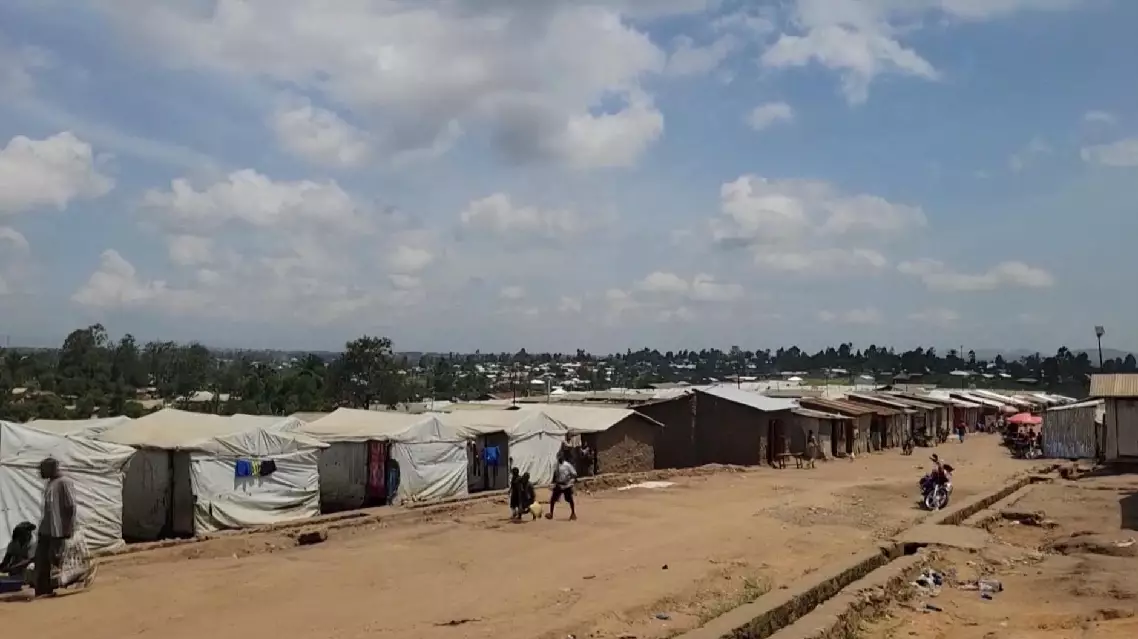
For the thousands of displaced families, access to basic healthcare has become a luxury, while overcrowding in the camps is exacerbating the spread of the Ebola virus.

"With Ebola and the insecurity, our situation is really difficult; we're spending a lot of money. Our expenses have multiplied. Our situation has become difficult. We no longer have enough to eat, and our children have become street children. They have nowhere to live. Where we live, things are so complicated. Our houses are in a terrible state. Our situation is very difficult," said Decana Isaac, an internally displaced person and motorbike taxi driver.

At the Kigonze site north of Ituri's capital, Bunia, displaced people decry the lack of preventive measures. There are no handwashing kits and no apparent efforts to raise awareness on preventing the spread of Ebola.

"We are asking for handwashing kits. And above all, the most important thing here, what we are asking for, is toilet maintenance. The toilets are already overflowing. There are rats running around in the toilets and getting into the pots. First and foremost, we are asking for help to empty our toilets. We are emptying them with our hands. This is essential to prevent this disease," said Richard Uchinga, another internally displaced person.

Others simply wish to return home amid worsening conditions, but enforcing social distancing remains nearly impossible in the overcrowded camps.

Outside the camp, Bunia is among the hardest-hit areas. Although screening measures are in place at the airport and some public spaces, healthcare workers face significant challenges in their efforts to protect public health.

"We have isolated cases of resistance. Nevertheless, most travelers understand and let us take their temperatures. We are asking the Congolese government to provide us with protective equipment. At the moment, we have nothing. We're making do with what we have. Sometimes we use a face mask for as long as two days," said Sylvie Alicama, a health worker at Bunia Airport.

In the meantime, they do their best to rein in the crisis before it spirals out of control.

The Ebola outbreak in the DRC, declared as a public health emergency of international concern on May 17, has also spread to Uganda, which has five confirmed cases and one death.

The Ebola strain involved is the Bundibugyo virus, for which no approved vaccines or therapeutics exist. Previous outbreaks of this strain occurred only twice - in Uganda in 2007 and the DRC in 2012. The WHO has recommended prioritizing two monoclonal antibodies for clinical trials.
DR Congo province faces Ebola crisis amid persist unrest

DR Congo province faces Ebola crisis amid persist unrest
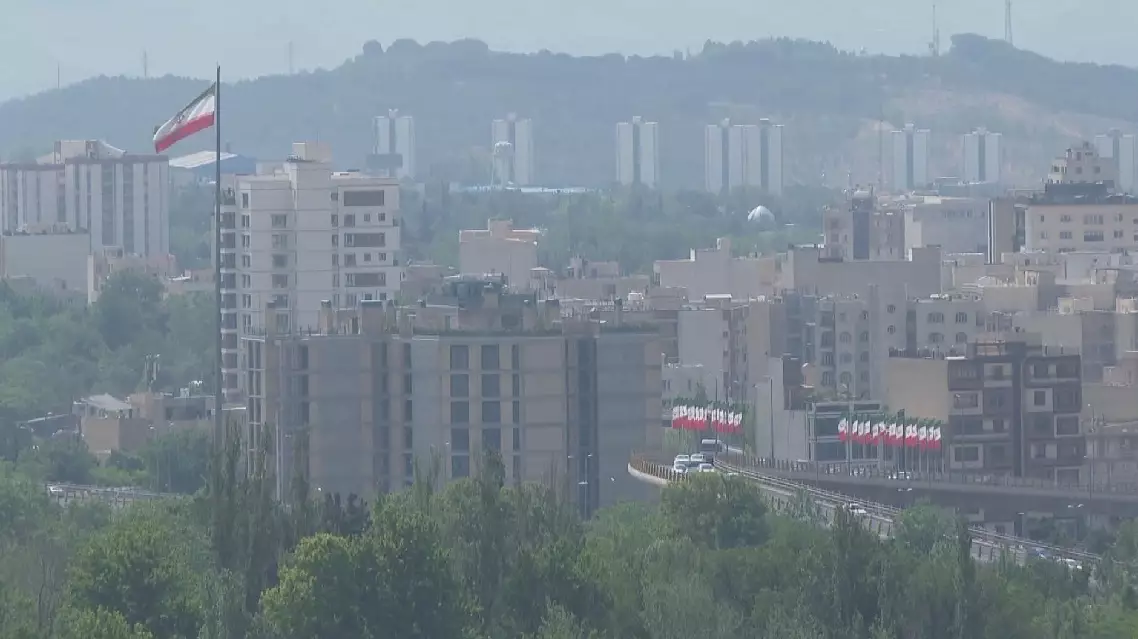
Iran has demanded the release of its frozen assets worth 24 billion U.S. dollars during the negotiations with the United States on ending the war, Iran's semi-official Tasnim news agency reported on Tuesday.

Citing an informed source close to Iran's negotiating team, Tasnim said that according to the text of a potential 14-point memorandum of understanding (MoU) being finalized between Tehran and Washington, Iran's frozen assets must be released during peace talks.

Iran insists that half of the amount must be made available upon the announcement of the MoU and the rest transferred within 60 days, the source added.

According to the source, the Monday visit by Iran's Parliament Speaker Mohammad Baqer Qalibaf to Qatar was aimed at reaching an understanding on the implementation of Iran's demand and ways to provide the country with access to 12 billion U.S. dollars worth of its frozen assets in the first step and remove obstacles to that end.

The source described the outcomes of the visit as "favorable," adding that talks during the trip were generally "good and led to progress in the overall negotiations."

However, the source warned that, given the United States' record of breaking promises, Iran is proceeding with great caution. Noting the country's previous experience with the United States regarding the release of frozen assets in South Korea and Qatar, the source said Tehran insists on carefully managing the implementation stages to avoid a repeat of similar issues.

Meanwhile, Iran's semi-official Fars news agency quoted another source close to the Iranian negotiating team as saying that Iran has refused to hold any negotiation unless its preconditions are met, including the release of frozen assets.

Fars reported that the last serious disagreement between Iran and the United States over the initiation of negotiations has been the method of Tehran's access to its blocked assets, which is being resolved with Qatar's mediation and initiative.

It said that following consultations between Iranian and Qatari officials in Doha, progress has been made toward resolving the issue.

On Monday, a high-level Iranian delegation, including Qalibaf, Foreign Minister Seyed Abbas Araghchi, and Central Bank Governor Abdolnaser Hemmati, visited Doha for talks with Qatari officials on a possible peace agreement with the United States, according to Iran's semi-official Mehr News Agency.

On Saturday, Iranian Foreign Ministry spokesman Esmaeil Baghaei told state-run IRIB TV that Iran and the United States are working to finalize an MoU on ending the war.

"Our intention has been to firstly agree on an MoU consisting of 14 clauses," Baghaei said, noting that "within a period of 30 to 60 days," Tehran and Washington would "reach a final agreement," covering issues such as the cessation of U.S. maritime attacks and the release of Iranian frozen assets.

Iran, the United States, and Israel reached a ceasefire on April 8 after 40 days of fighting. Following the truce, Iranian and U.S. delegations held one round of peace talks in Islamabad on April 11 and 12, which failed to yield an agreement.

Over the past weeks, the two sides have reportedly exchanged several proposed plans outlining conditions for ending the conflict through Pakistani mediation.

Iran demands release of frozen assets during peace taks with US: media

Iran demands release of frozen assets during peace taks with US: media

Recommended Articles