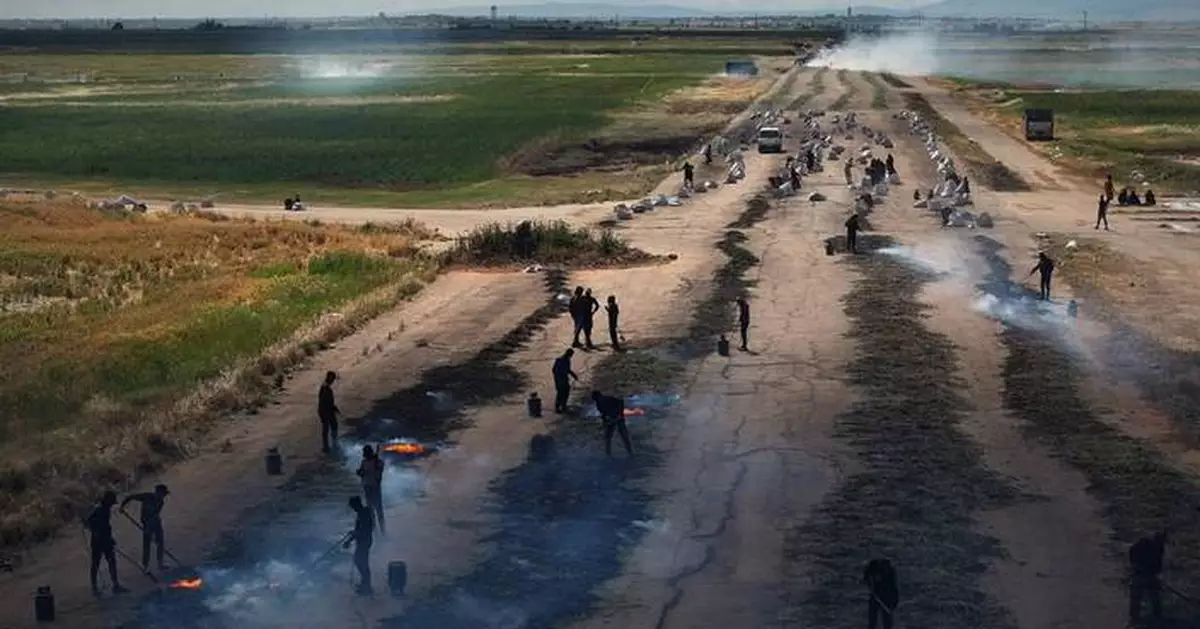
TAFTANAZ, Syria (AP) — Freekeh, a roasted green wheat grain widely used in Levantine cuisine, is still produced each spring in northwestern Syria using traditional methods passed down through generations.
Made from immature wheat harvested early in the season, the grain is roasted over open flames to burn away the husks while preserving the kernels inside and giving freekeh its distinctive smoky flavor.
Click to Gallery
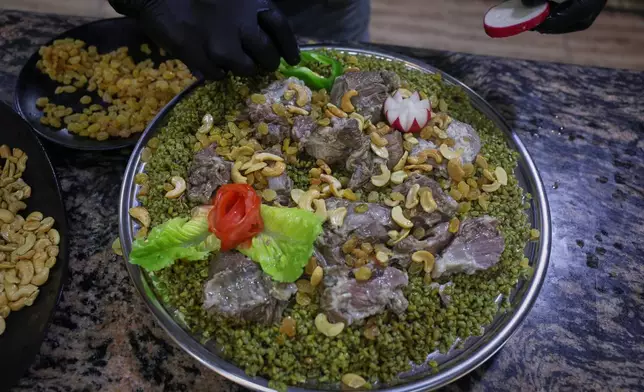
A cook prepares a dish made with freekeh, a roasted green wheat grain widely used in Levantine cuisine and made by harvesting immature wheat and roasting it over open flames to separate and preserve the grains, at a restaurant in Idlib, Syria, Sunday, May 24, 2026. (AP Photo/Ghaith Alsayed)
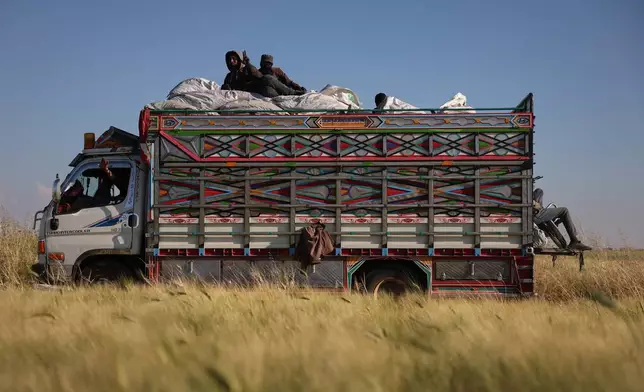
Syrian laborers ride atop sacks of harvested green wheat used to produce freekeh, a roasted grain widely used in Levantine cuisine and made by harvesting immature wheat and roasting it over open flames to separate and preserve the grains, in a field on the outskirts of Taftanaz, northwestern Syria, Sunday, May 24, 2026. (AP Photo/Ghaith Alsayed)
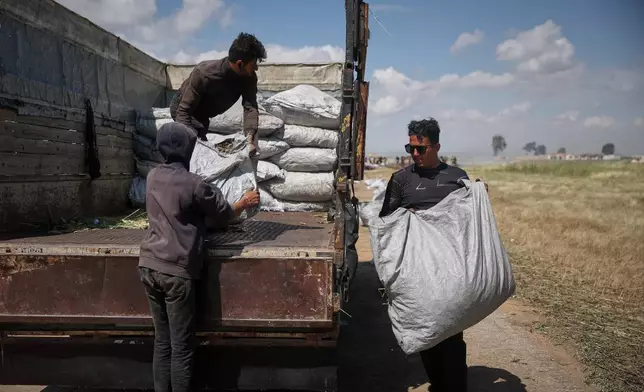
Syrian workers load sacks of freekeh, a roasted green wheat grain widely used in Levantine cuisine, after burning and roasting immature wheat over open flames to separate and preserve the grains, on the outskirts of Taftanaz, northwestern Syria, Sunday, May 24, 2026. (AP Photo/Ghaith Alsayed)
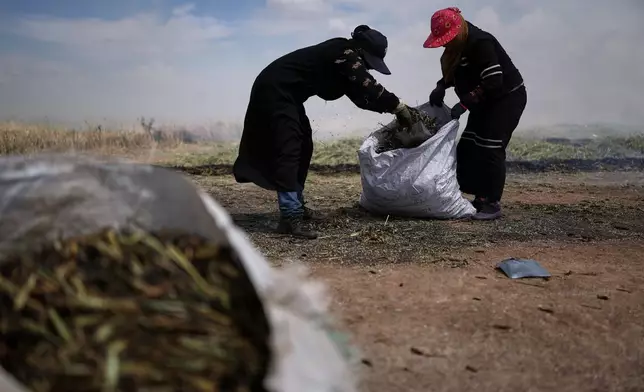
Syrian workers load sacks of freekeh, a roasted green wheat grain widely used in Levantine cuisine, after burning and roasting immature wheat over open flames to separate and preserve the grains, on the outskirts of Taftanaz, northwestern Syria, Sunday, May 24, 2026. (AP Photo/Ghaith Alsayed)
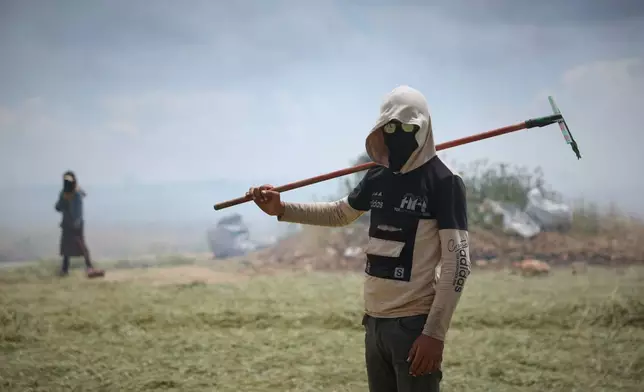
A laborer pauses with his rake as Syrian workers burn green wheat to produce freekeh, a roasted green wheat grain widely used in Levantine cuisine and made by harvesting immature wheat and roasting it over open flames to separate and preserve the grains, on the outskirts of Taftanaz, northwestern Syria, Sunday, May 24, 2026. (AP Photo/Ghaith Alsayed)
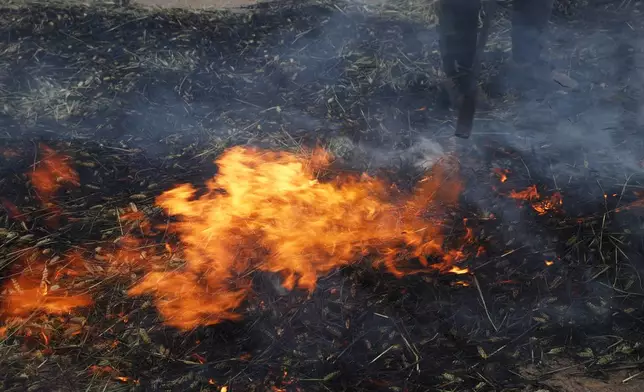
Syrian workers burn green wheat to produce freekeh, a roasted green wheat grain widely used in Levantine cuisine, by harvesting immature wheat and roasting it over open flames to separate and preserve the grains, on the outskirts of Taftanaz, northwestern Syria, Sunday, May 24, 2026. (AP Photo/Ghaith Alsayed)
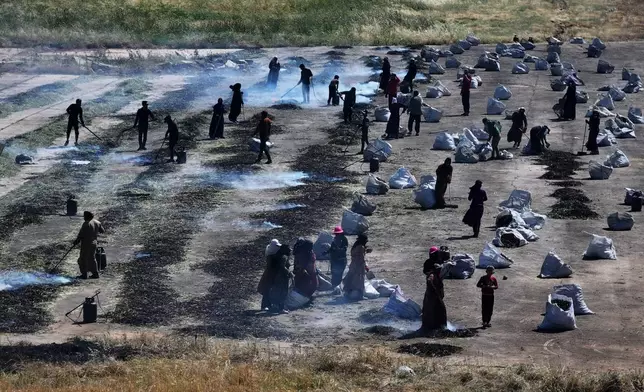
Syrian workers burn green wheat to produce freekeh, a roasted green wheat grain widely used in Levantine cuisine, by harvesting immature wheat and roasting it over open flames to separate and preserve the grains, on the outskirts of Taftanaz, northwestern Syria, Sunday, May 24, 2026. (AP Photo/Ghaith Alsayed)
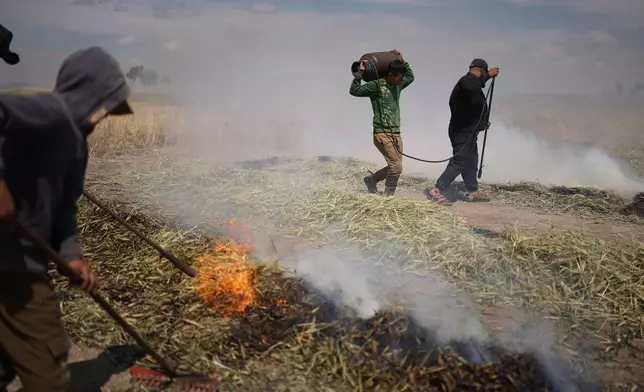
Syrian workers burn green wheat to produce freekeh, a roasted green wheat grain widely used in Levantine cuisine, by harvesting immature wheat and roasting it over open flames to separate and preserve the grains, on the outskirts of Taftanaz, northwestern Syria, Sunday, May 24, 2026. (AP Photo/Ghaith Alsayed)
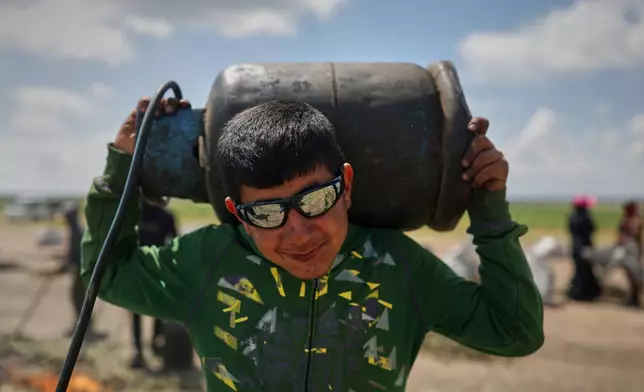
A worker carries a gas cylinder used to fuel burners that roast green wheat to produce freekeh, a roasted green wheat grain widely used in Levantine cuisine and made by harvesting immature wheat and roasting it over open flames to separate and preserve the grains, on the outskirts of Taftanaz, northwestern Syria, Sunday, May 24, 2026. (AP Photo/Ghaith Alsayed)
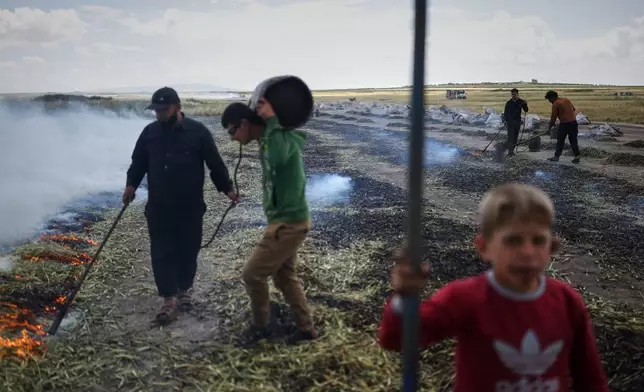
Syrian workers burn green wheat to produce freekeh, a roasted green wheat grain widely used in Levantine cuisine, by harvesting immature wheat and roasting it over open flames to separate and preserve the grains, on the outskirts of Taftanaz, northwestern Syria, Sunday, May 24, 2026. (AP Photo/Ghaith Alsayed)
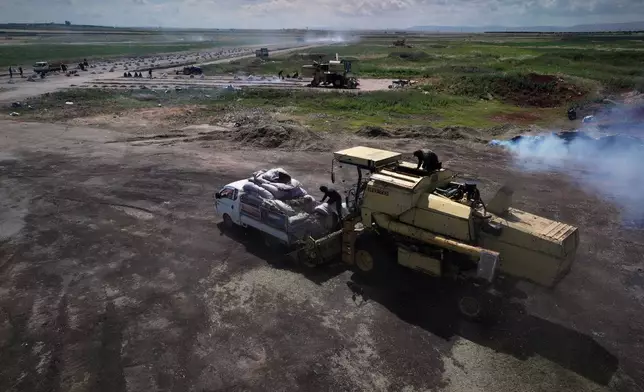
Syrian workers load sacks of freekeh, a roasted green wheat grain widely used in Levantine cuisine, after burning and roasting immature wheat over open flames to separate and preserve the grains, on the outskirts of Taftanaz, northwestern Syria, Sunday, May 24, 2026. (AP Photo/Ghaith Alsayed)
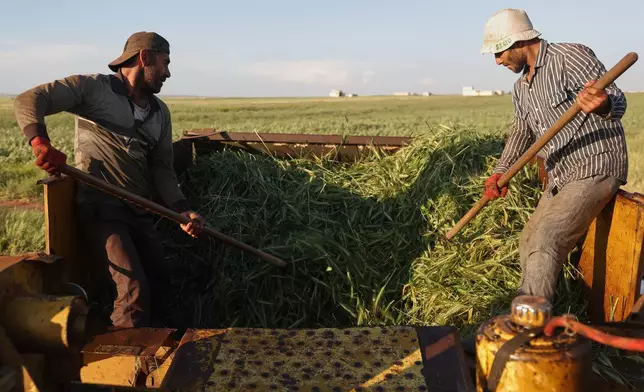
Workers harvest green wheat used to produce freekeh, a roasted grain widely used in Levantine cuisine and made by harvesting immature wheat and roasting it over open flames to separate and preserve the grains, in a field on the outskirts of Taftanaz, northwestern Syria, Sunday, May 24, 2026. (AP Photo/Ghaith Alsayed)
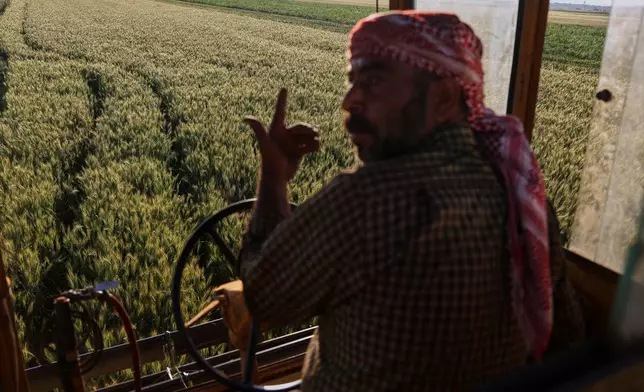
A Syrian farmer gestures while harvesting green wheat used to produce freekeh, a roasted grain widely used in Levantine cuisine and made by harvesting immature wheat and roasting it over open flames to separate and preserve the grains, in a field on the outskirts of Taftanaz, northwestern Syria, Sunday, May 24, 2026. (AP Photo/Ghaith Alsayed)
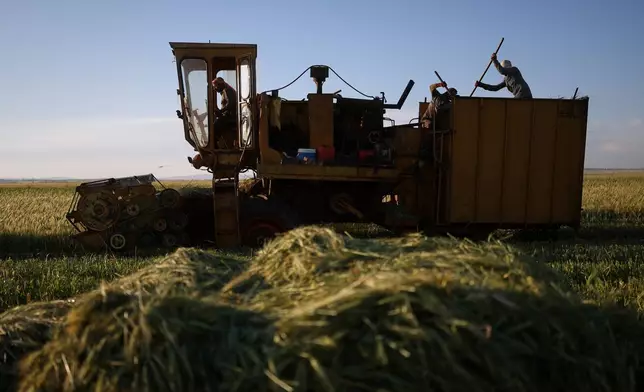
Workers harvest green wheat used to produce freekeh, a roasted grain widely used in Levantine cuisine and made by harvesting immature wheat and roasting it over open flames to separate and preserve the grains, in a field on the outskirts of Taftanaz, northwestern Syria, Sunday, May 24, 2026. (AP Photo/Ghaith Alsayed)
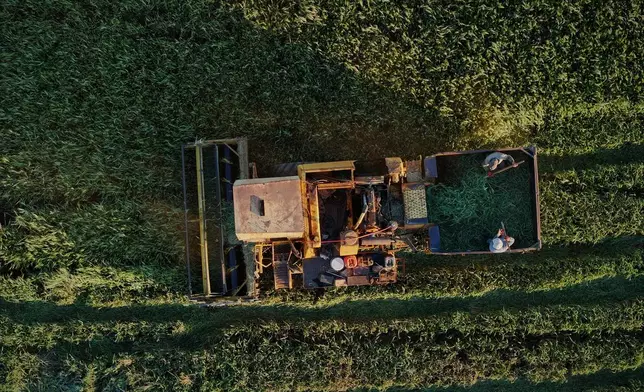
Workers harvest green wheat used to produce freekeh, a roasted grain widely used in Levantine cuisine and made by harvesting immature wheat and roasting it over open flames to separate and preserve the grains, in a field on the outskirts of Taftanaz, northwestern Syria, Sunday, May 24, 2026. (AP Photo/Ghaith Alsayed)
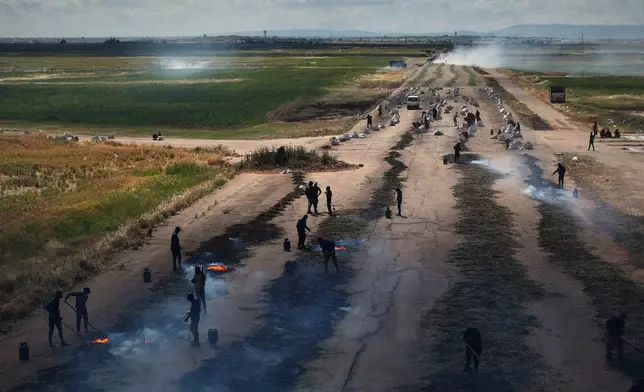
Syrian workers burn green wheat to produce freekeh, a roasted green wheat grain widely used in Levantine cuisine, by harvesting immature wheat and roasting it over open flames to separate and preserve the grains, on the outskirts of Taftanaz, northwestern Syria, Sunday, May 24, 2026. (AP Photo/Ghaith Alsayed)
In the outskirts of Taftanaz in Syria’s Idlib province, workers harvest, transport and roast the wheat before it is cleaned and prepared for markets. Despite years of conflict and economic hardship, freekeh production remains an enduring part of Syria’s rural food culture. The grain is commonly served with lamb or chicken and garnished with nuts and vegetables in homes and restaurants throughout Syria.
This is a photo gallery curated by AP photo editors.
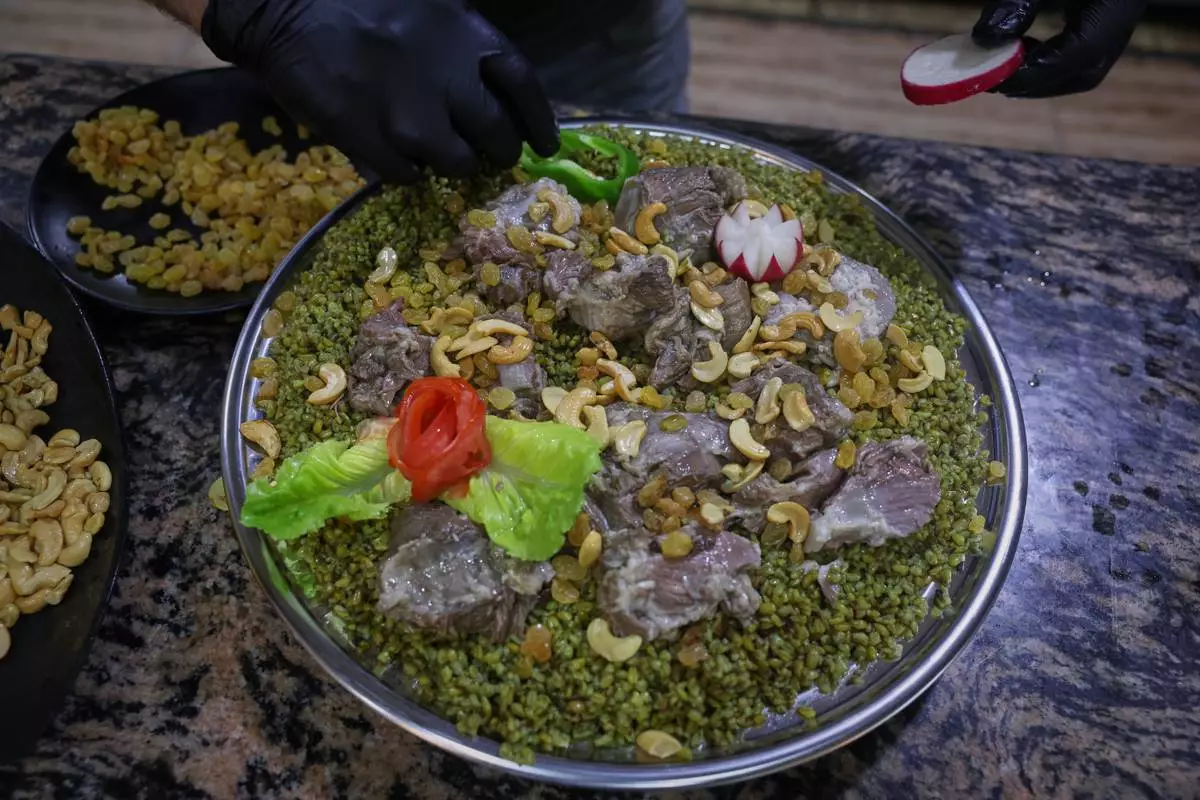
A cook prepares a dish made with freekeh, a roasted green wheat grain widely used in Levantine cuisine and made by harvesting immature wheat and roasting it over open flames to separate and preserve the grains, at a restaurant in Idlib, Syria, Sunday, May 24, 2026. (AP Photo/Ghaith Alsayed)
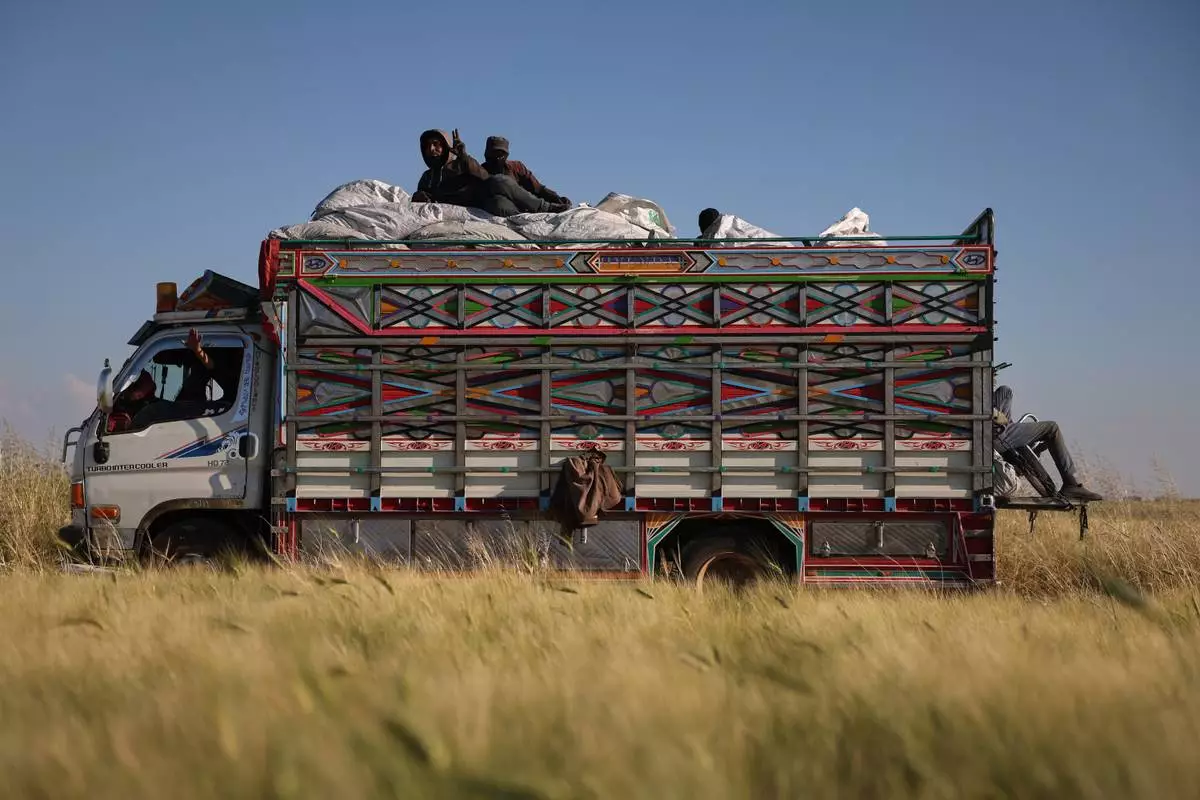
Syrian laborers ride atop sacks of harvested green wheat used to produce freekeh, a roasted grain widely used in Levantine cuisine and made by harvesting immature wheat and roasting it over open flames to separate and preserve the grains, in a field on the outskirts of Taftanaz, northwestern Syria, Sunday, May 24, 2026. (AP Photo/Ghaith Alsayed)
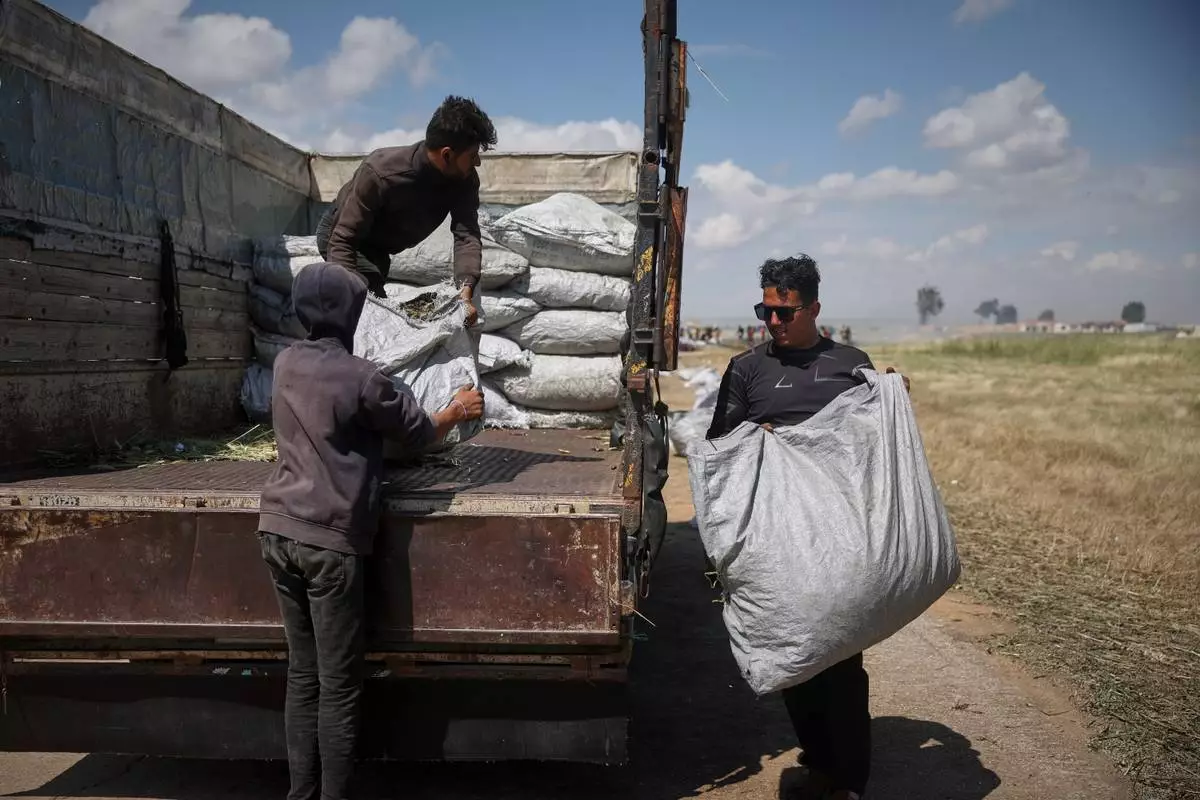
Syrian workers load sacks of freekeh, a roasted green wheat grain widely used in Levantine cuisine, after burning and roasting immature wheat over open flames to separate and preserve the grains, on the outskirts of Taftanaz, northwestern Syria, Sunday, May 24, 2026. (AP Photo/Ghaith Alsayed)
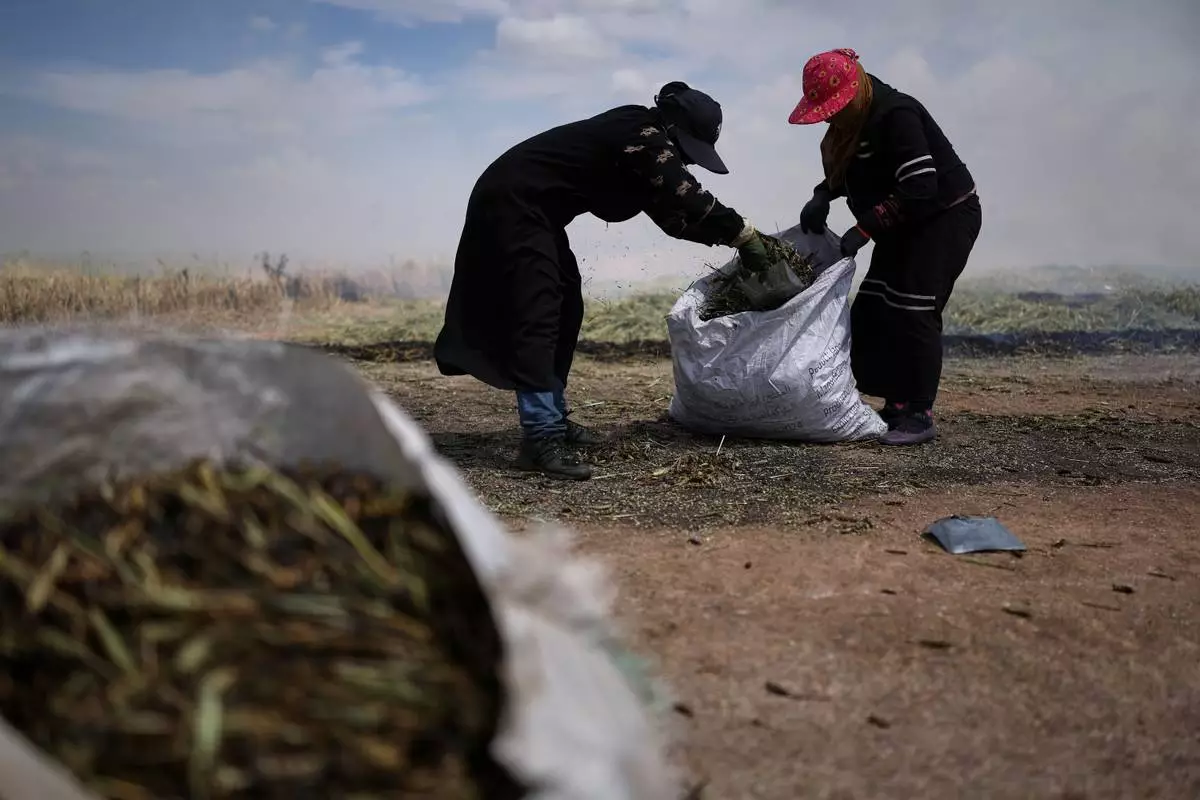
Syrian workers load sacks of freekeh, a roasted green wheat grain widely used in Levantine cuisine, after burning and roasting immature wheat over open flames to separate and preserve the grains, on the outskirts of Taftanaz, northwestern Syria, Sunday, May 24, 2026. (AP Photo/Ghaith Alsayed)
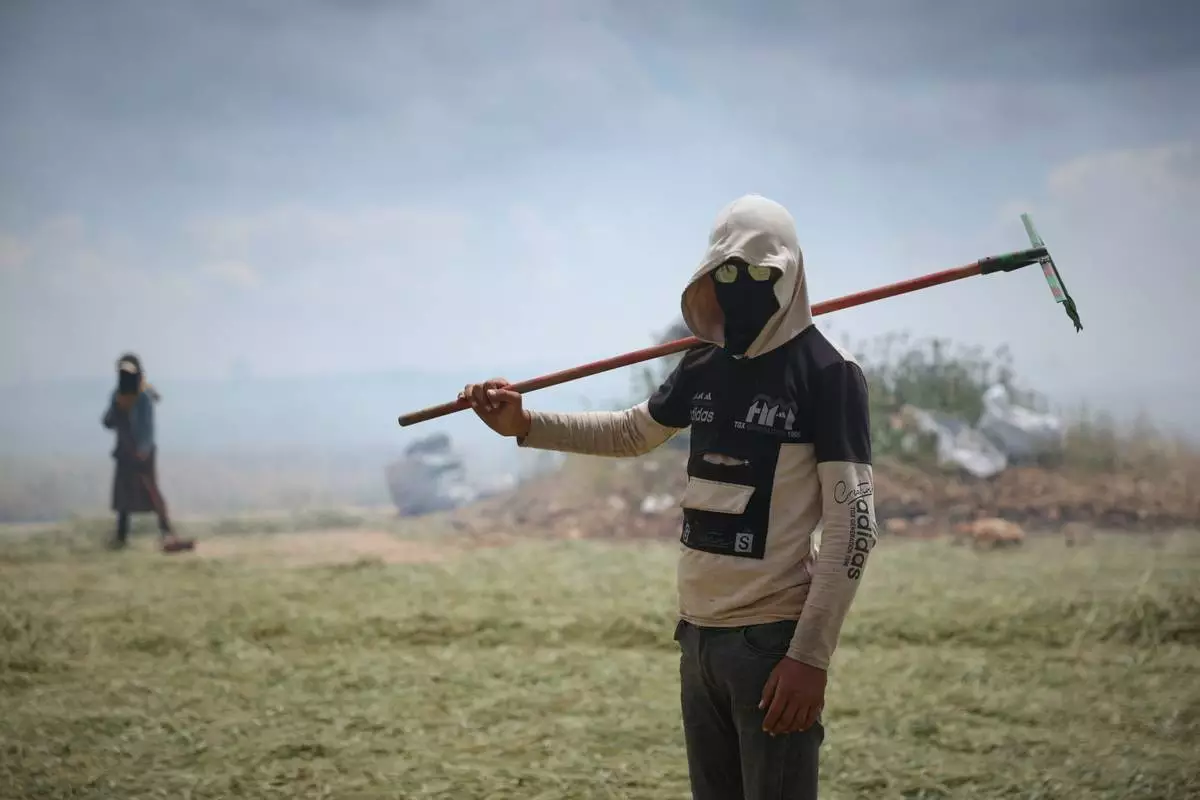
A laborer pauses with his rake as Syrian workers burn green wheat to produce freekeh, a roasted green wheat grain widely used in Levantine cuisine and made by harvesting immature wheat and roasting it over open flames to separate and preserve the grains, on the outskirts of Taftanaz, northwestern Syria, Sunday, May 24, 2026. (AP Photo/Ghaith Alsayed)
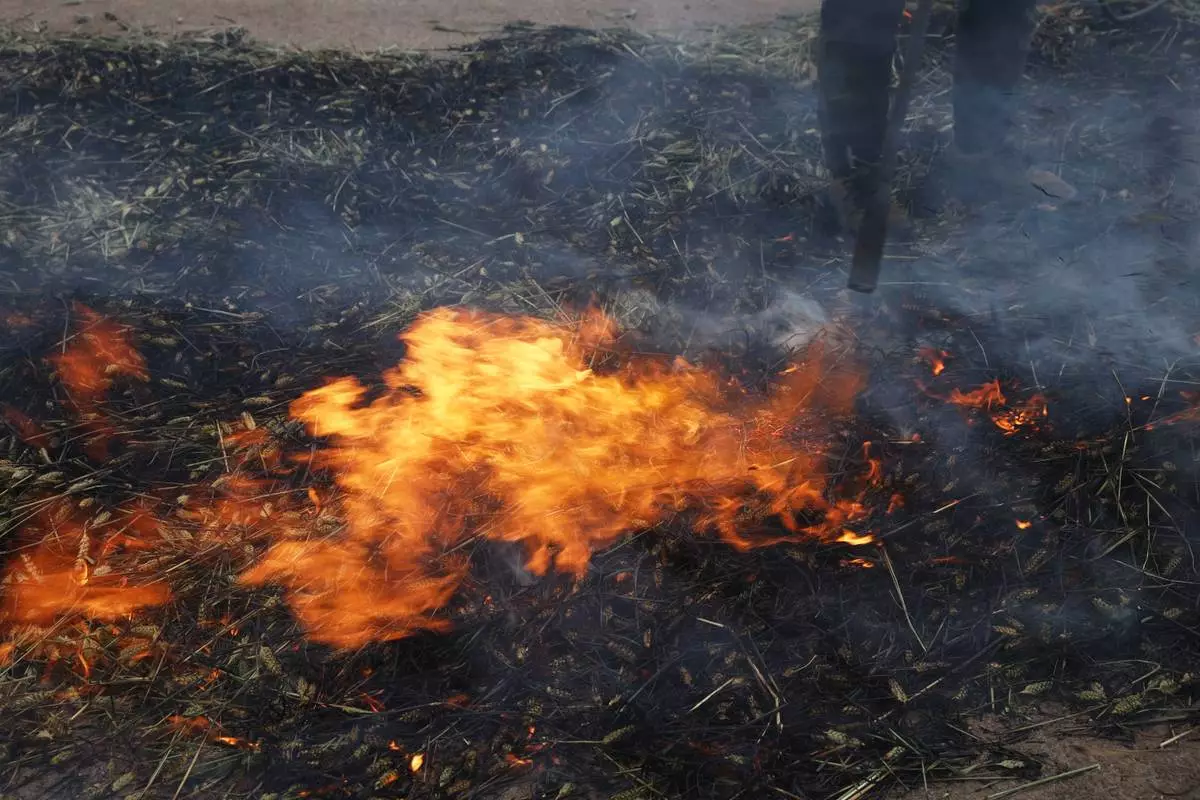
Syrian workers burn green wheat to produce freekeh, a roasted green wheat grain widely used in Levantine cuisine, by harvesting immature wheat and roasting it over open flames to separate and preserve the grains, on the outskirts of Taftanaz, northwestern Syria, Sunday, May 24, 2026. (AP Photo/Ghaith Alsayed)
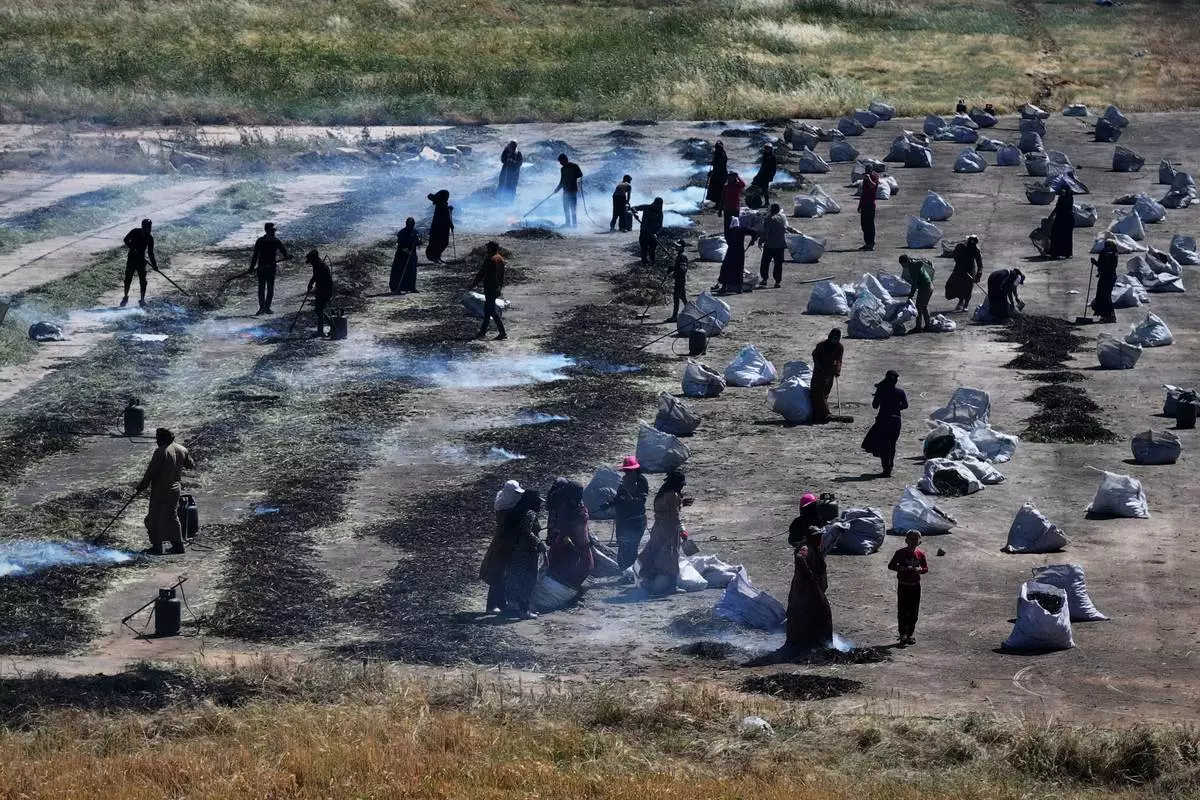
Syrian workers burn green wheat to produce freekeh, a roasted green wheat grain widely used in Levantine cuisine, by harvesting immature wheat and roasting it over open flames to separate and preserve the grains, on the outskirts of Taftanaz, northwestern Syria, Sunday, May 24, 2026. (AP Photo/Ghaith Alsayed)
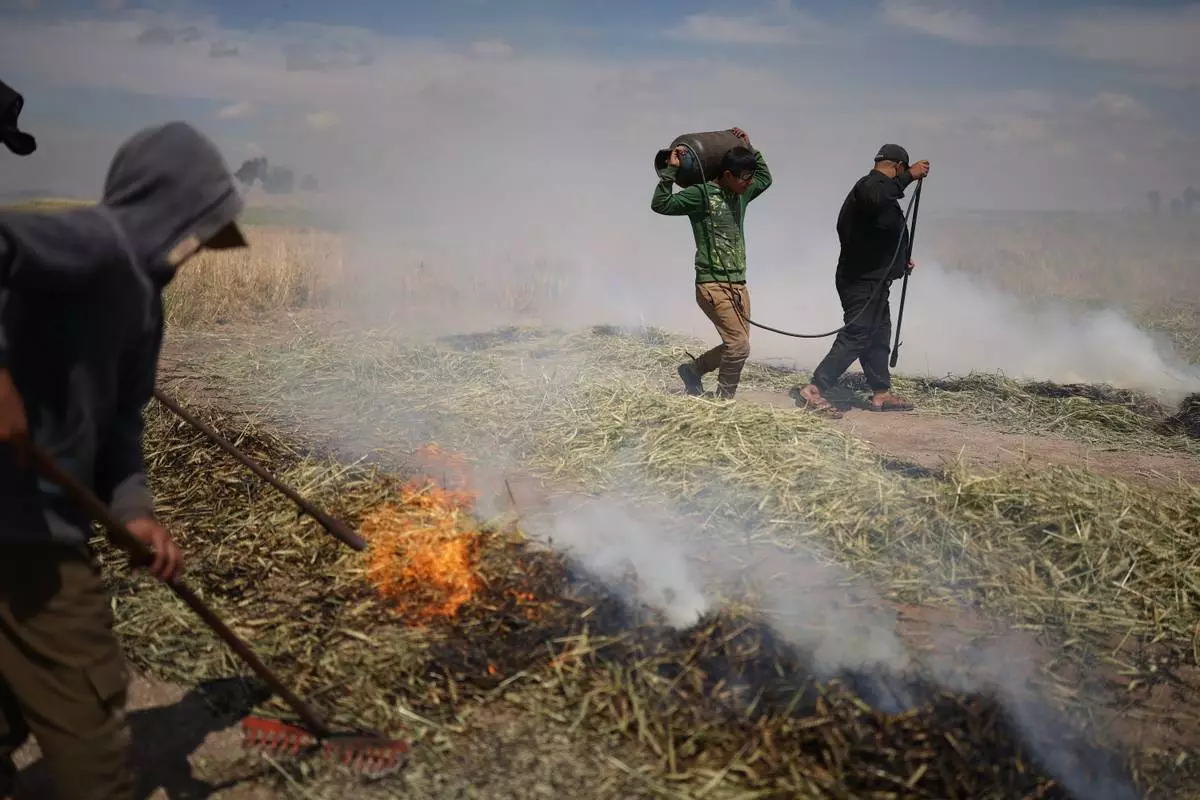
Syrian workers burn green wheat to produce freekeh, a roasted green wheat grain widely used in Levantine cuisine, by harvesting immature wheat and roasting it over open flames to separate and preserve the grains, on the outskirts of Taftanaz, northwestern Syria, Sunday, May 24, 2026. (AP Photo/Ghaith Alsayed)
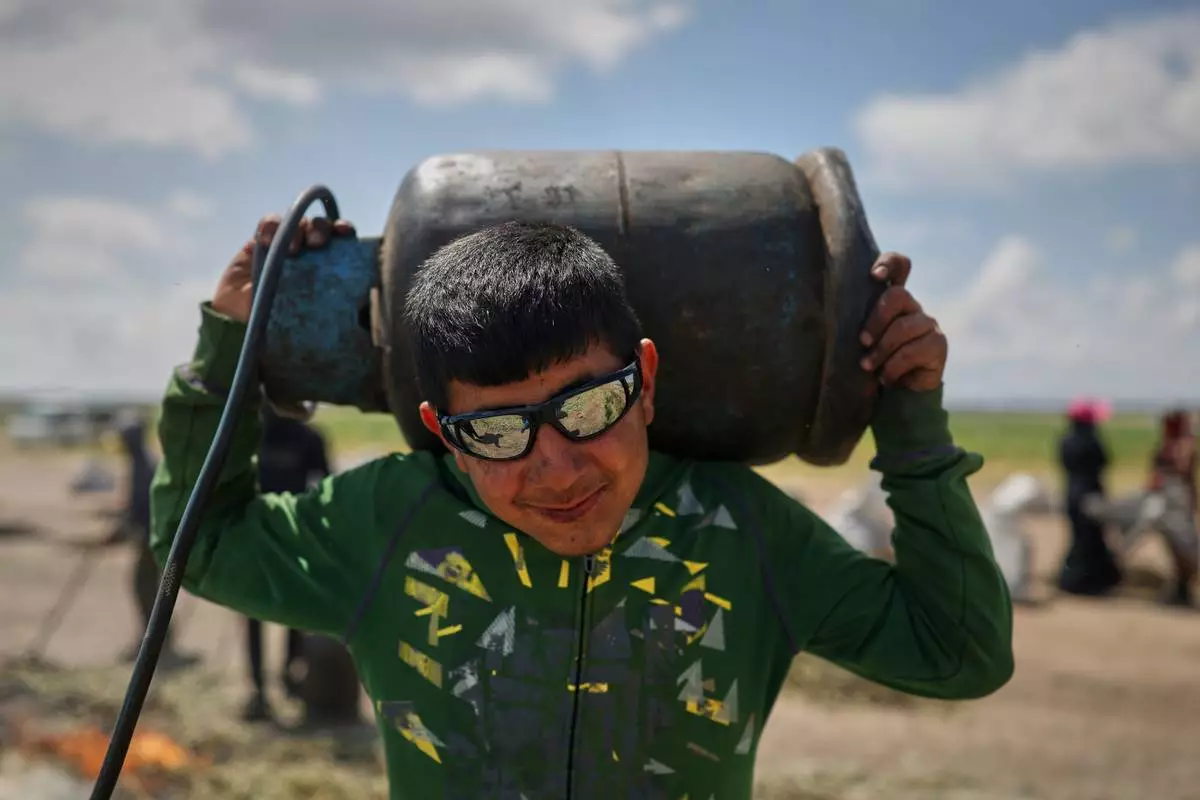
A worker carries a gas cylinder used to fuel burners that roast green wheat to produce freekeh, a roasted green wheat grain widely used in Levantine cuisine and made by harvesting immature wheat and roasting it over open flames to separate and preserve the grains, on the outskirts of Taftanaz, northwestern Syria, Sunday, May 24, 2026. (AP Photo/Ghaith Alsayed)
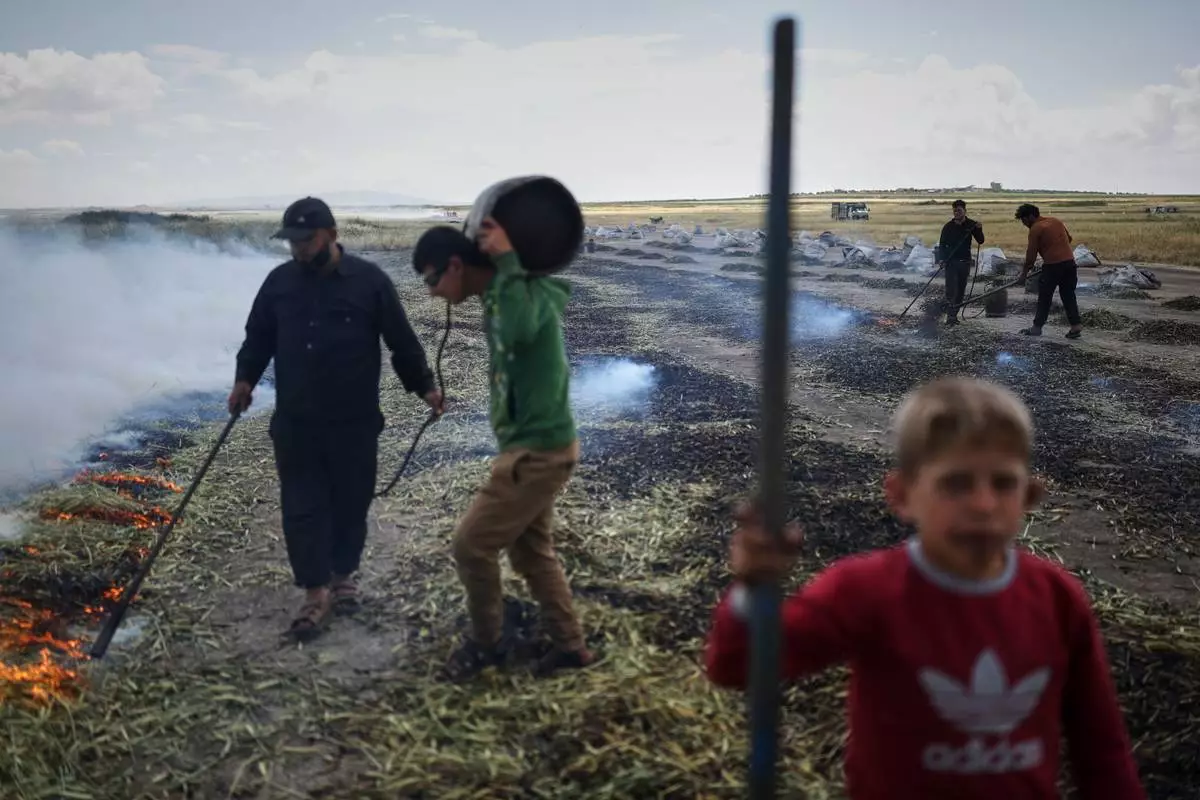
Syrian workers burn green wheat to produce freekeh, a roasted green wheat grain widely used in Levantine cuisine, by harvesting immature wheat and roasting it over open flames to separate and preserve the grains, on the outskirts of Taftanaz, northwestern Syria, Sunday, May 24, 2026. (AP Photo/Ghaith Alsayed)
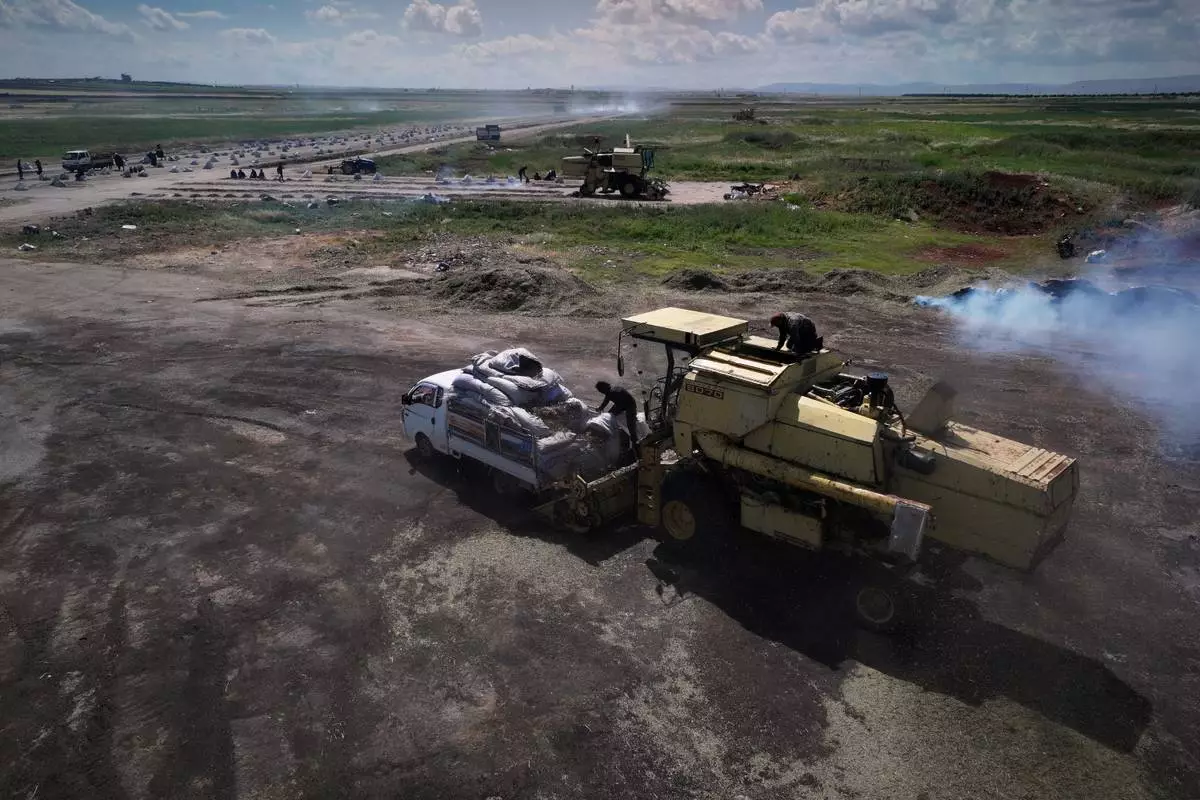
Syrian workers load sacks of freekeh, a roasted green wheat grain widely used in Levantine cuisine, after burning and roasting immature wheat over open flames to separate and preserve the grains, on the outskirts of Taftanaz, northwestern Syria, Sunday, May 24, 2026. (AP Photo/Ghaith Alsayed)
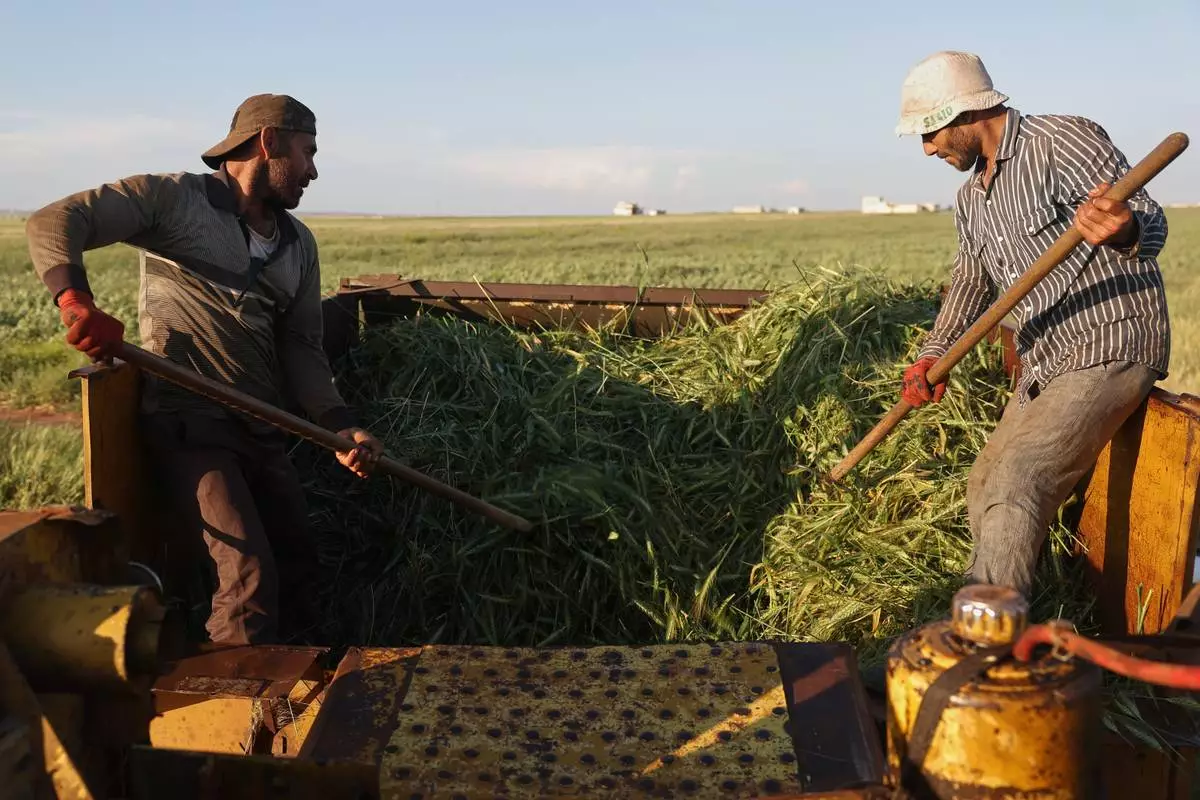
Workers harvest green wheat used to produce freekeh, a roasted grain widely used in Levantine cuisine and made by harvesting immature wheat and roasting it over open flames to separate and preserve the grains, in a field on the outskirts of Taftanaz, northwestern Syria, Sunday, May 24, 2026. (AP Photo/Ghaith Alsayed)
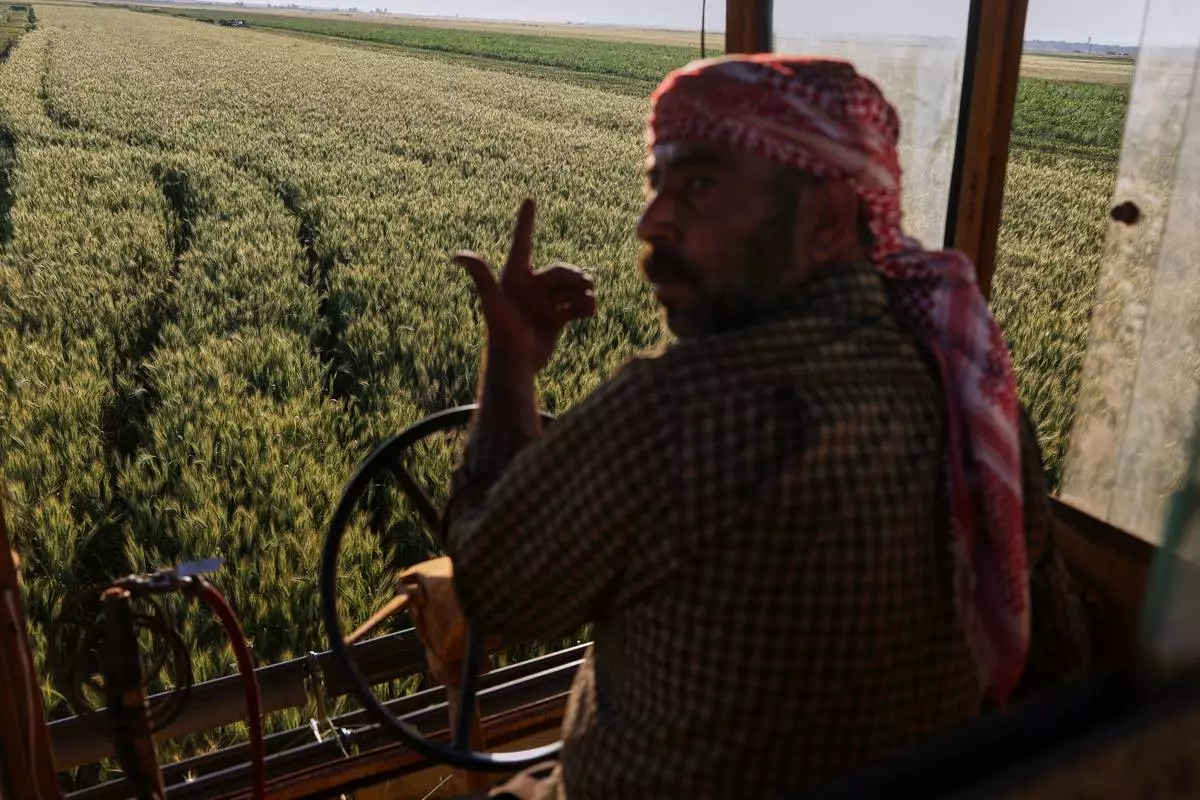
A Syrian farmer gestures while harvesting green wheat used to produce freekeh, a roasted grain widely used in Levantine cuisine and made by harvesting immature wheat and roasting it over open flames to separate and preserve the grains, in a field on the outskirts of Taftanaz, northwestern Syria, Sunday, May 24, 2026. (AP Photo/Ghaith Alsayed)
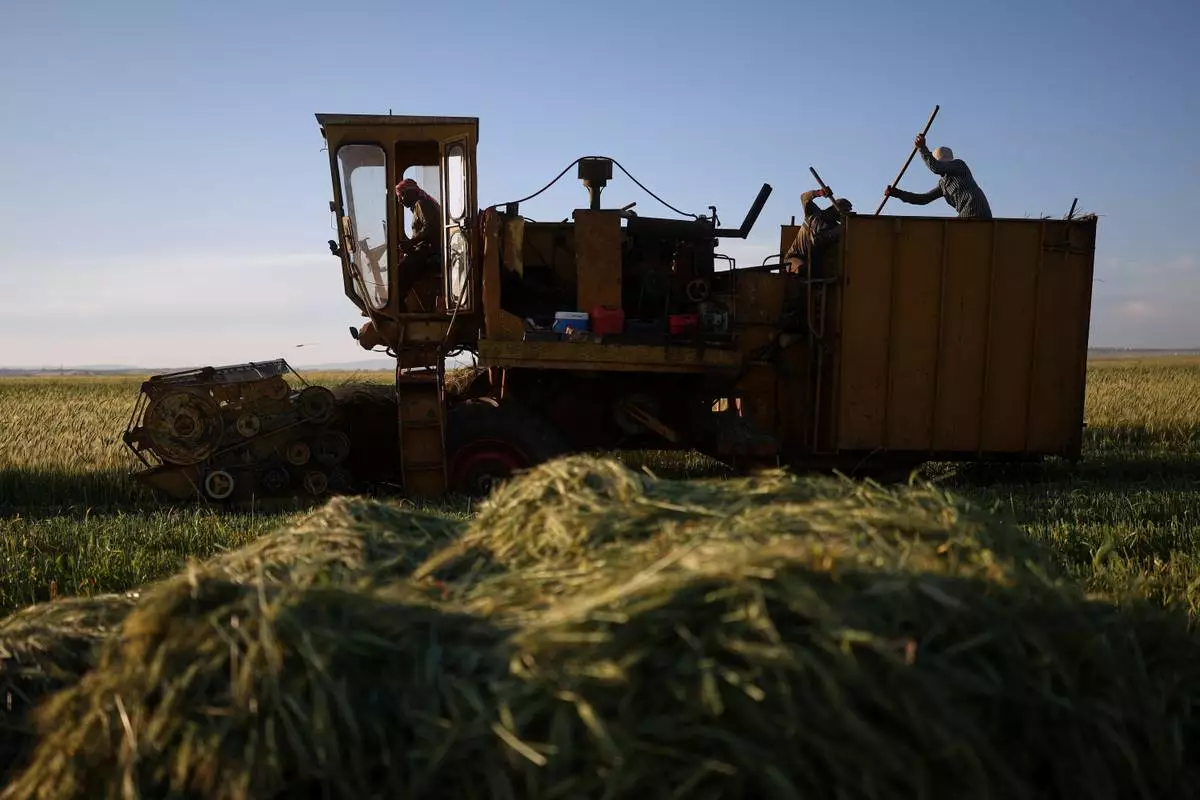
Workers harvest green wheat used to produce freekeh, a roasted grain widely used in Levantine cuisine and made by harvesting immature wheat and roasting it over open flames to separate and preserve the grains, in a field on the outskirts of Taftanaz, northwestern Syria, Sunday, May 24, 2026. (AP Photo/Ghaith Alsayed)
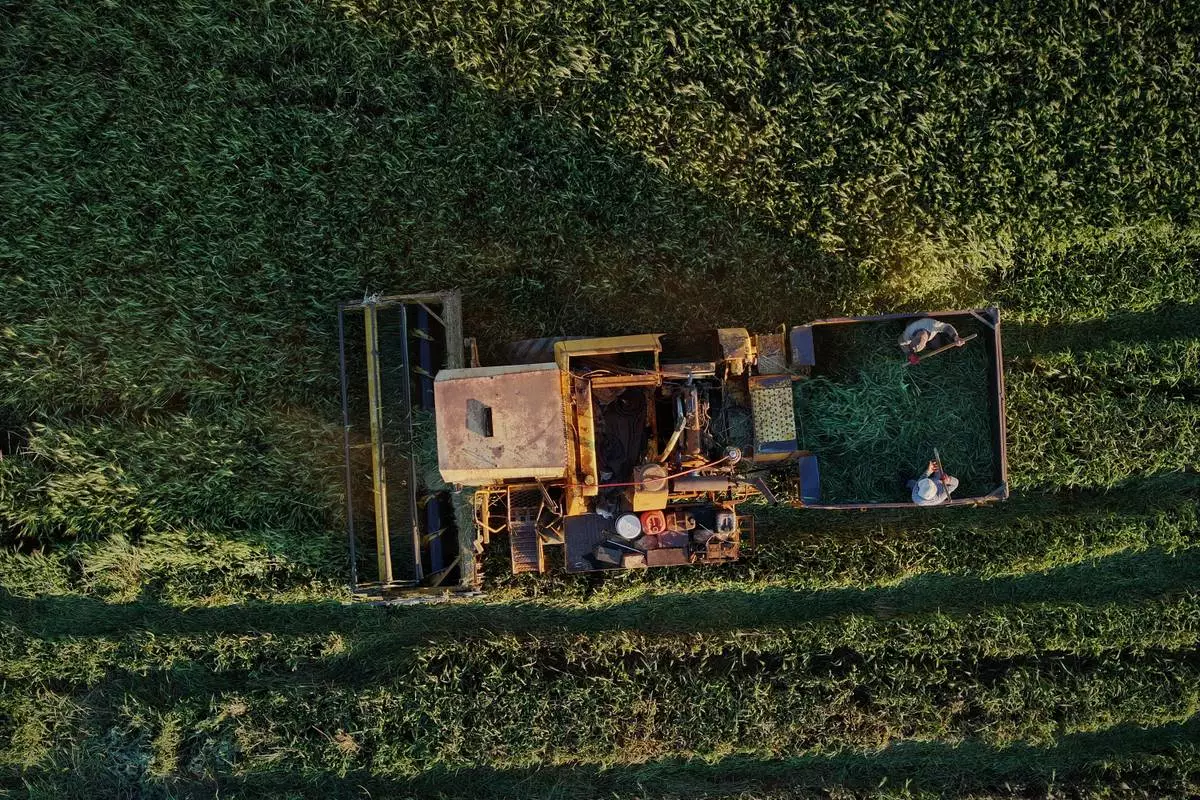
Workers harvest green wheat used to produce freekeh, a roasted grain widely used in Levantine cuisine and made by harvesting immature wheat and roasting it over open flames to separate and preserve the grains, in a field on the outskirts of Taftanaz, northwestern Syria, Sunday, May 24, 2026. (AP Photo/Ghaith Alsayed)
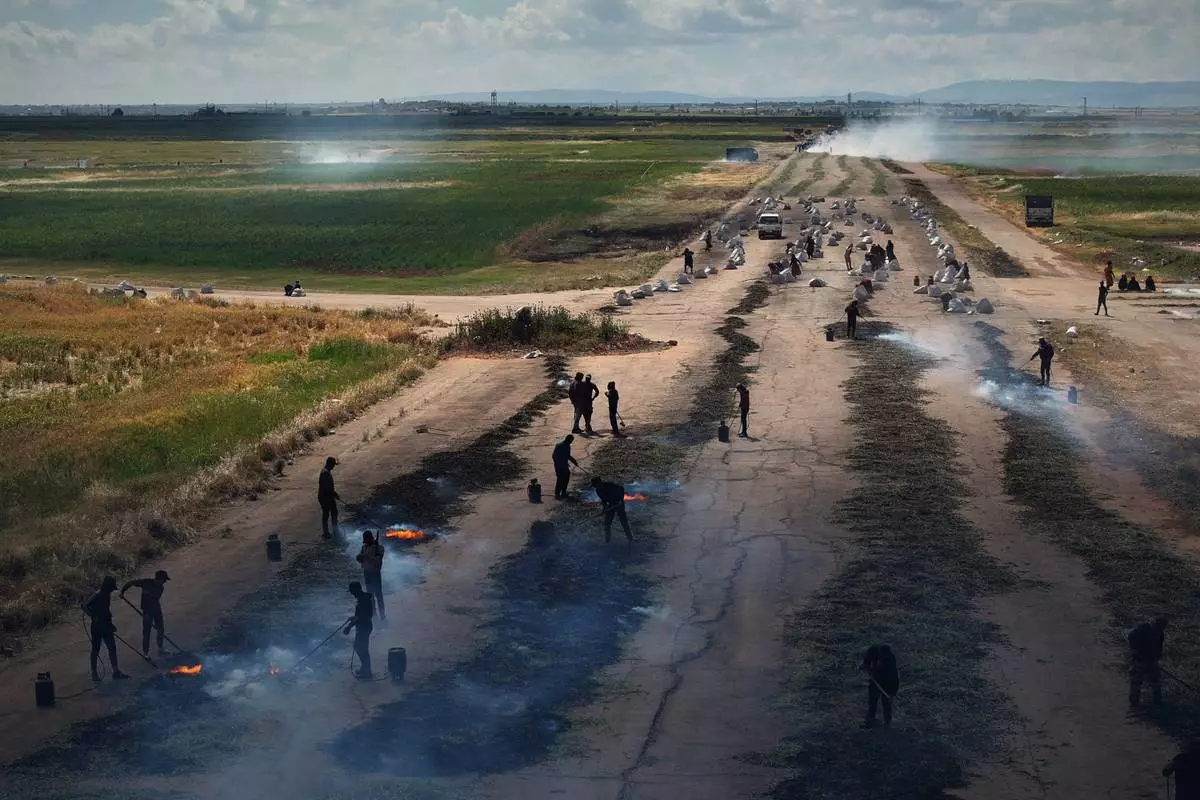
Syrian workers burn green wheat to produce freekeh, a roasted green wheat grain widely used in Levantine cuisine, by harvesting immature wheat and roasting it over open flames to separate and preserve the grains, on the outskirts of Taftanaz, northwestern Syria, Sunday, May 24, 2026. (AP Photo/Ghaith Alsayed)