CLEVELAND--(BUSINESS WIRE)--May 26, 2026--
TFS Financial Corporation (Nasdaq: TFSL), (the “Company”), the holding company for Third Federal Savings and Loan Association of Cleveland, announced that Third Federal Savings and Loan Association of Cleveland, MHC, (the “MHC”), the mutual holding company that owns 81% of the Company’s outstanding common stock, will hold a special meeting of its members. The meeting will include a vote on a proposal to waive the MHC’s right to receive quarterly dividends totaling up to $1.27 per share that may be declared by the Company during the 12-month period following the member vote. All dividends on the Company’s common stock are declared at the discretion of the Company’s Board of Directors. The special meeting will be held on July 7, 2026.
This press release features multimedia. View the full release here: https://www.businesswire.com/news/home/20260526344009/en/
Federal Reserve Regulation MM, 12 C.F.R. Part 239, of the Board of Governors of the Federal Reserve System (the “Federal Reserve”) requires that the MHC annually solicit the vote of its members to approve the proposed dividend waivers by the MHC every 12 months. The MHC previously received the approval of its members at a July 8, 2025 meeting to waive the MHC’s right to receive quarterly dividends declared by the Company during the 12-month period ending July 8, 2026.
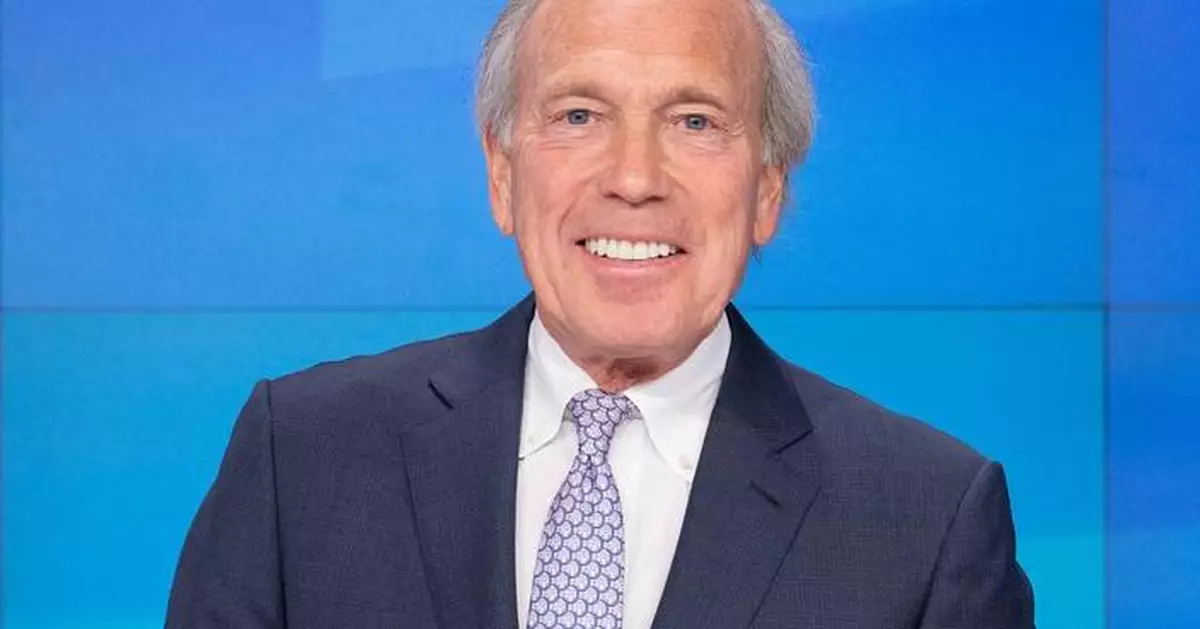
"When my parents started Third Federal in 1938, they did so with the mission of helping people achieve the American Dream of homeownership and financial security, and to support the communities we serve," said Chairman and CEO Marc A. Stefanski. "For nearly 90 years, we have been unwavering in that mission – determined to help our customers succeed, and to continue to keep Third Federal strong, stable, and safe. We appreciate the overwhelming support from our members since 2014, and we are again asking them to vote FOR the dividend waiver, since we believe waiving the dividend is in the best interest of our customers, our shareholders, and the company.”
There can be no assurance that the members will approve the dividend waivers or that the Federal Reserve will not object to the waivers even if it is approved by members at the special meeting. A failure to obtain the waiver will likely result in a reduction in the dividend expected to be paid to public stockholders.
Third Federal is a leading provider of savings and mortgage products, and operates under the values of love, trust, respect, a commitment to excellence and fun. Founded in Cleveland in 1938 as a mutual association by Ben and Gerome Stefanski, Third Federal’s mission is to help people achieve the dream of home ownership and financial security. It became part of a public company in 2007. Third Federal, which lends in 28 states and the District of Columbia, is dedicated to serving consumers with competitive rates and outstanding service. Third Federal, an equal housing lender, has 21 full service branches in Northeast Ohio, two lending offices in Central and Southern Ohio, and 15 full service branches throughout Florida. As of March 31, 2026, the Company’s assets totaled $17.48 billion.
This news release contains forward-looking statements as defined in the Securities Exchange Act of 1934 and is subject to the safe harbors created therein. The forward-looking statements contained herein include, but are not limited to, the Company's plans regarding its dividends. These forward-looking statements involve risks and uncertainties that could cause the Company's results to differ materially from management's current expectations. The Company's risks and uncertainties are detailed in its filings with the Securities and Exchange Commission, including our Annual Report on Form 10-K for the fiscal year ended September 30, 2025. Forward-looking statements are based on the beliefs and assumptions of our management and on currently available information. The Company undertakes no responsibility to publicly update or revise any forward-looking statement.
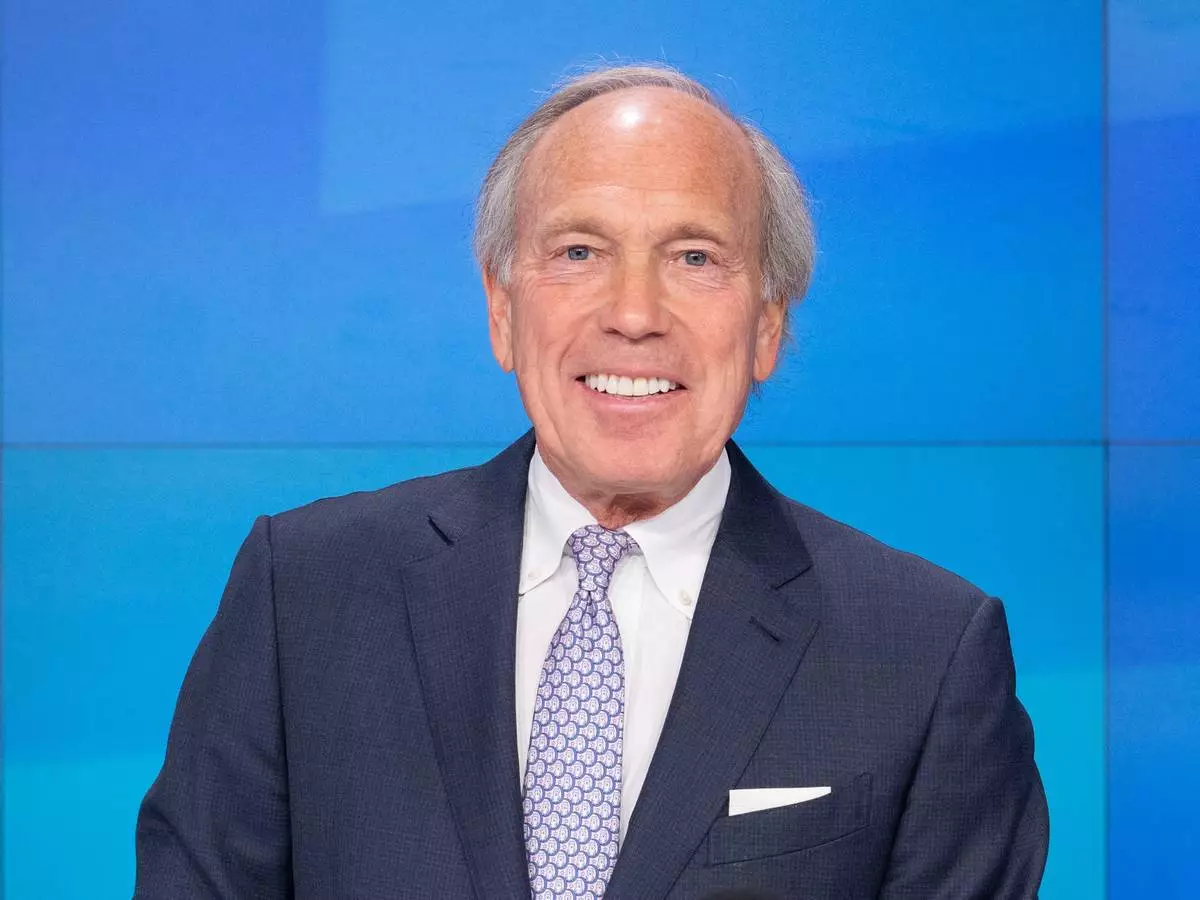
Chairman and CEO Marc A. Stefanski
TUCSON, Ariz. (AP) — Carol Ross can’t stop smiling at dance practice as she shouts out the steps of a routine to members of her tap and jazz troupe for women age 50 and older.
“I’ve been dancing my whole life, it’s the best,” said Ross, who founded the Rodeo City Wreckettes group 23 years ago at an age when many people are getting ready for retirement.
Now 87, Ross and her husband and lifelong dance partner John, also 87, have long known what more older adults are now discovering: Moving to music is one of the best ways to stay healthy. Medical professionals say it doesn’t matter if it’s Western line dancing, ballroom steps, salsa, tap, Zumba at the gym, or with a group like the Wreckettes.
“Dancing is one of the most powerful activities for older people,” said Julio Loya, a nurse and geriatric program coordinator at the Tucson Medical Center.
Dance, like other exercise, can help people lose weight, get stronger, reduce fall risk, increase mobility and flexibility, and even improve brain health.
“ It engages their brain, it changes their mood, and it connects them socially while getting them moving,” said Loya. “And it’s fun. Everybody has a good time.”
Dr. Thomas Johnson, a geriatrician at the UCHealth Seniors Clinic in Aurora, Colorado, said he remembers one man in particular whose passion for dance was so strong that he willed himself to attend one last class before he died in his late 80s.
“His No. 1 priority was that he danced until the day that he died," Johnson said of his patient.
Johnson said dance can improve the balance of his patients at the clinic, which serves about 2,500 people 75 and older a year.
He said older patients can benefit from adding two to three dance sessions to the 150 minutes of aerobic exercise he recommends for them each week, because dancing often involves movements that help with balance, such as walking backward or standing on one foot.
The Wreckettes practice their routines during two-hour sessions at least twice a week in a rented dance studio.
After studying ballet as a girl, then moving on to everything from ballroom to tap as an adult, Ross said it made sense to keep dancing when she and her husband moved from Philadelphia to retire in Tucson.
John Ross is a key part of the Wreckettes' routines, typically joining his wife for at least one number. At one recent practice, it was a saucy saunter to Merle Haggard’s “Let’s Chase Each Other Around the Room.”
“I learned early on that dancing was a great way to attract the chicks,” joked John Ross, who slid across the floor like a much younger man.
Wreckettes member Cindy Soffrin said that watching her mother suffer as she aged convinced her to stay active as she got older.
“My mom was sedentary the last 20 years of her life. It was pretty rough,” said Soffrin, 74.
For 67-year-old Gail Kowalski, joining the Wreckettes three years ago meant finding new friends after her husband died and she moved from Utah to Tucson.
“Plus, it’s so dang fun,” Kowalski said.
The Wreckettes perform throughout the year, from holiday events to rodeo shows, dressing up in a series of matching sparkly costumes.
But they all said what they love the most is being hired by retirement homes to perform for memory care patients. Wreckette members take turns picking a favorite charity to donate their earnings.
“When we first arrive, people will be distracted or sleeping,” said Soffrin. “But once the music comes on, they perk up right away.”
A similar dance group for older women in Las Vegas, the Vegas Golden Gals, also performs at retirement homes, said Cheryl Cortez, the group’s president. They add pompoms to their routines.
“I must now know close to 40 routines,” said Cortez, 69. “And that alone has to be great for the memory.”
If you want to start moving to music, here are some tips from health professionals and dance instructors:
BEFORE STARTING: Check with your health provider before starting a dance or any exercise program. Choose something simple to start, like line dancing rather than intricate tango steps.
FIND A CLASS: Check with a YMCA, parks and recreation department, or senior or community center. Community colleges often have dance classes, sometimes tailored for older people. Local dance studios and YouTube videos are other options. If you have Medicare Advantage insurance with the Silver Sneakers benefit, find out if your local gym has Zumba or other dance classes you can attend for free.
BEFORE THE SESSION: Dress comfortably for easy movement, and warm up and stretch before class.
MOST IMPORTANTLY: Have fun! You are doing great things for your mind and body.
__
For more AP stories about healthy aging, go to https://apnews.com/hub/aging
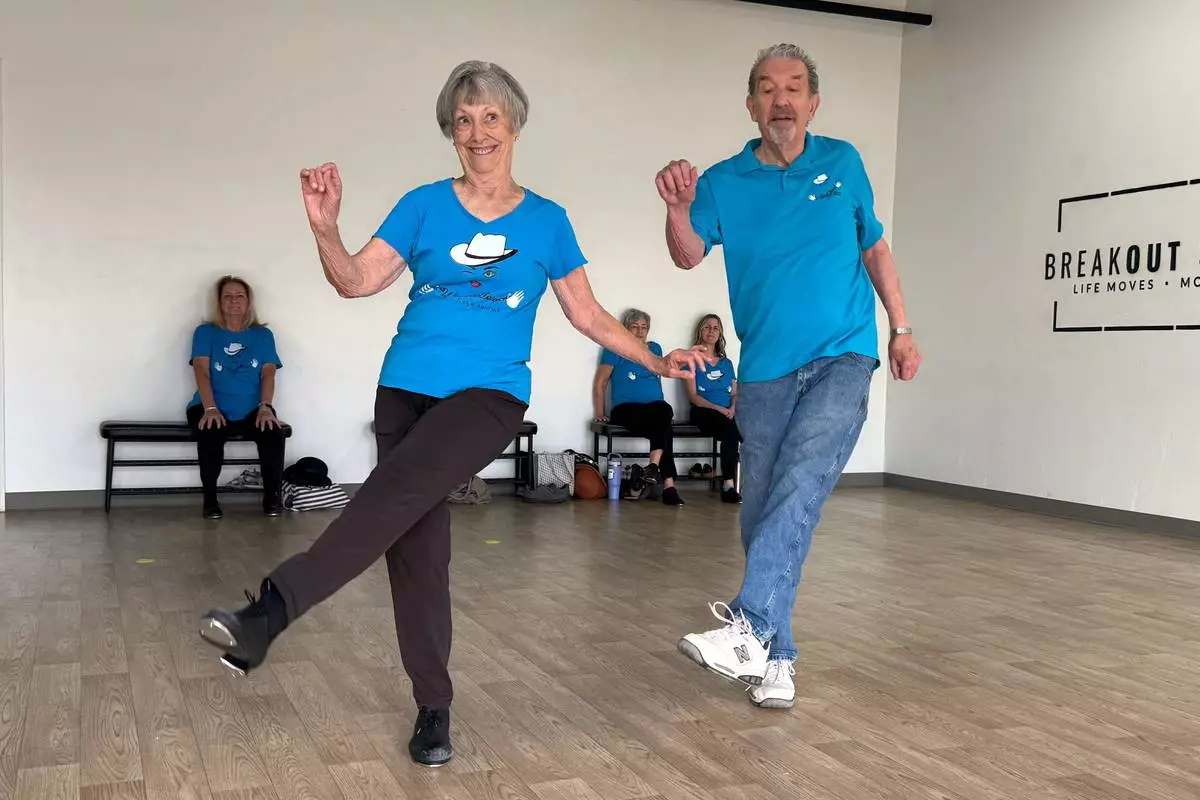
The Rodeo City Wreckettes' Carol Ross 87, and her husband, John, 87, perform a dance to the song, “Let’s Chase Each Other ‘round the Room Tonight" on Thursday, April 16, 2026, in Tucson, Ariz. (Anita Snow via AP) CORRECTION: John Ross' age corrected to 87 from 89.
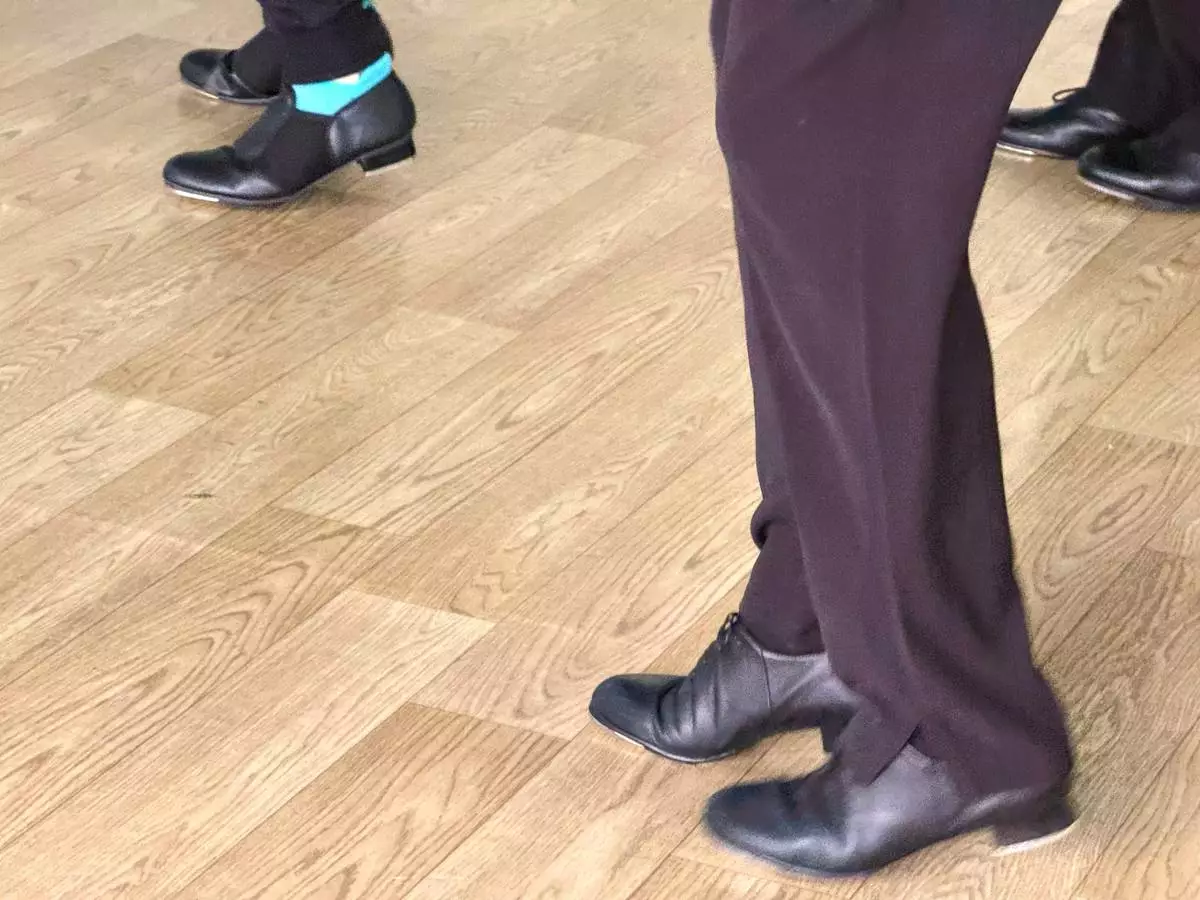
Members of The Rodeo City Wreckettes, a tap and jazz dance group for older women, practice on Thursday, April 16, 2026, in Tucson, Ariz. (Anita Snow via AP)
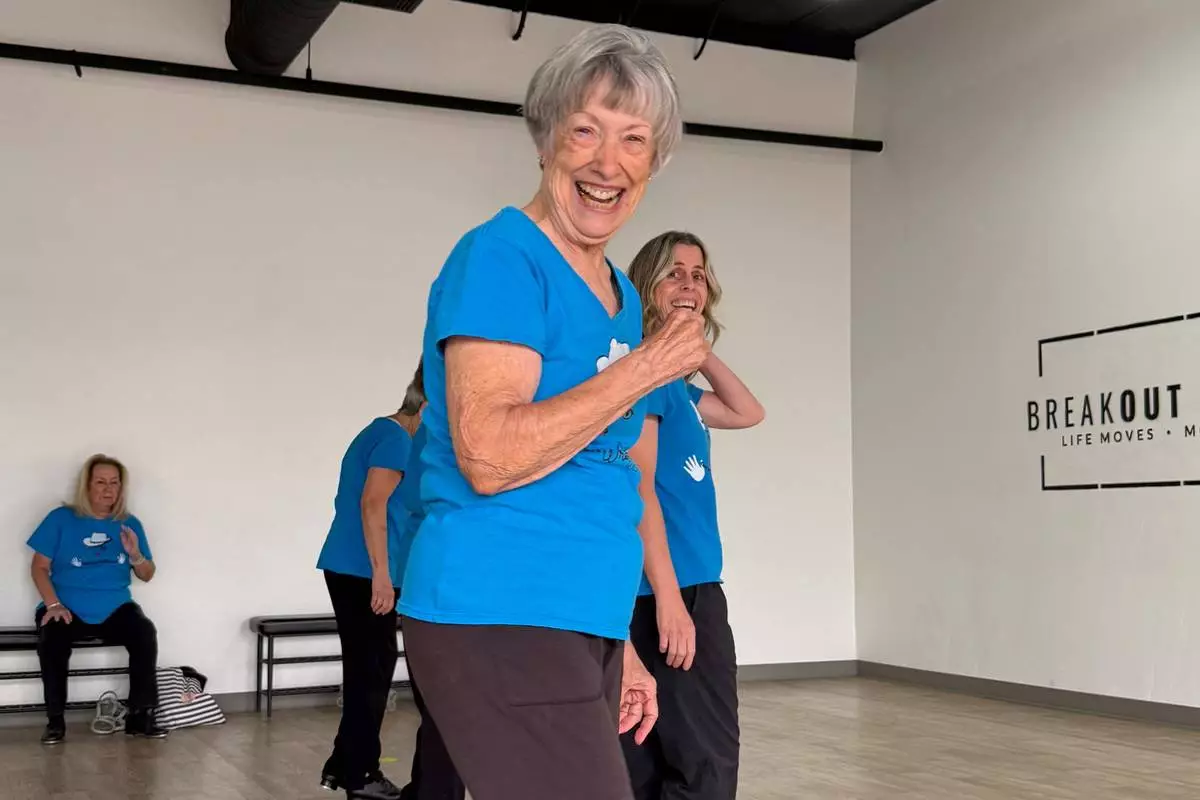
Carol Ross, of The Rodeo City Wreckettes, a tap and jazz dance group for older women, appears at a practice on Thursday, April 16, 2026, in Tucson, Ariz. (Anita Snow via AP)
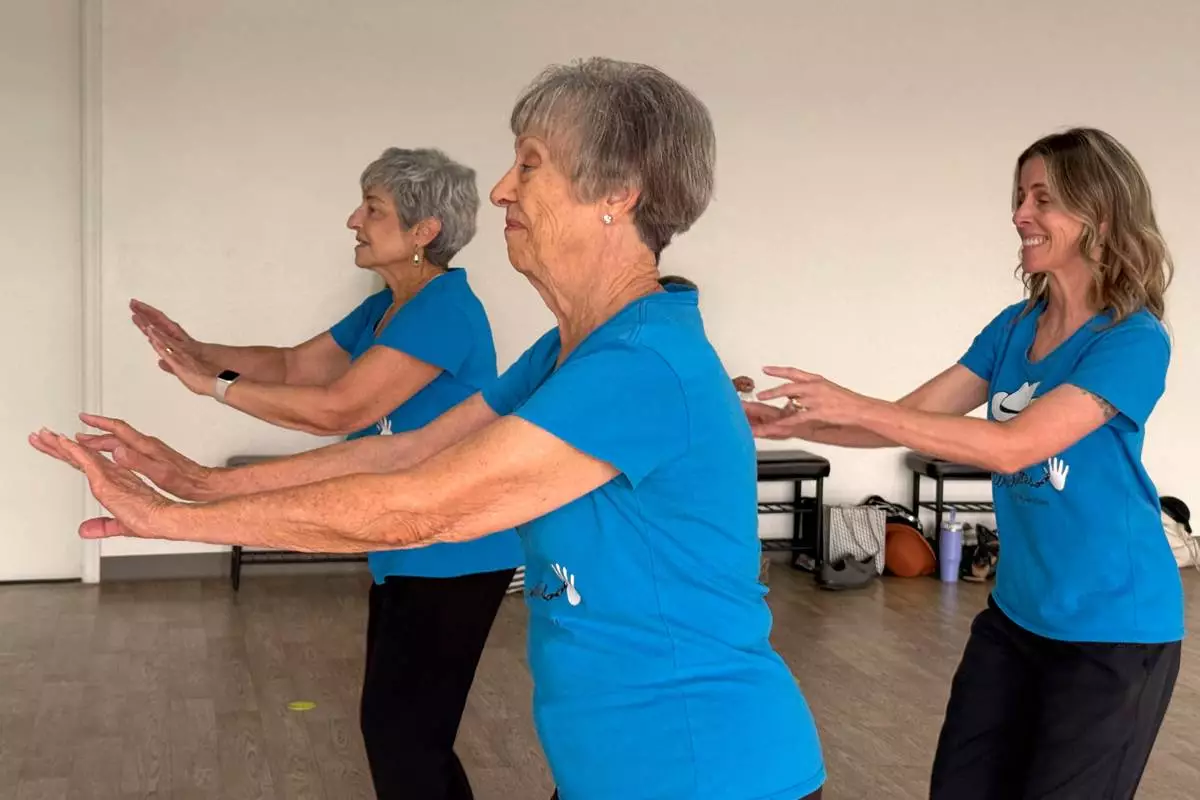
Cindy Soffrin, from left, Carol Ross, and Suzy Rhoades, of The Rodeo City Wreckettes, a tap and jazz dance group for older women, practice on Thursday, April 16, 2026, in Tucson, Ariz. (Anita Snow via AP)
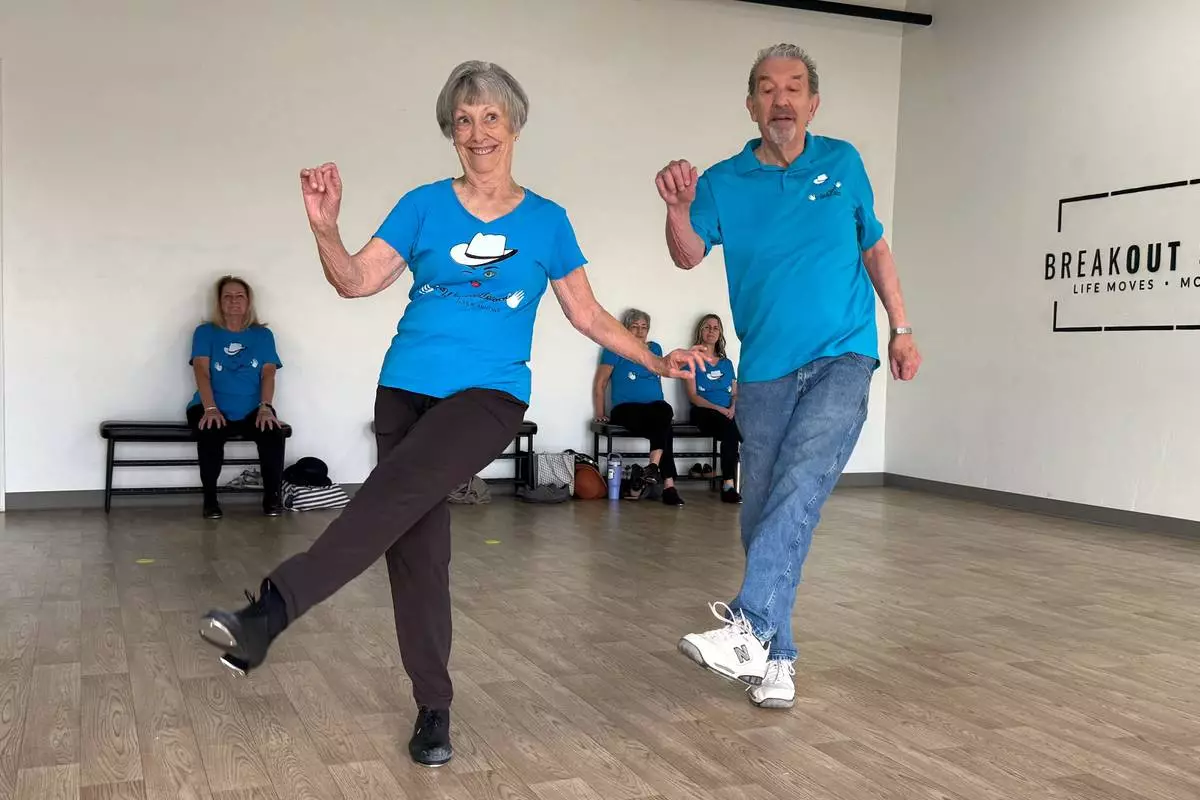
The Rodeo City Wreckettes' Carol Ross 87, and her husband, John, 89, perform a dance to the song, “Let’s Chase Each Other ‘round the Room Tonight" on Thursday, April 16, 2026, in Tucson, Ariz. (Anita Snow via AP)
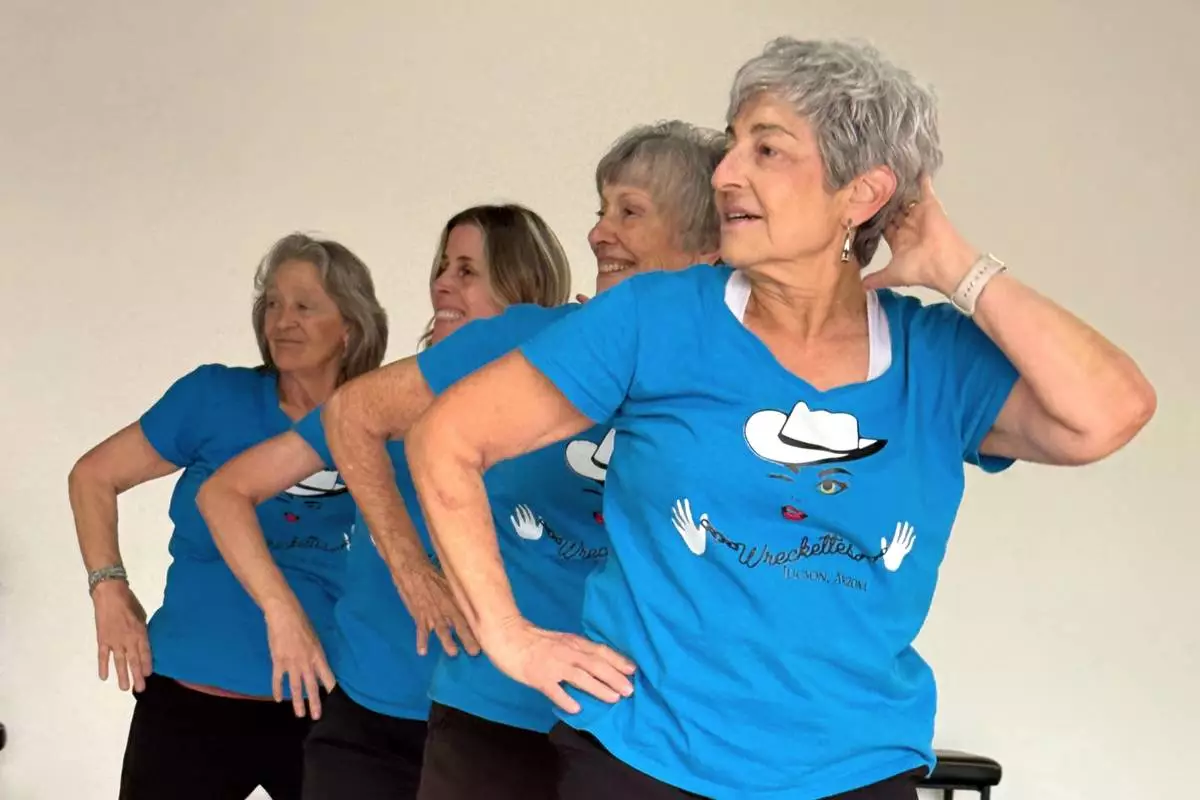
Gail Kowalski, from left, Suzy Rhoades, Carol Ross and Cindy Soffrin, of The Rodeo City Wreckettes, a tap and jazz dance group for older women, practice on Thursday, April 16, 2026, in Tucson, Ariz. (Anita Snow via AP)