As the HKSAR government pushes toward its zero-emission targets, including a ban on new diesel vehicle registrations by 2035, one industry veteran saw an opportunity. Mr. Ng Chi Wai, who brings 38 years of logistics and transport experience to the table, spotted a gap in the electric minibus market and founded Wai Lik New Energy Company.
Partnering with Mainland manufacturer Wisdom Motor, the company is developing pure electric and range-extended electric minibuses tailored to Hong Kong’s driving conditions. The vehicles come with a 15-year warranty on both the battery and chassis, aimed at giving minibus operators the confidence to go green.
Click to Gallery
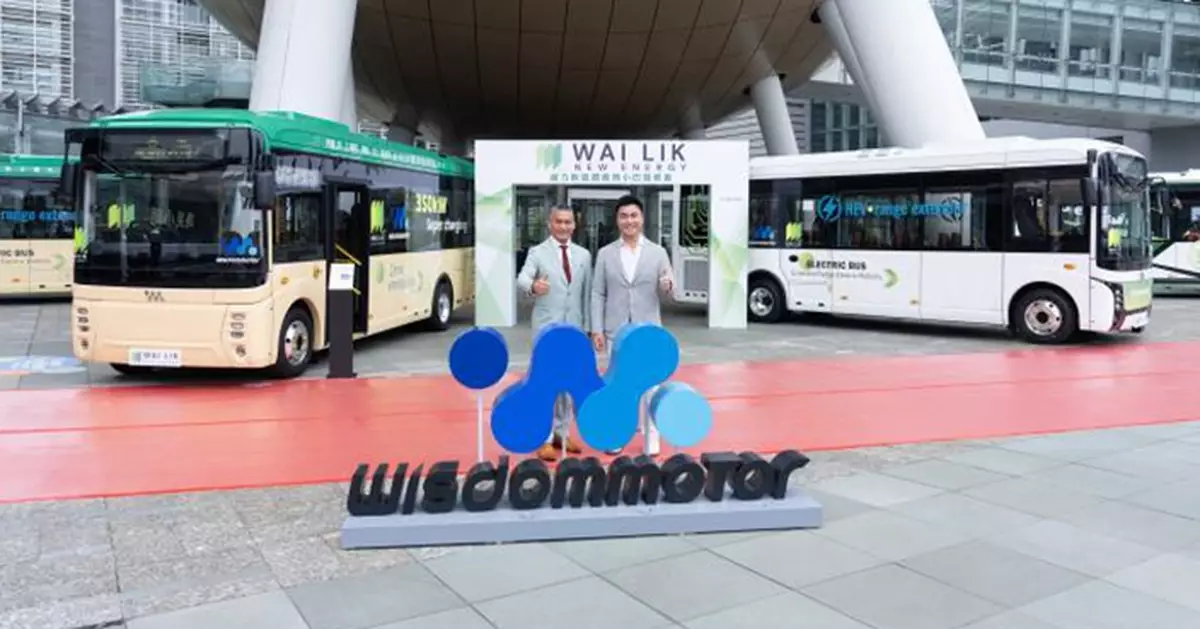
Mr. Ng Chi Wai (left) and Mr. Jacky Ng (right), Photo source: Wai Lik New Energy Company
The biggest R&D challenge was balancing climbing ability, battery capacity, and vehicle weight. Photo source: Wai Lik New Energy Company
The electric minibus can be fully charged in 15 minutes. Photo source: Wai Lik New Energy Company
The first batch of electric minibuses is expected to receive official approval to hit the road this summer. Photo source: Wai Lik New Energy Company
Customized mobile medical vehicles, Photo source: Wai Lik New Energy Company
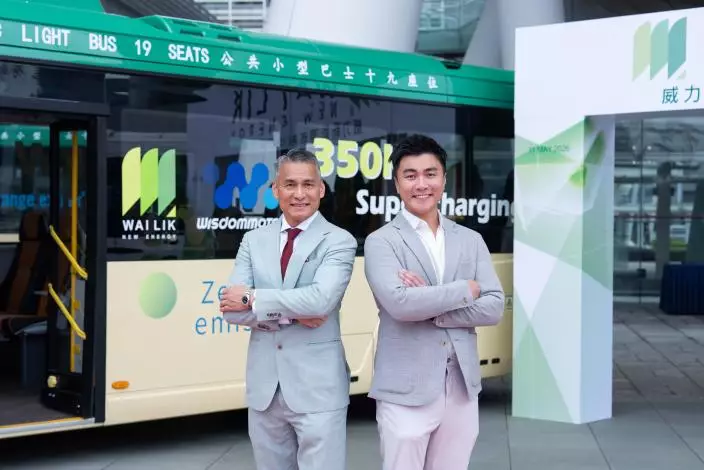
Mr. Ng Chi Wai (left) and Mr. Jacky Ng (right), Photo source: Wai Lik New Energy Company
In an interview with Bastille Post, the company's founder, Mr. Ng Chi Wai, and general manager, Mr. Jacky Ng, explained that three years ago, they had initially planned to replace their existing fleet of light-duty tractors with new energy models. Finding no suitable models available locally, they teamed up with Wisdom Motor to create a "Hong Kong version" of an electric minibus. The first batch is expected to receive official approval to hit the road this summer.
Balancing Climbing Power and Weight
Why did the company choose minibuses over private cars or full-sized buses? According to Mr. Ng Chi Wai, the private car market is dominated by global giants, while the bus sector is firmly held by KMB and Citybus. Minibuses, however, including green minibuses, school buses, tour coaches, NGO vehicles, and estate shuttles, represent a fragmented and underserved market with significant potential. Currently, electric minibuses remain a rarity in Hong Kong.
Jacky noted that through deep engagement with operators, the company found that minibus operations closely resemble logistics fleets in terms of range needs. But pain points are widespread: limited range, long charging times, and poorly suited vehicle dimensions. And with Hong Kong's narrow streets and hilly terrain, the local operating environment is tougher than almost anywhere else.
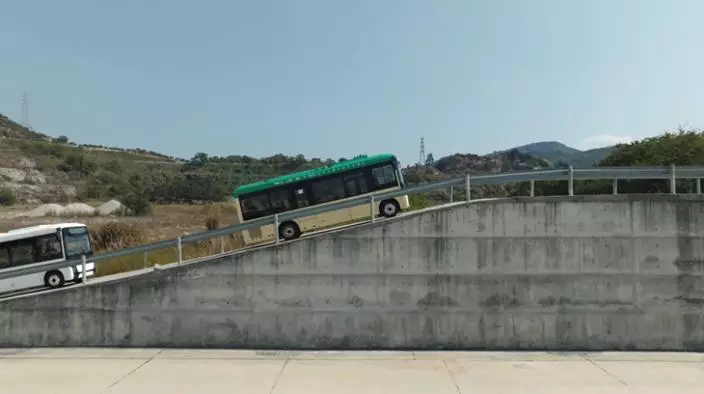
The biggest R&D challenge was balancing climbing ability, battery capacity, and vehicle weight. Photo source: Wai Lik New Energy Company
"The biggest R&D challenge was balancing climbing ability, battery capacity, and vehicle weight," he said. Too much battery capacity compromises vehicle weight; too little kills range. Opting for alternative batteries would, however, lengthen charging time. After countless trials, the company adopted a patented lightweight composite-material body. It settled on an optimal battery-weight solution to ensure performance and durability that meets the highest local commercial standards. The result is a minibus that can handle a 30% gradient, features a low-floor design, and comes equipped with intelligent safety systems, significantly enhancing both safety and practicality.
Two Powertrains, One Green Solution
To get around Hong Kong's charging infrastructure gaps, the company is launching both pure electric and range-extended versions. The range-extended model packs a 49 kWh battery plus a 70-liter diesel generator. The generator only kicks in to recharge the battery when needed, with the wheels always driven by the electric motor. Total range hits about 800 kilometers, far outpacing the roughly 300 km a conventional diesel minibus gets from the same 70 liters of fuel.
The pure electric version, meanwhile, features a 117 kWh battery and 3C supercharging technology, enabling a full charge in just 15 minutes.
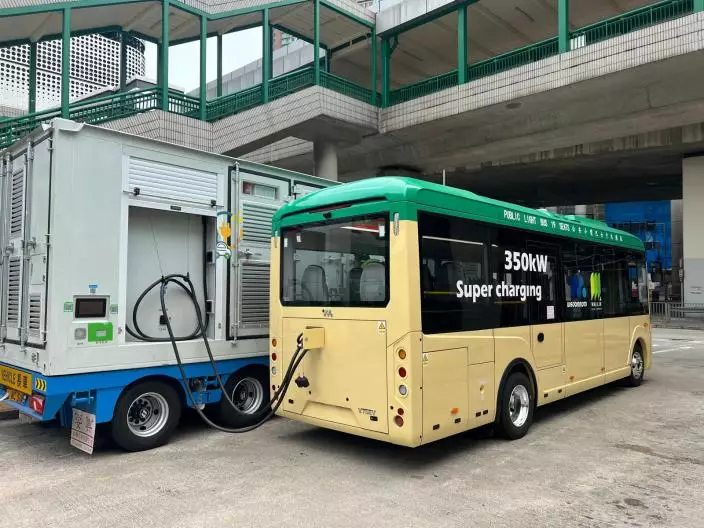
The electric minibus can be fully charged in 15 minutes. Photo source: Wai Lik New Energy Company
"Operators care most about charging time," Jacky said. "We pushed the manufacturer to meet a 15-minute fast-charge standard. That's a revolutionary breakthrough for commercial vehicles."
Beyond technology, the company is also offering a 15-year warranty on the power battery and chassis. As for the 15-year term, Mr. Ng Chi Wai explained that it matches the mandatory retirement age for diesel vehicles in Hong Kong. "This gives owners peace of mind: the vehicle is good for at least 15 years," he said. "Electric vehicles have no mandatory retirement age. They can keep going for 20 or even 25 years, effectively lowering long-term ownership costs." Other components are covered by a three-year or 300,000-kilometer warranty (excluding consumables).
On energy costs, the numbers speak for themselves. Diesel currently runs at HK$35-36 per litre, while 70 litres of diesel would cost over HK$2,000. In comparison, an electric minibus needs about 200 kWh per day. At a price under HK$3 per kWh, a daily maximum cost roughly reaches HK$600. Over time, the savings are substantial for an electric minibus with obvious cost advantages.
First Approvals Expected in June or July
Mr. Ng Chi Wai revealed that six electric minibuses have already arrived in Hong Kong and are awaiting government licensing. Official approval is expected between June and July. He noted that many operators have already taken test drives and are impressed with the driving experience, design flexibility, and overall specifications, calling the electric vehicles a world apart from conventional minibuses.
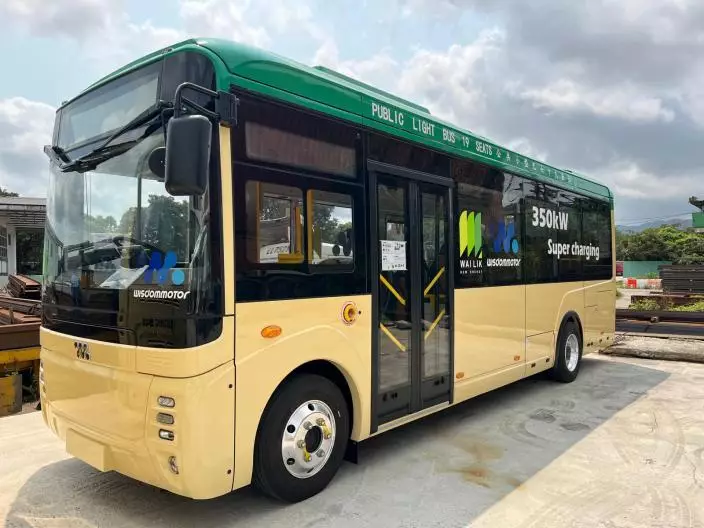
The first batch of electric minibuses is expected to receive official approval to hit the road this summer. Photo source: Wai Lik New Energy Company
The company has signed strategic cooperation agreements with several organizations, including AMS Public Transport, Min Kee Motors, and USTEU, marking the official start of large-scale commercial operations. The company's goal is to capture 50% of Hong Kong's roughly 4,000 green minibuses.
Beyond the standard 19-seat model, the company can tailor vehicles to customer requirements. For example, "customized mobile medical vehicles" developed on the electric minibus chassis, complete with electric wheelchair lifts and space for medical equipment.
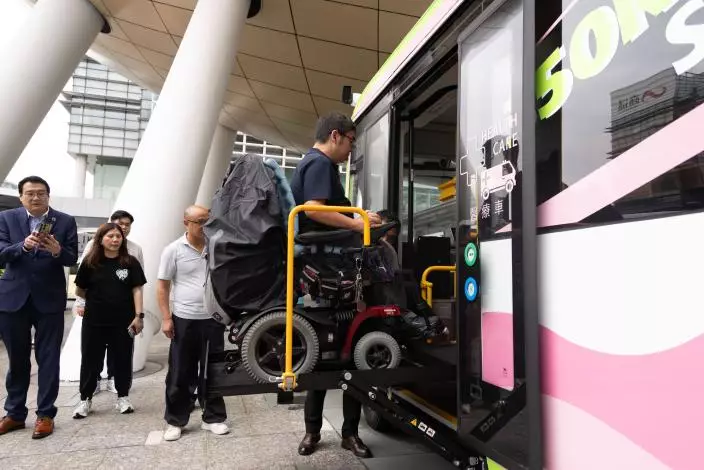
Customized mobile medical vehicles, Photo source: Wai Lik New Energy Company
Looking ahead, Jacky hopes the government will speed up land approvals, enabling charging companies to install more charging equipment more quickly. "The more complete the charging infrastructure, the higher the willingness of operators to switch to electric minibuses," he said.
Mr. Ng Chi Wai added that while private cars, taxis, and buses have already received government subsidies for electrification, minibuses, which carry citizens every day, have been left out. "The government needs to step up and help minibus operators complete their green transformation by offering concrete subsidies for replacement," he said.
Secretary for Health attends World Conference on Traditional Medicine 2026 in Beijing
The Secretary for Health, Professor Lo Chung-mau, led a delegation to attend the World Conference on Traditional Medicine 2026 held in Beijing today (October 17) to have in-depth discussions and exchanges with senior health officials from around the world, as well as experts and academics in the traditional medicine field on issues related to traditional medicine, including legislation, policy and regulation, scientific research, talent cultivation, empowerment of artificial intelligence, as well as promotion of integration of traditional medicine into healthcare service systems.
The conference is jointly organised by the People's Government of Beijing Municipality, the National Health Commission (NHC), the National Administration of Traditional Chinese Medicine and the National Medical Products Administration (NMPA) in collaboration with the World Health Organization. At the opening ceremony, Professor Lo listened to Premier Li Qiang's keynote speech. Speaking at the panel discussions of the traditional medicine government forum, Professor Lo shared with attendees the strategic direction for integrating Chinese medicine (CM) into the healthcare system in Hong Kong.
Professor Lo said, "CM is a treasure of Chinese civilisation. The National 15th Five-Year Plan emphasises the promotion of CM heritage and innovation. It also explicitly calls for improving the CM service system, enhancing primary care-level CM services, and developing integrated Chinese-Western medicine services. To fully align with the country’s vision, the Chief Executive expressly pointed out in the First Five-Year Plan for Economic and Social Development of the Hong Kong Special Administrative Region (HKSAR) (2026-2030) (Hong Kong’s First Five-Year Plan) and the 2026 Policy Address announced last month that Hong Kong will promote comprehensive, high-quality, and high-standard development of CM, thereby ensuring Hong Kong seamlessly aligns with the national development strategy of building a 'Healthy China'.
"The HKSAR Government will step up efforts to promote the development of CM. Through the two flagship institutions, The Chinese Medicine Hospital of Hong Kong (CMHHK) and the Government Chinese Medicines Testing Institute, Hong Kong will strive to promote pure CM and integrated Chinese-Western medicine services as the 'Hong Kong model' in the modern healthcare system. Furthermore, by further advancing local integrated Chinese and Western medicine services and CM talent cultivation, fostering international research collaboration in herb-drug interaction, and establishing rigorous quality standards for Chinese herbal medicines, Hong Kong will fully leverage our role as a bridgehead to provide a high-standard reference model for the world," he added.
During the conference, Professor Lo and his delegation met with Vice Minister of the NHC Mr Zheng Zhe, and the Commissioner of the NMPA, Mr Huang Guo, respectively to introduce to them the healthcare-related policies in Hong Kong's First Five-Year Plan and the Policy Address.
Professor Lo said to Mr Zheng, "With our high-quality healthcare professionals and highly efficient healthcare system, Hong Kong boasts a number of world-leading health indicators, and is among the regions with the longest life expectancies in the world. Hong Kong’s First Five-Year Plan is interconnected with the National 15th Five-Year Plan. In line with the strategic initiative of accelerating the building of a 'Healthy China' of the National 15th Five-Year Plan, Hong Kong's First Five-Year Plan proposes deepening healthcare system reform, advancing the high-quality development of primary healthcare, and enhancing the resilience of Hong Kong’s healthcare services, thereby building a healthy and vibrant Hong Kong with concerted efforts."
He also said, "Building a 'Healthy China' is a major national strategy. In an important speech delivered at the recently convened National Meeting on Health, President Xi Jinping emphasised that the period of the 15th Five-Year Plan is a crucial moment of achieving the goal of building a 'Healthy China' by 2035. To build a balanced, inclusive, high-quality and efficient 'Healthy China', it is necessary to possess six core capabilities in health management, disease prevention and control, healthcare services, health insurance support, health and medical innovation, and talent cultivation. In active alignment with this initiative, the HKSAR Government will advance Hong Kong's First Five-Year Plan, upholding the principle of prevention first and a health-centred approach to deepen healthcare system reform, develop an international health and medical innovation hub, leverage the role as a 'super connector' in healthcare and build a healthy and vibrant Hong Kong with concerted efforts, hence better integrating into and serving the overall development of a 'Healthy China'."
During the meeting with Mr Huang, Professor Lo provided him with details on the latest progress of the establishment of the Hong Kong Centre for Medical Products Regulation (CMPR), including the establishment of the CMPR by the end of this year, the appointment of Mr Li Zili as the Controller for Medical Products Regulation, and the application for accession as a member of the International Council for Harmonisation of Technical Requirements for Pharmaceuticals for Human Use. The CMPR will progressively establish a robust drug approval system, aiming for the full implementation of "primary evaluation" mechanism for new drug registration by 2030, thereby becoming an internationally recognised regulatory authority for medical products.
Members of the Hong Kong delegation include the Director of Health, Dr Ronald Lam, and the Controller-designate for Medical Products Regulation, Mr Li Zili, as well as representatives of the Health Bureau, the Department of Health (DH) and the Hospital Authority. The Hospital Chief Executive of CMHHK, Professor Bian Zhaoxiang, also joined the delegation for the conference.
Members of the Hong Kong delegation will continue to attend the conference tomorrow (October 18). Professor Lo will participate in the high-level government forum: "Belt and Road Traditional Chinese Medicine Development Conference (Ministerial Level) Roundtable Dialogue" at the conference. A representative of the DH will also share the latest progress regarding the regulation of Chinese medicines during the parallel session of the conference. Professor Lo and his delegation will return to Hong Kong tomorrow afternoon (October 18).
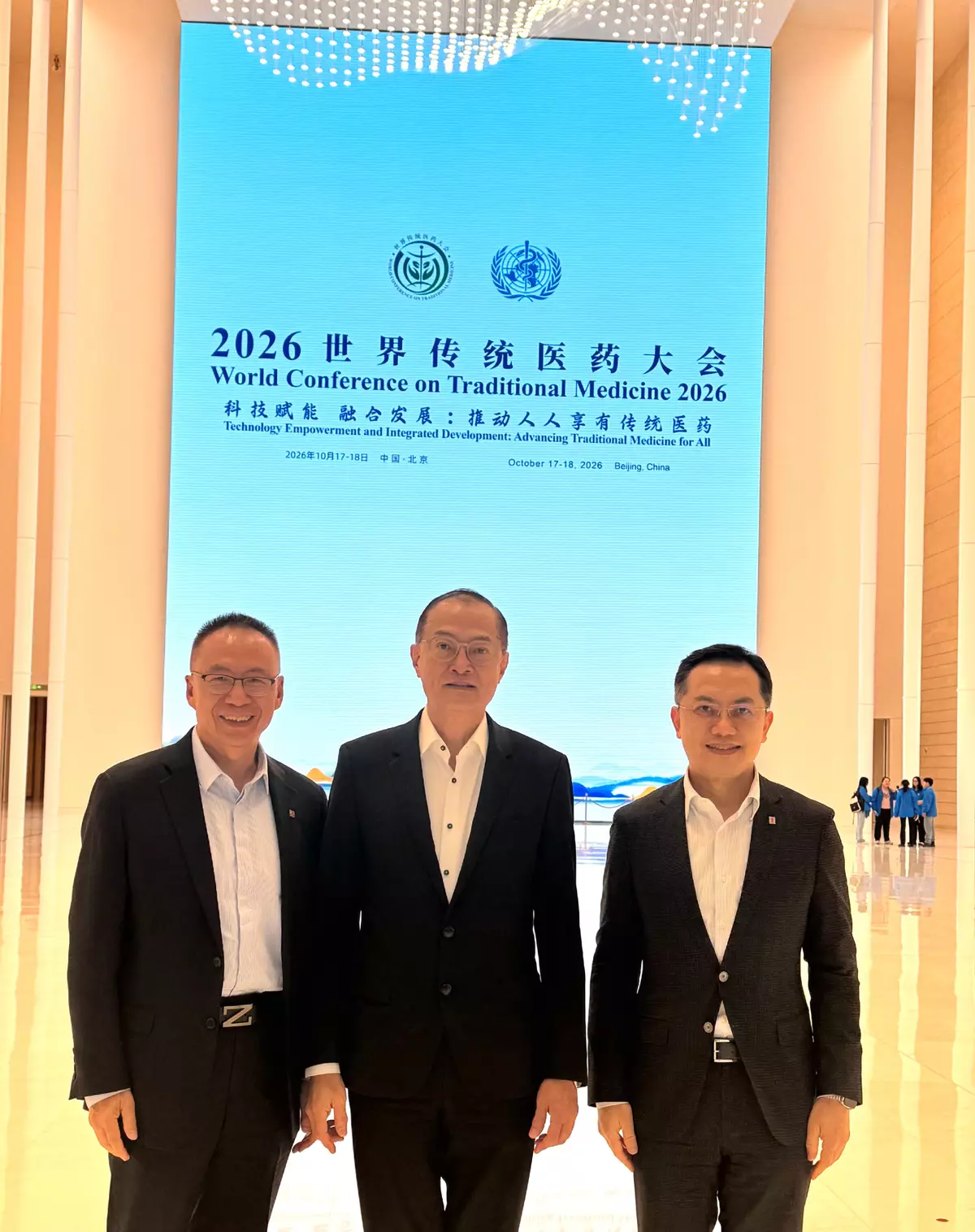
Secretary for Health attends World Conference on Traditional Medicine 2026 in Beijing Source: HKSAR Government Press Releases
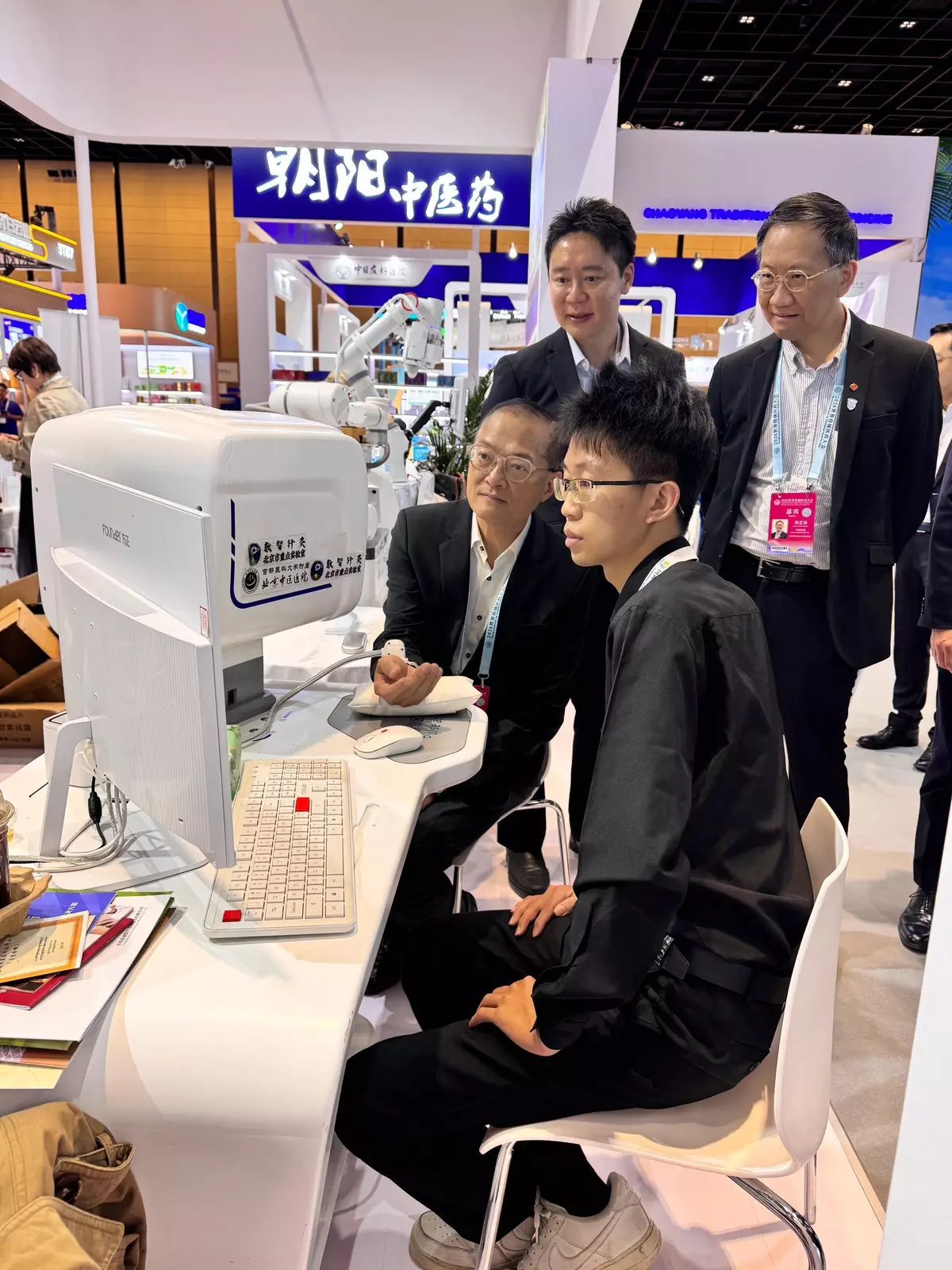
Secretary for Health attends World Conference on Traditional Medicine 2026 in Beijing Source: HKSAR Government Press Releases
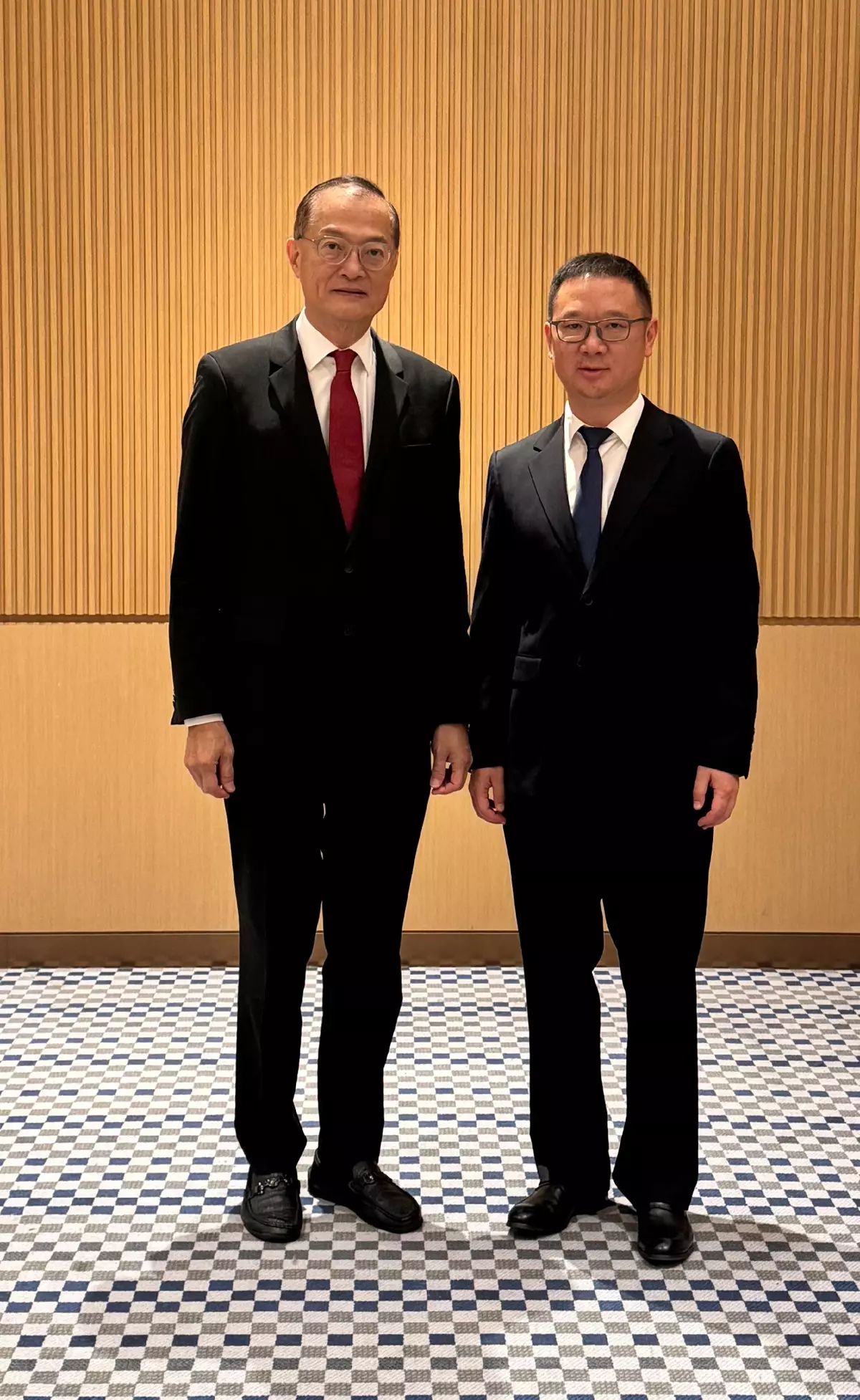
Secretary for Health attends World Conference on Traditional Medicine 2026 in Beijing Source: HKSAR Government Press Releases
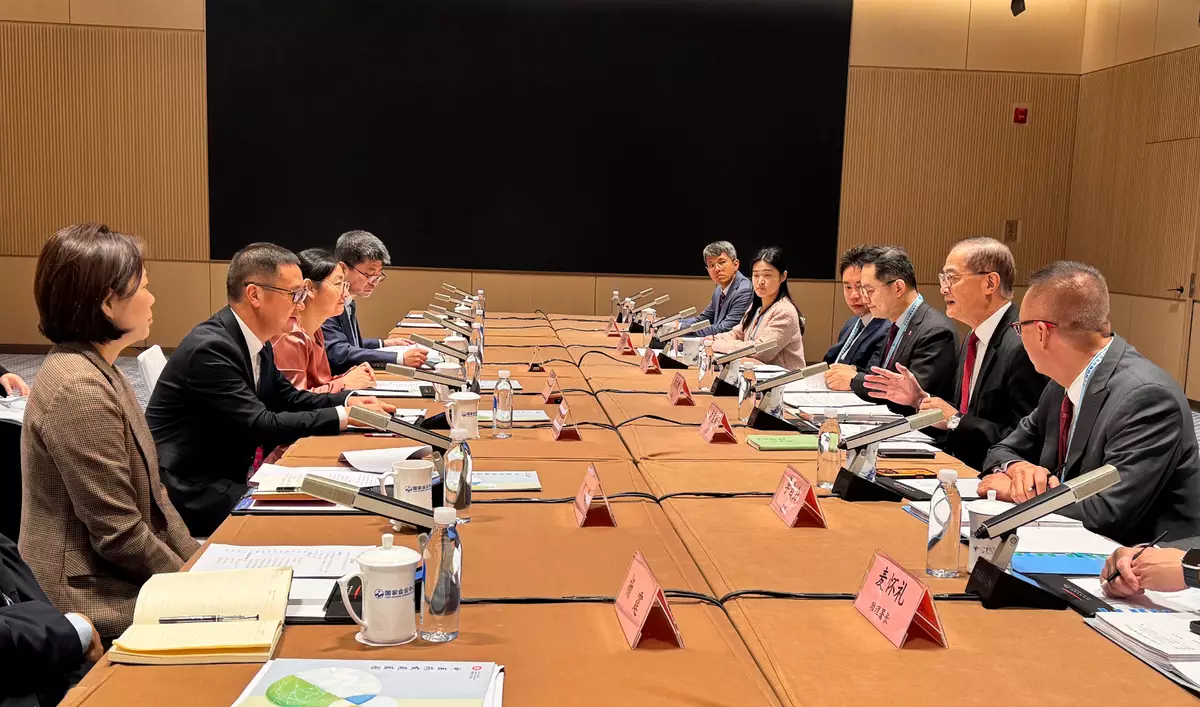
Secretary for Health attends World Conference on Traditional Medicine 2026 in Beijing Source: HKSAR Government Press Releases
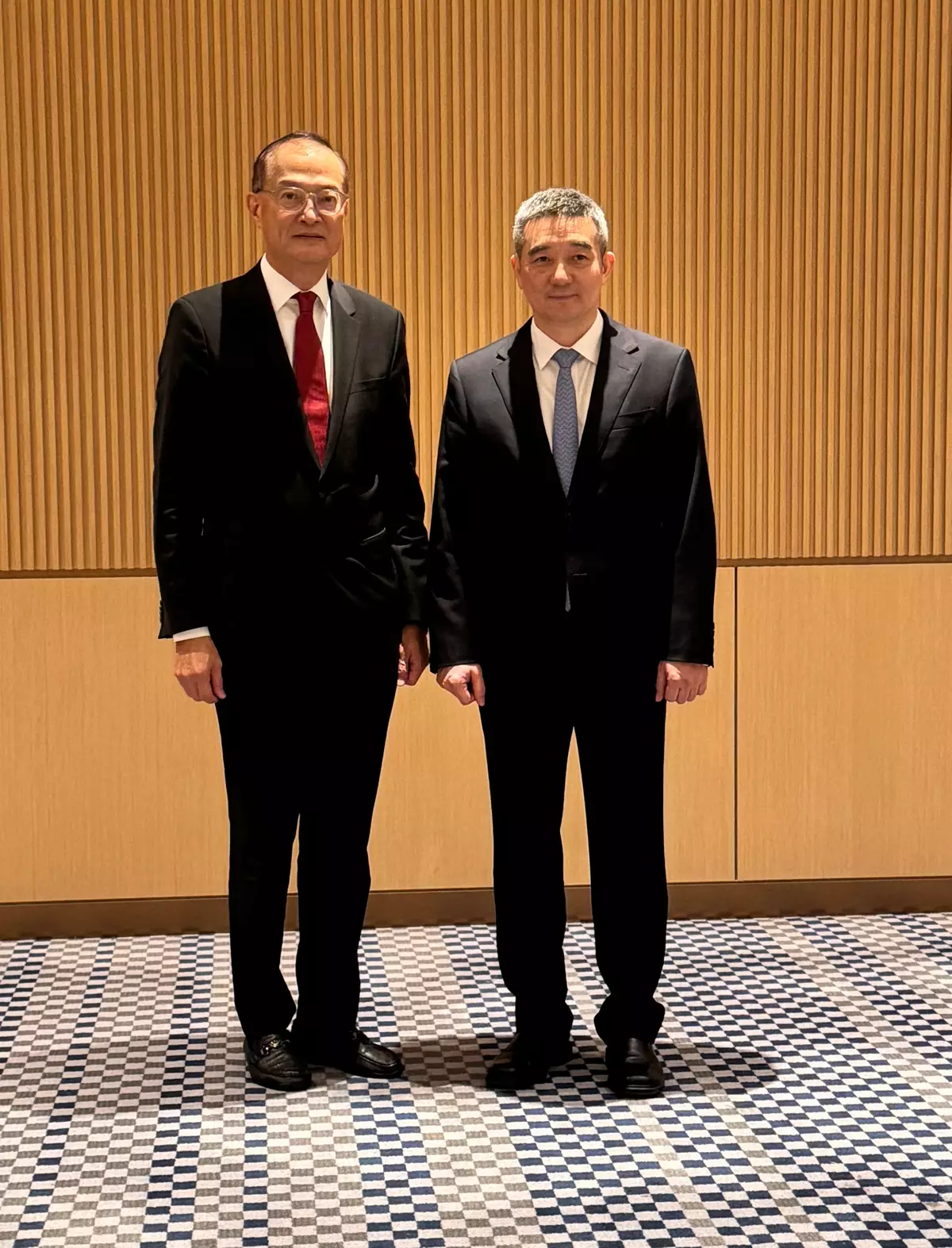
Secretary for Health attends World Conference on Traditional Medicine 2026 in Beijing Source: HKSAR Government Press Releases
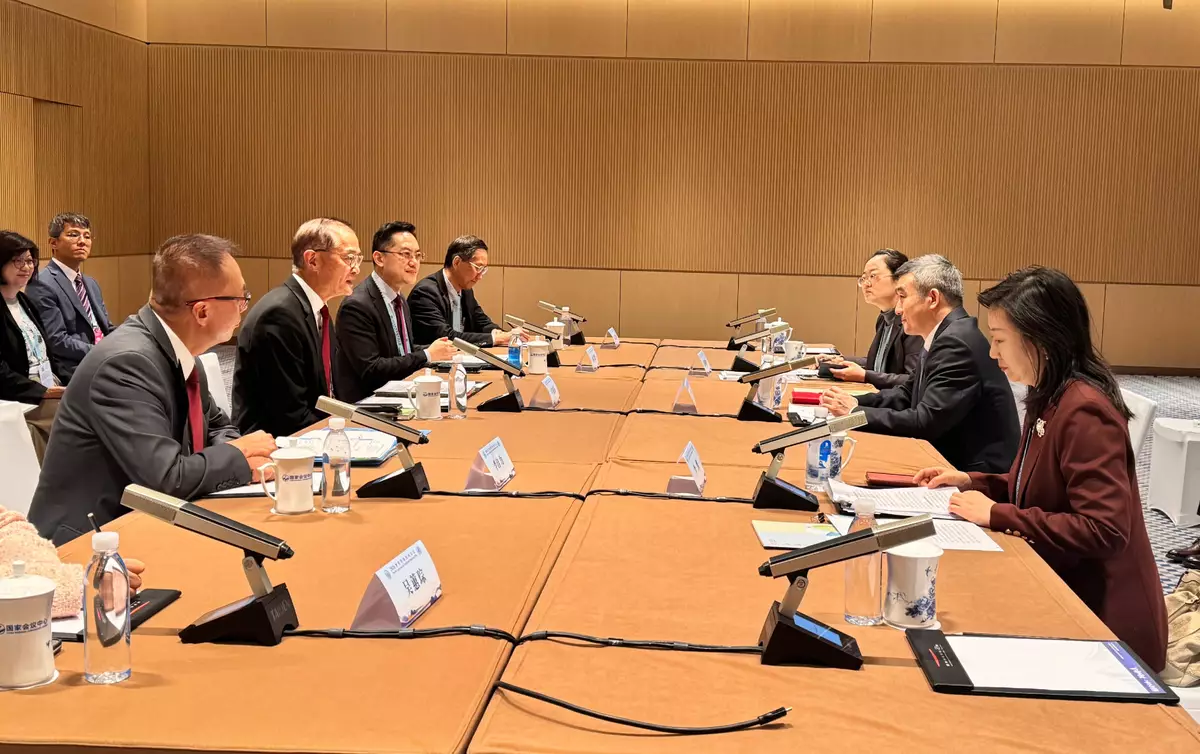
Secretary for Health attends World Conference on Traditional Medicine 2026 in Beijing Source: HKSAR Government Press Releases
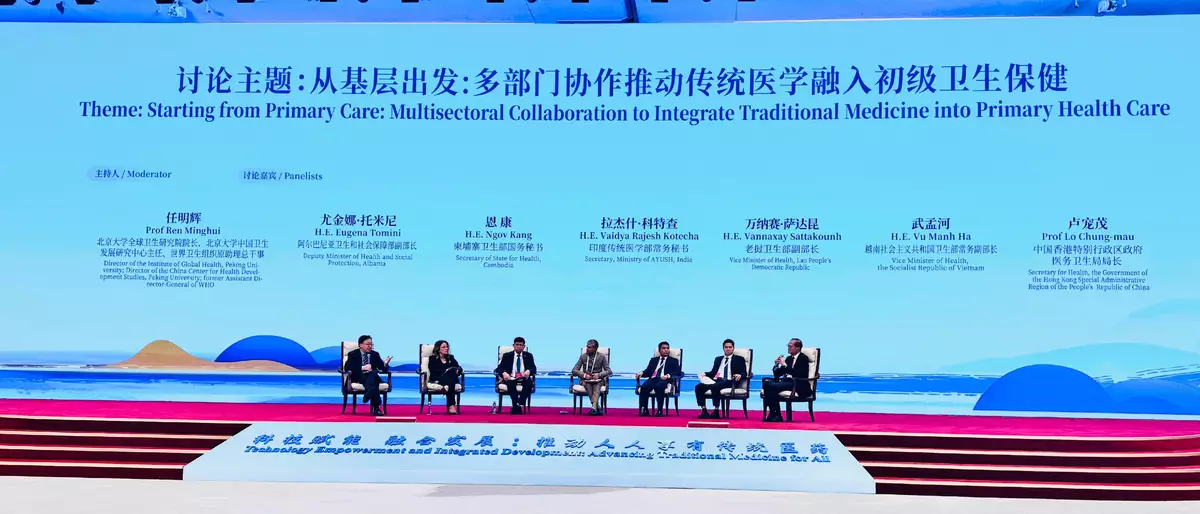
Secretary for Health attends World Conference on Traditional Medicine 2026 in Beijing Source: HKSAR Government Press Releases