DEVB implements "Pay for What You Build" Pilot Scheme and longer-term tenancies arrangements
The Development Bureau (DEVB) announced today (May 29) the implementation of two land lease arrangements to facilitate industry development, which are:
- a three-year "Pay for What You Build" Pilot Scheme, which allows lot owners to carry out non-residential development in phases and pay the required land premium as determined according to the actual gross floor area (GFA) constructed in each phase and the "preferred use" proposed by the lot owner; and
- the arrangement of granting longer-term tenancies of up to 21 years to industries with the support of relevant policy bureaux.
A DEVB spokesman said, "The Policy Address last year proposed to introduce flexible land-grant arrangements such as 'Pay for What You Build' and longer-term tenancies, with a view to reducing initial capital outlay and financing costs, thereby enhancing investment incentives in industry sites and accelerating industry development."
"Pay for What You Build" Pilot Scheme
The "Pay for What You Build" Pilot Scheme is applicable to all lease modification and land exchange applications for non-residential developments throughout the territory. It allows lot owners to carry out phased development, provided that the GFA under the initial phase of the development must amount to at least 60 per cent of the total permissible maximum GFA of the whole development and be completed in time in accordance with the building covenant. The land premium will be assessed based on the full market value of the GFA under the initial phase of the development (i.e. at least 60per cent of the total permissible maximum GFA of the whole development) and the "preferred use" of the land proposed by the lot owners. This arrangement supersedes past practices. Land premium assessment will no longer be based indiscriminately on the permissible maximum GFA of the lot and the use having the highest market value as assumed by the Lands Department.
To optimise land use, the Government expects the developer to decide whether to take forward the development of the remaining portion of the total permissible maximum GFA (i.e. 40per cent or less of the total permissible maximum GFA) through another lease modification application within 10 years after the completion of the initial phase of the development, and pay the land premium at the then prevailing full market value in accordance with the use to be stipulated in the modified lease. Considering that under fragmented ownership, it is generally difficult to reach a consensus among various owners on whether to proceed with the remaining development in the future, the Pilot Scheme will also include safeguard measures. The entire site will be subject to alienation restrictions within 10 years after the completion of the initial phase of development, unless approval is obtained from the Lands Department through a lease modification application to develop the remaining portion of the permissible maximum GFA.
If the developer does not come forward for such a lease modification upon expiry of the 10-year period, the Government may, on application from other lot owners in the district, redeploy the development intensity and infrastructure capacity of the remaining balance of the total permissible maximum GFA of the relevant land to other lots in the district. In other words, although the land owner will retain ownership of the relevant land at that time, there is no guarantee that they can continue to develop the remaining portion beyond the 10-year period. Upon the expiry of the 10-year period, the land owner may apply to remove the alienation restrictions through a lease modification.
The Pilot Scheme will start accepting applications on June 1. Details can be found on the website of the Lands Department. (www.landsd.gov.hk/doc/en/practice-note/lpn/PN 2_2026.pdf)
Providing industries with longer-term tenancies of up to 21 years
The DEVB is also introducing a flexible arrangement on the term of government tenancies. For sites provided through short-term tenancies, the Lands Department may, with policy support of the relevant bureaux, provide longer-term tenancies with a total tenure of all the terms not exceeding 21 years. Specifically, tenants can enjoy renewal option upon the expiration of the first fixed term (up to seven years), maximum for two renewals and up to seven years each time, i.e. the longest possible tenancy arrangement is "7+7+7". The individual tenure may be tailor-made pursuant to the needs of the specific industry. Rent review will take place only when the tenancy is due for renewal having regard to the prevailing market rental, which could increase and decrease.
Compared to the current fixed tenancy term of a maximum of seven years only, the new arrangement of up to 21 years provides greater tenure certainty, and the lengthened payback period is also conducive to industry investment. Furthermore, the rent, once adjusted upon a tenancy renewal, will remain unchanged during that tenancy term, which further enhances investment stability. The arrangement for adjusting rent upon tenancy renewal provides flexibility for both the Government and tenants, allowing market conditions to be reflected in a timely manner. The DEVB will continue to discuss with relevant policy bureaux to identify which government sites are suitable for granting under longer-term tenancies to accelerate industry development. Subject to the fulfilment of the policy objective of promoting industry development, both new tenancy and existing tenancy upon renewal may be considered for the longer-term tenancies arrangement. Details of the arrangement can be found in the relevant circular. (www.devb.gov.hk/filemanager/en/content_2398/DEVB General Circular 2_2026.pdf)
The DEVB has consulted the industries and stakeholders on the "Pay for What You Build" Pilot Scheme and the arrangement of providing industries with longer-term tenancies of up to 21 years. They have expressed support for these two initiatives.
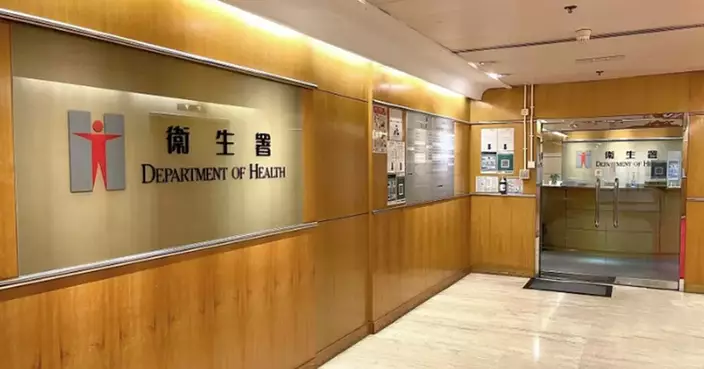
The Development Bureau (DEVB), Photo source: reference image