Skip to Content Facebook Feature Image

Trump claims he's making food more affordable but his examples ignore the big picture

News

Trump claims he's making food more affordable but his examples ignore the big picture
News

News

Trump claims he's making food more affordable but his examples ignore the big picture

2026-05-30 01:21 Last Updated At:01:31

WASHINGTON (AP) — In a Truth Social post on Wednesday, the president proclaimed “TRUMP’S MAKING FOOD AFFORDABLE," and cited falling prices for a range of groceries, including avocados, fresh berries, and a variety of pantry staples. Yet just two weeks earlier the Labor Department had released inflation figures showing grocery prices up nearly 3% in April from a year earlier.

So where's the reality?

More Images
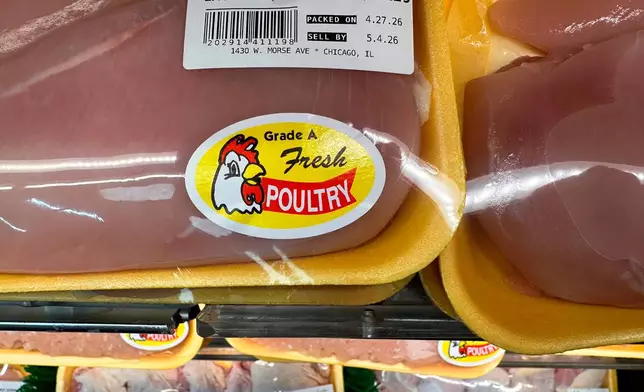
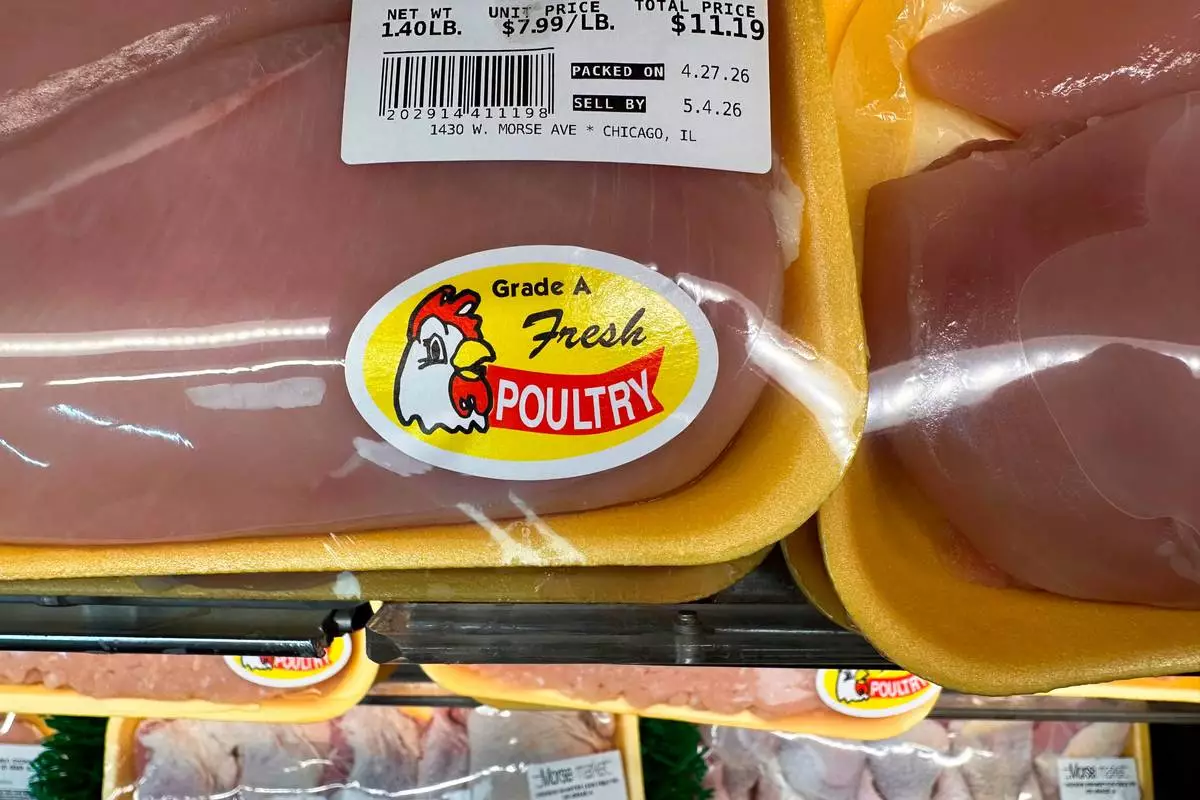
FILE - Chicken is displayed for sale at a grocery store Wednesday, April 29, 2026, in Chicago. (AP Photo/Erin Hooley, File)
FILE - Chicken is displayed for sale at a grocery store Wednesday, April 29, 2026, in Chicago. (AP Photo/Erin Hooley, File)
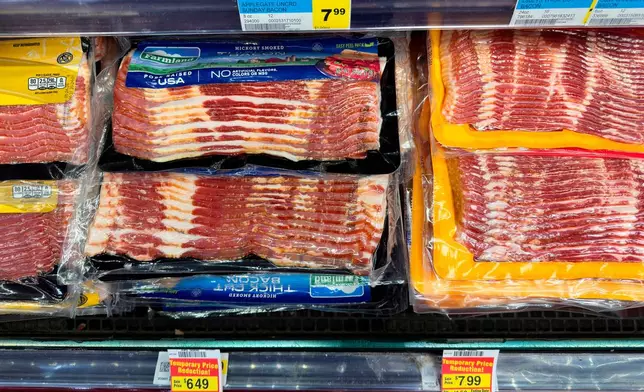
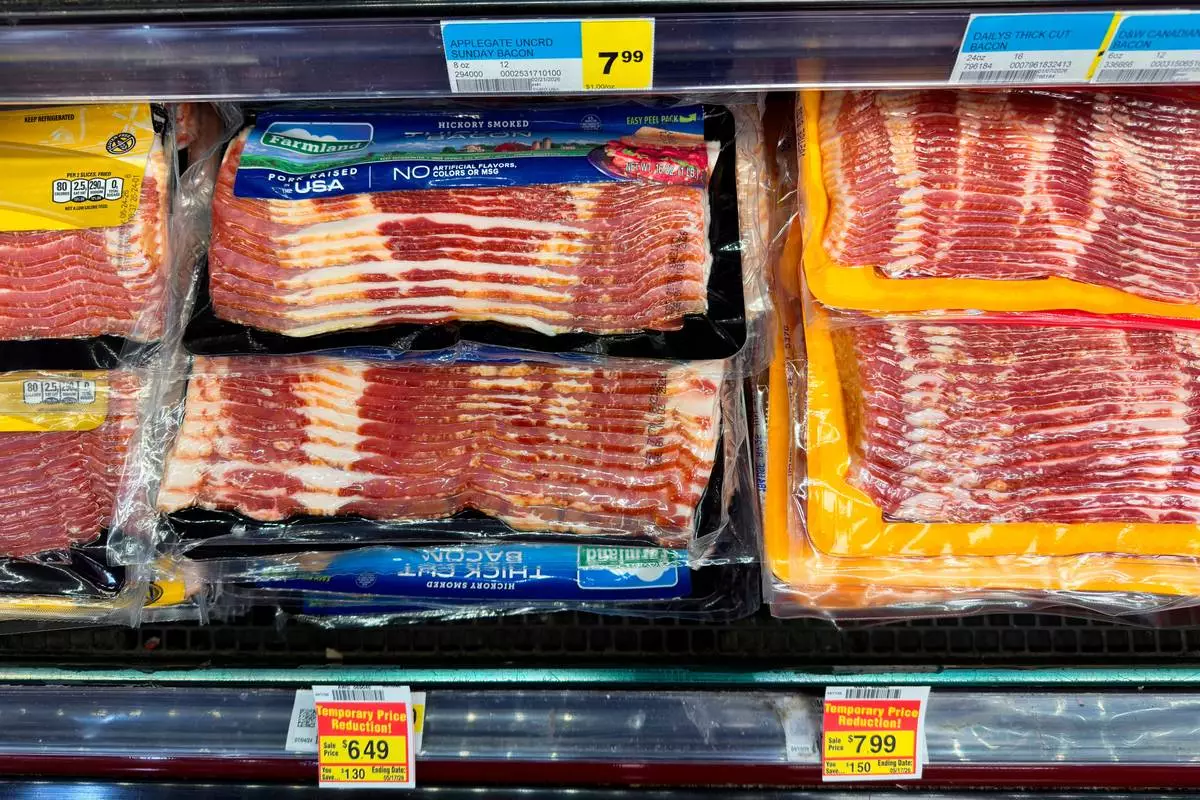
FILE - Bacon is displayed for sale at a grocery store Wednesday, April 29, 2026, in Chicago. (AP Photo/Erin Hooley, File)
FILE - Bacon is displayed for sale at a grocery store Wednesday, April 29, 2026, in Chicago. (AP Photo/Erin Hooley, File)

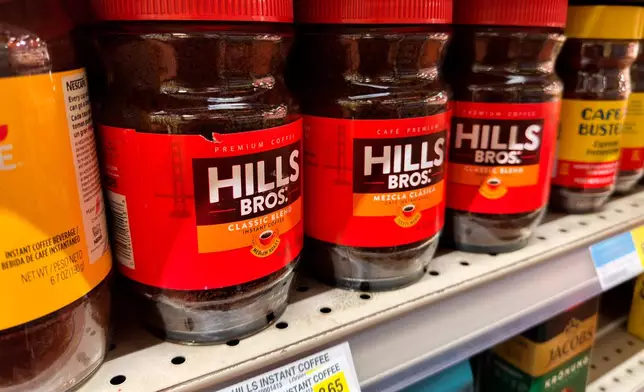
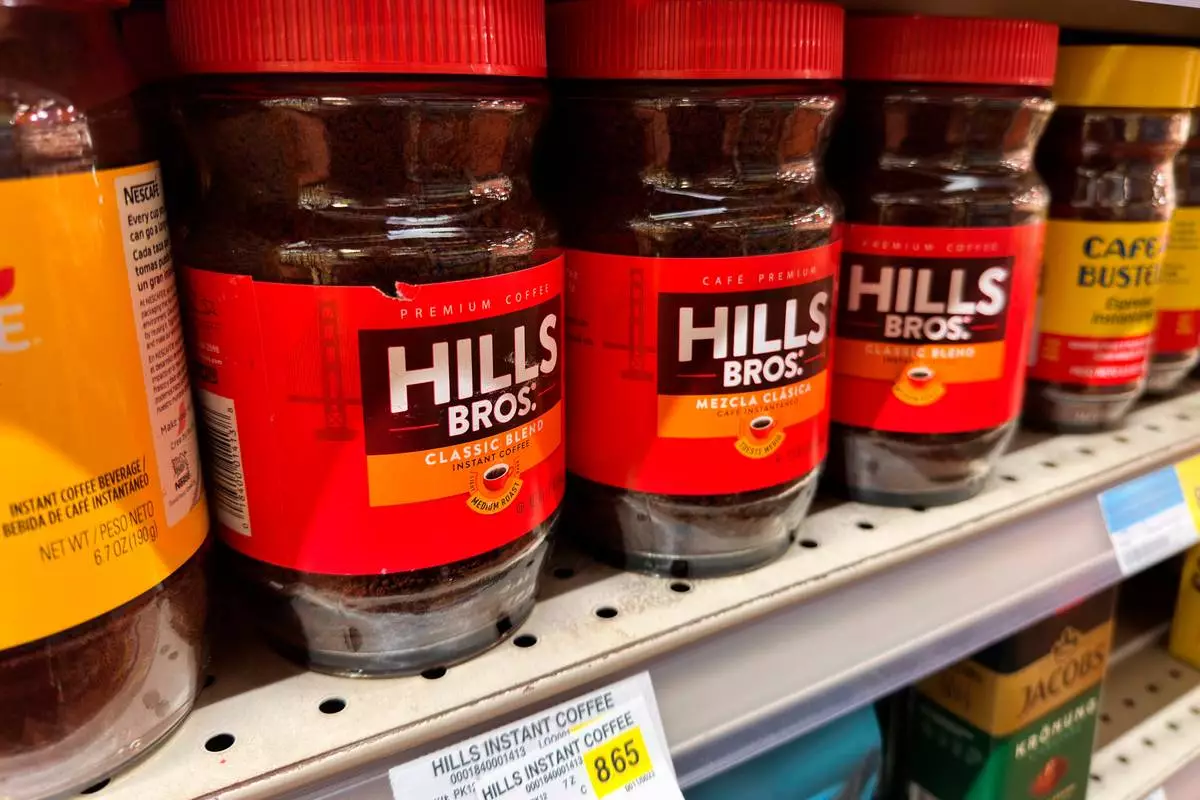
FILE - Coffee is displayed for sale at a grocery store Wednesday, April 29, 2026, in Chicago. (AP Photo/Erin Hooley, File)

FILE - Coffee is displayed for sale at a grocery store Wednesday, April 29, 2026, in Chicago. (AP Photo/Erin Hooley, File)

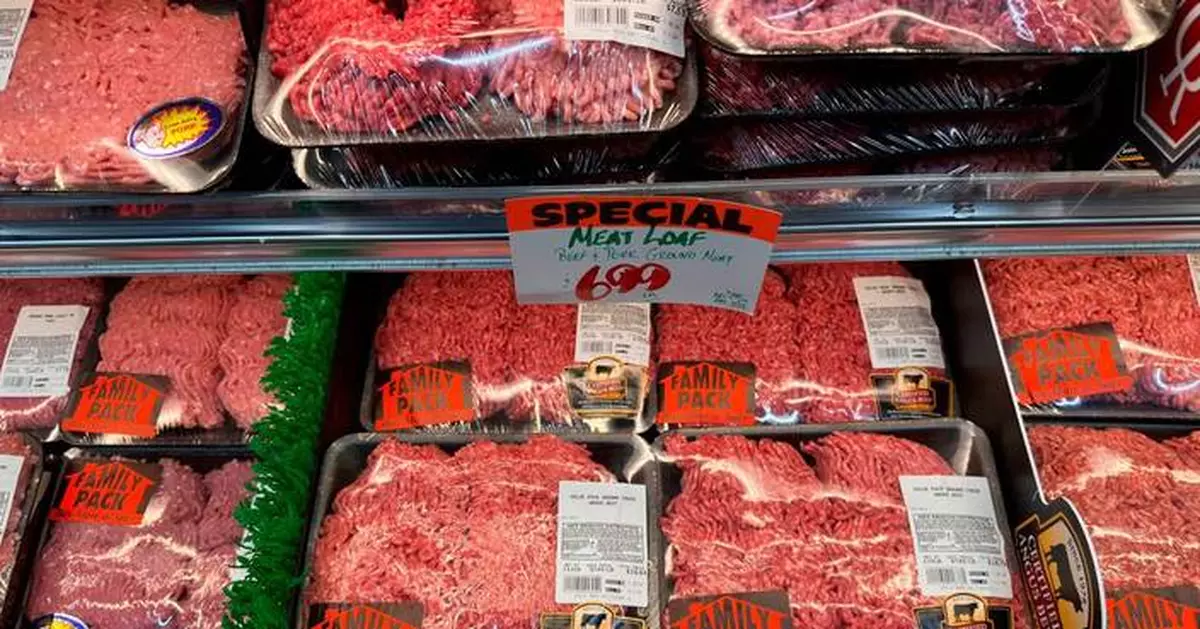
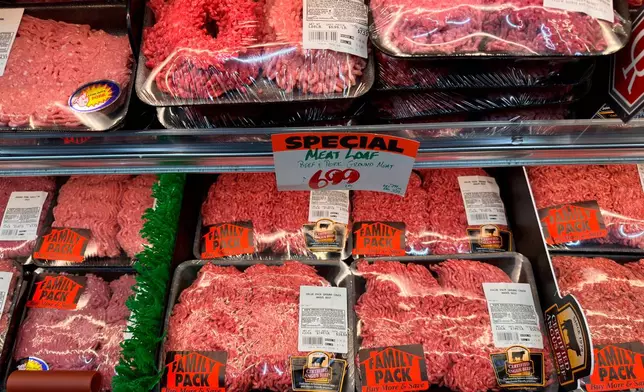
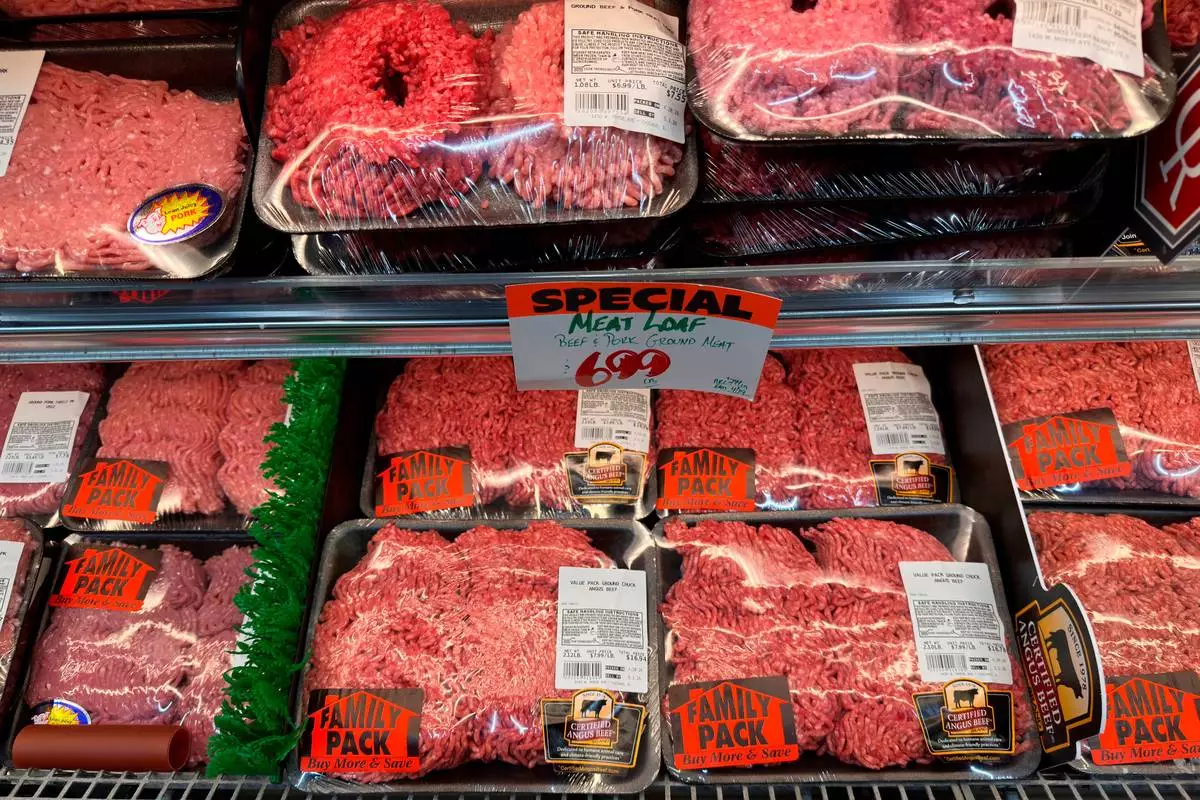
FILE - Beef is displayed for sale at a grocery store Wednesday, April 29, 2026, in Chicago. (AP Photo/Erin Hooley, File)

FILE - Beef is displayed for sale at a grocery store Wednesday, April 29, 2026, in Chicago. (AP Photo/Erin Hooley, File)

The graphic shared by President Donald Trump may be correct about the specific items he listed. It's hard to know because he used data that isn't publicly available and he didn't specify what time frame he used.

But specific grocery items go up and down all the time, and his post ignores the broader reality consumers are facing at the supermarket: Overall, food prices have risen since his inauguration, and at a faster pace than they typically did before the pandemic. Most economists expect them to continue to do so in the coming months as a spike in diesel fuel prices lifts the cost of shipping groceries to stores around the country.

The April gain in grocery prices were the largest in 2 1/2 years. The 2.9% increase is only modestly above the 20-year average of 2.6%, though in the decade before the pandemic, grocery prices rose an average of just 1.1% a year.

And the increase comes after much larger, painful spikes that took place in 2021-22 under former president Joe Biden. Grocery costs soared nearly 28% from just before the pandemic in February 2020 until Trump took office in January 2025.

In his social media post, Trump focused on nine specific items without looking at overall grocery costs. He said that avocado prices have fallen 19%, cheese has dropped 5.6%, fresh berries and butter have dropped 13%, olive oil prices are down 16%, while chicken breasts are down 2.4% and eggs 90%.

Trump's post cited data from Circana, a private company, as published by the U.S. Department of Agriculture. Neither Circana nor USDA responded by press time to requests from The Associated Press. The White House also did not respond to an email seeking comment on the post.

Still, many of Trump's figures are in the ballpark of those in the government's consumer price index, compiled by the Bureau of Labor Statistics, the highest-profile gauge of inflation. That data shows cheese prices falling 3.1% in April compared with a year ago. Egg prices have dropped 39% from a year earlier and 60% from the peak in March 2025, short of Trump's 90% claim.

Many of the items Trump cited have gotten cheaper for reasons that have little to do with broader economic trends. Egg prices have fallen because chicken flocks have recovered after being devastated by the avian flu, and in part because the Trump administration allowed nearly 1 billion eggs to be imported last year.

The price of olive oil has declined recently because its production has recovered after a two-year drought.

Chicken breasts, according to the consumer price index, averaged $4.17 a pound in April, up from $3.97 when Trump was inaugurated. Still, chicken breast prices are down 0.3% from a year earlier. Butter has fallen 5.8% in price in the past year, according to the BLS.

Yet the president left out all the items that have jumped in price and kept grocery costs elevated. Many factors are pushing up food costs, including Trump's own policies: His tariffs have made many imported items more expensive, while droughts are also pushing up prices. A jump in oil prices from the Iran war has made fertilizer more expensive, but the impact of that will take months to show up on grocery store shelves. Pricier diesel fuel is pushing up shipping costs, which effects nearly everything on store shelves.

Consumers paid 6.5% more for fresh fruit and vegetables last month than they did in April 2025, and 8.8% more for meat, according to the Labor Department.

Tomato prices have shot up 40% in the past year after the Trump administration imposed a 17% duty on fresh tomatoes imported from Mexico in July 2025.

And dry weather in the Western U.S. has pushed up beef prices, which in April were 15% higher year-over-year. Coffee prices were up 18.5%, partly due to drought and other weather conditions that have hurt global coffee production.

In consumer confidence surveys, Americans still cite high prices as a top concern. Those surveys have found that consumers generally have a dim outlook on the economy, even as the unemployment rate stays low and the economy continues to grow at a modest pace.

Polls also find that most Americans have soured on Trump's economic policies, and Democrats have benefited in recent elections by raising “affordability” concerns, an issue that is also likely to play a role in this year's midterm elections.
FILE - Chicken is displayed for sale at a grocery store Wednesday, April 29, 2026, in Chicago. (AP Photo/Erin Hooley, File)
FILE - Chicken is displayed for sale at a grocery store Wednesday, April 29, 2026, in Chicago. (AP Photo/Erin Hooley, File)
FILE - Bacon is displayed for sale at a grocery store Wednesday, April 29, 2026, in Chicago. (AP Photo/Erin Hooley, File)
FILE - Bacon is displayed for sale at a grocery store Wednesday, April 29, 2026, in Chicago. (AP Photo/Erin Hooley, File)


FILE - Coffee is displayed for sale at a grocery store Wednesday, April 29, 2026, in Chicago. (AP Photo/Erin Hooley, File)
FILE - Coffee is displayed for sale at a grocery store Wednesday, April 29, 2026, in Chicago. (AP Photo/Erin Hooley, File)
FILE - Beef is displayed for sale at a grocery store Wednesday, April 29, 2026, in Chicago. (AP Photo/Erin Hooley, File)
FILE - Beef is displayed for sale at a grocery store Wednesday, April 29, 2026, in Chicago. (AP Photo/Erin Hooley, File)
Stocks rose on Wall Street in afternoon trading Friday, adding to the all-time highs they set a day earlier.

The S&P 500 rose 0.3% Friday. The index is coming off six gains in a row and is headed for a ninth straight winning week, which would be the longest such streak since 2023.

The Dow Jones Industrial Average rose 349 points, or 0.7%, as of 1:18 p.m. Eastern. The Nasdaq composite rose 0.3%. Every major index is on track for records and to close out May with solid gains.

Markets in Europe and Asia mostly rose.

Technology stocks lead the gains. Dell Technologies surged 28.7% after after delivering profits that blew past expectations. The company also raised its outlook, citing powerful demand for AI computing.

Microsoft rose 3.9% and Broadcom rose 2.9%. Big technology stocks have been behind much of the market’s record-breaking streak. Their pricey stock values give them more influence in directing the market higher or lower. In May alone, technology stocks within the S&P 500 rose more than 15%, while most of the sectors in the benchmark index actually lost ground.

“The rally has been largely tech-led and supported by resilient earnings, but the key question is whether it can be sustained,” wrote Angelo Kourkafas, senior global strategist at Edward Jones, in a research note.

Wall Street has been gaining ground against worries that the U.S. war with Iran is worsening inflation and jeopardizing economic growth.

The U.S. and Iran are reportedly working toward a deal to extend a ceasefire. That eased pressure on oil prices. Brent crude, the international standard, fell 2.1% to $90.78 a barrel. It is still well above the $70 per barrel level in late February before the war began. Benchmark U.S. crude fell 2.3% to $86.89 per barrel.

Treasury yields held relatively steady as oil prices fell. The yield on the 10-year Treasury fell to 4.44% from 4.45% from late Thursday.

High oil prices remain a key concern for Wall Street. The war has stifled the flow of oil shipments through the Strait of Hormuz. Roughly a fifth of the world’s oil and natural gas is shipped through the waterway.

That has pushed up prices for gasoline and a wide range of goods, feeding inflation and squeezing consumers and businesses. Prices were already rising before the war began from the ongoing impact of tariffs.

Several reports this week reflected inflation’s rise and impact on consumers. A measure of inflation preferred by the Federal Reserve accelerated in April to its highest level in three years. Consumer confidence is slipping amid the squeeze from rising inflation.

Wall Street’s worries about rising inflation have been somewhat muted by the latest round of corporate profit reports. Companies in the S&P 500 have reported profit growth of 28% overall for the most recent quarter, according to FactSet. The overwhelming majority of companies in the S&P 500 have already reported their latest results. That could mean investors’ focus may shift back toward inflation, consumers’ behavior and the Fed’s path ahead for interest rates.

The Fed has been holding its benchmark interest rate steady as it closely watches rising inflation. It is expected to continue holding rates steady at its next meeting in June and through the year, according to CME’s FedWatch tool. Cutting interest rates could help lower borrowing costs and give the economy a jolt, but it could also worsen inflation at time when prices are already high and rising.

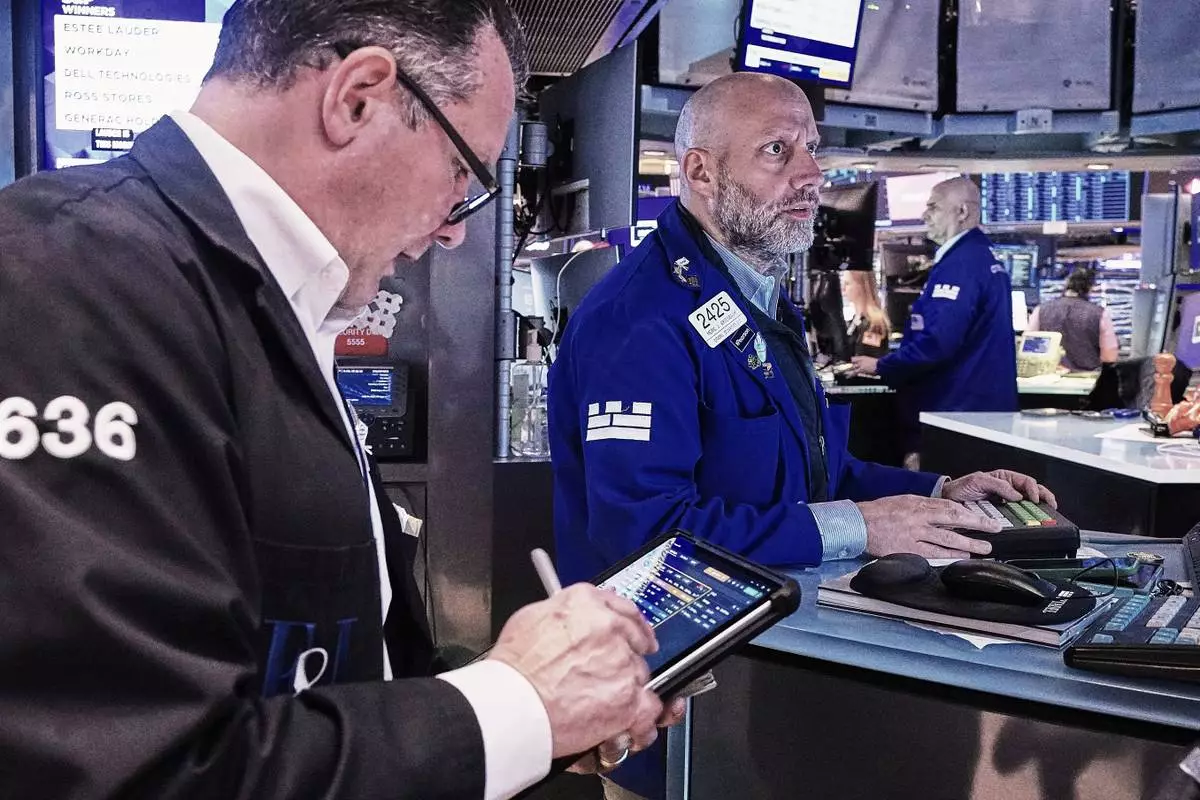
Trader James Lamb works on the floor of the New York Stock Exchange, Friday, May 22, 2026. (AP Photo/Richard Drew)

Trader James Lamb works on the floor of the New York Stock Exchange, Friday, May 22, 2026. (AP Photo/Richard Drew)

Trader Edward Curran, left, and specialist Meric Greenbaum, center, work on the floor of the New York Stock Exchange, Friday, May 22, 2026. (AP Photo/Richard Drew)

Trader Edward Curran, left, and specialist Meric Greenbaum, center, work on the floor of the New York Stock Exchange, Friday, May 22, 2026. (AP Photo/Richard Drew)

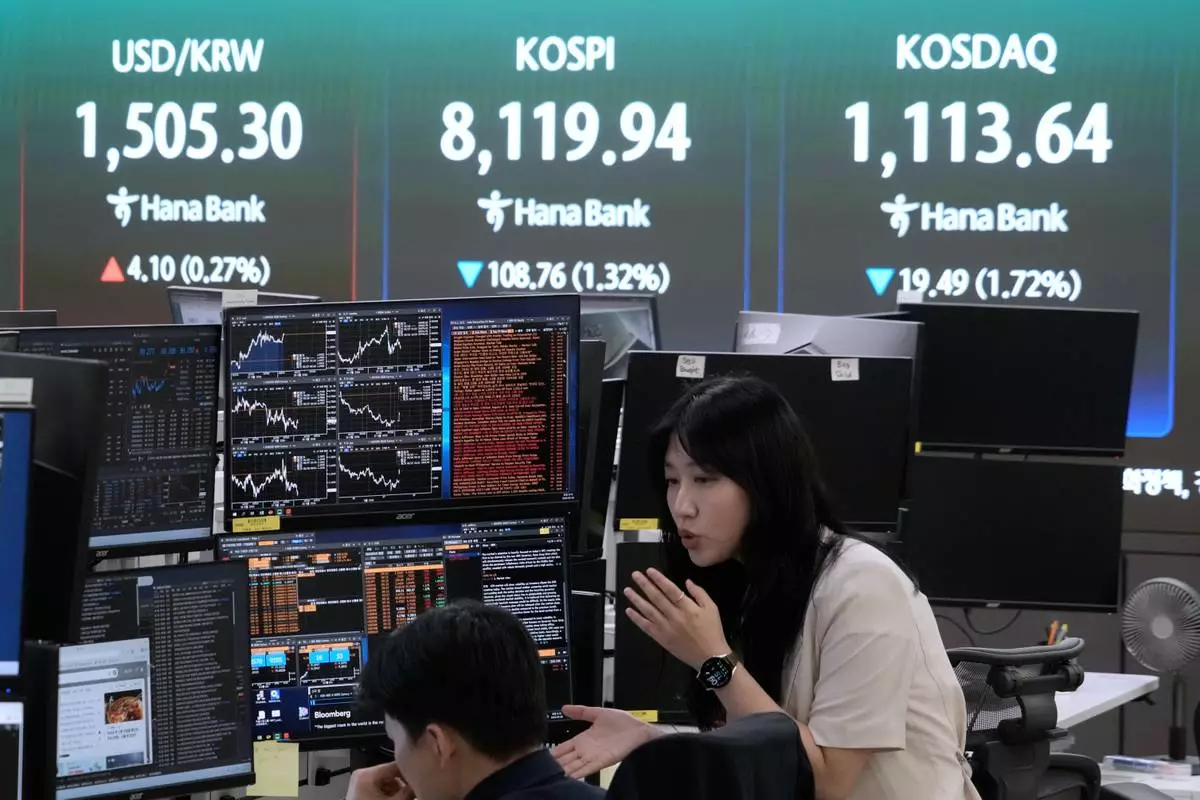
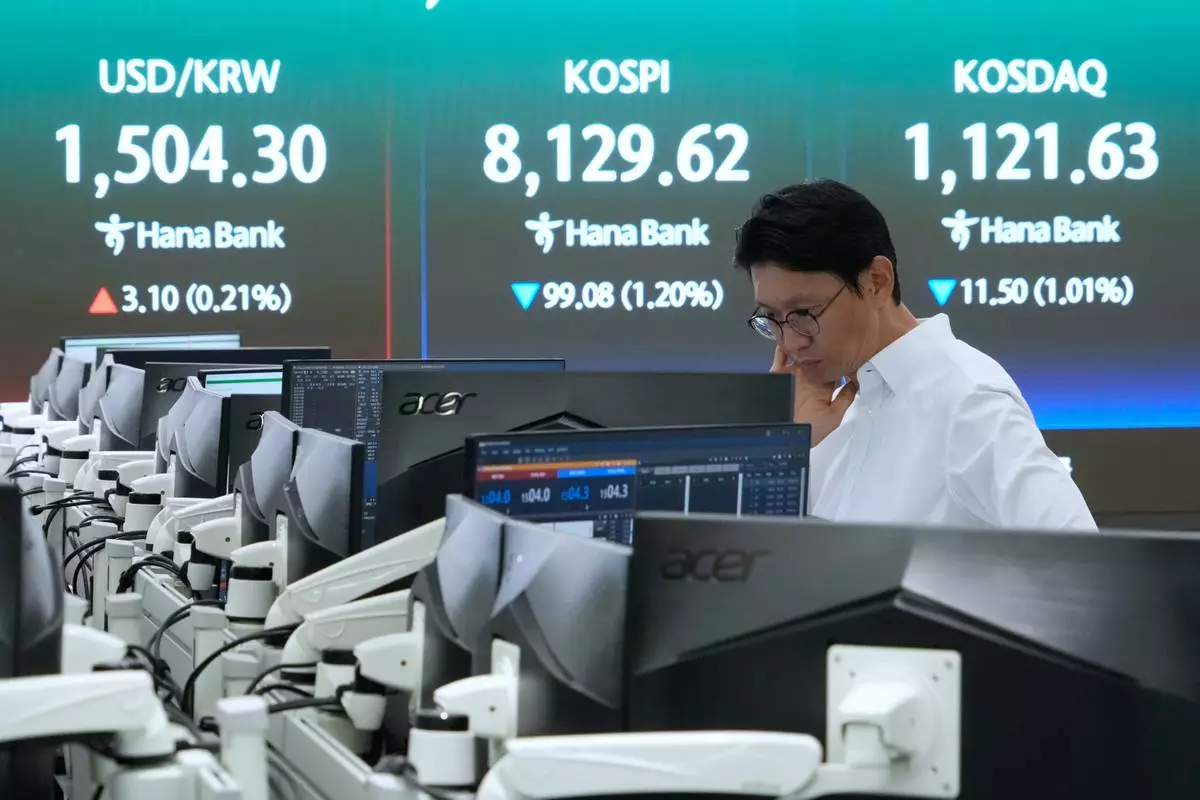
Currency traders work near a screen showing the Korea Composite Stock Price Index (KOSPI), top center, and the foreign exchange rate between U.S. dollar and South Korean won, top left, at the foreign exchange dealing room of the Hana Bank headquarters in Seoul, South Korea, Thursday, May 28, 2026. (AP Photo/Ahn Young-joon)

Currency traders work near a screen showing the Korea Composite Stock Price Index (KOSPI), top center, and the foreign exchange rate between U.S. dollar and South Korean won, top left, at the foreign exchange dealing room of the Hana Bank headquarters in Seoul, South Korea, Thursday, May 28, 2026. (AP Photo/Ahn Young-joon)

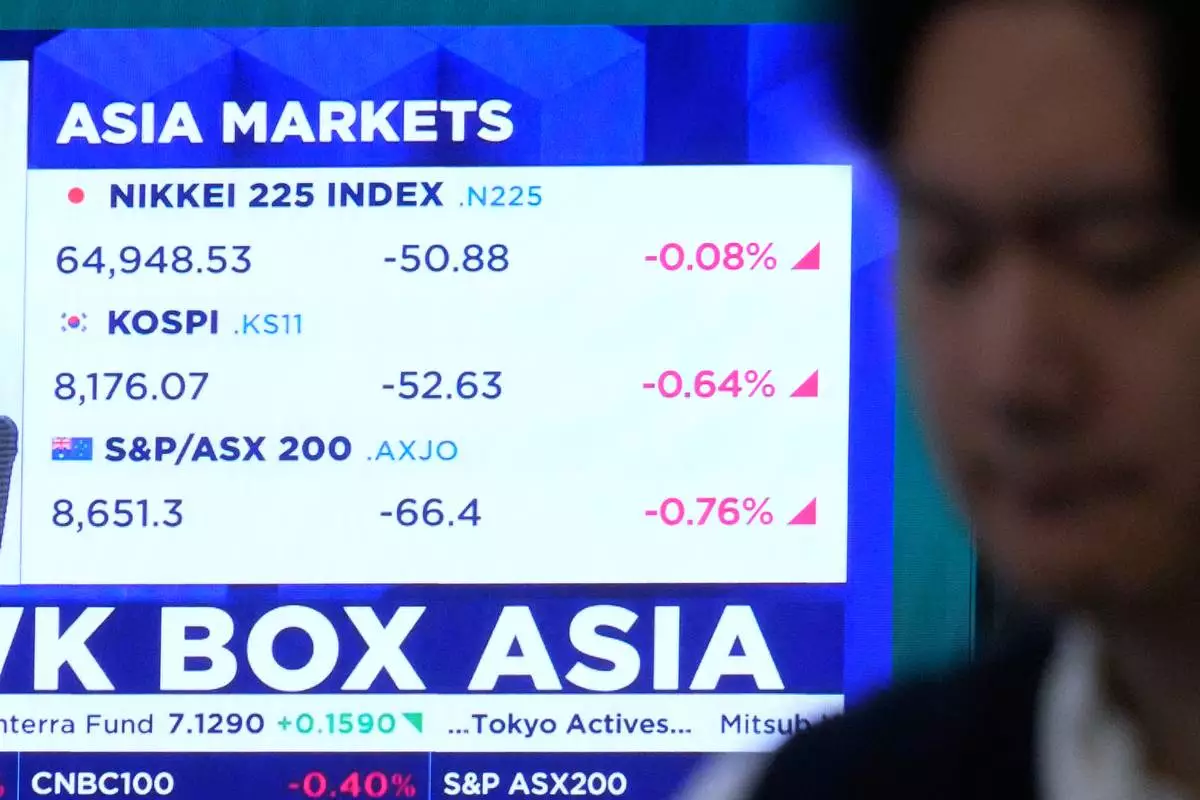
Asia markets index of Japan, South Korea and Australia is seen on a screen at the foreign exchange dealing room of the Hana Bank headquarters in Seoul, South Korea, Thursday, May 28, 2026. (AP Photo/Ahn Young-joon)

Asia markets index of Japan, South Korea and Australia is seen on a screen at the foreign exchange dealing room of the Hana Bank headquarters in Seoul, South Korea, Thursday, May 28, 2026. (AP Photo/Ahn Young-joon)

A currency trader watches monitors near a screen showing the Korea Composite Stock Price Index (KOSPI), top center, and the foreign exchange rate between U.S. dollar and South Korean won, top left, at the foreign exchange dealing room of the Hana Bank headquarters in Seoul, South Korea, Thursday, May 28, 2026. (AP Photo/Ahn Young-joon)

A currency trader watches monitors near a screen showing the Korea Composite Stock Price Index (KOSPI), top center, and the foreign exchange rate between U.S. dollar and South Korean won, top left, at the foreign exchange dealing room of the Hana Bank headquarters in Seoul, South Korea, Thursday, May 28, 2026. (AP Photo/Ahn Young-joon)

Trader Robert Arciero works on the floor of the New York Stock Exchange, Friday, May 22, 2026. (AP Photo/Richard Drew)

Trader Robert Arciero works on the floor of the New York Stock Exchange, Friday, May 22, 2026. (AP Photo/Richard Drew)

Recommended Articles