The fuel crisis across parts of Africa has renewed calls for the continent to reduce its reliance on imported refined petroleum products and boost domestic energy self-sufficiency.
Despite being home to major oil producers, Africa depends heavily on imports of petrol and diesel due to limited local refining capacity. The continent exports raw crude oil while spending billions to import finished fuels, a cycle economists say costs African economies more than 80 billion U.S. dollars annually.
Africa imports an estimated 1.5 million to 2 million barrels of refined petroleum products daily, primarily from the Middle East, according to industry data.
The International Monetary Fund identifies four nations as the dominant forces in African crude production. Nigeria leads Sub-Saharan Africa with output exceeding 1.6 million barrels per day and holds significant reserves of light, low-sulfur crude. Libya possesses the continent's largest proven reserves at over 48 billion barrels and produces more than 1.3 million barrels per day despite periodic political instability. Algeria produces over 1 million barrels per day, serving as a key supplier to Europe, while Angola also outputs roughly 1 million barrels per day.
Infrastructure improvements are underway. In West Africa, Nigeria's Dangote Refinery has scaled up operations with a capacity of 650,000 barrels per day. The facility now meets nearly 80 percent of Nigeria's domestic petrol needs, significantly reducing the country's import dependency. Angola is reportedly pursuing similar downstream projects.
At a recent regional summit, officials discussed plans for a joint refinery in Tanga, Tanzania. The proposed facility would pool resources to refine crude oil from Uganda, Kenya, South Sudan and the Democratic Republic of the Congo.
Debate continues over the timing of these investments. Skeptics argue that multi-billion-dollar oil refineries risk becoming stranded assets as the global economy shifts toward renewable energy. However, East African leaders maintain that immediate action is necessary to address current energy shortages.
Beyond fossil fuels, Africa holds 60 percent of the world's highest-quality solar resources along with substantial wind and hydropower potential. Yet, the International Energy Agency reports that the continent utilizes less than 6 percent of its solar capacity and leaves 85 percent of its hydropower potential untapped.
High interest rates make financing green energy projects expensive, and weak local electricity grids struggle to distribute power efficiently, the agency said.
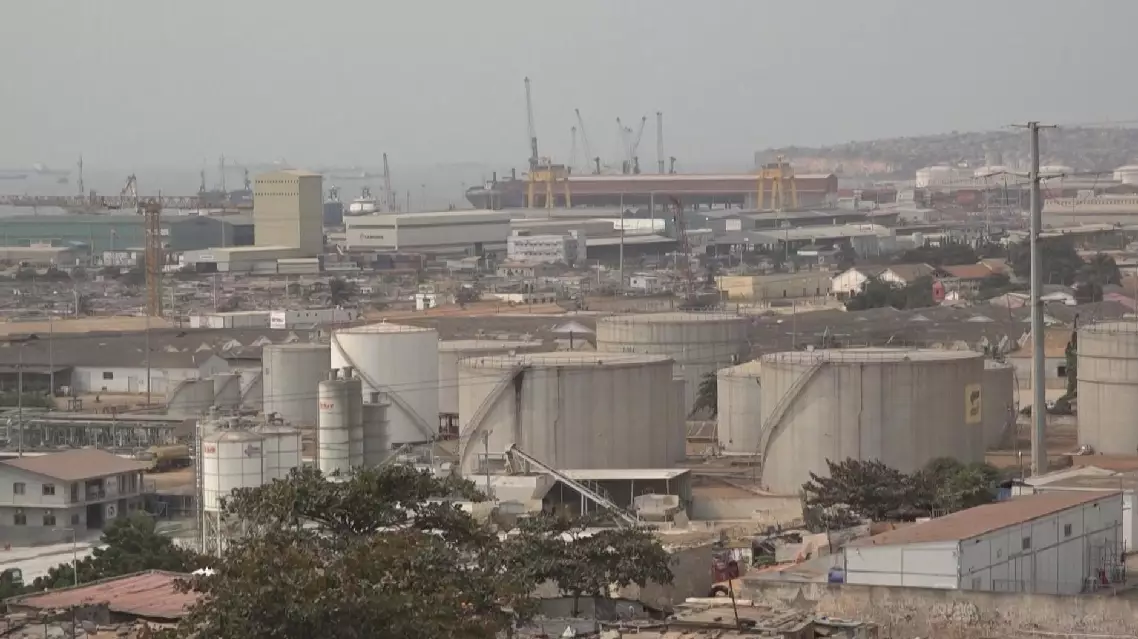
Calls grow for Africa to achieve energy self-sufficiency