The heads of the International Energy Agency, International Monetary Fund, World Bank and World Trade Organization warned on Friday that the conflict in the Middle East is putting pressure on global oil supplies and creating growing challenges for markets and the broader economy.
The leaders of the four institutions met on Thursday as part of a high-level coordination group established in April to maximize their response to the energy, trade and economic impacts of the war in the Middle East.
In a joint statement issued a day later, they said global oil stockpiles were shrinking at an unprecedented rate in response to a major disruption to supplies through the Strait of Hormuz.
They warned that unless maritime traffic returns to normal, inventories could continue to fall ahead of the Northern Hemisphere's peak summer oil demand season, heightening concerns over fuel security, market conditions and economic resilience.
The institutions also said the conflict continues to have substantial and highly uneven effects on energy supplies, food security and economic activity across the world.
Although the global economy has remained resilient, they said the burden of the crisis is falling disproportionately on the most vulnerable countries.
On Feb 28, Israel and the United States launched joint attacks on Tehran and several other Iranian cities, killing Iran's Supreme Leader Ali Khamenei, along with senior military commanders and civilians. Iran responded by launching waves of missile and drone strikes targeting Israel and U.S. assets in the Middle East, and exercising control over traffic through the Strait of Hormuz.
Iran, the United States and Israel reached a ceasefire on April 8 after 40 days of fighting. Over the past few weeks, the two sides have exchanged proposals via Pakistani mediation. In recent days, they have been working to finalize a memorandum of understanding to halt the war.
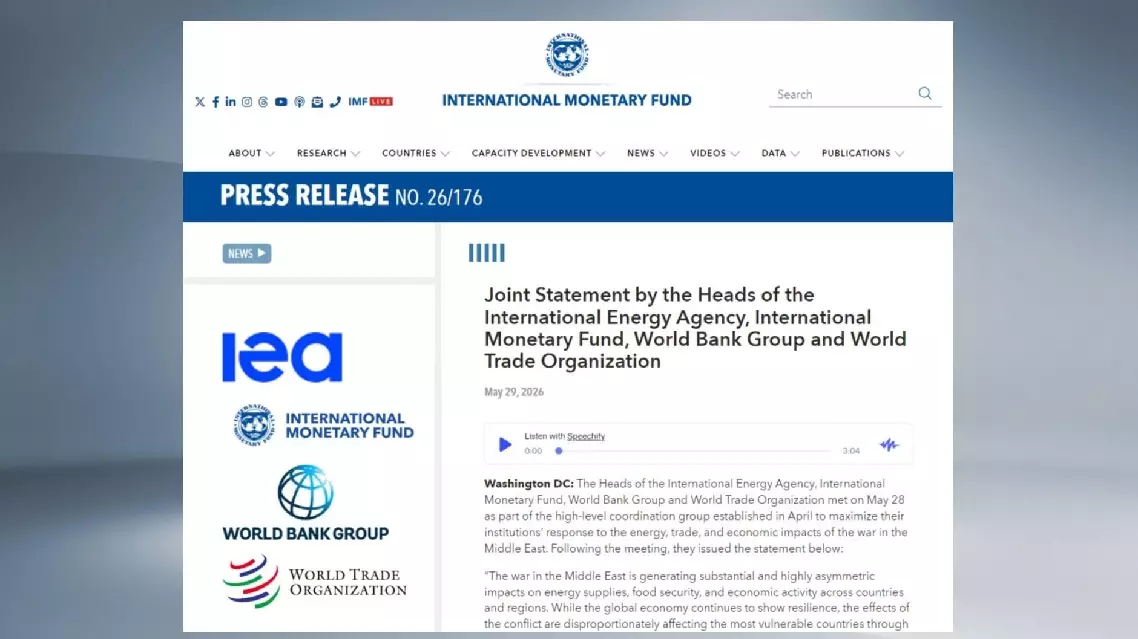
Global economic bodies warn Middle East conflict is straining oil supplies, markets
Iran's parliament is set to vote on a bill that would formalize the country's management of the Strait of Hormuz, a senior lawmaker said Saturday, while the U.S.-led Joint Maritime Information Center (JMIC) said Washington's blockade of Iranian ports remains in place.
Alaeddin Salimi, a member of the Iranian parliament's presiding board, told the country's semi-official Tasnim News Agency that lawmakers had reached a final decision to codify the management of the Strait of Hormuz and expected the plan to become law.
He said that only Iran and Oman have the right to decide how the Strait of Hormuz should be managed, adding that Iran has begun consultations with Oman, which has expressed preliminary agreement, and that the plan could be finalized in the near future.
Meanwhile, Iran's main military command, Khatam al-Anbiya Central Headquarters, said in a statement on Saturday that the Iranian armed forces are exercising management over the Strait of Hormuz with full authority, the official news agency IRNA reported.
The headquarters stressed that for passage through the waterway, all vessels, including commercial ships and oil tankers, are required to travel solely through the routes designated by Iran and obtain permission from the Navy of the Islamic Revolution Guard Corps (IRGC).
The headquarters warned that Iran's armed forces will respond to any action by military vessels to interfere in the strait's management or disrupt traffic through it.
Despite U.S. President Donald Trump's claim that he had lifted a naval blockade on Iran, Iranian ships are still being barred from passing through the Strait of Hormuz, Tasnim news agency reported Saturday.
Citing Iranian sailors, the report said the restrictions remain in place and vessels continue to receive warnings from U.S. Central Command not to enter the area.
In addition, the Iranian Revolutionary Guard Corps (IRGC) Navy announced on Saturday that 20 vessels crossed the strait within the past 24 hours in coordination with its forces and Iran's maritime authorities.
The Joint Maritime Information Center (JMIC), a U.S.-led multinational naval advisory body, said in a notice issued the same day that the blockade of Iranian ports remains in force and that vessels are prohibited from entering or leaving those ports.
The notice warned that vessels refusing to comply with blockade orders could be disabled or destroyed by U.S. forces.
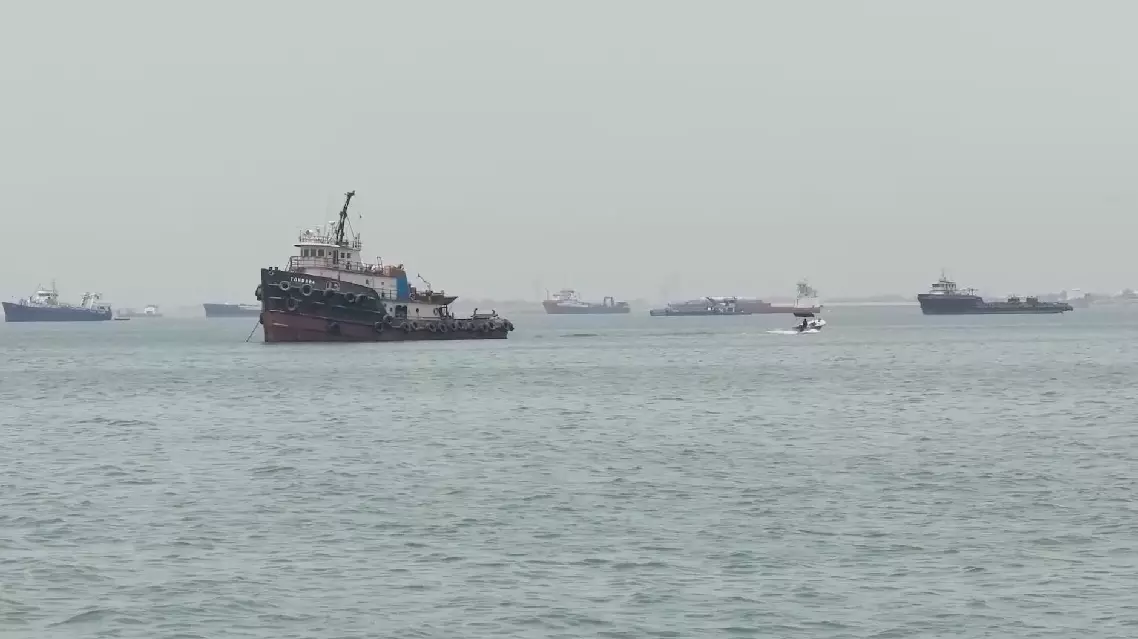
Iran parliament set to vote on Strait of Hormuz management bill as U.S. blockade persists