The Regional Comprehensive Economic Partnership (RCEP), the world's largest free trade deal, has driven deeper trade integration among its member countries over the past three years, delivering tangible benefits to their peoples.
Entering into force on Jan. 1, 2022, the RCEP comprises 15 Asia-Pacific countries including 10 ASEAN member states -- Brunei, Cambodia, Indonesia, Laos, Malaysia, Myanmar, the Philippines, Singapore, Thailand and Vietnam -- and their five trading partners, namely China, Japan, South Korea, Australia and New Zealand.
Under the deal, "rules of origin" eliminate tariffs on goods traded between the signatory states, allowing foreign trade enterprises to pay less on exports to RCEP markets.
RCEP also speeds up customs clearance, cutting time costs and making it easier for businesses to trade internationally.
According to the Asian Development Bank, RCEP will generate 245 billion U.S. dollars in revenue and add 2.8 million jobs to the regional economy by 2030 if fully implemented. In April alone, Chinese authorities issued 34,840 certificates of origin under RCEP, up 13.77 percent year on year. The value of the certificates stood at 987 million U.S. dollars, an increase of 16.4 percent.
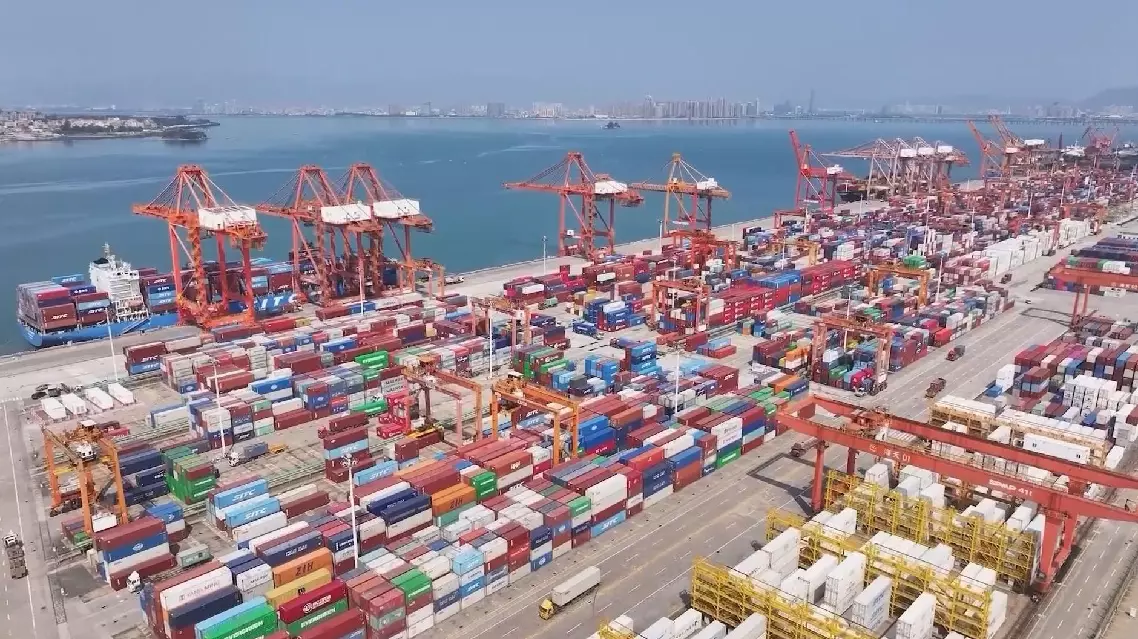
RCEP drives deeper trade integration among member countries
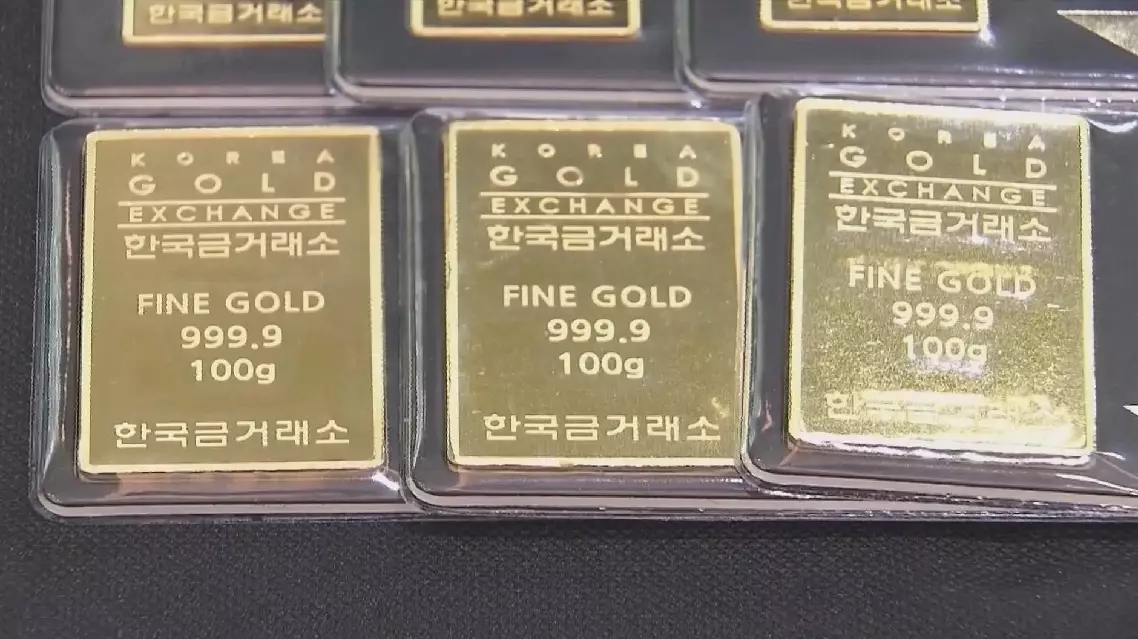
Gold became the largest component of global official reserves in 2025, surpassing holdings of U.S. Treasuries and the euro as rising prices boosted its share, the European Central Bank (ECB) said Tuesday.
Gold made up 27 percent of the total official foreign reserves, including foreign exchange and gold holdings, at the end of 2025, compared with 22 percent for U.S. Treasuries and 15 percent for the euro, according to an ECB report.
Data released by the ECB showed that global central bank gold purchases surged in 2022, peaked in 2024, and then eased in 2025.
Gold purchases by central banks fell to around 850 tons, below the average level between 2022 and 2024, which topped 1,000 tons. Despite historically high prices, demand for gold remained elevated.
The increase in gold's share of official reserves was driven largely by soaring prices, the ECB said. Gold prices soared by 60 percent and 30 percent in nominal terms in 2025 and 2024, respectively.
Apart from diversification, central banks use gold as a hedge against geopolitical risk. However, compared to fiat currencies, gold's status as part of reserves has limitations, the ECB report argued, citing price volatility, the inability to be remunerated, high storage costs, and inelastic supply.
Gold surpasses US Treasuries, euro in global official reserves: ECB