Skip to Content Facebook Feature Image

Water filling starts in China's Pinglu Canal

China

China

China

Water filling starts in China's Pinglu Canal

2026-06-03 09:35 Last Updated At:15:10

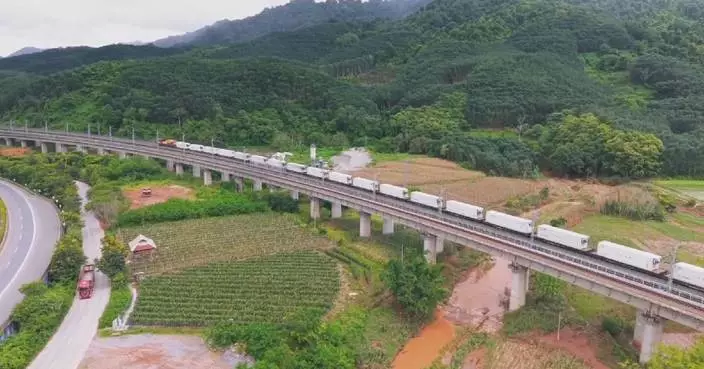
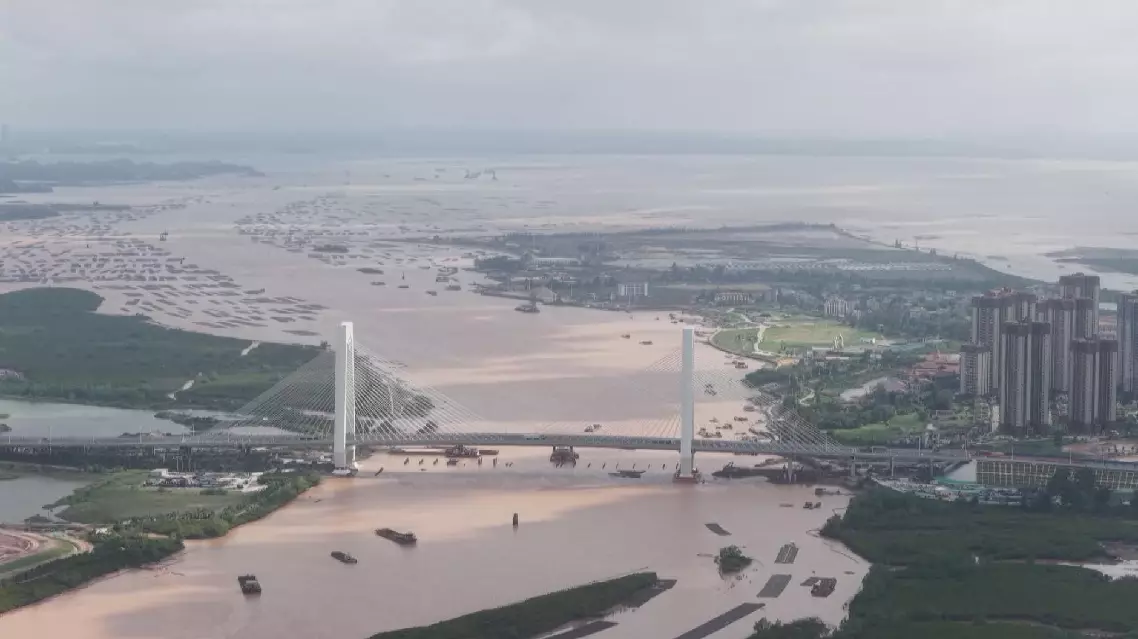
Water filling started in Pinglu Canal in south China's Guangxi Zhuang Autonomous Region on Wednesday with full navigation to be realized across the entire waterway in September.

The canal, which stretches 134.2 kilometers, starts from Hengzhou City in Guangxi and empties into the Beibu Gulf.

The section in the regional capital city of Nanning, which features gentle terrain and has a network of natural watercourses, was expanded and deepened to become the first segment filled with water.

"The Nanning section makes optimal use of existing natural river channels and boasts the most favorable construction conditions. With a wide and shallow cross-section, its channel satisfies current navigation requirements for ships with optimized designed draft and sailing speed, and also helps drastically cut excavation of underwater bedrock," said Lu Jiakun, an engineer at Guangxi Pinglu Canal Construction Company Limited.

The canal also has a 21.4-kilometer section that stretches across the urban area of Qinzhou, a major city in Guangxi.

Following the water filling, vessels can berth at the water service area in the city where they will be provided with one-stop services.

"The Qinzhou Water Service Area serves as a 'super service station' along the canal. Following water filling, our waterborne service network will gain tangible support. In the future, all electricity consumed at the service area will be intelligent with no emissions or pollution to be generated," said Zhang Guangzhao, another engineer at Guangxi Pinglu Canal Construction Company Limited.
Water filling starts in China's Pinglu Canal

Water filling starts in China's Pinglu Canal
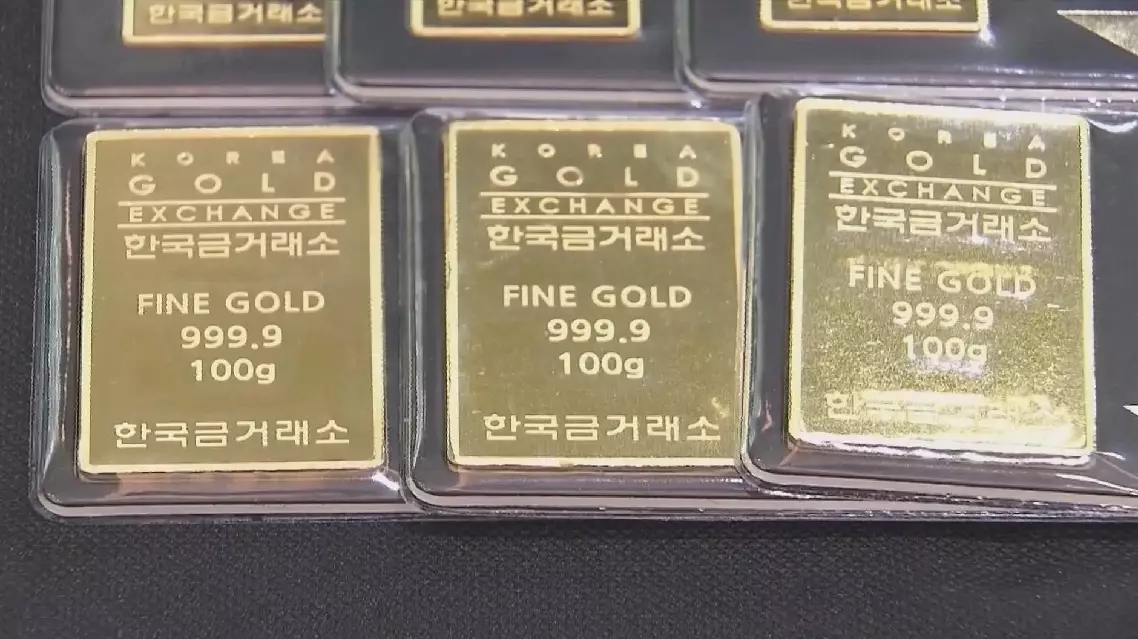
Gold became the largest component of global official reserves in 2025, surpassing holdings of U.S. Treasuries and the euro as rising prices boosted its share, the European Central Bank (ECB) said Tuesday.

Gold made up 27 percent of the total official foreign reserves, including foreign exchange and gold holdings, at the end of 2025, compared with 22 percent for U.S. Treasuries and 15 percent for the euro, according to an ECB report.

Data released by the ECB showed that global central bank gold purchases surged in 2022, peaked in 2024, and then eased in 2025.

Gold purchases by central banks fell to around 850 tons, below the average level between 2022 and 2024, which topped 1,000 tons. Despite historically high prices, demand for gold remained elevated.

The increase in gold's share of official reserves was driven largely by soaring prices, the ECB said. Gold prices soared by 60 percent and 30 percent in nominal terms in 2025 and 2024, respectively.

Apart from diversification, central banks use gold as a hedge against geopolitical risk. However, compared to fiat currencies, gold's status as part of reserves has limitations, the ECB report argued, citing price volatility, the inability to be remunerated, high storage costs, and inelastic supply.

Gold surpasses US Treasuries, euro in global official reserves: ECB

Gold surpasses US Treasuries, euro in global official reserves: ECB

Recommended Articles