The shaky situation in the Middle East is mounting pressure on Danish shipping giant Maersk Group, raising operating costs and endangering staff safety.
Due to the conflict between the United States, Israel, and Iran, the security situation in the Strait of Hormuz has deteriorated.
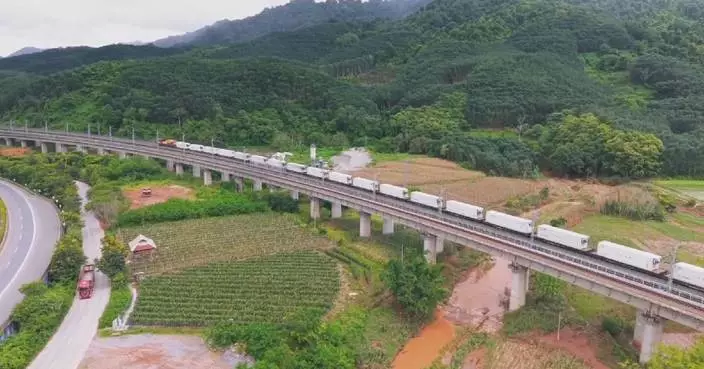
Maersk has suspended the passage of its vessels through the strait and activated an emergency transport plan to ship goods by land.
The group's chief commercial officer Karsten Kildahl said that while this move helps ensure the safety of employees and crew members, it also places significant economic pressure on the company's operations.
As one of the world's largest container shipping companies, the challenges faced by Maersk mirror the pressures currently weighing on international trade and global supply chains.
Kildahl said that for them, not only have transportation costs for goods directly entering and exiting the Gulf region risen, but shipping costs on other routes have also increased significantly due to factors such as rising fuel prices.
The additional costs resulting from these factors currently exceed 500 million U.S. dollars per month, a burden the group cannot bear alone. Consequently, they have no choice but to pass on a portion of these costs to their customers who are simultaneously facing pressure from rising raw material prices, he said.
"It's not only the transportation costs that are going up, it's also the cost for raw material that they use in all kinds of different production. So, what I hear from our customers is that they are impacted significantly by cost right now, and to which extent that is being sent on to the consumers, I don't know. But I'm sure many people will have a strong view on that," he said.
In recent years, global supply chains have faced repeated disruptions.
In the face of ongoing geopolitical risks, shipping companies are continuously adjusting their transport networks to enhance supply chain resilience.
Despite these challenges, Maersk remains convinced that global trade will not come to a standstill. Through the coordinated operation of various transport modes including sea, rail, and road, the global flow of goods will continue.
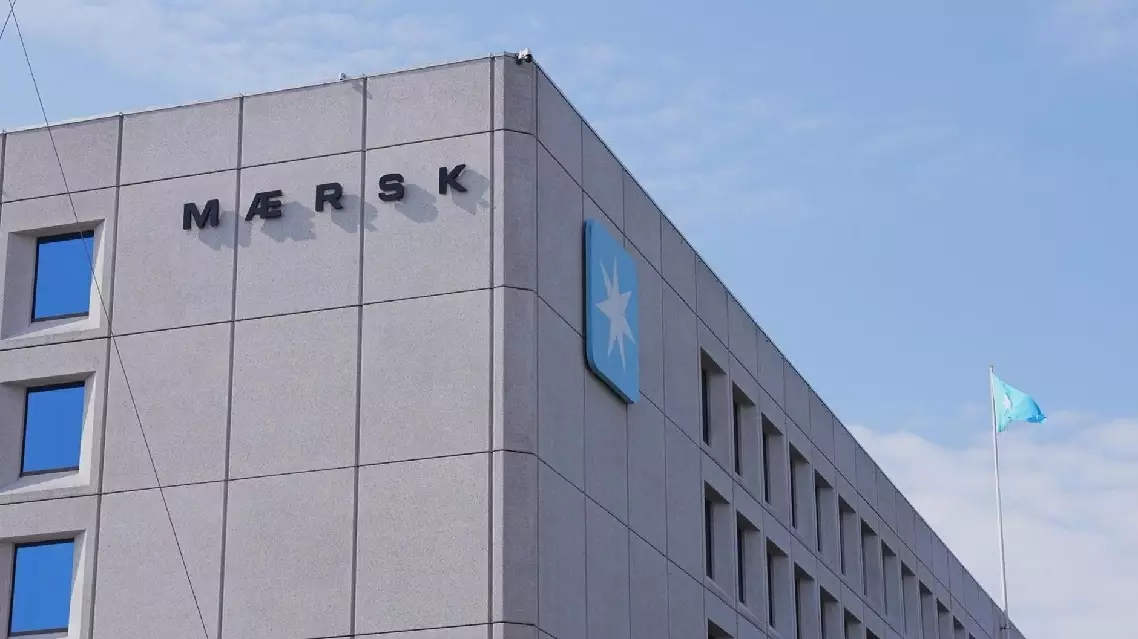
Middle East tensions mount pressure on Danish shipping giant Maersk