AMSTERDAM (AP) — A judge in Amsterdam on Wednesday rejected an appeal by a Jewish organization to block two performances by the rapper Ye, formerly Kanye West, ruling that the concerts are not a threat to public order.
Ye has drawn widespread controversy in recent years for a series of antisemitic remarks, leaving Dutch authorities under mounting pressure to cancel the gigs on June 6 and 8.
The Central Jewish Council filed the emergency lawsuit on Tuesday, arguing that Ye should be banned from the country for voicing admiration for Adolf Hilter and selling T-shirts featuring swastikas.
According to the Amsterdam District Court, there were no grounds to bar Ye from performing. “There are no indications that West’s presence in the coming days will lead to concrete public order dangers,” the court said in a statement.
The Central Jewish Council expressed disappointment with the ruling. “The feeling we are getting is that it is okay if you are antisemitic,” Chanan Hertzberger, the organization’s chair, told The Associated Press.
Lawmakers in the Netherlands supported a motion to bar Ye from entering the country but the country's immigration minister said there was no legal basis for such a move. Ye's remarks were “reprehensible” but there was “no reason to bar him," Bart van den Brink told journalists last week.
The 48-year-old was set to perform his first European dates in more than a decade. In April, he was barred from entering the U.K. over his remarks, setting off a series of cancellations. Shows in Italy and Poland have been scrapped.
More than 100,000 fans turned out in Istanbul on Saturday evening to watch Ye’s first performance in Turkey.
Concert organizers say 70,000 tickets have been sold for the two upcoming shows at the Gelredome in the eastern Dutch city of Arnhem.
Ye apologized in January through a full-page advertisement in The Wall Street Journal, stating that his bipolar disorder led him to fall into “a four-month long, manic episode of psychotic, paranoid and impulsive behavior that destroyed my life.”
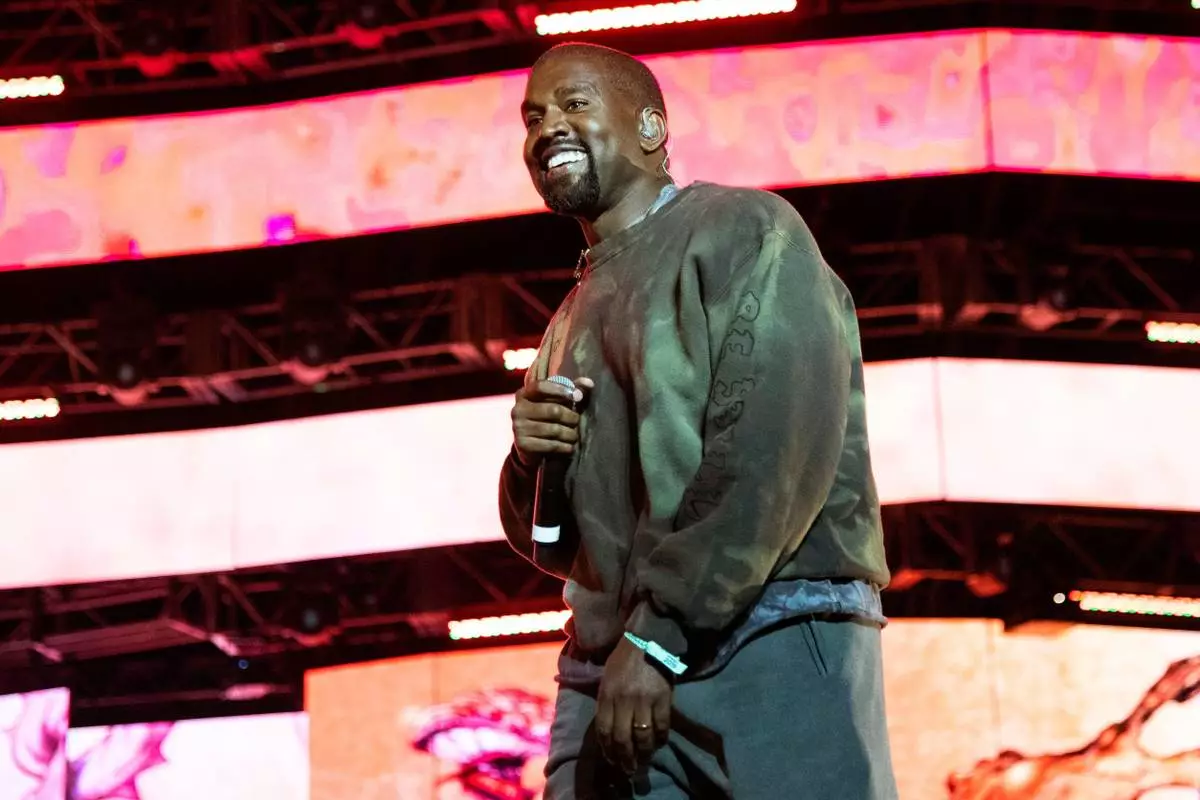
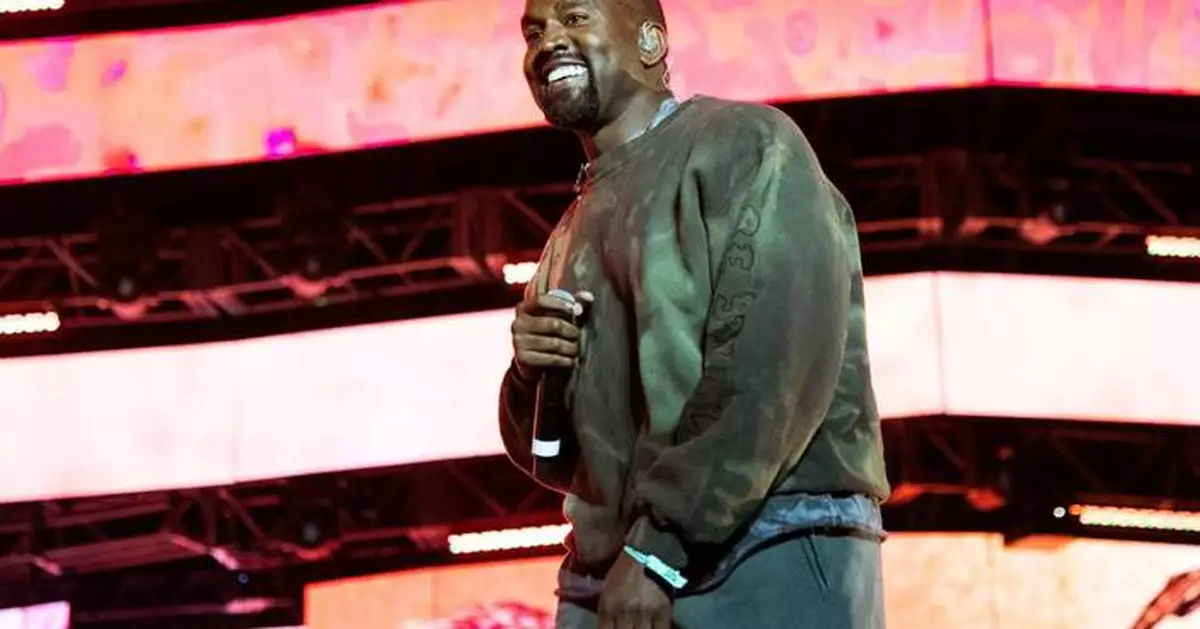
FILE - Kanye West performs at the Coachella Music & Arts Festival on April 20, 2019, in Indio, Calif. (Photo by Amy Harris/Invision/AP, File)
ST. LOUIS (AP) — Sal Stewart drove in the go-ahead run with a pinch-hit single in the 10th inning, and the Cincinnati Reds beat the St. Louis Cardinals 5-3 on Sunday.
The victory capped a 6-3 road trip for Cincinnati coming out of the All-Star break. Since the break, the Reds, in last place in the NL Central, have won two of three against Colorado, Seattle and St. Louis.
Stewart's line drive to right field against Matt Svanson (2-3) scored automatic runner Tyler Stephenson and pushed Cincinnati to its third straight road series win for the first time since 2023.
After Eugenio Suárez was intentionally walked to load the bases with two outs, Nathaniel Lowe extended the lead with a two-run single to left.
Elly De La Cruz and Ke’Bryan Hayes hit solo home runs for Cincinnati. Reds second baseman Spencer Steer left the game with right wrist pain after fouling a pitch off the end of his bat in the fifth inning.
The team said Steer would have imaging done and see a hand specialist on Monday.
Iván Herrera hit a solo homer, and Alec Burleson had three hits, a run scored and an RBI as St. Louis lost for the seventh time in 10 games.
Brock Burke (4-4) got Lars Nootbaar to foul out with the bases loaded in the eighth, then pitched a spotless ninth for the Reds. Rookie Julian Garcia earned his first career save after allowing the automatic runner to score on Burleson's 10th inning RBI single.
Cardinals starter Kyle Leahy recorded a career-high nine strikeouts in six innings, allowing one walk and six hits— including the solo homers by De La Cruz and Hayes.
Andrew Abbott of the Reds also lasted six innings, giving up two runs on three hits. He had four walks and four strikeouts.
Reds RHP Chase Burns (12-1, 2.42 ERA) is set to start against Cleveland RHP Slade Cecconi (4-7, 4.60) in Cincinnati on Monday night.
AP MLB: https://apnews.com/hub/MLB
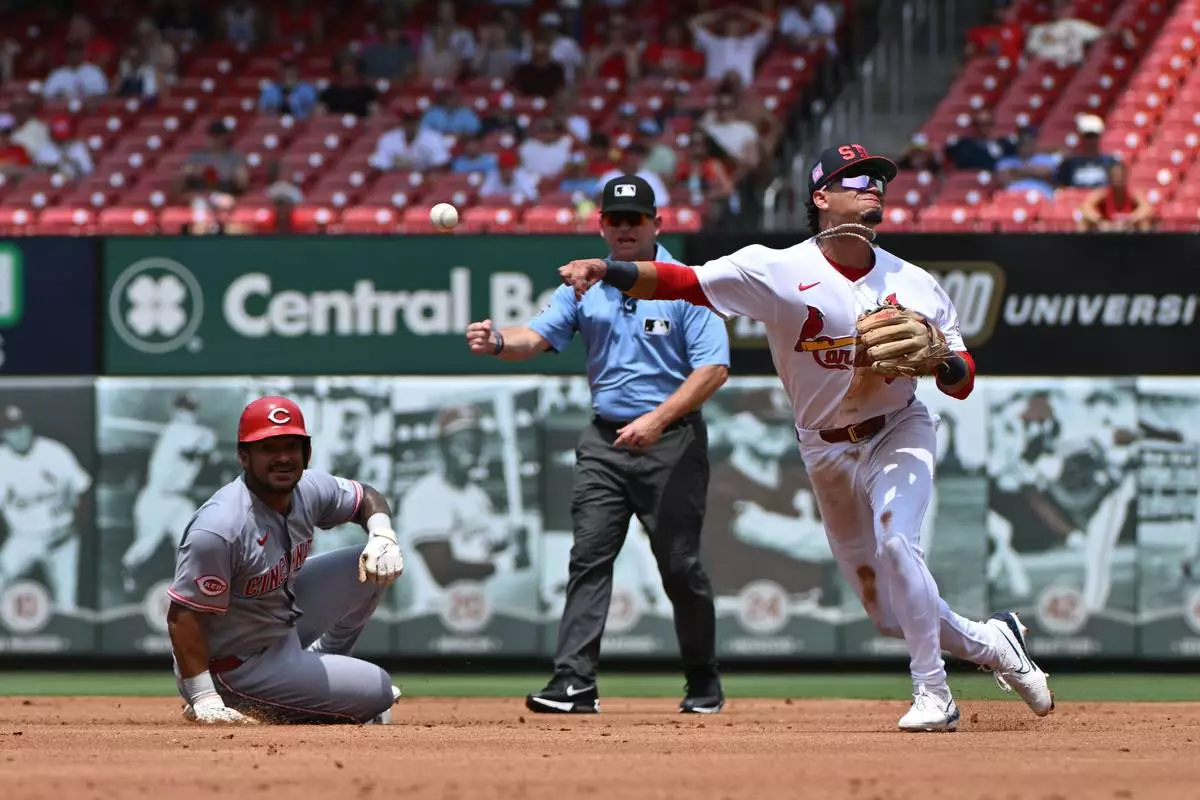
Cincinnati Reds' Dane Myers, left, is out as St. Louis Cardinals shortstop Masyn Winn, right, throws to first base during the second inning of a baseball game, Sunday, July 26, 2026, in St. Louis. (AP Photo/Jeff Le)
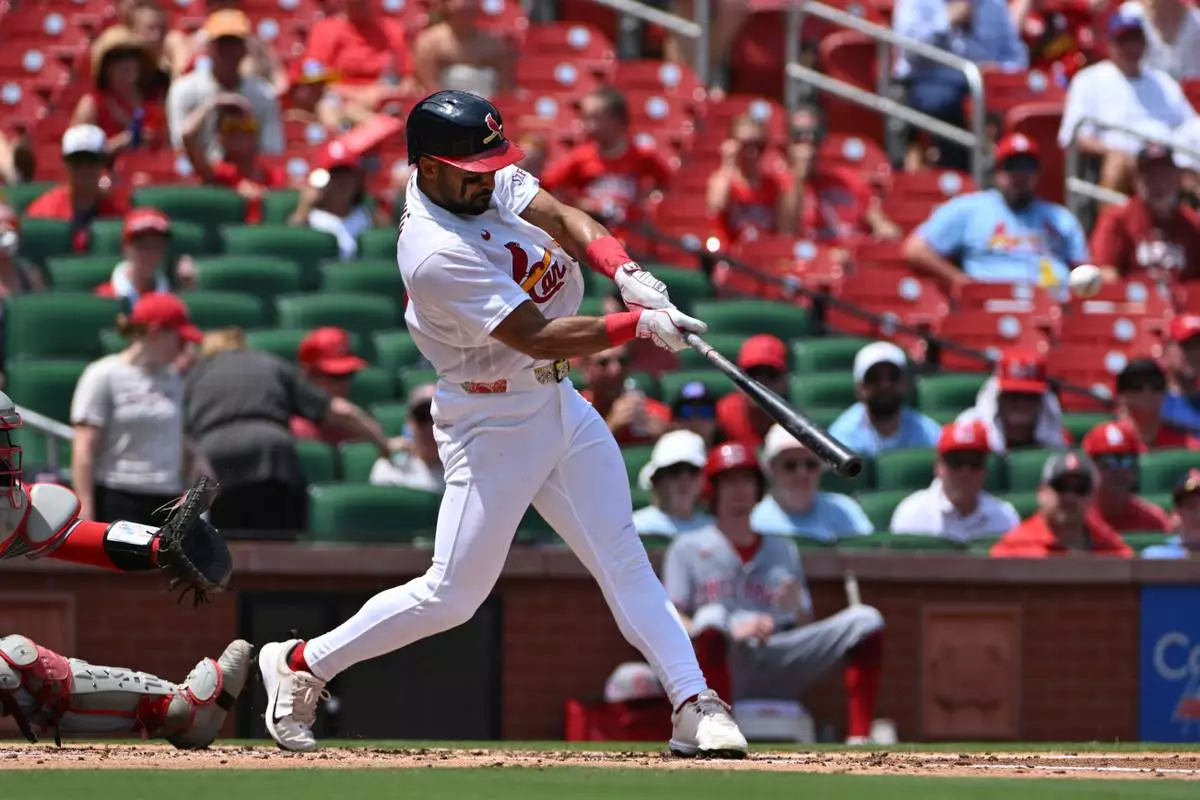
St. Louis Cardinals' José Fermín is hits a sacrifice fly to score Alec Burleson during the second inning of a baseball game against the Cincinnati Reds, Sunday, July 26, 2026, in St. Louis. (AP Photo/Jeff Le)
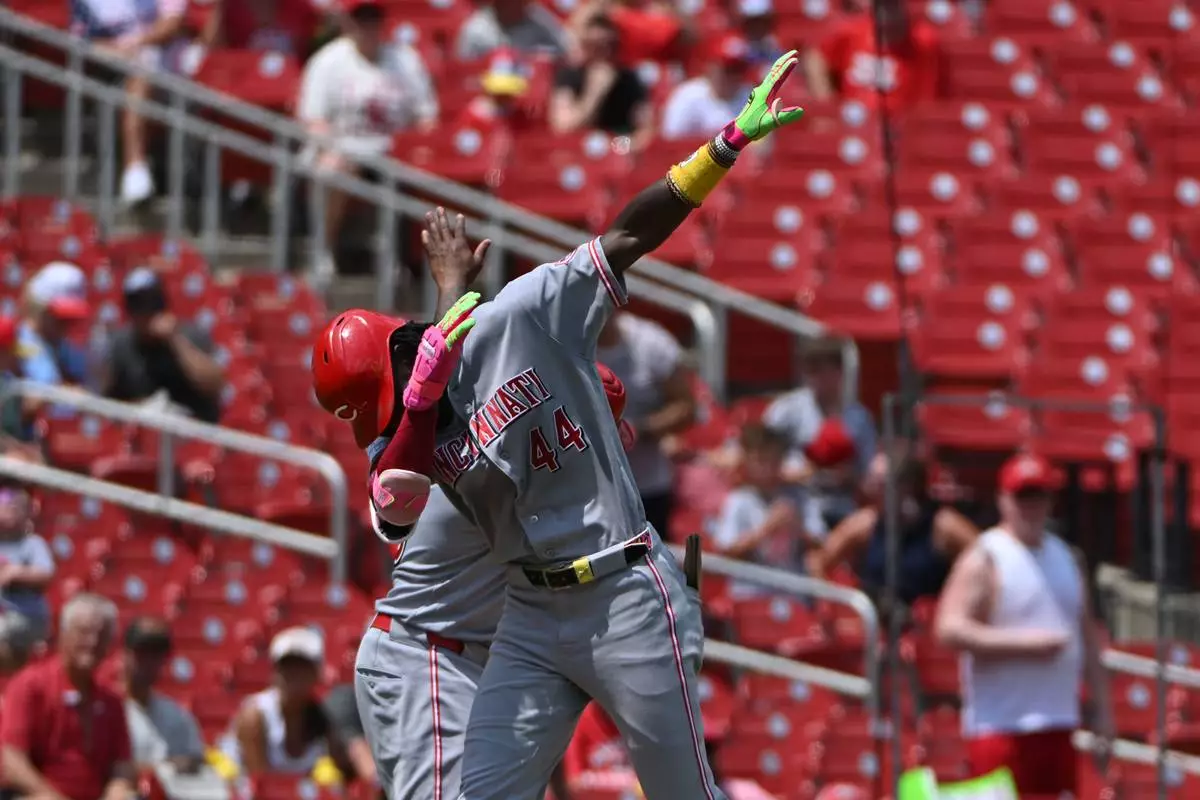
Cincinnati Reds' Elly de la Cruz (44) reacts with third base coach Willie Harris, back, after hitting a home run against the St. Louis Cardinals during the third inning of a baseball game, Sunday, July 26, 2026, in St. Louis. (AP Photo/Jeff Le)
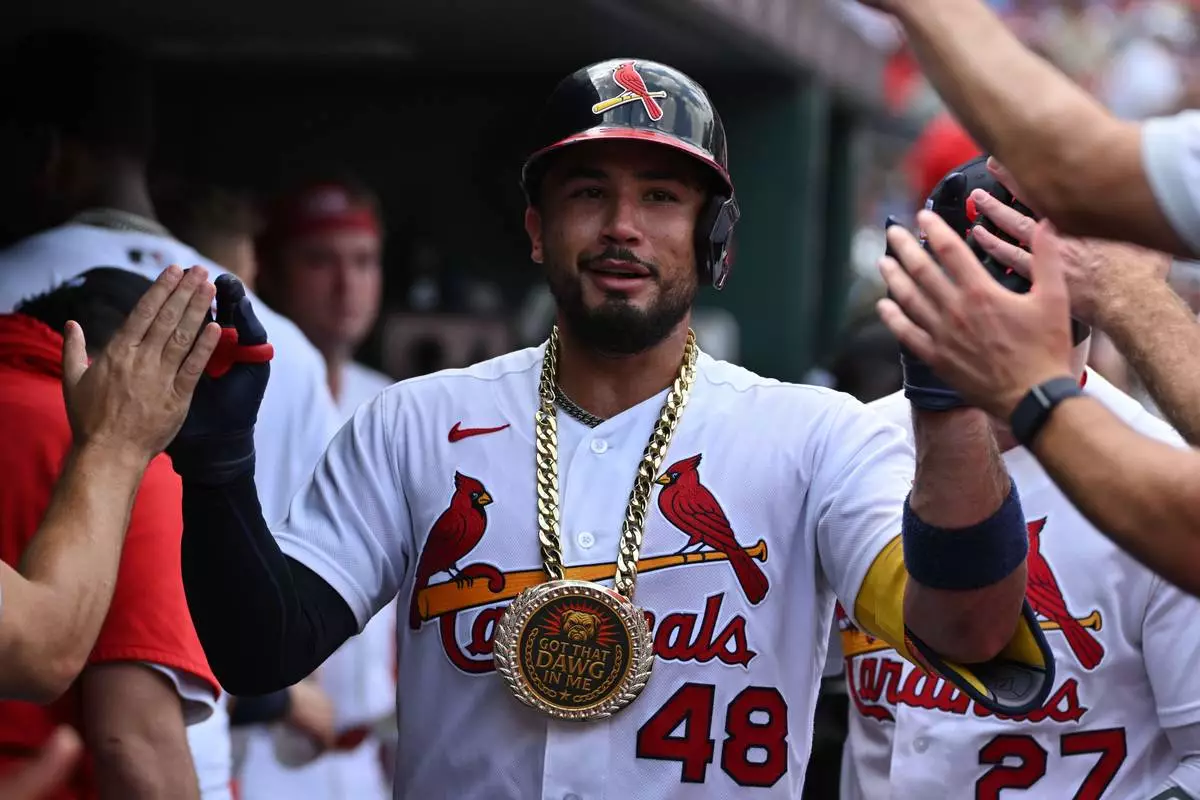
St. Louis Cardinals' Iván Herrera is congratulated by teammates after hitting a home run against the Cincinnati Reds during the third inning of a baseball game, Sunday, July 26, 2026, in St. Louis. (AP Photo/Jeff Le)