CAMBRIDGE, Mass. & PALO ALTO, Calif.--(BUSINESS WIRE)--Jun 3, 2026--
Alnylam Pharmaceuticals, Inc. (Nasdaq: ALNY), the leading RNAi therapeutics company, and Inceptive Nucleics, Inc., which builds foundation models of life, today announced a strategic collaboration agreement to increase the pace of therapeutic innovation. The collaboration is valued at up to $2B with upfront consideration of $30M, including cash and the purchase of Inceptive equity. Inceptive is eligible to receive additional payments based on the achievement of preclinical, regulatory, and commercial sales milestones.
This press release features multimedia. View the full release here: https://www.businesswire.com/news/home/20260603131911/en/
By integrating Inceptive’s generative AI models with Alnylam’s R&D engine, Alnylam aims to accelerate the discovery of novel RNAi therapeutics as it advances ambitious pipeline expansion goals as part of its Alnylam 2030 strategy.
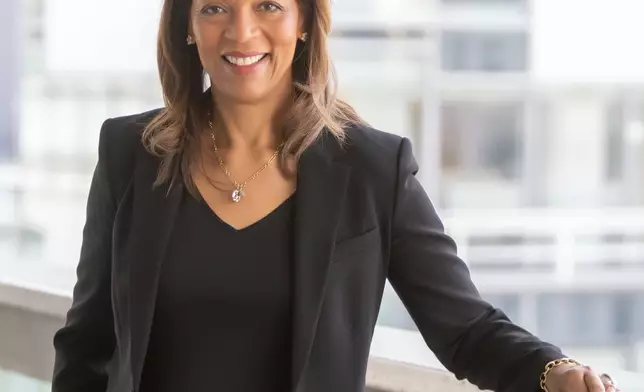
“We’re thrilled to partner with Inceptive to push the boundaries of what is possible in the discovery of RNAi medicines,” said Yvonne Greenstreet, M.D., Chief Executive Officer of Alnylam. “Inceptive stands apart as one of the most visionary companies working at the intersection of AI and biology. It is led by pioneers of the AI revolution and driven by an ambitious mission to fundamentally reinvent how RNA medicines are designed. Together, we have an extraordinary opportunity to accelerate the creation of transformative medicines with a speed, ingenuity, and sophistication that simply has not been possible before.”
Inceptive’s foundation model learns the patterns underlying biology and hence can adapt to diverse therapeutic modalities without retraining. In joint exploratory work, the model achieved exceptional performance within weeks, uncovering meaningful biological insights from relatively small datasets to characterize siRNA molecules, the active ingredient in RNAi therapeutics.
"Most drug design still works through a process of trial and error, testing thousands of molecules and hoping something sticks,” said Jakob Uszkoreit, Inceptive co-founder and CEO. “Inceptive was built on a different premise: that life follows rules of such complexity that only AI can learn them. Alnylam’s breakthrough platform and scientific vision are an ideal match for AI. Together, we’re not just accelerating drug discovery; we’re changing the way we understand and improve life.”
Generalizable Platforms Open New Therapeutic Design Spaces
The collaboration pairs Alnylam’s RNAi leadership with Inceptive’s foundation models and AI expertise to catalyze and accelerate progress in nucleic-acid based drug design. Inceptive focuses on developing models for sequence-based medicines such as RNAi therapeutics, which were pioneered by Alnylam.
The collaboration seeks to advance siRNA design, by modeling target mRNAs and jointly exploring sequence space and novel chemical modifications to enhance potency and efficacy, and by predicting top-performing therapeutic candidates in preclinical models for further development by Alnylam. The goal is to help Alnylam prioritize the most promising molecules and improve experimental productivity.
By combining Alnylam’s deep biological expertise with Inceptive’s frontier models, the alliance advances Alnylam’s ambition to unlock new therapeutic innovation through frontier AI. The collaboration gives Alnylam access to Inceptive’s AI expertise and talent, including CEO Jakob Uszkoreit, co-inventor of the Transformer architecture (i.e., the “T” in ChatGPT), and pioneers of scalable, AI-enabled wet-lab training data generation methods.
About Alnylam Pharmaceuticals
Alnylam (Nasdaq: ALNY) is a leading global biopharmaceutical company and the pioneer of the RNA interference (RNAi) revolution. The Company is focused on developing transformative therapies with the potential to prevent, halt, or reverse disease. For more than two decades, Alnylam has advanced the Nobel-Prize-winning science of RNAi, delivering critical breakthroughs and six approved medicines. Alnylam has medicines available in more than 70 countries and a rapidly expanding and robust pipeline, in addition to consistently being recognized as an exceptional workplace and socially responsible organization. The Company is executing on its Alnylam 2030 strategy to accelerate innovation and scale impact to transform human health. For more information, please visit www.alnylam.com or follow Alnylam on X, LinkedIn, Facebook, Instagram, or YouTube.
About Inceptive
Inceptive builds AI foundation models of life that extrapolate from data to design breakthrough biological medicines beyond the reach of nature and traditional drug discovery. The company’s antedisciplinary team of AI researchers, biochemists, and engineers trains models on diverse biological data and designs experiments to generate missing training data at unprecedented scale. Inceptive partners with leading drugmakers to customize molecule-design models for discovery of sequence-based medicines such as siRNA, ASOs, peptides, and mRNA for applications such as in-vivo cell therapies. Founded in 2021 and backed by a16z, NVIDIA, S32 and Obvious, Inceptive is headquartered in Palo Alto with offices in Berlin and Zurich. Learn more at inceptive.com.
Forward Looking Statements
This press release contains forward-looking statements within the meaning of Section 27A of the Securities Act of 1933 and Section 21E of the Securities Exchange Act of 1934. All statements other than historical statements of fact regarding Alnylam’s expectations, beliefs, goals, plans or prospects including, without limitation, statements regarding the potential for Alnylam’s collaboration with Inceptive to achieve the goals for which it was established, including to increase the pace of therapeutic innovation, to catalyze and accelerate progress in nucleic-acid based drug design, accelerate timelines and unlock innovative oligonucleotide designs, and to accelerate the creation of transformative medicines with a speed, ingenuity and sophistication that has not been possible before; Alnylam’s ability to accelerate the discovery of novel RNAi therapeutics and to push the boundaries of what is possible in the discovery of RNAi medicines; and Alnylam’s ability to achieve the goals in its Alnylam 2030 strategy should be considered forward-looking statements. Actual results and future plans may differ materially from those indicated by these forward-looking statements as a result of various important risks, uncertainties and other factors, including, without limitation, risks and uncertainties relating to: Alnylam’s ability to successfully execute on its Alnylam 2030 strategy; Alnylam’s ability to successfully launch, market and sell Alnylam’s approved products globally, including AMVUTTRA; Alnylam’s ability to discover and develop novel drug candidates and delivery approaches and successfully demonstrate the efficacy and safety of its product candidates; the pre-clinical and clinical results for Alnylam’s product candidates; actions or advice of regulatory agencies and Alnylam’s ability to obtain and maintain regulatory approval for its product candidates, as well as favorable pricing and reimbursement; delays, interruptions or failures in the manufacture and supply of Alnylam’s marketed products or its product candidates; obtaining, maintaining and protecting intellectual property; Alnylam’s ability to manage its growth and operating expenses through disciplined investment in operations; Alnylam’s ability to maintain strategic business collaborations; Alnylam’s dependence on third parties for the development and commercialization of certain products, including Roche, Novartis, Sanofi, and Regeneron; the outcome of litigation and government investigations; the risk of future litigation and government investigations; and unexpected expenditures; as well as those risks and uncertainties more fully discussed in the “Risk Factors” filed with Alnylam’s 2025 Annual Report on Form 10-K filed with the Securities and Exchange Commission (SEC), as may be updated from time to time in Alnylam’s subsequent Quarterly Reports on Form 10-Q, and in other filings that Alnylam makes with the SEC. In addition, any forward-looking statements represent Alnylam’s views only as of today and should not be relied upon as representing its views as of any subsequent date. Alnylam explicitly disclaims any obligation, except to the extent required by law, to update any forward-looking statements.
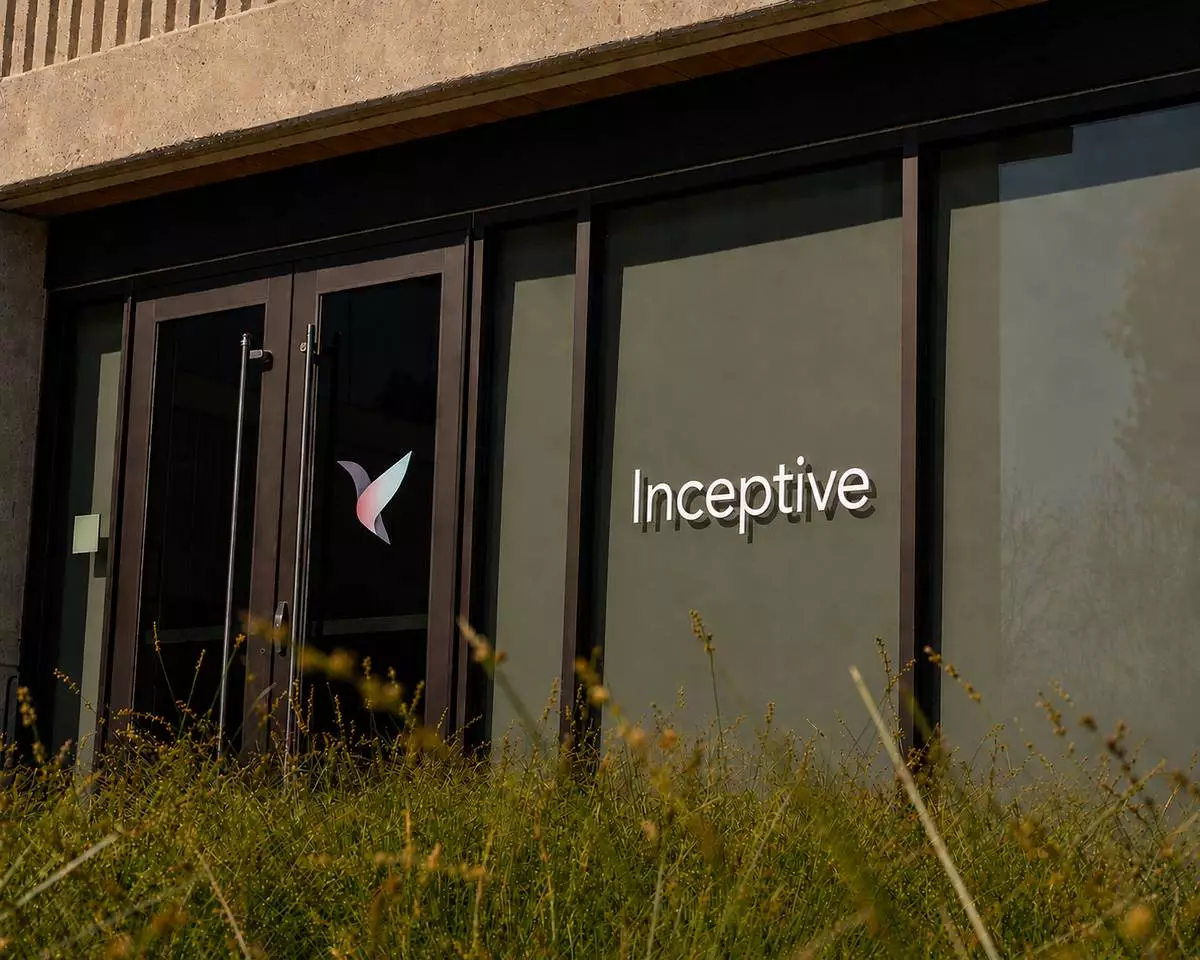
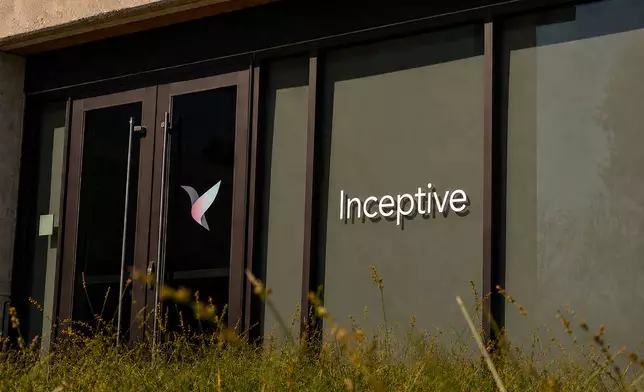
Inceptive Office
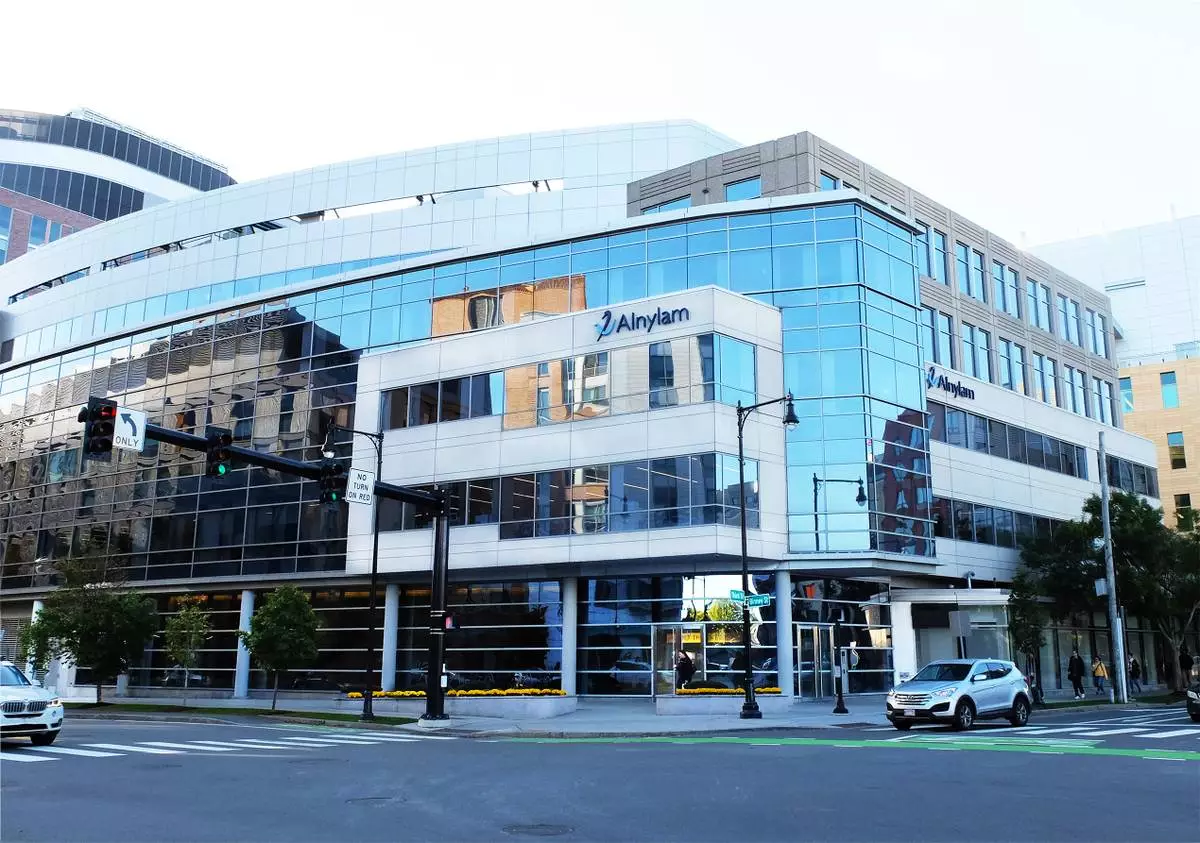
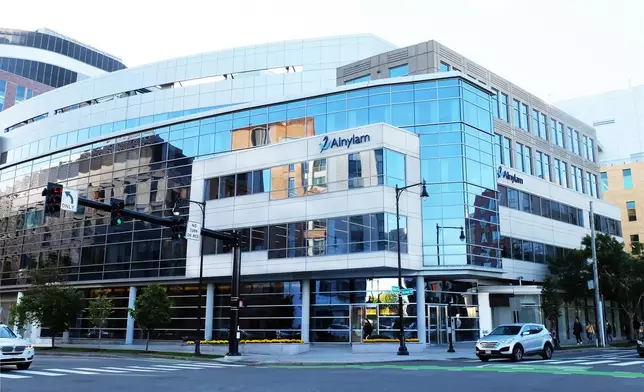
Alnylam Office
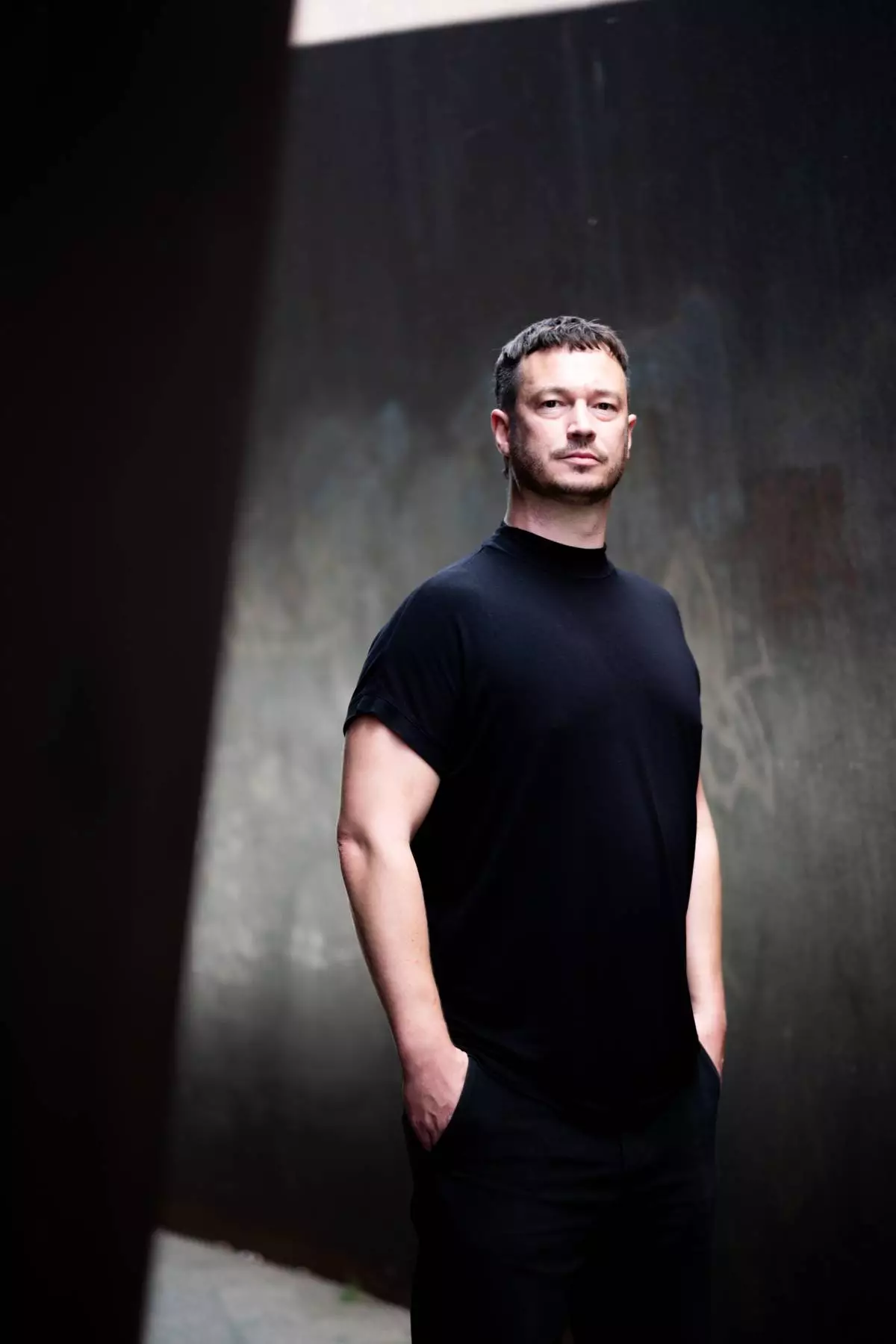
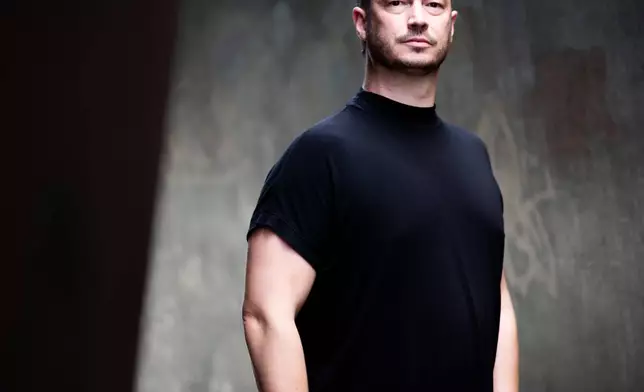
Jakob Uszkoreit
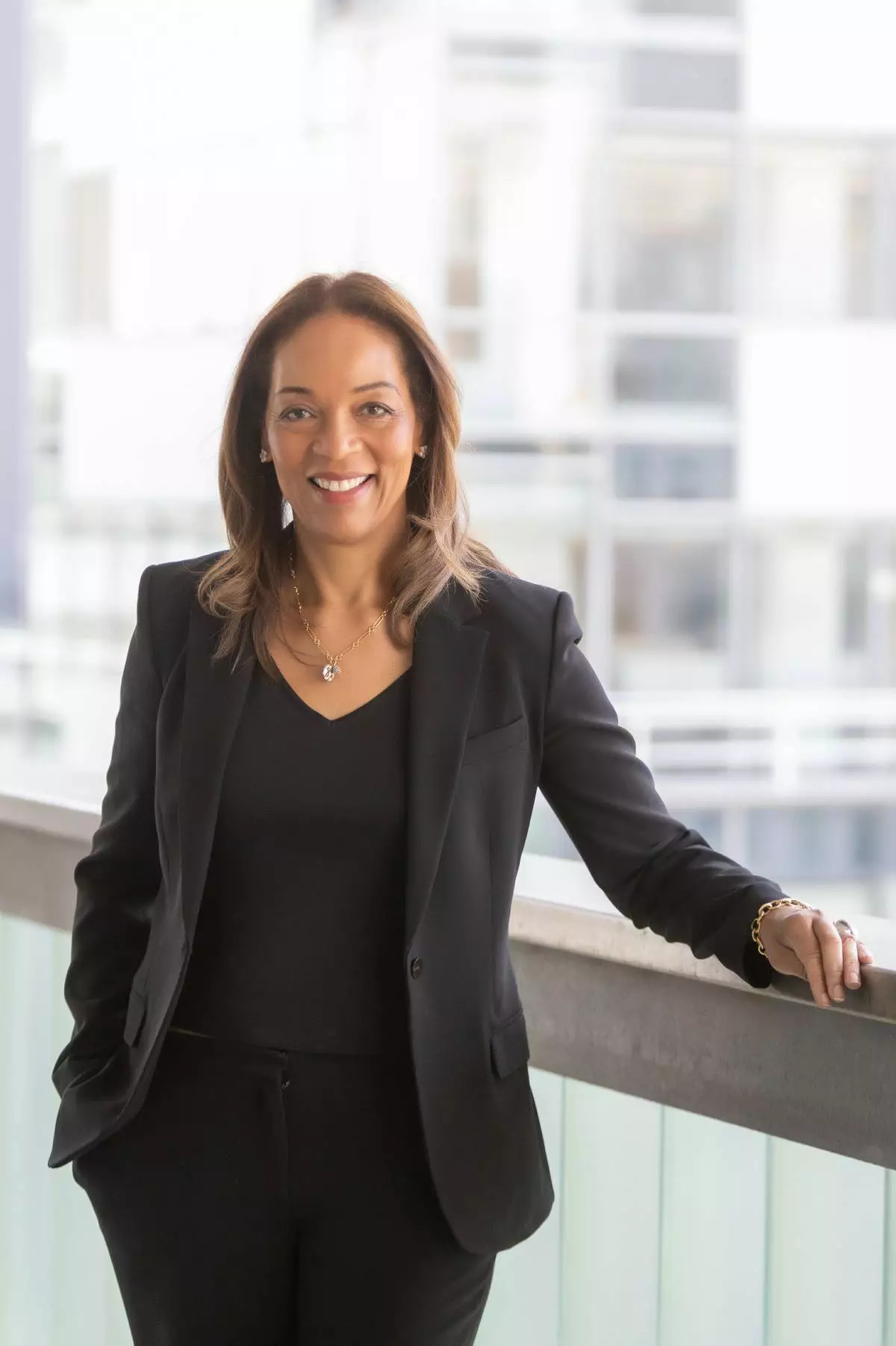
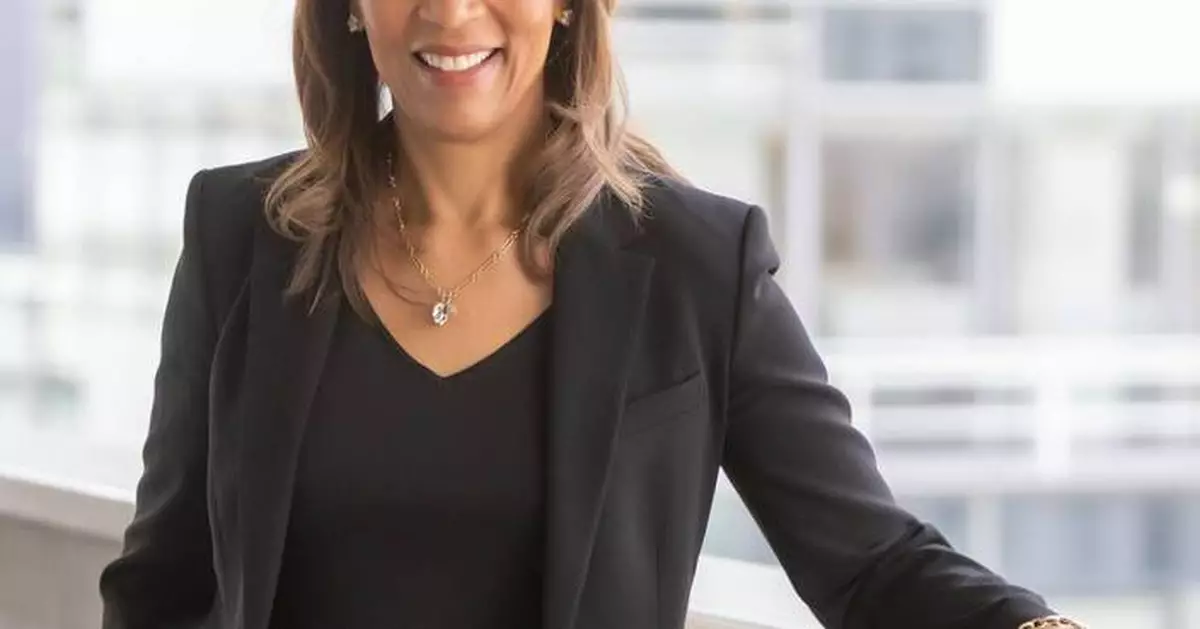
Yvonne Greenstreet
BEIRUT (AP) — President Donald Trump acknowledged criticizing Israeli Prime Minister Benjamin Netanyahu as “crazy” in a phone call that involved expletives, saying he was “a little bit perturbed” that Israel’s fighting with Hezbollah militants in Lebanon was holding back peace talks with Iran.
But even as the U.S. president conceded the tensions in an interview released Wednesday, he insisted that his relationship with Netanyahu was solid and that they connected, in part, because they are both “wartime” leaders.
“We’ve worked very well together. I like Bibi a lot. And I work very well with him,” Trump told The New York Post’s “Pod Force One.”
In an interview on the American business-news channel CNBC, Netanyahu responded that he and Trump sometimes have “tactical disagreements” but have “common goals” and “agree on the main things.”
“He respects me. I respect him. We always find a way to work out our differences,” the prime minister said.
The president's comments about the Monday call offered a sign of the growing pressure he faces to resolve the Iran war as higher energy prices and economic uncertainty threaten Republican prospects in the midterm elections and hamper global commerce.
Talks have dragged on for weeks and have been strained by Israel’s broadening war with the Iranian-backed militia group in Lebanon. The conflicts have become increasingly intertwined as Iran insists that any potential truce in the war there must also quell the fighting in Lebanon.
Israel and Lebanon agreed Wednesday to renew their fragile ceasefire and create a number of “pilot” security zones inside Lebanon from which Hezbollah militants would be banned.
In a joint statement released after a fourth round of U.S.-mediated talks at the State Department, the two sides said the ceasefire “is contingent on a complete cessation of Hezbollah fire and the evacuation of all Hezbollah operatives” from areas south of the Litani River, which is roughly 30 kilometers (20 miles) north of the northern Israel-Lebanon border. It was not immediately clear how the security zones would be established but the agreement calls for the Lebanese army to take full control of those areas.
“These steps will enable progress towards a comprehensive peace and security agreement,” the statement said. “All countries reaffirmed that the future of the relationship between Israel and Lebanon must be decided by the two sovereign governments. They rejected any attempt, by any state or non-state actor, to hold Lebanon’s future hostage.”
Hezbollah is not part of the Israel-Lebanon talks, which have been held at the ambassadorial level in Washington since the beginning of last month.
“All parties condemned Iran’s attacks on countries in the region, and ongoing activities that undermine stability throughout the Middle East, whether through support for proxies and all other acts of aggression,” the statement said.
A new round of discussions will be held during the week of June 22 with an eye toward “reaching a comprehensive agreement.”
Trump remained noncommittal about a timeline for settling the Iran conflict, saying the Strait of Hormuz might stay blocked through the Labor Day holiday on Sept. 7. He has insisted that Iran stop any efforts that could lead to a nuclear weapon and that the strait be reopened for shipments of oil and natural gas.
“I don’t know. I mean, I think it could be (closed through Labor Day), but I think it’s unlikely. I think that we’ll have it. I think this will resolve itself fairly quickly,” Trump said.
Iran’s Supreme Leader Mojtaba Khamenei, who succeeded his late father, is “involved” in peace talks, Trump added.
“They have a lot of respect for him,” the president said in the interview.
Trump said that Khamenei is not doing well due to wounds sustained in an airstrike, but “they say he’s giving approval because that’s the way it has been for a long, long time." Khamenei's father was killed in an airstrike when the U.S. and Israel attacked Iran at the end of February.
Meanwhile, the U.S. House for the first time approved a war powers resolution that would halt the U.S. military action against Iran, defying Trump as a handful of Republicans joined with Democrats to end the conflict.
The roll call Wednesday was 215-208, but the next steps are uncertain. Trump would likely reject any measure from Congress to limit his commander-in-chief authority.
The path toward a lasting ceasefire between Israel and Hezbollah remained unclear as hostilities continued in Lebanon.
An Israeli strike Wednesday hit a car on a busy highway just south of Beirut. The strike in Khaldeh came without warning, and it was not immediately clear if the person targeted was killed.
Israel and Lebanon on Monday reached a U.S.-brokered agreement in which Israel would not strike Beirut's southern suburbs and Hezbollah would end its attacks on northern Israel.
The agreement was made hours after Israel announced that it was going to launch strikes across the sprawling urban neighborhoods near the Lebanese capital in what would have been the most intense strikes since a nominal ceasefire went into effect on April 17.
Lebanon hopes to widen the scope of the ceasefire so it becomes comprehensive across the country. Israel wants to disarm Hezbollah immediately before the Israeli military ends its operations in Lebanon and withdraws its troops from dozens of villages and towns.
Israeli strikes over southern Lebanon continued, especially in and around the battered cities of Tyre and Nabatiyeh. Two overnight strikes near Tyre, a coastal city, killed four Syrians and two Palestinians.
Israel warned the Christian neighborhoods in Tyre that Hezbollah members were among them. Many Lebanese Shiite Muslims fled to those areas in recent days because they were spared from the aerial bombardment along the Mediterranean coast.
After the warning, the Lebanese army deployed to the Christian district of Tyre in an effort to prevent Israeli attacks there and to show that Hezbollah has no armed presence in the area.
Israel launched an invasion of southern Lebanon days after the latest war was sparked on March 2, when Iran-backed Hezbollah fired rockets toward northern Israel in solidarity with Iran. Israeli troops have pushed deeper into Lebanon over the past week, as Hezbollah continues to claim rocket and drone attacks.
The latest round of fighting between Israel and Hezbollah has killed 3,468 people in Lebanon and displaced 1.2 million people. According to Netanyahu’s office, at least 27 Israeli soldiers and a defense contractor have been killed in or near southern Lebanon. Two civilians have also been killed in northern Israel.
Many residents of southern Lebanon remained in villages near the hostilities or returned to areas where strikes occurred after evacuation warnings.
The Al-Abdallah family returned to their home in Marwanieyh, which they left because they thought the village was unsafe following earlier strikes. A day later, two rockets hit the home, bringing down the three-story building and killing six family members, said the brother of Hassan Al-Abdallah, who was killed.
Ahmed Al-Abdallah, 13, was thrown away from the building by the force of the blasts and was the only member of his family to survive. His uncle, Eissa Al-Abdallah, said the boy has two broken legs and shrapnel wounds all over his body.
“What good is talking now? They are gone, and nothing will bring them back,” the uncle told The Associated Press in a phone call Tuesday. “This land costs blood.”
Boak and Lee reported from Washington.
This version has been updated to correct that the Iran war began at the end of February, not March.
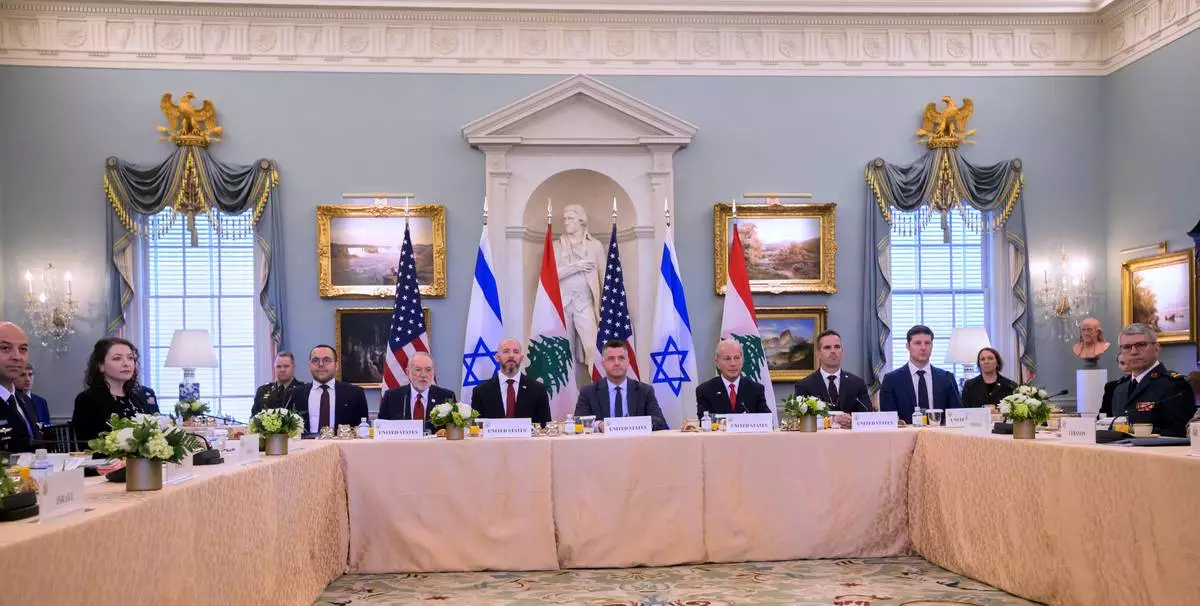
United States Ambassador to Israel Mike Huckabee, second from left, is joined by third from left: State Department Chief of Staff Dan Holler, Sr., State Department Counselor and Director, Office of Policy Planning Michael A. Needham and United States Ambassador to Lebanon Michel Issa, as they meet with Israeli Ambassador to the United States Yechiel Leiter and Lebanese Ambassador to the United States Nada Hamadeh, at the State Department, Tuesday, June 2, 2026, in Washington. (AP Photo/Rod Lamkey, Jr.)
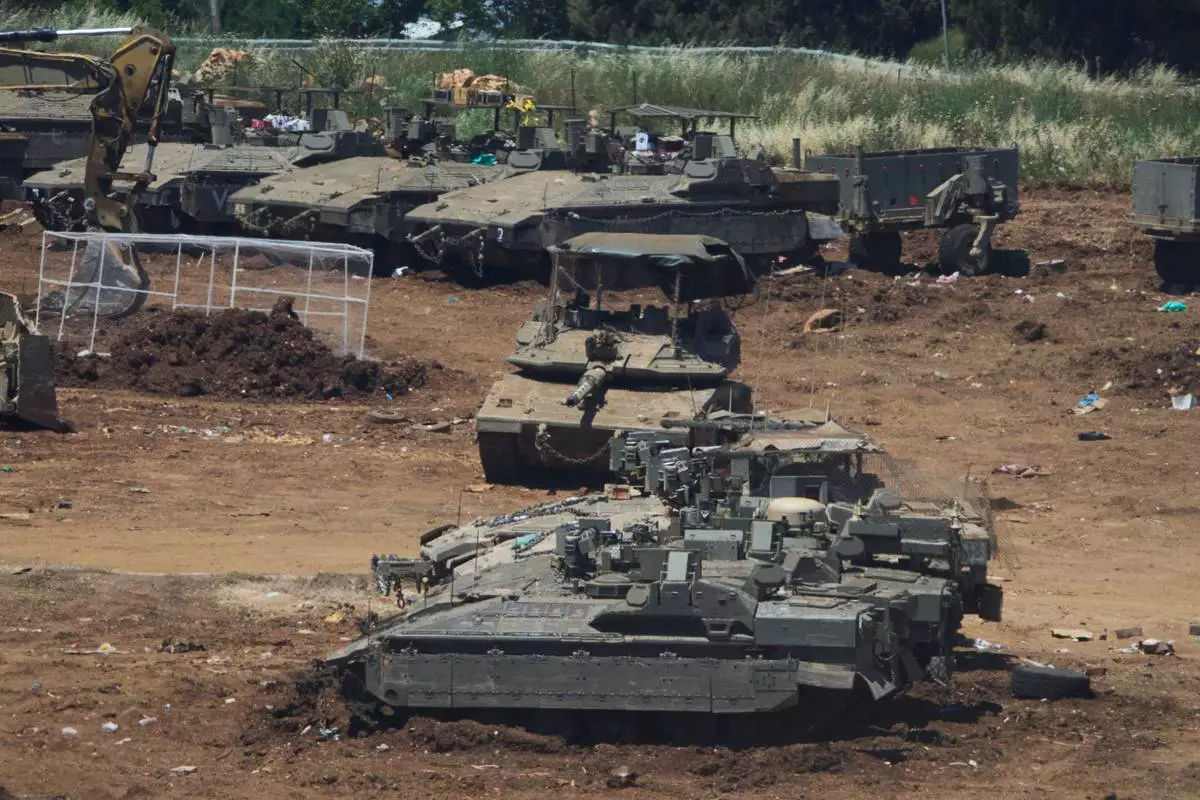
Israeli troops gather on the border with Lebanon in northern Israel, Tuesday, June 2, 2026. (AP Photo/Ariel Schalit)
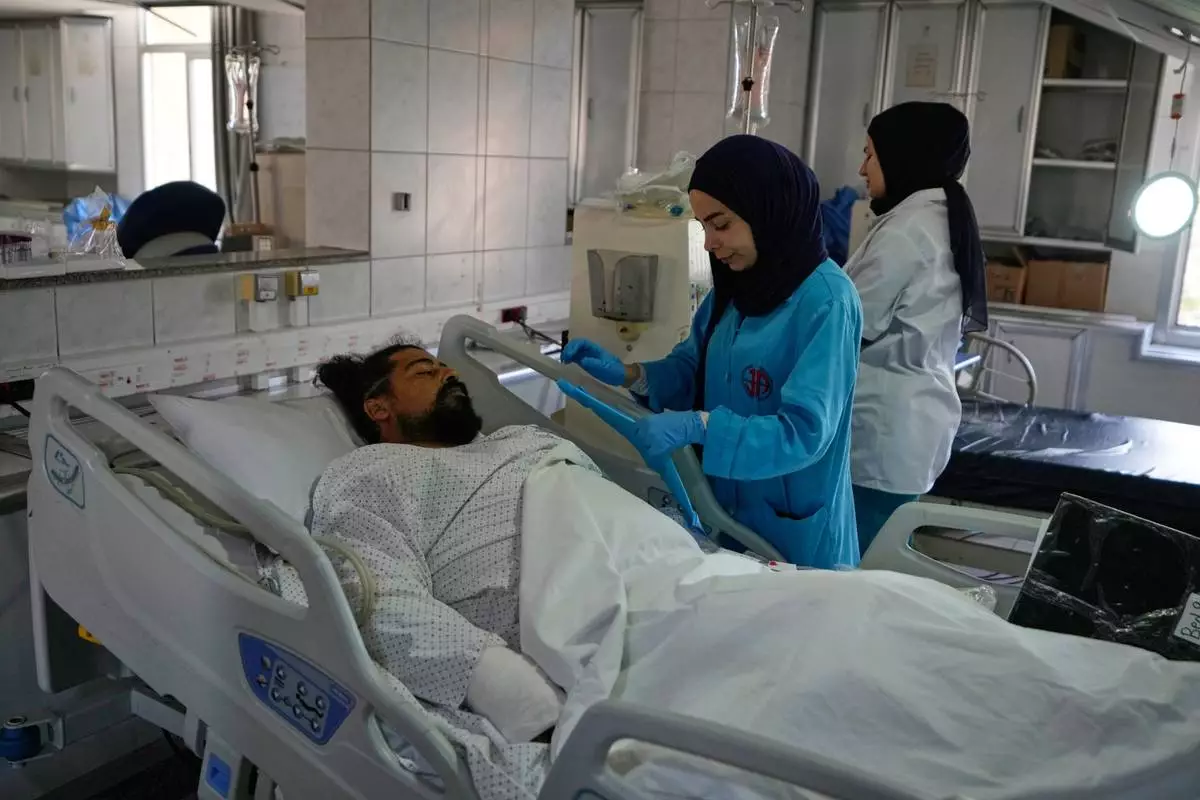
A nurse treats an injured man at the damaged Jabal Amel Hospital, following Monday's Israeli airstrike that was hit a nearby building, in the southern port city of Tyre, Lebanon, Tuesday, June 2, 2026. (AP Photo/Mohammed Zaatari)
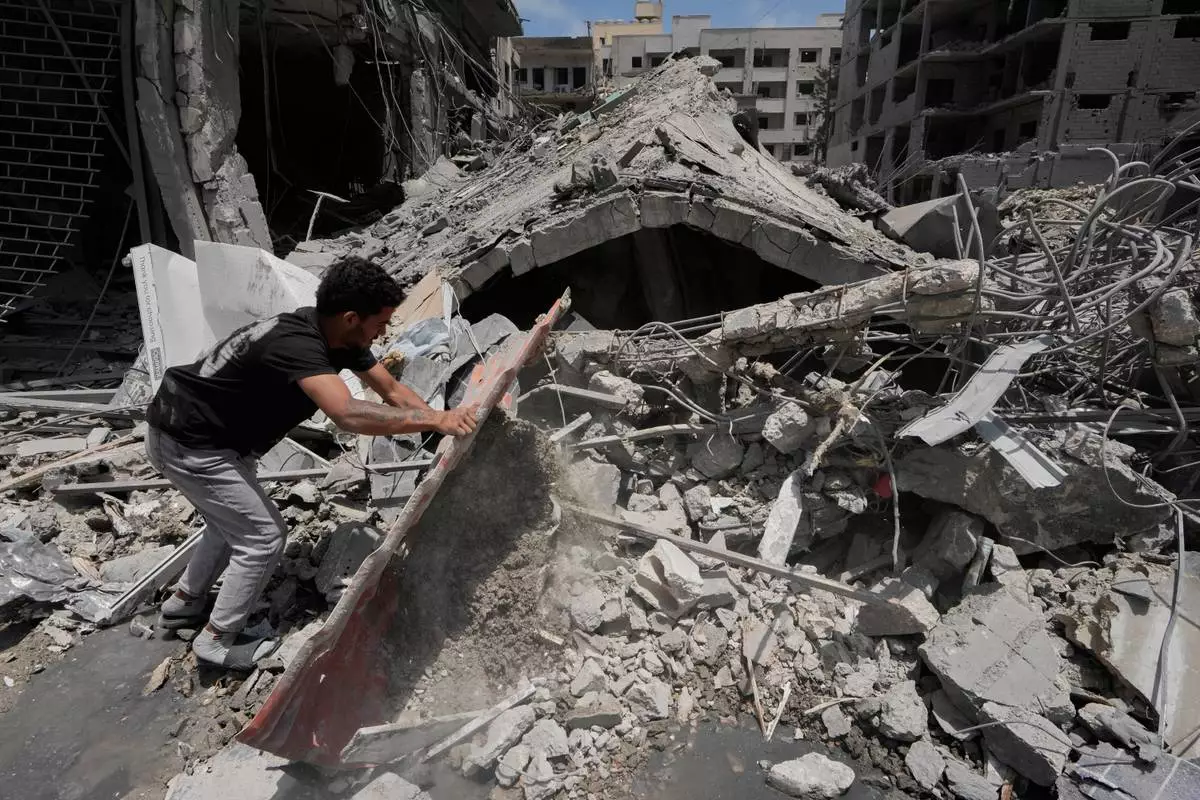
A man removes debris of a building that was hit Monday in an Israeli airstrike in the southern port city of Tyre, Lebanon, Tuesday, June 2, 2026. (AP Photo/Mohammed Zaatari)
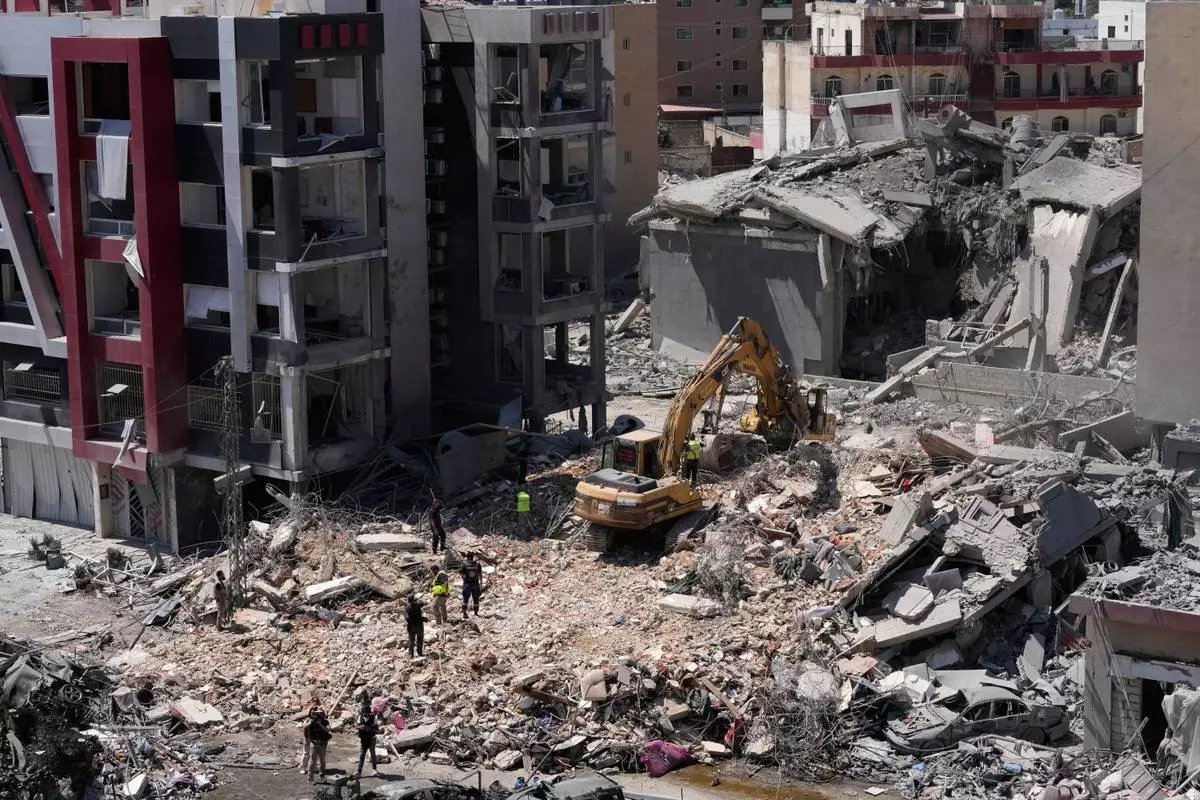
Rescue workers use an excavator, as they search for victims under the rubble of a building that was hit Monday in an Israeli airstrike in the southern port city of Tyre, Lebanon, Tuesday, June 2, 2026. (AP Photo/Mohammed Zaatari)
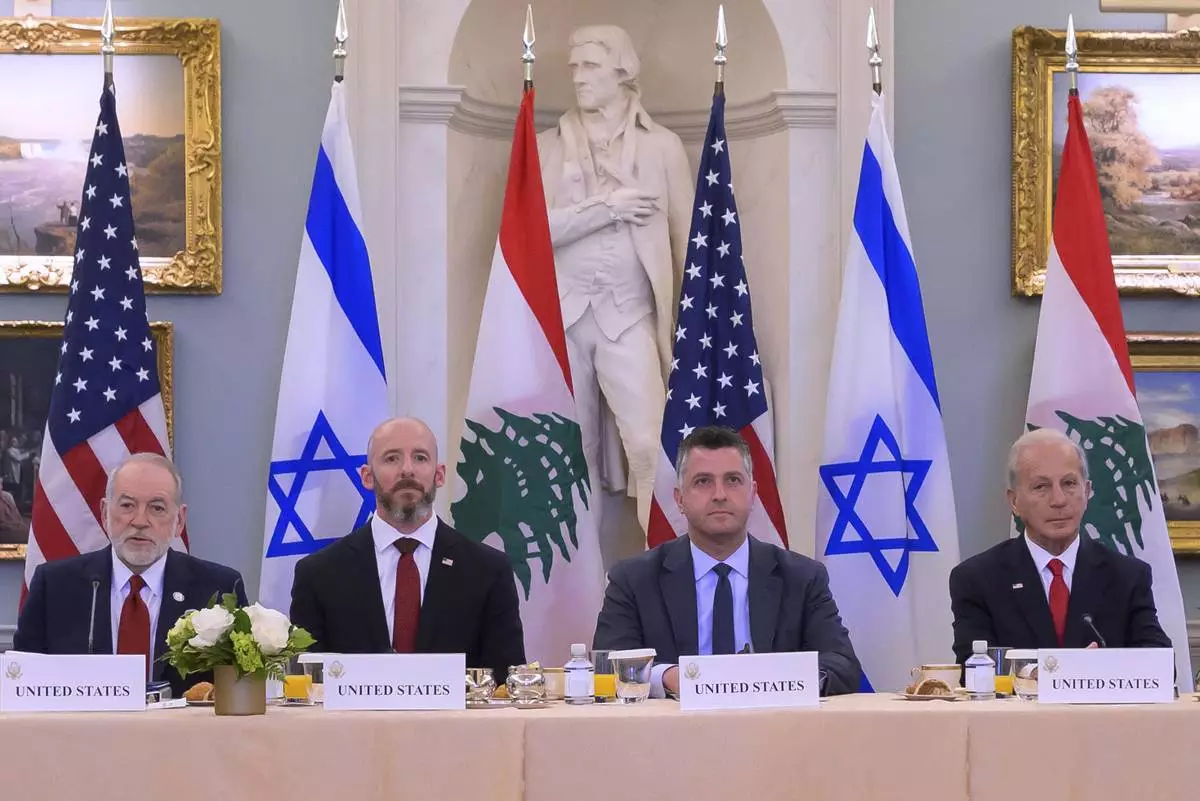
United States Ambassador to Israel Mike Huckabee, left, is joined by second from left: State Department Chief of Staff Dan Holler, Sr., State Department Counselor and Director, Office of Policy Planning Michael A. Needham and United States Ambassador to Lebanon Michel Issa, as they meet with Israeli Ambassador to the United States Yechiel Leiter and Lebanese Ambassador to the United States Nada Hamadeh, at the State Department, Tuesday, June 2, 2026, in Washington. (AP Photo/Rod Lamkey, Jr.)
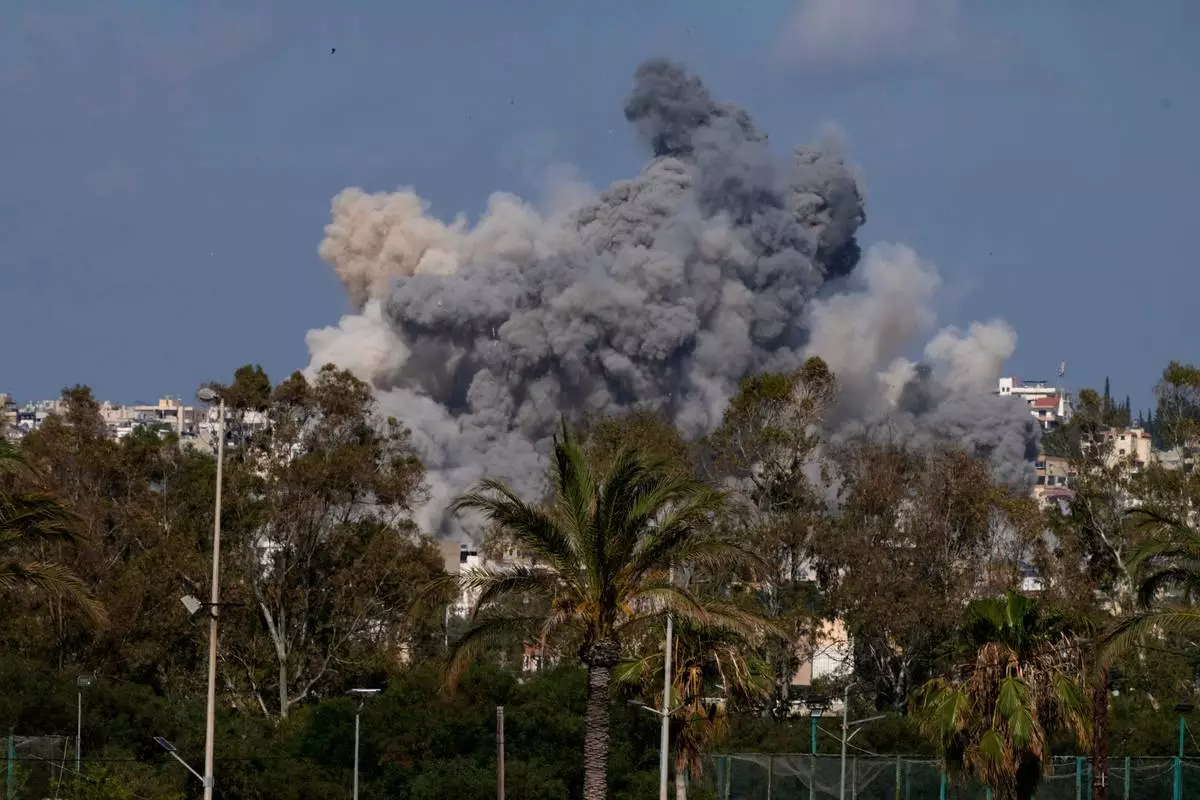
Smoke rises from an Israeli airstrike that hit Burj al-Shamali village near the southern port city of Tyre, Lebanon, Tuesday, June 2, 2026. (AP Photo/Mohammed Zaatari)