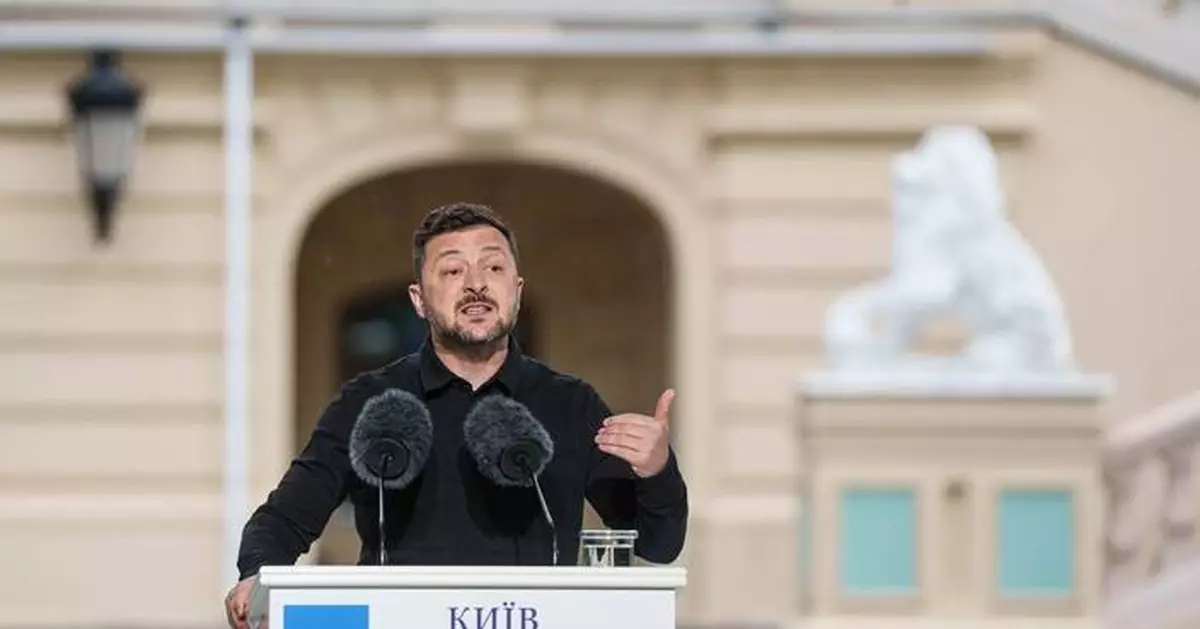
KYIV, Ukraine (AP) — Ukrainian President Volodymyr Zelenskyy on Thursday called for face-to-face negotiations in a public letter addressed directly to Russian President Vladimir Putin.
The letter, the first public message Zelenskyy has written directly to Putin since Russia launched its full-scale invasion in 2022, was a sweeping critique of the Russian leader’s 26 years in power.
Zelenskyy acknowledged shifting U.S. priorities, saying it would be wrong to simply wait for the Trump administration to return its attention to ending the Ukraine war while it remains heavily focused on the Iran war.
“I am proposing a meeting,” Zelenskyy wrote.
U.S. President Donald Trump said it “would be great” if Putin and Zelenskyy met. “They should get it done,” Trump said.
Asked what concessions he had urged Putin to make to end the war, Trump declined to provide details but said both sides would need to compromise.
“They’re going to both make compromises,” he said. “I suggested those compromises.”
Zelenskyy appeared to be trying to seize a pivotal moment in the war, as Ukraine has begun to regain some battlefield leverage largely through improved long-range strike capabilities that have complicated Russia’s advances. At the same time, Moscow has intensified its deadly aerial campaign across Ukraine, seeking to exploit Kyiv’s shortages and continued vulnerability to ballistic missile attacks.
He said the talks could be hosted by a neutral third country, ruling out both Moscow and Kyiv as venues and suggested Switzerland, Turkey or Arab states as possible hosts for negotiations.
“It is leaders who resolve the key issues. That has always been the case, and it always will be,” he wrote. “I propose to set a clear date for such a meeting.”
He said Ukrainian intelligence indicated Russia was considering plans to prolong the war into 2027 and 2028, while increasingly relying on ballistic missile strikes to achieve what its ground campaign had failed to accomplish.
Zelenskyy also accused Moscow of seeking to draw Belarus deeper into the conflict and of attempting to destabilize the situation around Transnistria, the breakaway Moldovan region backed by Russia.
The Ukrainian leader argued that Russia was increasingly feeling the costs of the war, pointing to drone attacks deep inside Russian territory, economic strain, fuel shortages, rising prices, and the necessity of more military mobilization.
Zelenskyy claimed Russia suffered more than 30,000 soldiers killed or seriously wounded in May alone, saying Ukraine had “video confirmation” of the battlefield losses and that such casualty levels had been sustained month after month.
He added that Ukraine also continues to suffer painful losses despite what he described as a favorable casualty ratio.
He said Ukraine was prepared to implement a full ceasefire for the duration of negotiations and proposed an all-for-all prisoner exchange as a first step toward ending the conflict.
Zelenskyy also called for the return of civilians and children taken from Ukraine during the war.
“The world has not grown tired of Ukraine, as you long hoped it would. But there is growing fatigue with Russia,” Zelenskyy said.
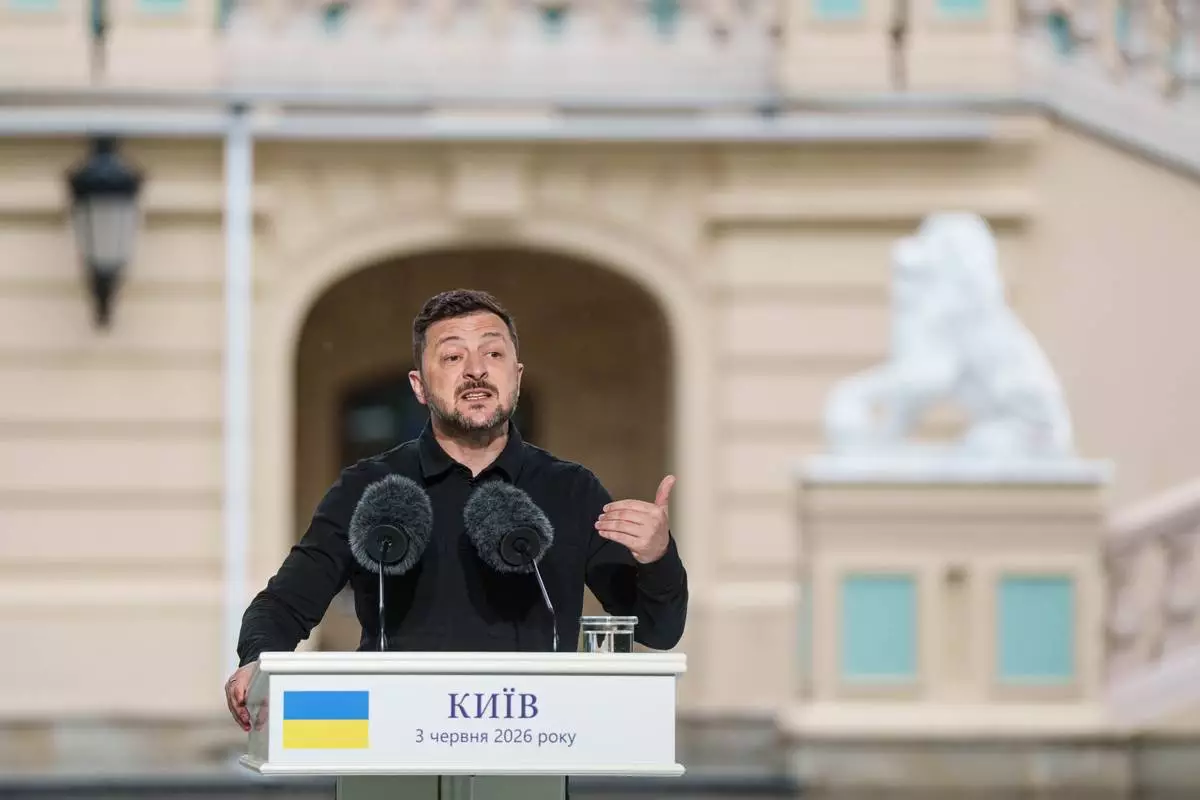
Ukraine's President Volodymyr Zelenskyy speaks to journalists during a joint press conference with NATO Secretary General Mark Rutte in Kyiv, Ukraine, on Wednesday, June 3, 2026. (AP Photo/Evgeniy Maloletka)
BLAINE, Minn. (AP) — Jackson Koivun felt the nerves but never flinched, securing his first PGA Tour win in the face of a strong finish by the world's top-ranked player and clear fan favorite in Scottie Scheffler.
Koivun won the 3M Open by three strokes Sunday in only his third start as a professional, holding off Scheffler with a closing 5-under 66 for a tournament-record 25-under 259 total.
“All throughout the crowd I kept hearing, ‘Scottie’s coming. Scottie’s coming,’” the 21-year-old Koivun said. “I just tried to tune that out and keep playing the golf I knew I could.”
Scheffler, who played five groups ahead of Koivun, surged into contention with a 63 but settled for his fourth runner-up finish this season. His lone win this year was in his first start at The American Express in California.
“We’re seeing a lot of really, really good young talent in the game today,” Scheffler said. “When you see the guys come out of college, they’re really, really prepared, even more prepared than we were coming out.”
Hideki Matsuyama, Brian Harman, Chandler Phillips and Denny McCarthy tied for third at 20 under.
Koivun played a safe and steady game on a 97-degree afternoon at the TPC Twin Cities, going bogey-free for the second straight day after a 61 in the third round gave him a three-shot cushion after 54 holes. His par-saving putt on the 9th green after his approach landed in the sand gave him an energy boost for the back nine.
“Might be the biggest putt I made all week,” Koivun said. “Scoreboard was right there, and I saw exactly how I stood. If I missed that, then I only had a two-shot lead — where last time I checked I had a five-shot lead. So making that was huge for my momentum.”
Lee Hodges held the previous 3M Open record, finishing at 24-under 260 in 2023.
Koivun, who became the fourth rookie winner this season, missed the cut at the John Deere Classic in Illinois and tied for 10th at the ISCO Championship in Kentucky earlier this month. He made 10 starts as an amateur on tour events.
Earning $1,584,000 for his win in Minnesota, Koivun also jumped 124 spots in the FedEx Cup standings into 70th, the last place above the cut for the playoffs with two regular season events remaining on the schedule.
“I feel like I’ve gotten a lot better over the past couple years of being able to beat guys with my mentality,” said Koivun, who broke the NCAA career record for per-round stroke average (68.89) and helped lead Auburn to the national championship last month. “Sometimes I watch guys hit on the range and I don’t feel like I’m the most talented out there, but if I can go out there and believe and use my brain to my advantage, then that’s definitely kind of like a superpower.”
Scheffler, who began the final round six shots back, needed a collapse by Koivun to catch up. That never came.
Scheffler played a nearly flawless game, save for a 5-foot birdie putt on the 14th hole that lipped in and out. As he was conducting his post-match interview, Koivun birdied the 16th to go 25 under.
“Anytime you’re trying to win for the first time, it’s awfully difficult, especially for a young guy coming out of college,” Scheffler said. “I think that shows not only how talented of a player he is, but the mental strength he has as well.”
Koivun, who grew up in San Jose, California, before moving to Chapel Hill, North Carolina, at age 17, got his start in the game on a public nine-hole course. After hugging his father, George, on the course, he got on a FaceTime call with his mother, Meghan, who was unable to attend the tournament.
“She was crying,” Koivu said. “I was trying to make out a little bit of what she said, but she kept saying how proud she was. Those two are just my rocks.”
AP golf: https://apnews.com/hub/golf
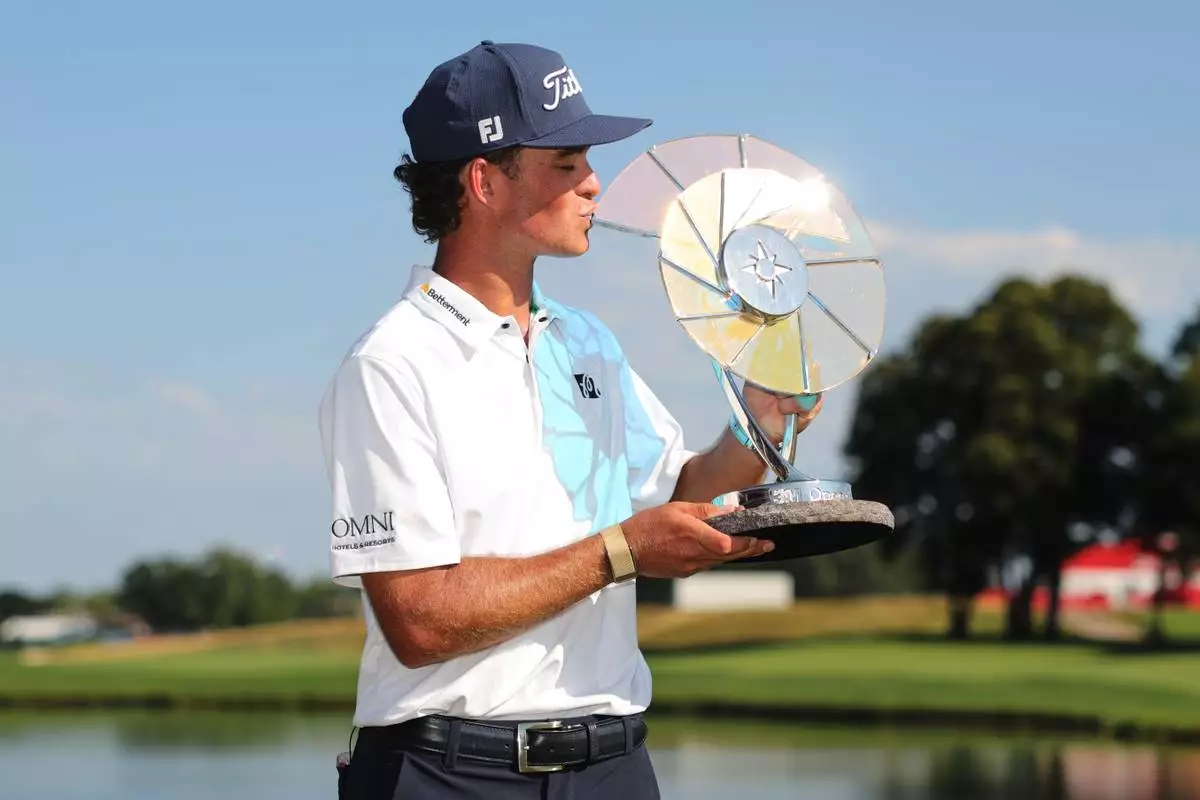
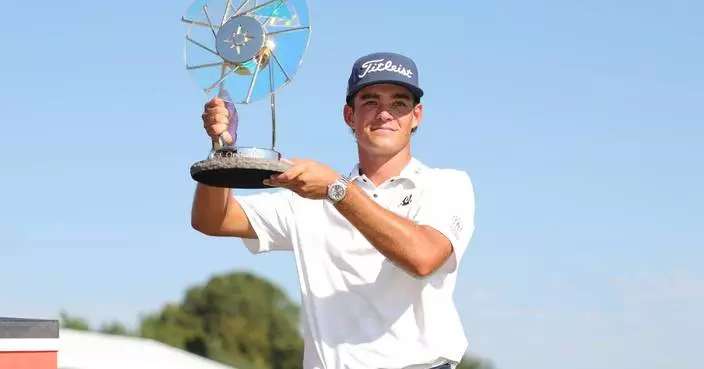
Jackson Koivun kisses his trophy after winning the 3M Open golf tournament at the Tournament Players Club Sunday, July 26, 2026, in Blaine, Minn. (AP Photo/Bailey Hillesheim)
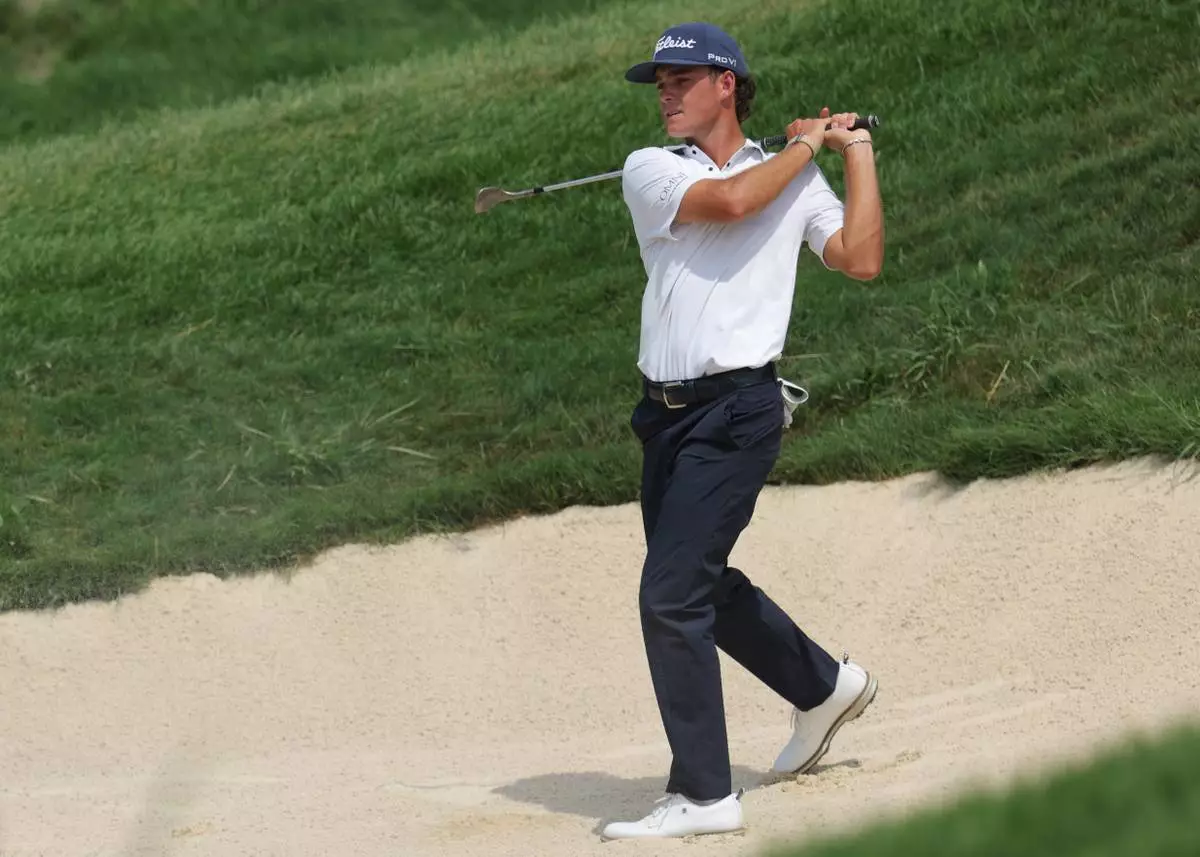
Jackson Koivun hits on the ninth hole during the final round of the 3M Open golf tournament at the Tournament Players Club Sunday, July 26, 2026, in Blaine, Minn. (AP Photo/Bailey Hillesheim)
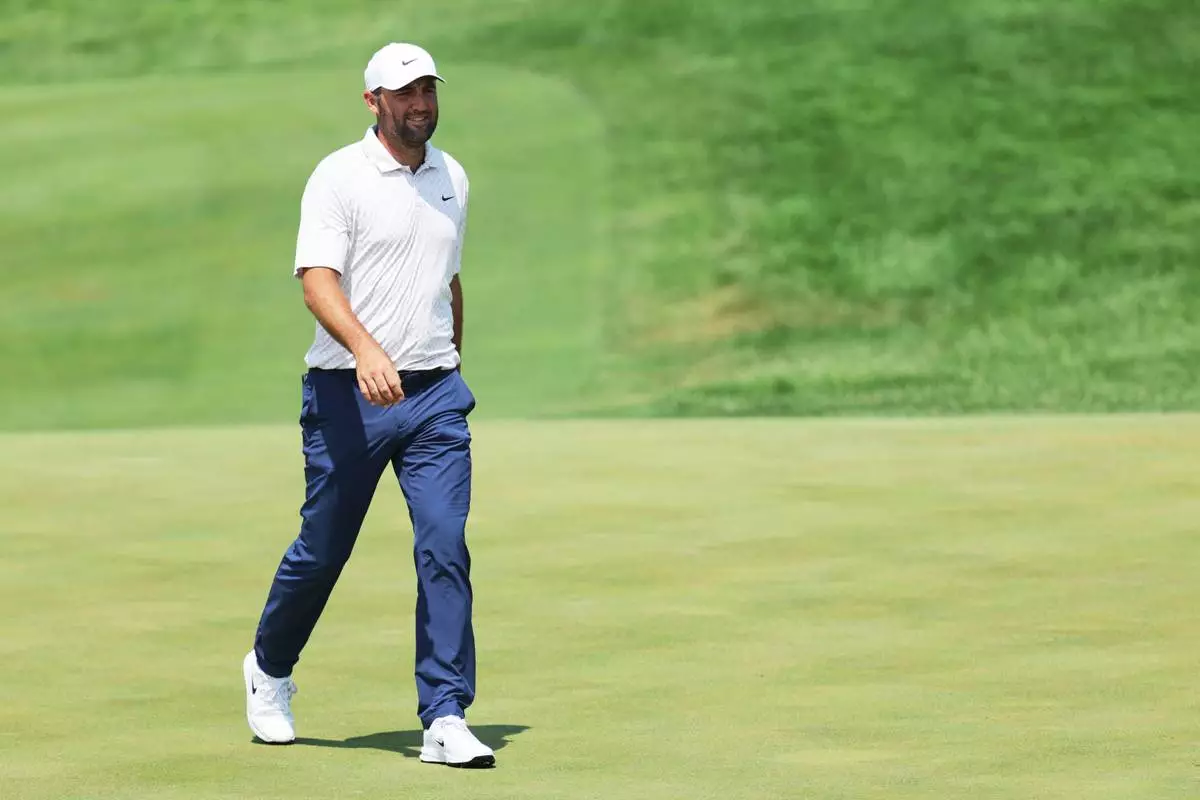
Scottie Scheffler walks on the ninth green during the final round of the 3M Open golf tournament at the Tournament Players Club Sunday, July 26, 2026, in Blaine, Minn. (AP Photo/Bailey Hillesheim)
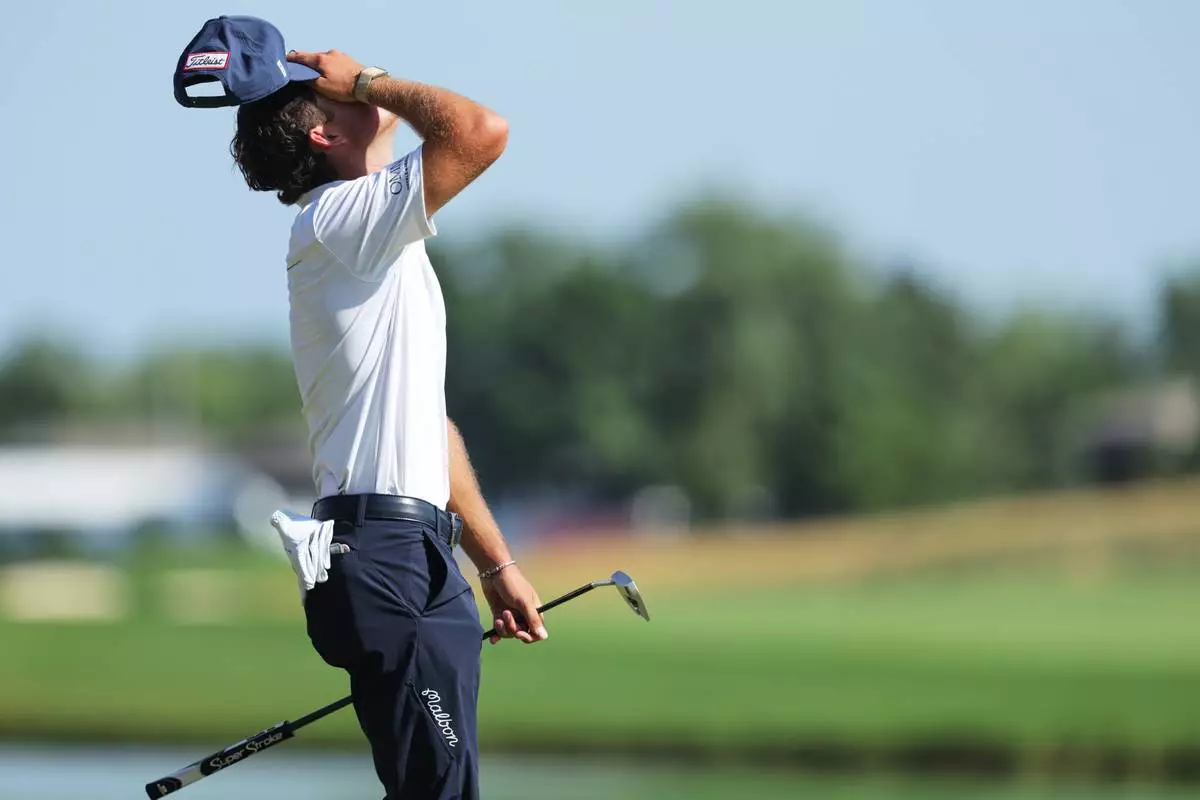
Jackson Koivun reacts after winning the 3M Open golf tournament at the Tournament Players Club Sunday, July 26, 2026, in Blaine, Minn. (AP Photo/Bailey Hillesheim)
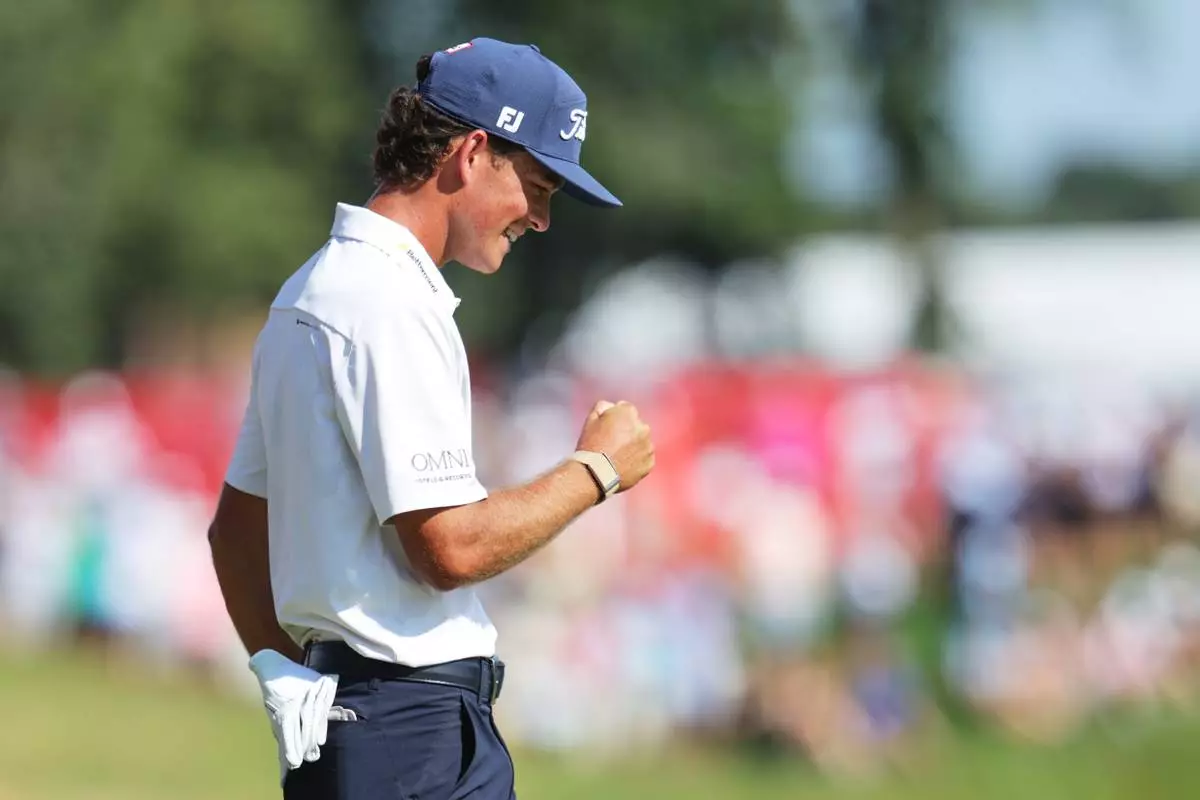
Jackson Koivun reacts after winning the 3M Open golf tournament at the Tournament Players Club Sunday, July 26, 2026, in Blaine, Minn. (AP Photo/Bailey Hillesheim)