The eastern corridor of the China-Europe Freight Train service has seen more than 3,000 trips on it so far this year, marking a major milestone in cross-border rail transport.
A return train carrying cooking oil, automobile tires and aluminum ingots on Saturday entered China through the Manzhouli port, the country's largest inland port, bound for Wuhan in central China.
The corridor, comprising the Manzhouli, Suifenhe and Tongjiang North railway ports, now operates 27 stable routes linking more than 60 Chinese cities with 14 European countries including Poland, Germany and The Netherlands.
From January to April, the eastern corridor accounted for 32.1 percent of China's total China-Europe Freight Train traffic, with return trips making up 41.1 percent of the national total.
The China-Europe Freight Train service began operations in 2011 and has grown rapidly since the implementation of the Belt and Road Initiative. As of Feb 26, the eastern corridor had already witnessed more than 1,000 train trips on its railway lines for the current year, breaking the mark 26 days earlier than the figure for the previous year.
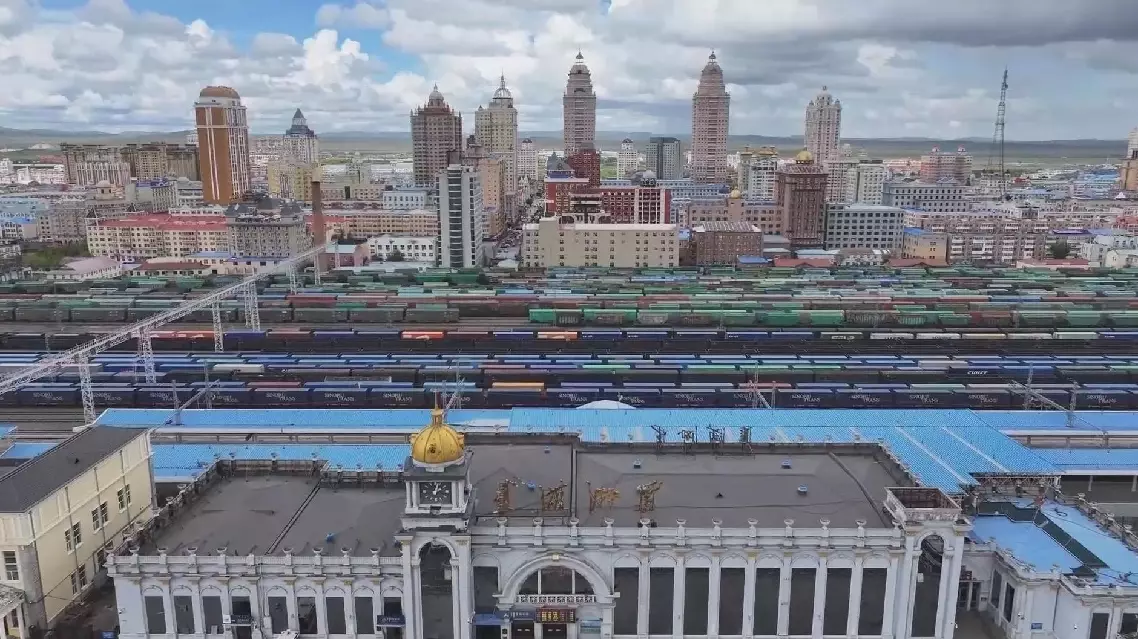
Eastern corridor of China-Europe Freight Train service witnesses over 3,000 trips in 2026
Chinese-made artificial intelligence (AI) glasses have been enjoying a surge in orders in Huaqiangbei, home to one of the world's largest electronics markets in south China's Guangdong Province, thanks to the country's national subsidy program and growing recognition in overseas markets.
In January this year, AI glasses were included in China's national subsidy program for the first time, offering buyers a 15-percent discount on purchases, capped at 500 yuan (about 74 U.S. dollars).
The electronics market in Huaqiangbei attracts shoppers from all over the country. At a brand store of Chinese tech giant Huawei, many were drawn to the company's newly released AI glasses product.
"Many inconvenient things on a mobile phone can be done with these glasses. For example, taking photos -- I can simply talk to the glasses after seeing what's there with my naked eyes, and it will do the job," said a consumer surnamed Liu from north China's Inner Mongolia Autonomous Region. "Our sales in May increased by 25 percent compared to April. This product, originally priced at 2,499 yuan (about 369 U.S. dollars), can also enjoy a 15-percent national subsidy, bringing the final price down to just over 2,100 yuan," said Wu Yinan, a product experience consultant at the Huawei store.
Data from China's e-commerce giant JD.com showed that in May, mainstream smart AI glasses saw their transaction volume skyrocket by over 200 percent year on year.
In the Huaqiangbei market, a dazzling array of AI glasses from various brands are prominently displayed, with prices ranging from around 100 yuan to 5,000 yuan. Lately, they have been attracting flocks of overseas buyers, including business owners hoping to resell in their own country.
"We have many overseas clients in Huaqiangbei. These glasses can be used to take photos, videos, and audio recordings, make and receive phone calls, and translate. They just use these glasses to record their life from a first-person perspective," said merchant Yuan Xiaoyuan.
"Some overseas customers might initially buy one or two, but after trying them out in the overseas market and receiving a very good response, they immediately place additional orders, potentially dozens or even hundreds," said Wang Chengzhu, deputy general manager of Huaqiangbei electronics market.
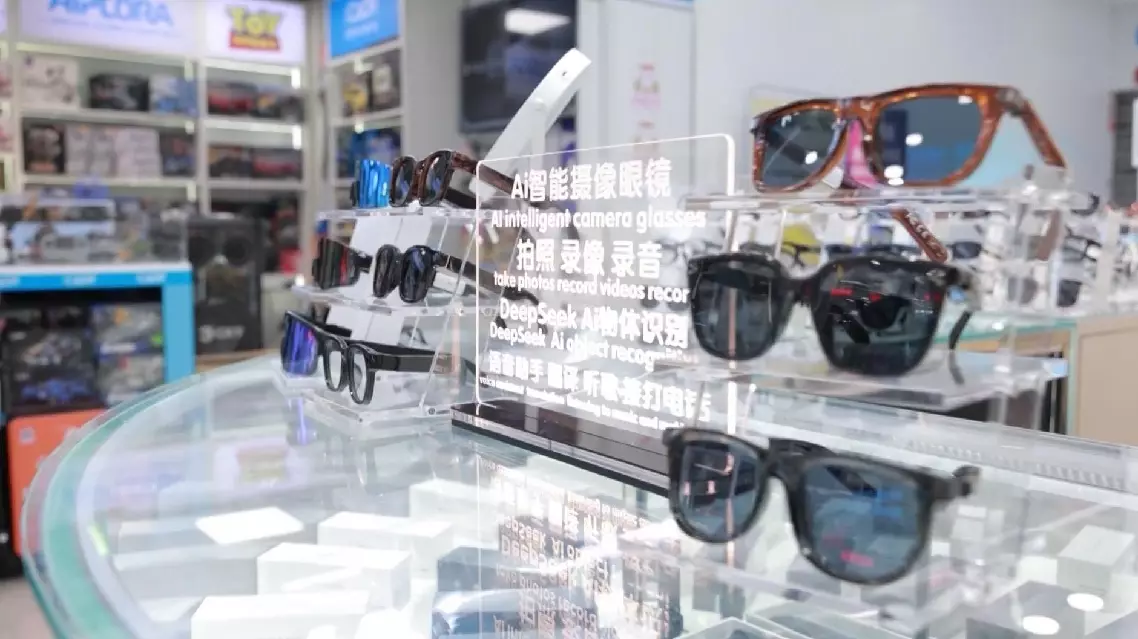
Chinese AI glasses sales gain boost from consumer subsidies, overseas demand