The world's first prefabricated computing power center base officially began operation on Saturday in Qingdao City, east China's Shandong Province, designed to offer a more efficient and low-carbon solution for computing infrastructure construction.
Acting as the energy hub and "heart" of a computing center, the prefabricated design provides a base that can slash computing infrastructure construction time by nearly 70 percent compared to traditional methods and provides a stable and continuous power supply critical to the facility's overall performance.
The base measures about 53 meters long and 41 meters wide, covering roughly 2,200 square meters. Compared with conventional designs, it reduces land use by over 30 percent and cuts overall costs by 20 percent.
Beyond faster and cheaper deployment, the base supports direct access to green electricity, achieving 100 percent green power consumption. This is anticipated to lower electricity costs by around 30 percent per token.
The newly erected structure in Qingdao has already been connected to an enterprise-owned data center. The design is set to be rolled out in national-level data center clusters and various regional computing hubs in the second half of this year, providing a stable, efficient, low-carbon, and easily replicable model for future computing infrastructure projects.

World's first prefabricated computing power center base starts operation in Qingdao
Foreign residents based in the southern Chinese tech hub of Shenzhen have shared their experiences of residing in the fast-developing city that has become known for its openness and inclusiveness.
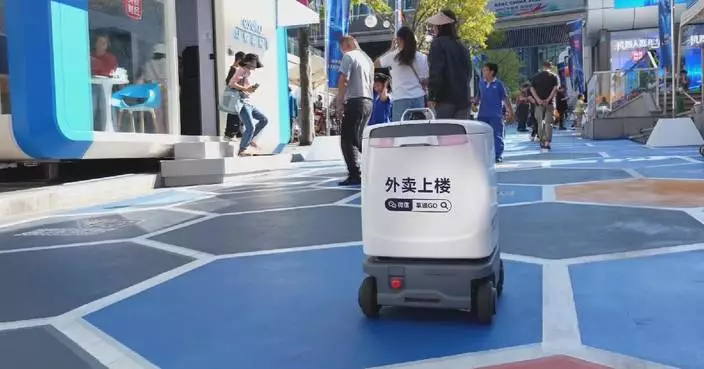
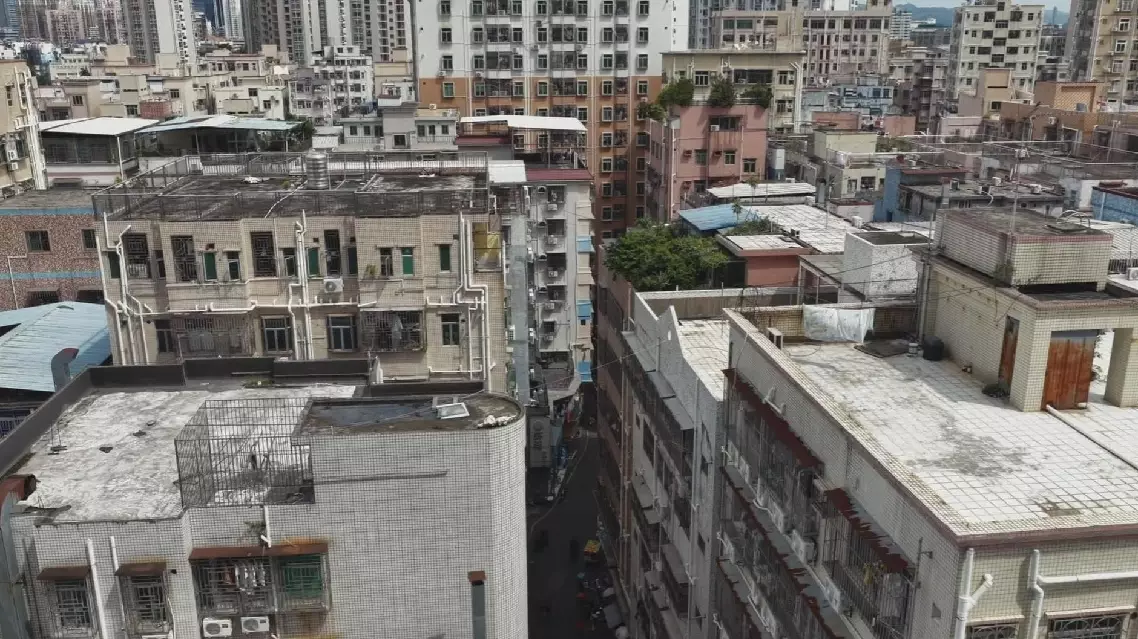
Once a small fishing village on the coast of south China's Guangdong Province, Shenzhen has undergone an unprecedented transformation in recent decades to become a bustling modern metropolis.
It is seen as a pioneering city in China's reform and opening-up drive after being designated one of the country's first special economic zones in 1980, which saw it become a major manufacturing center before evolving into a hub of high-tech innovation.
The city's growing international appeal is becoming clearer as more and more foreigners opt to make Shenzhen their home.
Among them is Josh Woodard, an American mechanical engineering graduate who budgeted two years for Shenzhen. Seven years on, he is running his own company in the city, living proof of its motto, "Come here, and you're a Shenzhener."
Woodard noted that while the United States has built up a great deal of design and engineering expertise, it no longer has the resources for production at scale, with much of that capacity having moved to Asia. He came to see the factories for himself and gain real experience working in Mandarin.
That pattern is a familiar one in Shenzhen, where short stays have a way of stretching longer and longer.
"I studied engineering in college and I wanted to like, see the factories. Like in America, [there is] a lot of design expertise, engineer expertise is built, a lot of stuff there, but we don't have the resources for production at scale anymore. A lot of [it was] exported to Asia. So I'm just like let me spend like a year or two in China. Let me see the factories, get some real experience working with Mandarin. So, moved here, immersed myself and two years became seven," said Woodard.
Woodard explained that companies outside China still need to work with the country to make the products they want to make. While a giant like Apple can afford a team of 5,000 people in China, smaller players face a different challenge in developing supply chains and running quality inspections, which he saw as a real opportunity.
"These companies that are outside of China still need to work with China to build the products they want to build. Apple can afford to build a team of 5,000 people in China. What about the small- and medium-sized players? How do they navigate, developing their supply chain, doing quality control inspections, that kind of thing. So it seems like a really good opportunity. My thesis is like Shenzhen will remain important for the next decade in terms of supply chain, consumer electronics manufacturing. A lot of people talk about onshoring, near-shoring, moving factories to Southeast Asia and like from what I've seen working on supply chain here, I don't think it's very feasible, so I think for the next decade people will need somebody who understands the culture, the work, how to navigate the supply chain and can help bridge those gaps," he said.
So far, Woodard said, the thesis is holding up, with the company standing on its own two feet financially. His bet on Shenzhen as a lasting supply-chain hub appears to be paying off.
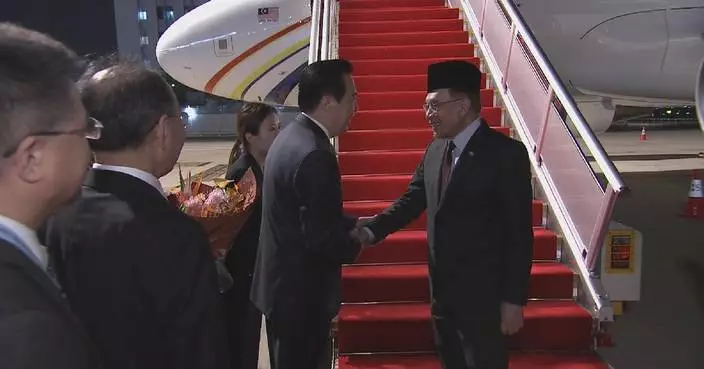
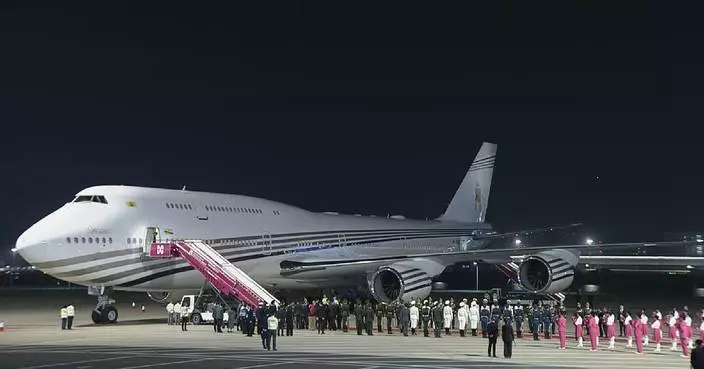
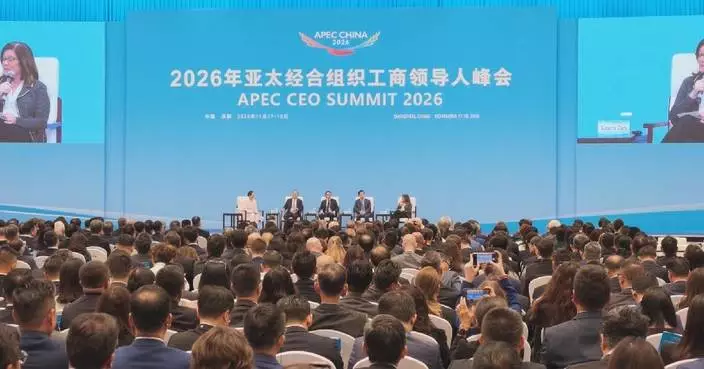
Shenzhen is in the global spotlight this week as the city gears up to hold the 33rd Asia-Pacific Economic Cooperation (APEC) Economic Leaders' Meeting from Wednesday to Thursday. This year's gathering, under the theme "Building an Asia-Pacific Community to Prosper Together," will focus on three priority areas identified by China -- openness, innovation, and cooperation.
U.S. engineer builds supply-chain bridge in Shenzhen tech hub