Employers and employees should make reasonable work arrangements after tropical cyclones or rainstorms
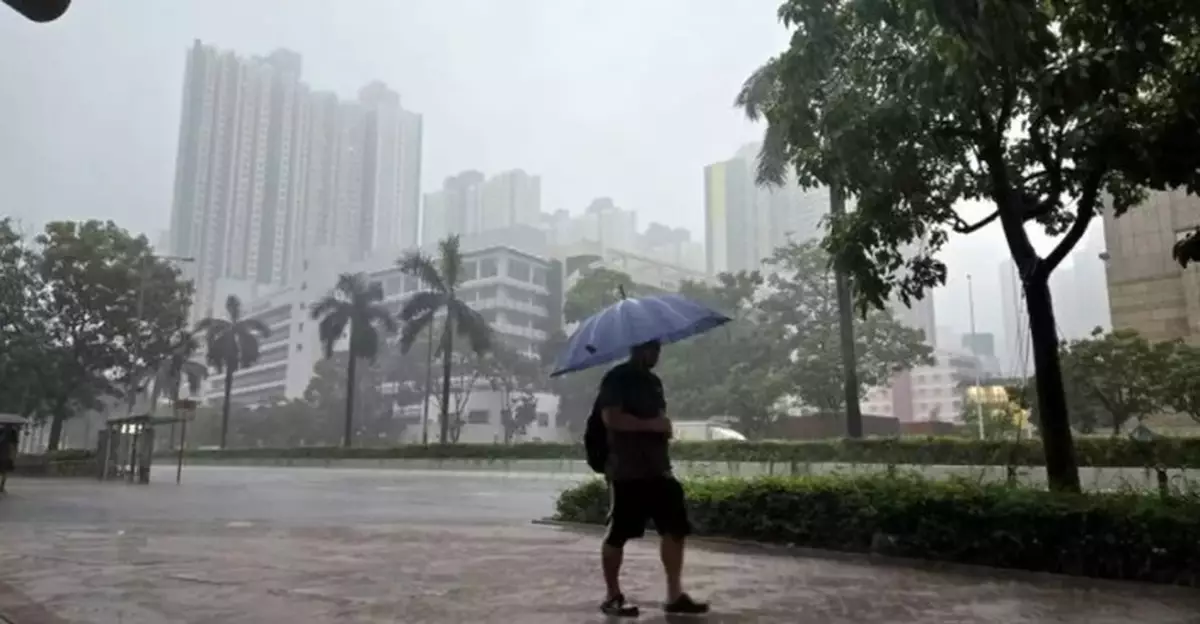
The Labour Department (LD) today (June 8) reminded employers to make practical and reasonable work arrangements for employees after the cancellation of tropical cyclone warnings or rainstorm warnings, with due consideration to the road and traffic conditions and other factors, and make flexible arrangements for staff to resume work or work remotely (if applicable). This will help maintain good labour-management relations, and ensure the safety of employees as well as the smooth operation of organisations.
The Labour Department (LD), Photo source: reference image
"For staff who have genuine difficulties in resuming work on time upon cancellation of a tropical cyclone or rainstorm warning, employers should be sympathetic and handle each case flexibly. For example, employers may allow employees to resume work in stages, permit employees who have difficulties in returning to workplaces to work remotely (if applicable) or allow more time for them to report for duty and resume work," an LD spokesman said.
The spokesman reminded employers to observe the statutory liabilities and requirements under the Employment Ordinance, Occupational Safety and Health Ordinance, Factories and Industrial Undertakings Ordinance, Employees' Compensation Ordinance and Minimum Wage Ordinance.
"As natural calamities cannot be avoided, for employees who are not able to report for duty or resume duty on time due to adverse weather or extreme conditions, employers should neither deduct their wages, good attendance bonus or allowances, nor reduce employees' entitlement to annual leave, statutory holidays or rest days under the Employment Ordinance, or ask for additional hours of work from employees to compensate for the loss of working hours when they are unable to report for duty," the spokesman said.
Employers should note that they have an obligation to provide and maintain a safe working environment for their employees under the Occupational Safety and Health Ordinance. Moreover, under the Employees' Compensation Ordinance, employers are liable to pay compensation for injuries or deaths incurred when employees are travelling by a direct route from their residence to their workplace, or from their workplace back to their residence after work, four hours before or after working hours on a day when Tropical Cyclone Warning Signal No. 8 or higher, a Red or Black Rainstorm Warning Signal or extreme conditions are in force.
The LD has published the "Code of Practice in Times of Adverse Weather and 'Extreme Conditions'", which provides the major principles, reference guidelines and information on relevant legislation on making work arrangements for the reference of employers and employees. The booklet can be obtained from branch offices of the Labour Relations Division or downloaded from the department's webpage (www.labour.gov.hk/eng/public/wcp/Rainstorm.pdf).
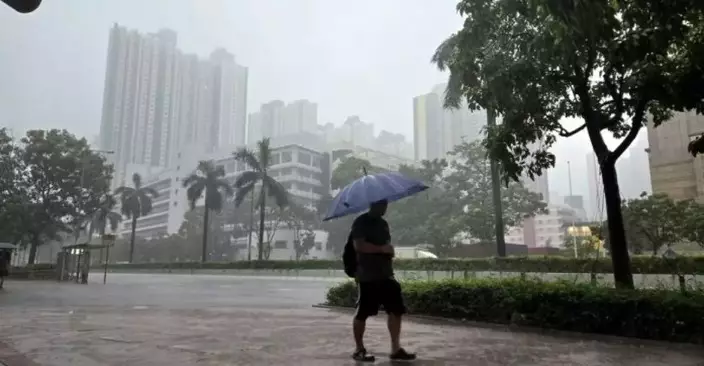
Photo by Bastille Post
DH investigates case of severe paediatric influenza A infection
The Centre for Health Protection (CHP) of the Department of Health is today (August 9) investigating a severe paediatric influenza A infection case. The CHP urged the public to maintain good personal and environmental hygiene at all times to prevent influenza and other respiratory illnesses.
The case involves a 5-year-old girl with underlying illnesses. She developed a fever, cough with sputum, chills, rigors, and shortness of breath on August 7. She was taken to the Accident and Emergency Department of Tuen Mun Hospital yesterday (August 8) and was admitted to the paediatric intensive care unit for treatment. Her respiratory specimen tested positive for influenza A (H1) virus. Her clinical diagnosis was influenza A infection complicated with sepsis. She remains hospitalised and is in serious condition.
The CHP's preliminary investigation revealed that the girl had received the 2025/26 seasonal influenza vaccination. She had no travel history during the incubation period. Her household contacts remain asymptomatic.The CHP will continue to investigate the case.
"Hong Kong entered the influenza season in late June. The latest surveillance data showed that the influenza activity is at a high level currently. The percentage of respiratory specimens testing positive for seasonal influenza viruses was 9.94 per cent and the influenza admission rate in public hospitals was 0.73 cases per 10 000 population last week. The predominant influenza viruses detected were influenza A (H3) and influenza A (H1) (45 per cent each), the rest were influenza B (10 per cent). We expect the level of influenza activity to remain high in the coming weeks," said the Controller of the CHP, Dr Edwin Tsui.
"The World Health Organization has already announced its recommendations for the composition of influenza vaccines for the 2026/27 season in the northern hemisphere. Vaccine manufacturers are currently producing vaccines in accordance with the recommendations for use by the end of the year. The Government has completed the procurement process for the 2026/27 Seasonal Influenza Vaccination Programmes and is actively preparing various vaccination arrangements. In addition, influenza and COVID-19 activities are at a high level currently, I urge members of the public, especially children, the elderly and high-risk groups such as those with underlying illnesses or compromised immune systems, to seek medical attention and treatment as soon as possible if they develop a fever or respiratory symptoms, as their condition may deteriorate rapidly. This will help reduce the risk of complications. If you live with members of high-risk groups, you should wear a surgical mask at home and seek medical attention as soon as possible if you develop respiratory symptoms to reduce the risk of infecting them. Other effective ways to reduce the spread of the disease include maintaining household hygiene, frequently cleaning and disinfecting frequently touched surfaces, practising good hand hygiene, and ensuring proper indoor air circulation," he added.
Dr Tsui also reminded parents that the health condition of children with influenza can deteriorate rapidly. Parents must pay close attention to their condition, and visit an accident and emergency department immediately if the child's condition deteriorates with symptoms such as shortness of breath, wheezing, blue lips, chest pain, confusion, a persistent fever or convulsions.
Members of the public may refer to the CHP'sCOVID-19 & Flu Express,Seasonal Influenza WebpageandCOVID-19 Vaccination Programme Webpage, for the latest information.
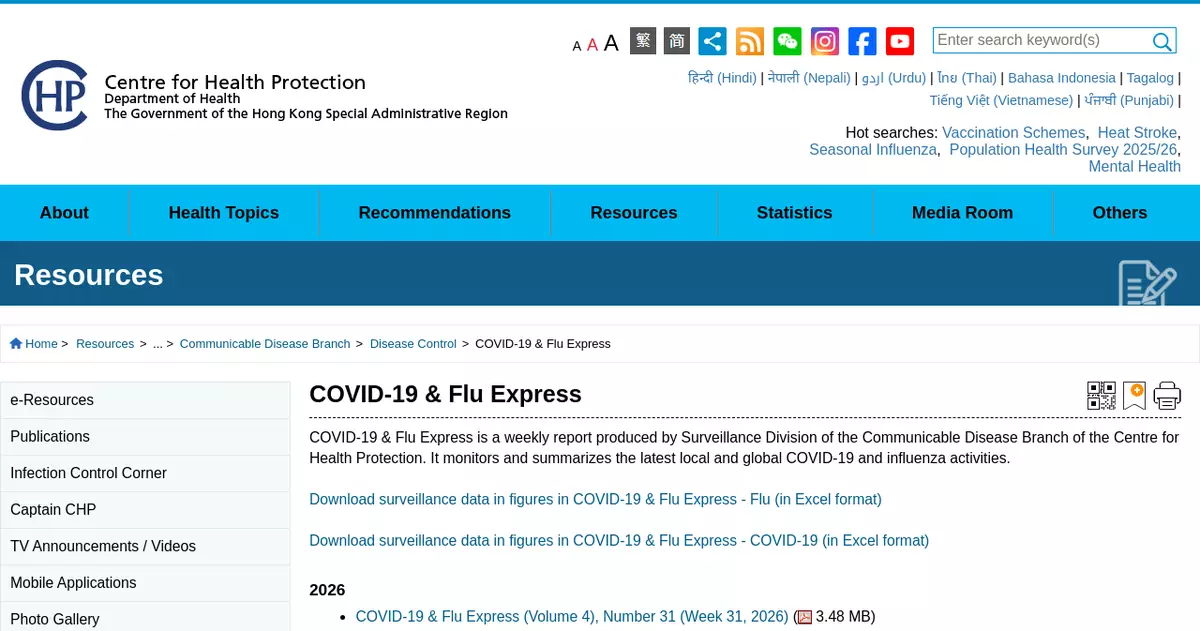
Source: AI-found images