Iran is drafting regulations to charge vessels transiting the Strait of Hormuz for maritime security and environmental services, the country's semi-official Tasnim News Agency reported on Sunday.
Citing Shina Ansari, Iranian vice president and head of the Department of Environment, the agency reported that the preliminary draft has been completed recently, though the fee rates and specific collection mechanisms have yet to be determined.
It said the draft will be submitted for internal review and approval by Iran's Department of Environment before being forwarded to the relevant authorities for subsequent legal procedures.
According to Ansari, the proposed measures go beyond environmental fees, and they also cover maritime support, security services, and environmental services provided by coastal states to passing ships.
The vice president said that the Strait of Hormuz falls within the territorial waters and sovereign jurisdiction of Iran and Oman, and littoral states have the right to charge appropriate fees for services rendered in maintaining navigational safety, regional security, and environmental protection.
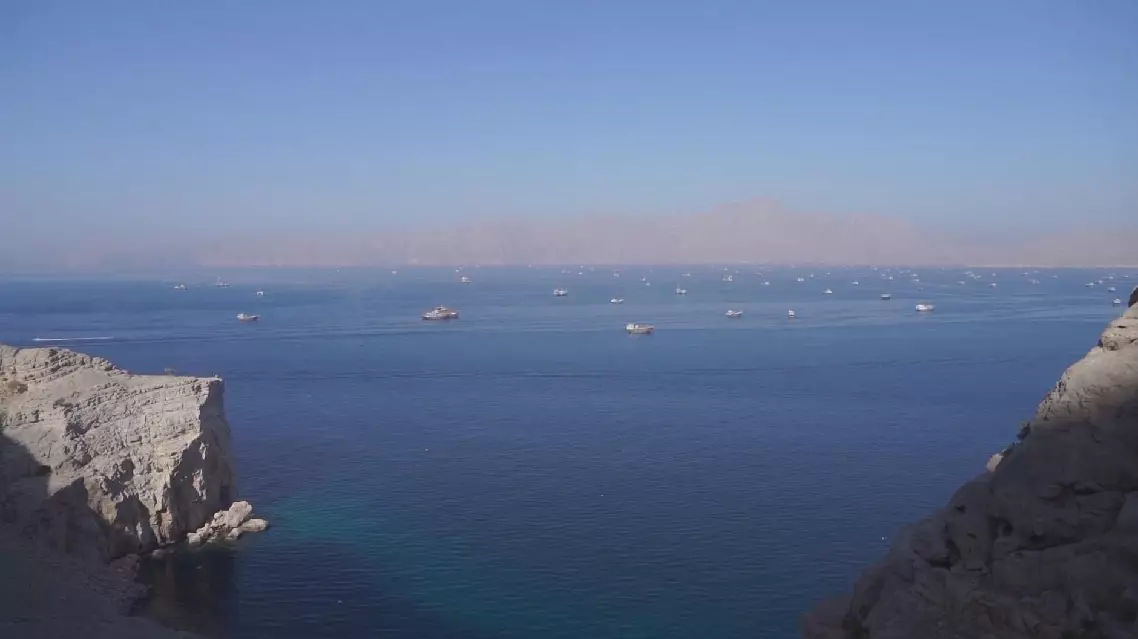
Iran drafts regulations to charge ships for Strait of Hormuz services
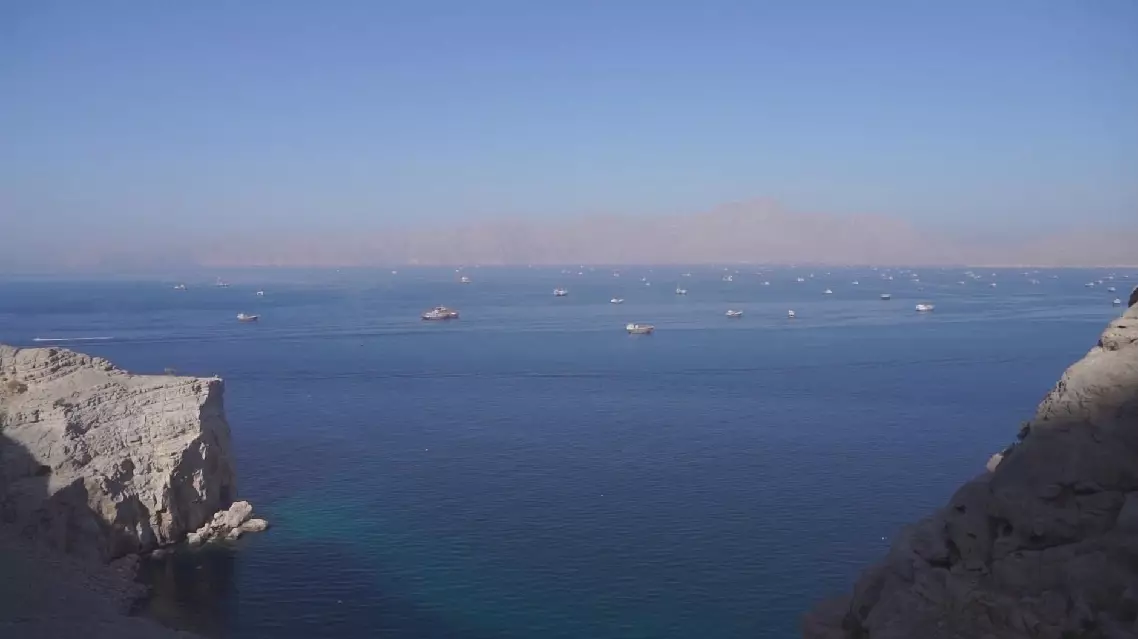
Iran drafts regulations to charge ships for Strait of Hormuz services
Global ocean surface temperatures are hovering just below historic highs and could break records later this year as a new El Nino pattern gathers strength, a leading climate physicist warned ahead of World Oceans Day on June 8.
El Nino is typically marked by rising ocean surface temperatures in the central and eastern equatorial Pacific. It generally occurs every two to seven years, lasting nine to 12 months. The cycle often develops between March and June, peaks between November and February, and its influence on global temperatures is most evident in the second year after onset.
Data released on May 8 by the Copernicus Climate Change Service, the European Union's climate monitoring agency, showed that the average sea surface temperature for non-polar oceans reached about 21 degrees Celsius in April 2026. That figure sits just shy of the historic record of 21.04 degrees set in April 2024. Vast areas of the tropical Pacific also registered record warmth alongside severe marine heatwaves.
Helge Goessling, a climate physicist at Germany's Alfred Wegener Institute, Helmholtz Center for Polar and Marine Research, said that the rapid return to near-record warmth is alarming because the cycle is only in its infancy.
"The ocean temperature is already at a very high level, close to the peak of the strong El Nino period in 2024. But this year's El Nino has only just begun. We can therefore expect ocean temperatures to rise significantly within the year. I believe it is highly likely that we will see new sea surface temperature records by the end of this year and into next year," Goessling said.
According to Goessling, the current rise in ocean temperatures is driven by a combination of human-induced greenhouse gas emissions, which cause long-term global warming, and natural climate oscillations such as El Nino.
He added that the warming of the world's oceans has far-reaching consequences that extend well beyond the marine environment, exacerbating sea-level rise and increasing the frequency and intensity of extreme weather.
Goessling believes that the rise in ocean temperatures, part of the global climate change, will ultimately alter daily life across the globe.
"Ocean warming is a critical component of overall climate change. As I have said, when the oceans warm, temperatures and extreme weather events on land are intensified. The warming of the oceans also contributes to the sea-level rise, which of course will affect people on coasts. So all of these things are deeply interconnected. The ocean warming is a major part of man-made climate change, and therefore concerns everyone," said Goessling.
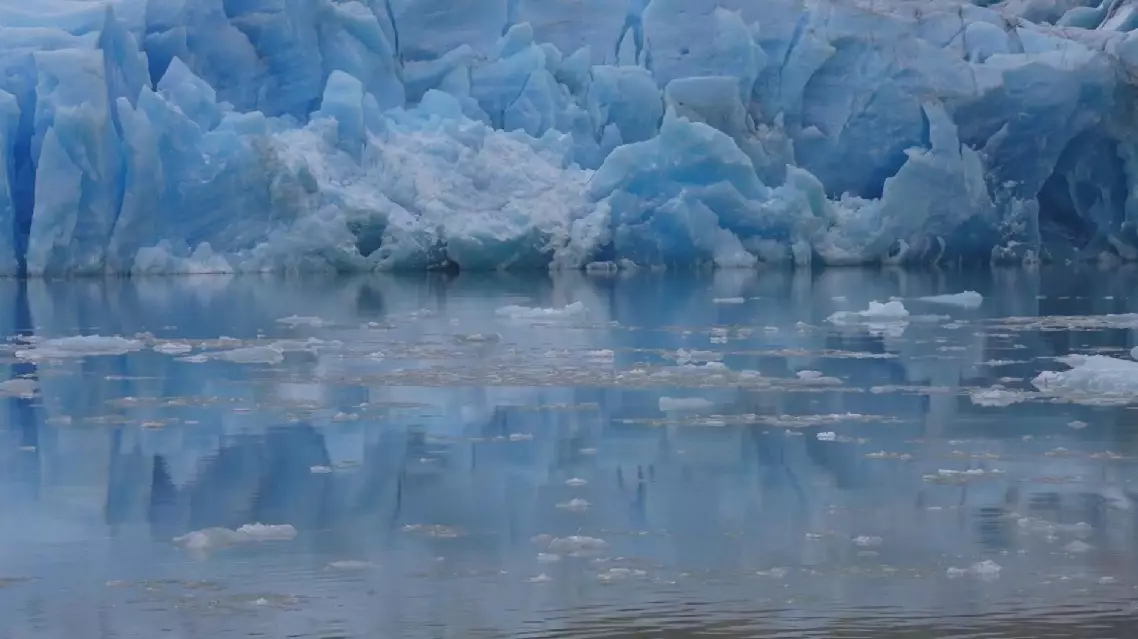
Global oceans near record heat as El Nino builds: expert