Skip to Content Facebook Feature Image

OpenAI files confidential SEC paperwork for IPO, opening the door to a Wall Street debut

TECH

OpenAI files confidential SEC paperwork for IPO, opening the door to a Wall Street debut
TECH

TECH

OpenAI files confidential SEC paperwork for IPO, opening the door to a Wall Street debut

2026-06-09 09:20 Last Updated At:13:29

ChatGPT maker OpenAI filed preliminary paperwork that would open the door to it becoming a publicly traded company, the third in a powerhouse trio of artificial intelligence companies racing to Wall Street debuts.

The San Francisco-based company said Monday it has filed confidential paperwork with the U.S. Securities and Exchange Commission.

“We expect it to leak so we’re just announcing it,” the company said in a statement. “We have not decided on timing yet; it may be a while because there are things we want to do that are likely easier as a private company. But it’s a complicated set of tradeoffs and this gives us the option to go public sooner if that ends up being best.”

OpenAI's move follows its rival Anthropic's June 1 disclosure that it is also moving toward an initial public offering of shares. Both are now following Elon Musk's rocket company SpaceX, which has started an IPO roadshow pitching itself as an AI-focused space company.

OpenAI CEO Sam Altman first publicly floated the possibility of an IPO last fall, describing it as the “most likely path” for the company given its size and the need for vast amounts of capital to advance its technology.

OpenAI began in 2015 as a nonprofit dedicated to developing AI for the common good and is now a company valued at $852 billion.

The filing comes at a “precarious moment” for OpenAI as it appears to be losing ChatGPT’s strong early leads with consumers and businesses to Google and Anthropic, said Emarketer analyst Nate Elliott.

“But OpenAI doesn’t have a lot of other places to look for the enormous capital required to support its costs,” Elliott said.

Paving the way for going public was OpenAI’s decision last year to reorganize its business structure and convert itself into a public benefit corporation even as it remains technically under the control of a nonprofit.

OpenAI cleared another obstacle last month with its victory against Musk in a federal jury trial. Musk, an OpenAI co-founder and early donor, had sued the company seeking to oust Altman from its leadership and unravel its conversion to a for-profit business. A judge dismissed the case after the jury found Musk filed his lawsuit too late.

OpenAI has not yet publicly disclosed how much money it is making or when it plans to turn a profit. Much like Anthropic and SpaceX, the company has been losing more money than it makes because of the huge costs of building out the venture. OpenAI faces fierce competition from Anthropic, maker of the increasingly popular chatbot Claude, and Google's AI assistant Gemini.

In an April interview, OpenAI’s chief financial officer Sarah Friar declined to give a timeline for a potential IPO but said the company was already “acting with the good hygiene of a public company,” such as by measuring its revenue in the way a publicly traded firm would have to report earnings to the SEC.

“I want us to be ready,” she told The Associated Press. “I think it’s good to be able to tap the public markets. They’re much bigger than the private markets."

She said OpenAI’s current valuation would make it one of the 15 biggest companies in the S&P 500.

She also said there is a “credentializing moment of being a public company.”

“At that point, people are checking your balance sheet, the SEC is governing you and so on,” she said.

In a separate statement Monday published around the same time as the announcement of the confidential filing, Altman outlined a broad vision for OpenAI including three big goals: building an automated AI researcher, accelerating economic growth and giving “everyone on Earth a personal AGI,” which stands for artificial general intelligence or a form of AI that surpasses humans at many tasks.

Altman said OpenAI started out in AI research and moved into commercial product development but is now moving into its third phase involving a “broad distribution of power” as the economy reshapes around AI technology.

He said OpenAI is “working to ensure the gains are widely shared. Everyone should have an opportunity for a meaningful share in the prosperity AI creates.”

The remarks follow Altman’s visit last week with Sen. Bernie Sanders, who is pushing a plan for the public to take a 50% ownership stake in AI companies such as OpenAI, as well as comments from President Donald Trump embracing giving the public a stake in AI’s growth.

AP Technology Writer Kaitlyn Huamani contributed to this report.
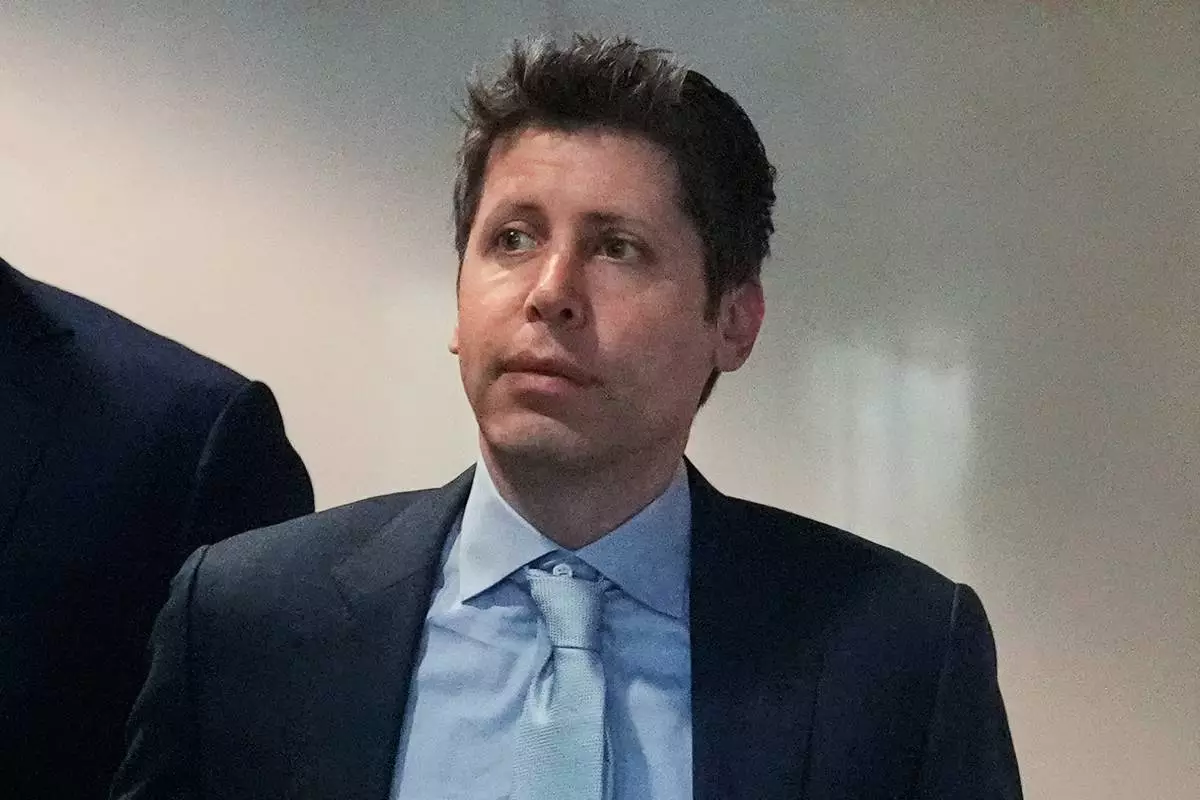
FILE - Sam Altman arrives at the U.S. District Court in Oakland, Calif., April 30, 2026. (AP Photo/Godofredo A. Vásquez, file)

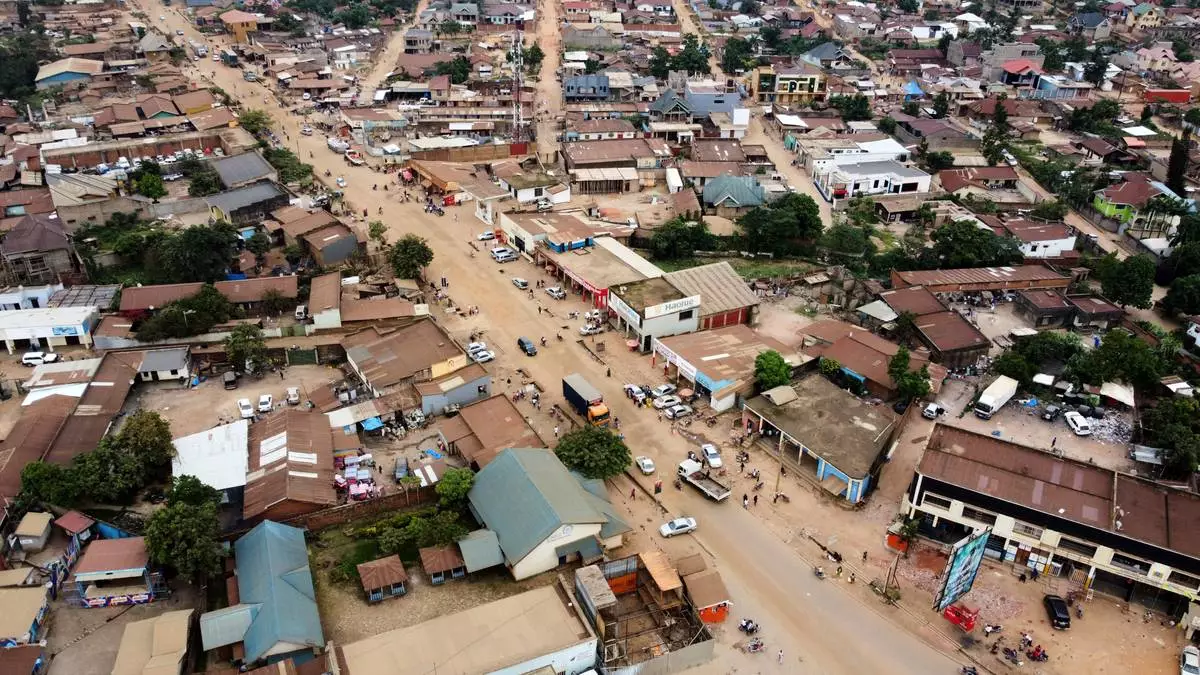
FILE - Sam Altman arrives at the U.S. District Court in Oakland, Calif., April 30, 2026. (AP Photo/Godofredo A. Vásquez, file)
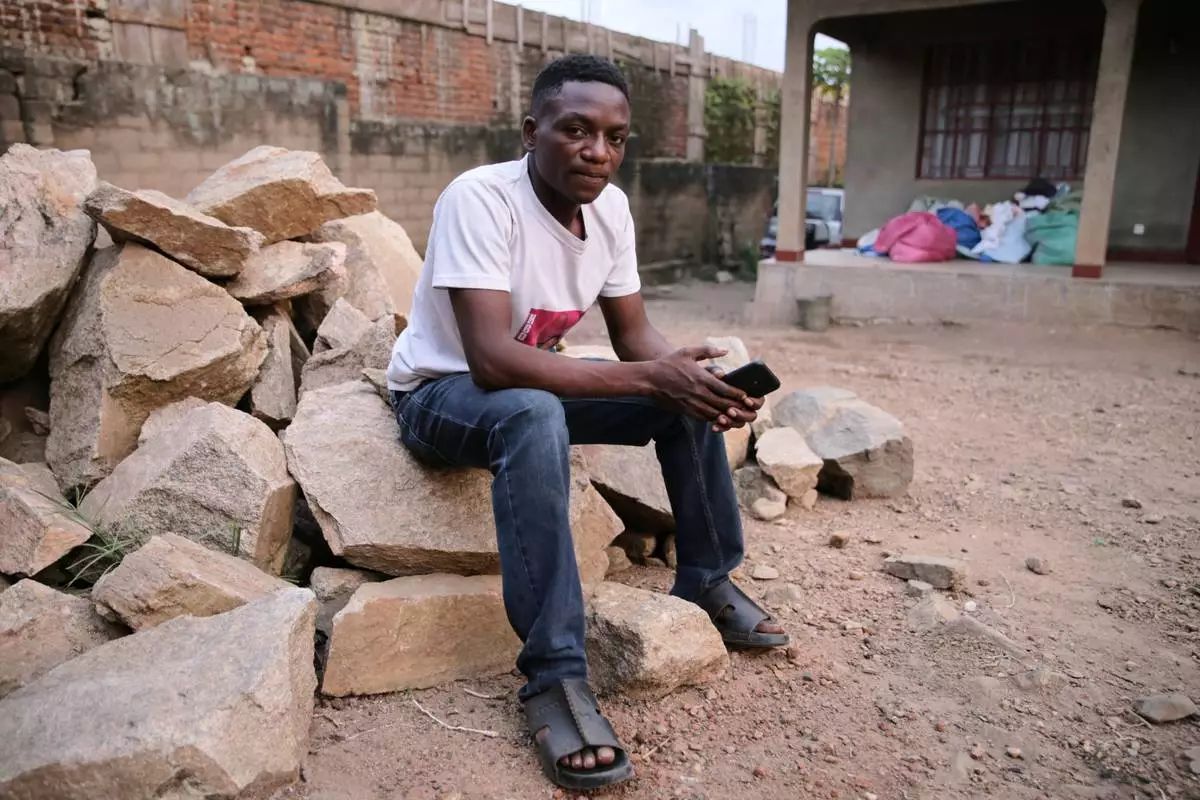
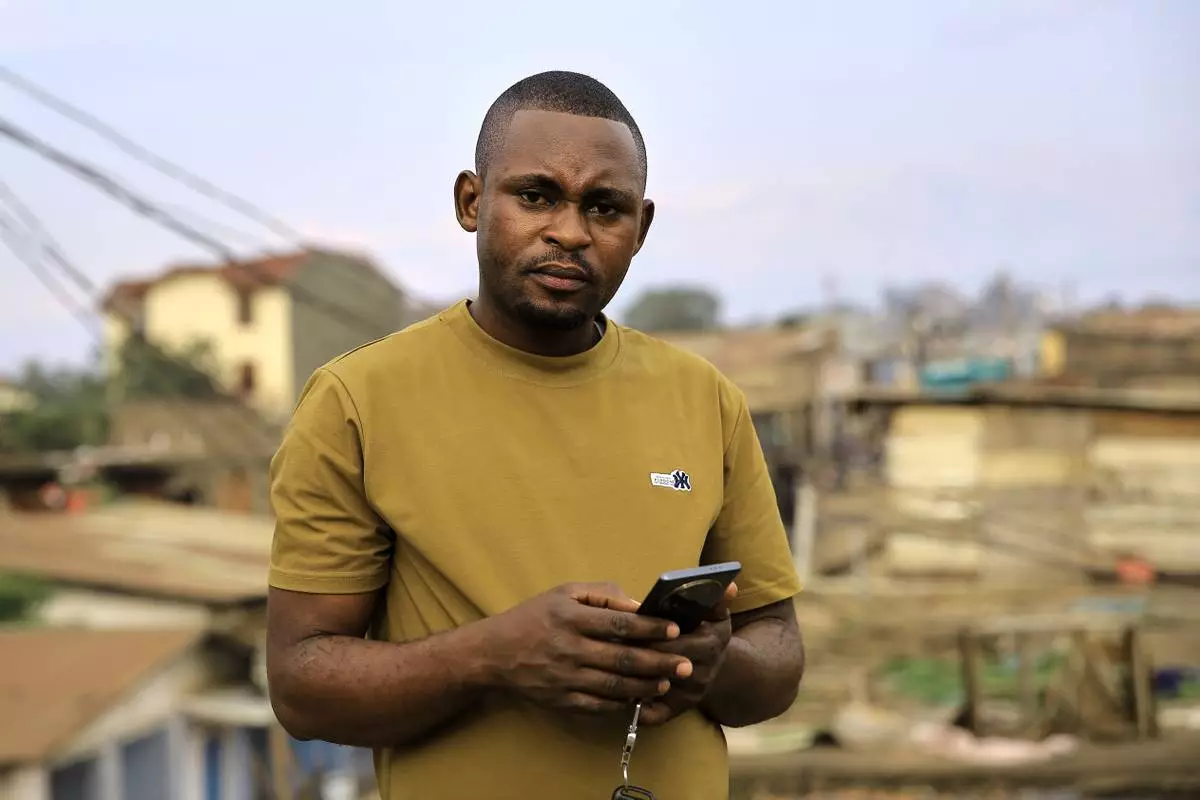
BENI, Congo (AP) — The memories come flooding back whenever Vianney Kambale Kombi hears the word Ebola.

He remembers the pain and fear in his community in the eastern Congo city of Beni during the 2018-2020 Ebola outbreak, history's second-biggest with more than 3,400 reported cases and over 2,200 deaths. It was stopped with the aid of vaccines.

Kombi also remembers the broad skepticism over the disease, attacks on health workers and inaction from patients that he blames for the speed in which the disease spread.

“We thought it was witchcraft,” said Kombi. “The community had not accepted that this disease existed and it had not accepted that we could recover from it.”

In Beni, a bustling commercial hub near the borders with Uganda and Rwanda, some fear that a repeat of mistakes made during Congo's past outbreaks and the lack of an approved vaccine this time around might make the response to the latest outbreak more challenging.

A total of 515 infections have been confirmed in the current outbreak caused by the rare Bundibugyo virus, a type of Ebola virus, including 91 deaths and 12 recoveries.

Kombi recalled how he contracted the virus after being exposed to others who had it. He said they had little information about the disease at the time, and that while many thought it was witchcraft, others described it as a “Western conspiracy for funding reasons.”

“The community had not accepted that we could recover from this disease, that’s why reintegrating into the community at first was a bit difficult,” he said.

“When a pandemic hits here in Congo, we initially think it’s a political issue,” said Bienfait Wanzire, who also recovered after contracting Ebola during the 2018 outbreak.

“At first, we thought it was a spiritual illness,” he said. “Then because there were election campaigns, we believed it was political.”

Dr. Babah Mutuza Lusungu, a physician at “Dieu Est Grand” Medical Center in Beni, remembered losing his uncle and two colleagues even as he tried to convince people the outbreak was real.

“There was very strong resistance,” said Lusungu. “And so there was a climate of mistrust that took place between the population, the authorities, the partners too, right, and the health workers.”

Youths at the time were not directly involved in response efforts, he said, urging local authorities to work more closely with youth leaders to enlighten people about the disease.

“If we wait until they have so many declared cases to start making an effective response, we will have totally missed the target,” he said.

Esperance Masinda, who was working for the U.N. children’s agency in Beni during the 2018 outbreak, said it was particularly difficult caring for children who had lost their parents to Ebola.

She contracted the disease while looking after her husband who was working as a medical doctor. Although they both later recovered, the vaccine that helped save them distanced them from family and neighbors.

“When we were in the community, we were told that you’re not going to make it even five years, you’re going to die with that medication that you took there,” Masinda said.

“And today, when they see us, these people no longer stigmatize us,” she said. “We are all humans, even though we have been victims of Ebola, all of us are humans.”

A general view in Beni, Congo, Sunday, May 31, 2026. (AP Photo/Kitsa Musayi Sebastien)

A general view in Beni, Congo, Sunday, May 31, 2026. (AP Photo/Kitsa Musayi Sebastien)

Bienfait Wanzire, an Ebola survivor, sits by his house in Beni, Congo, Monday, June 1, 2026. (AP Photo/Kitsa Musayi Sebastien)

Bienfait Wanzire, an Ebola survivor, sits by his house in Beni, Congo, Monday, June 1, 2026. (AP Photo/Kitsa Musayi Sebastien)

Vianney Kambale Kombi, an Ebola survivor, poses for a photo in Beni, Congo, Sunday, May 31, 2026. (AP Photo/Kitsa Musayi Sebastien)

Vianney Kambale Kombi, an Ebola survivor, poses for a photo in Beni, Congo, Sunday, May 31, 2026. (AP Photo/Kitsa Musayi Sebastien)

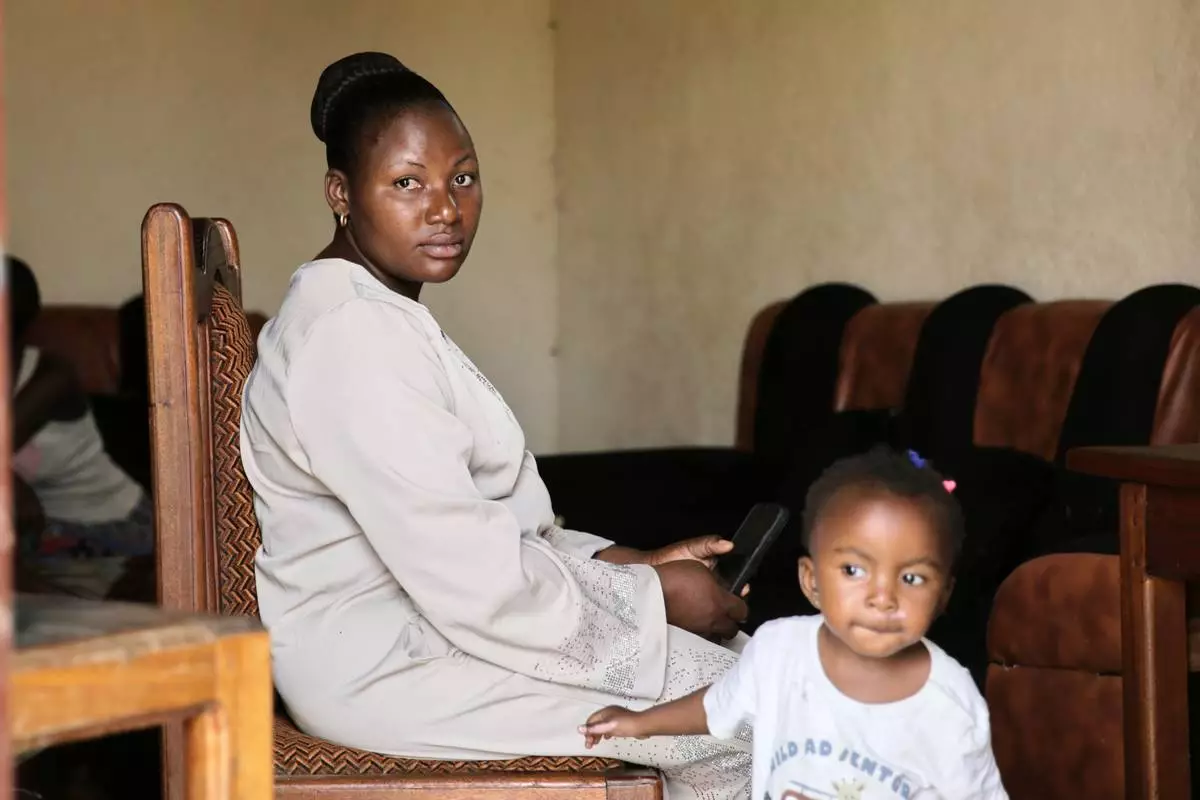
Esperance Masinda, an Ebola survivor, poses for a photo at her home in Beni, Congo, Tuesday, June 2, 2026. (AP Photo/Kitsa Musayi Sebastien)

Esperance Masinda, an Ebola survivor, poses for a photo at her home in Beni, Congo, Tuesday, June 2, 2026. (AP Photo/Kitsa Musayi Sebastien)

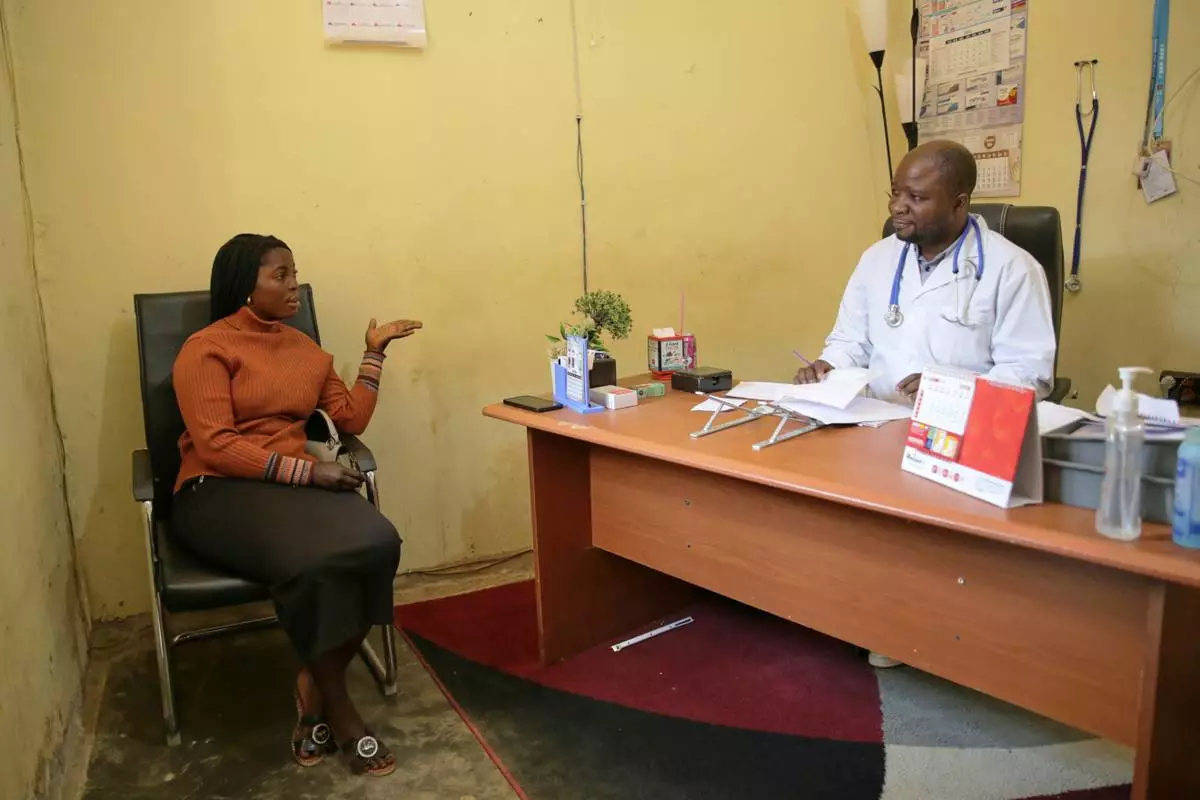
Dr. Babah Mutuza Lusungu, right, a doctor at "Dieu Est Grand" Medical Center, attends to a woman in his office in Beni, Congo, Monday, June 1, 2026. (AP Photo/Kitsa Musayi Sebastien)

Dr. Babah Mutuza Lusungu, right, a doctor at "Dieu Est Grand" Medical Center, attends to a woman in his office in Beni, Congo, Monday, June 1, 2026. (AP Photo/Kitsa Musayi Sebastien)

Recommended Articles